
lovethailand home >North Travel Attractions >Phayao Travel Attractions >Muang Phayao >Wiang > The Ceremony of Washing the Queen Mother Image
TL;DR: The Ceremony of Washing the Queen Mother Image. Highlights include Ritual washing of the Queen Mother Image, blessing ceremony, procession, merit-making, and Lanna cultural performances.
The Ceremony of Washing the Queen Mother Image
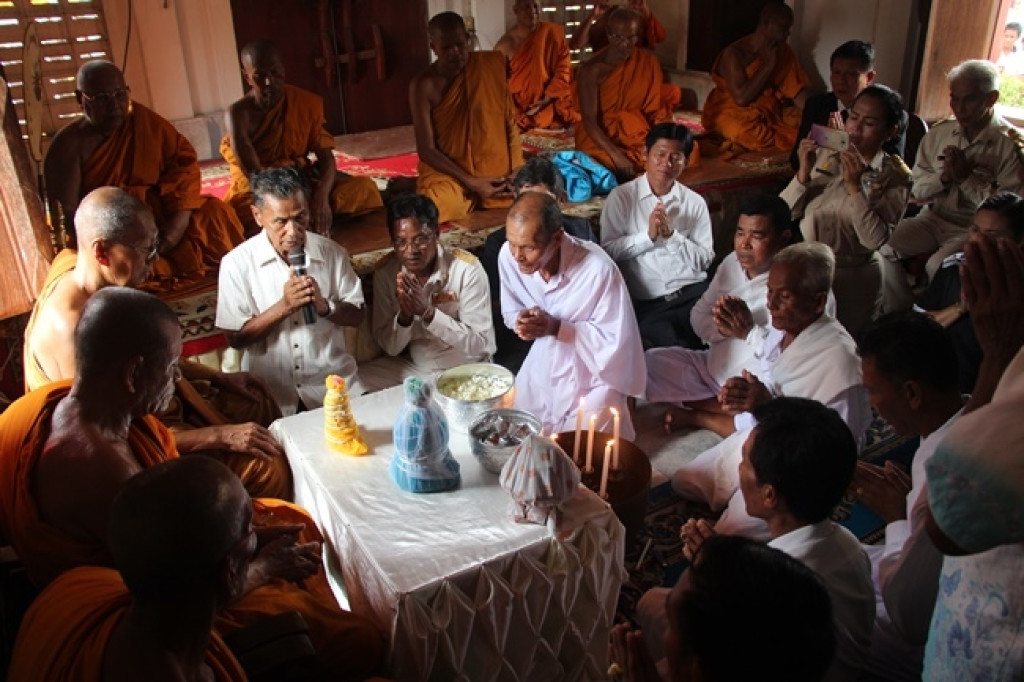
Event Day: During the Songkran Festival or in April every year
Event Hours: According to the annual schedule announced by the local community and organizers
The Ceremony of Washing the Queen Mother Image is an important cultural tradition of Phayao Province, reflecting Lanna faith, respect for sacred guardianship, and the community spirit of northern Thailand during the traditional New Year season. The ceremony centers on the ritual washing of the Queen Mother Image, an act of reverence performed to seek blessings, prosperity, peace, and good fortune. It is usually held during the Songkran Festival or in April, a season associated with renewal, purification, merit-making, and family reunion in Lanna culture.
In the cultural context of Phayao, this ceremony carries a deeper meaning than a seasonal ritual. It expresses the relationship between local people, sacred belief, water, and community identity. The Queen Mother Image is honored as a sacred symbol of protection, kindness, prosperity, and spiritual support. People join the ceremony to pay respect, ask for blessings, and begin the northern Thai New Year with a peaceful mind and a renewed sense of connection to their community.
At the heart of the tradition is the washing ritual. In Lanna culture, water is never merely a physical substance. It represents purity, coolness, calmness, blessing, and renewal. When devotees bring clean water, scented water, flowers, or garlands to participate in the ritual, they are not simply following a custom. They are symbolically cleansing the mind, expressing humility, and opening themselves to auspiciousness for the year ahead.
Songkran in northern Thailand, often called the traditional Lanna New Year or Pi Mai Mueang, is a time of deep cultural significance. Families clean their homes, communities clean temples, people make merit, bathe Buddha images, ask forgiveness from elders, and gather with relatives who return home during the holiday. The Ceremony of Washing the Queen Mother Image belongs to this same atmosphere of gratitude, renewal, and sacred beginning. It adds a gentle and spiritual dimension to the festive energy of the New Year season.
Before the ceremony begins, community members prepare the ritual area, offerings, clean water, flowers, garlands, incense, candles, and ceremonial objects. This preparation is an important part of the tradition because it brings people together before the main event. Some help clean the venue, some prepare scented water, some arrange flowers, some rehearse traditional performances, and others welcome visitors. The ceremony therefore exists not only because of belief, but because of cooperation, dedication, and shared responsibility.
On the day of the event, the Queen Mother Image or sacred symbol is ceremonially brought to a specially prepared pavilion or ritual area. This procession is one of the most meaningful moments of the tradition. Participants often dress politely, and in some areas, traditional northern Thai clothing is worn to express local identity. The atmosphere combines dignity, beauty, fragrance, music, and devotion. The procession is not only a movement through space; it is a public expression of collective respect.
During the washing ceremony, devotees approach in an orderly manner and pour prepared water with care and reverence. Some use scented water or water mixed with flowers to symbolize purity and blessing. While pouring the water, participants silently make wishes for health, happiness, family harmony, success, and protection. The ritual offers a rare moment of stillness amid the busy pace of modern life, allowing people to reconnect with faith, memory, and local cultural roots.
The idea of “coolness” is central to the meaning of the ceremony. In Lanna thought, coolness does not refer only to temperature. It also refers to peace, safety, calmness, and harmonious living. Washing the Queen Mother Image is therefore a symbolic request for a cool life, a peaceful family, a stable community, and a year free from misfortune. This is why the water ritual continues to hold emotional power for those who participate.
After the main ritual, the celebration often includes traditional cultural performances such as devotional dances, folk songs, Lanna music, and local community entertainment. These performances bring life and beauty to the event while helping younger generations experience inherited culture in a living form. They are not merely entertainment. They are offerings of art, movement, music, and devotion to the sacred image and to the community’s shared heritage.
Lanna dance performed in this type of ceremony has strong symbolic value. Its movements are gentle, respectful, and graceful, expressing reverence and offering. The dancers become representatives of the community, carrying local beauty into the sacred space. Through their gestures, the community transforms art into an act of merit and devotion. This is one of the reasons why the ceremony remains emotionally meaningful to both participants and spectators.
The ceremony also plays an important social role. Because Songkran is a time when many people return to their hometowns, the event becomes an opportunity for families, relatives, neighbors, and old friends to gather. People make merit together, join the ritual together, and reconnect with their place of origin. The tradition therefore strengthens social bonds as much as it preserves sacred belief. It reminds people that a community is not only a physical place, but also a network of memories, relationships, and shared ceremonies.
For elders, the ceremony is an opportunity to pass on cultural knowledge. They can explain the meaning of the ritual, the correct way to prepare offerings, the significance of water, and the reason why the Queen Mother Image is respected. Such knowledge is often transmitted through participation rather than formal teaching. Children and young people learn by watching, helping, listening, and joining the ceremony year after year.
For younger generations, the Ceremony of Washing the Queen Mother Image creates a living connection with local identity. A child may begin by following the procession, holding flowers, helping relatives prepare offerings, or joining a traditional performance. Over time, these experiences become personal memories that shape a sense of belonging. This is how traditions continue across generations: not only through written records, but through repeated participation and emotional attachment.
The tradition also reflects the role of temples and communities in Lanna society. Important rituals are often connected to temple spaces, community halls, or shared sacred areas. These places serve as centers of worship, gathering, education, and cultural transmission. Although the details of the ceremony may vary depending on the local organizers in Phayao, the essential structure remains clear: merit-making, sacred washing, blessing, community gathering, and cultural performance.
Phayao Province has a strong Lanna cultural identity. Its language, temples, local arts, lake landscape, and community rituals all contribute to its distinctive character. Kwan Phayao, Wat Si Khom Kham, Wat Tilok Aram, Wat Analayo Thipphayaram, and lakeside communities all reflect a province where nature, Buddhism, and local belief are deeply intertwined. The Ceremony of Washing the Queen Mother Image should therefore be understood as part of this wider cultural landscape of Phayao.
Water is especially meaningful in Phayao because Kwan Phayao, the large freshwater lake at the heart of the city, is both a natural landmark and a cultural symbol. When a water-based blessing ceremony takes place in the province, its meaning resonates strongly with the local environment. Water represents life, fertility, calmness, continuity, and community well-being. The washing ritual therefore connects participants not only to sacred belief but also to the natural identity of Phayao itself.
Visitors who travel to Phayao in April can experience the atmosphere of the Lanna New Year throughout the province. There are merit-making activities, Buddha image bathing rituals, respectful water ceremonies for elders, and local cultural events. The Ceremony of Washing the Queen Mother Image is especially suitable for travelers who want to understand northern Thai culture through a living ritual rather than through sightseeing alone. It shows how belief and ceremony continue to shape community life.
Travelers should join the ceremony respectfully. Dress politely, avoid interrupting the procession, keep quiet during the washing ritual, and ask permission before taking close photographs of people or ceremonial activities. If there are traditional performances or processions, visitors should observe from appropriate areas without blocking participants. Respectful behavior allows visitors to experience the tradition meaningfully while honoring the community that maintains it.
The tradition has strong value for cultural tourism in Phayao because it tells the story of the province through ritual rather than through monuments alone. Visitors can see how faith, water, local art, and community cooperation continue to work together in annual life. By joining or observing the event, travelers gain a deeper understanding of Phayao as a living cultural province, not merely a scenic lakeside destination.
A well-planned cultural trip during the event can combine ritual participation with visits to important Phayao attractions. Travelers may begin with the ceremony in the morning, continue to Wat Si Khom Kham to pay respect to Phra Chao Ton Luang, visit Kwan Phayao and Wat Tilok Aram, then continue to Wat Analayo Thipphayaram or enjoy a meal along the lakeside in the evening. This route allows visitors to experience faith, nature, local food, and the gentle rhythm of Phayao in one journey.
Getting There to Phayao is convenient by private car or interprovincial bus, with connections from Chiang Rai, Chiang Mai, Lampang, and Nan. Travelers can use Phayao town and the Kwan Phayao lakeside area as a practical base. Because the ceremony is organized according to local schedules, visitors should check the annual announcement from the relevant community, temple, or local authority near the Songkran period before traveling to the exact venue.
Preparation for joining the ceremony should begin with understanding its meaning. This is not merely a tourist activity or a photo opportunity. It is a sacred community ritual. Visitors may prepare flowers, scented water, or appropriate offerings if they wish to participate. When uncertain, they should ask local organizers or community members for guidance. Following the order of the ceremony helps ensure that the experience is respectful and meaningful.
Overall, the Ceremony of Washing the Queen Mother Image is a beautiful expression of sacredness, gentleness, and community unity. The washing ritual purifies the mind. Merit-making brings peace. Traditional performances keep culture alive. The gathering of people strengthens community bonds. For these reasons, the ceremony is an important cultural heritage of Phayao Province and a valuable example of how Lanna traditions continue to connect people, water, faith, and renewal.
Those who attend the ceremony will realize that sacredness is not found only in the Queen Mother Image or in ritual objects. It is also found in the dedication of the community, the wisdom of elders, the music and dance of local performers, the water poured with reverence, and the peaceful feeling that participants carry home. The Ceremony of Washing the Queen Mother Image therefore reflects Phayao as a province of faith, culture, and living Lanna beauty.
| Tradition Name | The Ceremony of Washing the Queen Mother Image |
| Event Area | Phayao Province, Thailand |
| Highlights | Ritual washing of the Queen Mother Image, blessing ceremony, procession, merit-making, and Lanna cultural performances |
| History | A Lanna cultural tradition associated with sacred reverence, blessing, purification, and the traditional northern Thai New Year period |
| Name Origin | The name refers to the celebration and ritual washing of the Queen Mother Image, a sacred symbol respected by the local community |
| Distinctive Features | Held during the Songkran season, with prepared ritual water, flowers, garlands, incense, candles, a ceremonial procession, washing ritual, and folk performances |
| Travel Information | Travel to Phayao Province by private car or interprovincial bus. Phayao town and Kwan Phayao can be used as a practical base for attending the event according to the annual local schedule |
| Current Status | A cultural tradition of Phayao Province associated with Songkran or April celebrations |
| Event Day | During the Songkran Festival or in April every year |
| Event Hours | According to the annual schedule announced by the local community and organizers |
| Important Elements | Queen Mother Image, ritual water, flowers, garlands, incense, candles, procession, devotional dance, folk songs, and local performances |
| Caretaker | Local community, temple, and local administrative organizers in the event area of Phayao Province |
| Nearby Tourist Attractions | 1. Kwan Phayao, about 0 km 2. Wat Si Khom Kham, about 2 km 3. Wat Tilok Aram in Kwan Phayao, about 2 km 4. Kwan Phayao Lakeside Road, about 1 km 5. Wat Analayo Thipphayaram, about 20 km 6. King Ngam Mueang Monument, about 1 km |
| Nearby Restaurants | 1. Chidlom Chom Kwan, about 1 km, Tel. 084-483-1274 2. Aurora Kwan Phayao, about 2 km, Tel. 054-410-065, 093-136-6655 3. Krua Lae Kwan, about 4 km, Tel. 080-651-2956 4. So Good Phayao, about 2 km 5. A Ga Li Go Ingkwan, about 3 km 6. Niyom Suk Kwan Phayao, about 2 km |
| Nearby Accommodations | 1. KM Kwanphayao Hotel, about 1 km, Tel. 086-429-6591, 054-071-243 2. Chaykwan Hotel, about 1 km, Tel. 054-073-991, 081-383-7017 3. M2 Hotel Phayao, about 2 km, Tel. 054-480-962 4. Kwan Phayao Villa, about 2 km, Tel. 054-481-585 5. HOP INN Phayao, about 2 km, Tel. 02-080-2222 |
Frequently Asked Questions (FAQ)
Q: Which province is the Ceremony of Washing the Queen Mother Image associated with?
A: It is associated with Phayao Province in the cultural context of Lanna traditions and the northern Thai New Year.
Q: When is the ceremony usually held?
A: It is usually held during the Songkran Festival or in April, the traditional New Year period of northern Thailand.
Q: What does the washing ritual mean?
A: It is a respectful act of purification and blessing, performed to seek peace, prosperity, good fortune, and a fresh beginning for the New Year.
Q: What activities are usually included in the event?
A: The event may include a ceremonial procession, the washing ritual, merit-making, devotional dance, folk songs, Lanna music, and community performances.
Q: Can travelers join the ceremony?
A: Yes. Travelers may join respectfully by dressing politely, following the ceremony order, avoiding disturbance, and listening to guidance from local organizers.
Q: What should visitors prepare if they want to join the ritual?
A: Visitors may prepare flowers, scented water, or appropriate offerings, and should ask local organizers for guidance before participating.
Q: What nearby places can visitors explore in Phayao?
A: Visitors can explore Kwan Phayao, Wat Si Khom Kham, Wat Tilok Aram, Wat Analayo Thipphayaram, the lakeside road, and King Ngam Mueang Monument.
Q: Why is this tradition important to the community?
A: It preserves Lanna faith, strengthens community unity, connects younger generations with local heritage, and reflects the cultural identity of Phayao Province.
 Category: ●Art, Culture and Heritage
 Group: ●Art, Craft Centres, Tradition
Last Update : 4 MonthAgo
 Last Update : 4 MonthAgo
Recommend

 Historical Sites and Monuments(4)
 Landmarks and Memorials(4)
Art, Craft Centres, Tradition(1)
Landmarks and Memorials(4)
Art, Craft Centres, Tradition(1)
 Museums(2)
 Places of Worship
 Temple(39)
 Other Sacred Sites(5)
 Research and Development
 Royal Project(1)
 Suburban Living
 Village, Community(2)
 Local Market(4)
 Nature and Wildlife
 National Parks and Marine Reserves(6)
 Mountain (Doi)(2)
 Dam, Reservoir, Lake(11)
 Waterfalls(8)
 Caves(5)
 River, Canal(3)
 Other natural attractions(5)


