
lovethailand home >South Travel Attractions >Pattani Travel Attractions >Sai Buri >Ta Lu Pan > Lao Ia Kong Shrine
TL;DR: Lao Ia Kong Shrine is located at 172 Sai Buri Road, Taluban Subdistrict, Sai Buri District, Pattani Province 94110, open Daily, hours 09.00 – 16.00.
Lao Ia Kong Shrine
Open Days: Daily
Opening Hours: 09.00 – 16.00
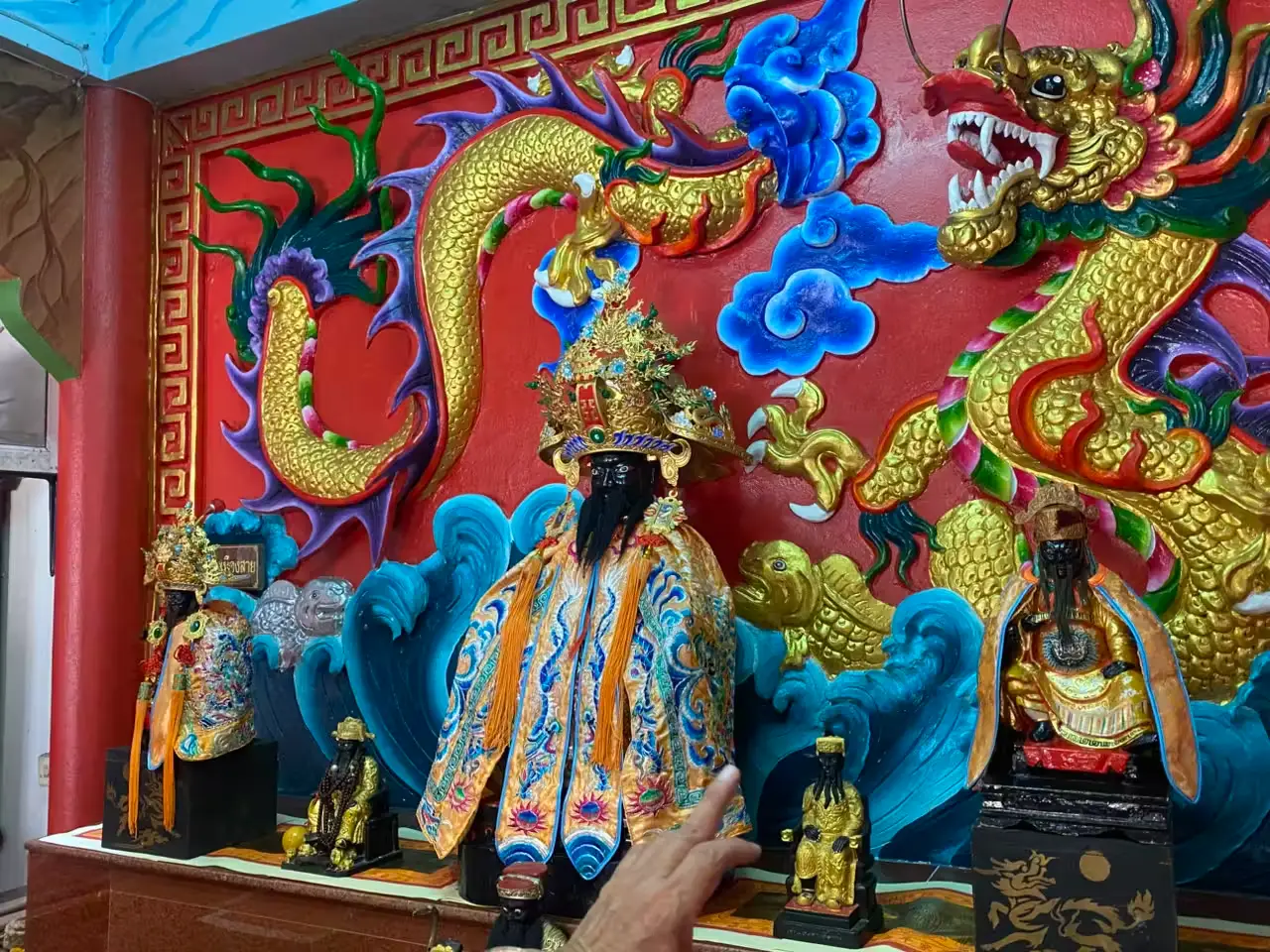
Lao Ia Kong Shrine, also known as Chay Heng Kiang Shrine or Lao Ea Kong Shrine, is one of the most important Chinese shrines in Sai Buri District, Pattani Province. It is located at 172 Sai Buri Road, Taluban Subdistrict, Sai Buri District, Pattani Province, in the old market area of Sai Buri town. The shrine is a spiritual center for the local Thai-Chinese community and for devotees from nearby areas. It is best known for its powerful local legend, the annual shrine festival, palanquin-grounding ritual, sea-crossing ceremony, fire-walking ceremony, and the way it reflects the coastal multicultural life of Sai Buri.
Lao Ia Kong Shrine is a key cultural stop for visitors who want to understand Sai Buri beyond beaches and ordinary sightseeing. The shrine is not only a place for prayer. It preserves the memory of Chinese migration, maritime trade, fishing communities, local healing beliefs, and the coexistence of Chinese, Buddhist, and Muslim communities in southern Thailand. For this reason, the shrine functions as a sacred site, a community landmark, and a living cultural archive of Sai Buri.
The deity worshipped at the shrine is locally associated with names such as Tua Lao Ia, Ti Hu Ong Ia, Lao Ia Kong, and the “Doctor Deity of Sai Buri.” Devotees believe the deity offers protection, good health, family well-being, safe travel, business success, and good fortune. Local people often refer to the deity affectionately as “Kong,” a term that expresses familiarity, respect, and closeness between the deity and the community.
The main legend begins more than 300 years ago in Ban Bang Talo, a small fishing village in Sai Buri. Local accounts say Muslim fishermen were pulling in their nets when they found a carved Chinese deity image covered with barnacles. They called Sri Rat, a Thai-Chinese Buddhist man who suffered from leprosy, to remove the image from the net. When Sri Rat carried the image, he ran across sharp coastal grass and crossed a canal without feeling his pain. He then placed the image on a pandan clump, which later became the sacred origin point of the shrine.
After the image was cleaned, incense and ritual music were used to invite the deity’s spirit to reside in it. Soon after, Sri Rat recovered from his disease. This became the miracle that shaped the shrine’s reputation. People suffering from illness began visiting the shrine to pray for healing and protection. Over time, Lao Ia Kong became widely known as the Doctor Deity of Sai Buri.
The shrine was originally located in Ban Bang Talo near Wat Liap. Later, erosion from the canal affected the site, so the shrine was moved to Paseyawo Subdistrict and became known as Ti Hu Ong Ia Shrine or Bang Talo Shrine. With the continued faith of the Sai Buri Thai-Chinese community, a permanent shrine was later built in Taluban Subdistrict, within present-day Sai Buri town. This shrine became known as Lao Ia Kong Shrine or Chay Heng Kiang Shrine. The old shrine at Bang Talo remains respected as a related sacred site.
The shrine’s identity is closely tied to Sai Buri as an old coastal town. Sai Buri has long been shaped by fishing, trade, river-mouth settlement, Chinese families, Malay Muslim communities, and local food culture. The legend of Muslim fishermen discovering the Chinese deity image is especially meaningful because it places different communities inside one shared story. The shrine therefore represents not only Chinese devotion but also the wider cultural relationship of people living along the Sai Buri coast.
The shrine building reflects traditional Chinese sacred design through red and gold colors, Chinese signboards, incense burners, ritual objects, and deity images. One of the most important objects associated with the shrine is an incense burner bearing the royal monogram of King Chulalongkorn. This object is deeply respected by the community and adds historical value to the shrine. Visitors should walk slowly, observe the details, and treat the space as an active place of worship.
The most important annual event is the Lao Ia Kong Shrine Festival, also known as the Legend of the Grounding Palanquin. It is usually held in February, about 15 days after Chinese New Year, corresponding to the second and third waning days of the third lunar month in the Thai calendar, or the fifteenth day of the first month in the Chinese calendar. The festival is one of Sai Buri’s most distinctive cultural events and attracts both devotees and cultural travelers.
The festival’s signature ritual is the grounding palanquin procession. Sacred images are placed on palanquins and carried through town. When a palanquin suddenly grounds itself, devotees believe it is a sign that the deity is satisfied or wishes to stop at that point. This ritual is visually powerful and emotionally intense because it makes the deity’s presence feel active within the community. The grounding palanquin has become one of the most recognizable features of Sai Buri’s Chinese festival tradition.
Another major ritual is the sea-crossing ceremony at Wasukri Beach. The palanquins are carried into the sea to honor the deity associated with the water realm and to remember Chinese ancestors who crossed the sea. The ritual also symbolizes purification, protection, gratitude, and community renewal. Because Sai Buri is a coastal town, this sea ritual fits the local landscape perfectly and gives the festival a character that differs from Chinese shrine festivals in inland towns.
The fire-walking ceremony is another highlight. After the procession and other rituals, the palanquins return to the shrine area for fire walking. Devotees believe the ritual removes negative influences gathered during the day and purifies the procession before the sacred images return to the shrine. The combination of fire, incense, drums, palanquins, and crowds creates one of the most powerful scenes of the festival.
The festival also includes raising the Ko Teng pole, inviting deities to descend into the palanquins, worship ceremonies, Nora performance offered to the deities, lion and dragon dances, Chinese opera, local cultural demonstrations, community markets, local products, and cultural exhibitions. This makes the festival both a religious event and a cultural tourism event that helps support the local economy of Sai Buri.
The shrine’s ritual geography extends beyond the shrine building. Festival routes connect the shrine with Wasukri Beach, the closed cave area of Salindong Bayu Mountain, the old Bang Talo shrine, and the market area of Sai Buri. During the festival, the town itself becomes a ritual landscape. For visitors, this is the best way to understand how faith connects the shrine, sea, cave, old community, market, and local identity.
Visiting on a normal day offers a quieter experience, suitable for worship, photography, and learning about the shrine. Visiting during the festival offers a much more intense experience, with processions, crowds, fire, drums, and ritual movement throughout the town. Travelers who are interested in documentary photography, Chinese shrine culture, and local ritual performance should consider visiting during the annual festival, while preparing for noise, crowds, traffic changes, and smoke from incense and firecrackers.
Visitors should behave respectfully inside the shrine. Dress modestly, speak quietly, give space to worshippers, and ask the shrine caretaker if you are unsure about the worship sequence. Do not touch deity images, offerings, ritual tools, or sacred objects without permission. Photography should be done carefully and without disturbing worshippers or ritual participants.
Getting There is straightforward from Pattani city. Take Highway 42 south toward Sai Buri District for about 50 km. Once you enter Taluban municipality, head toward Sai Buri Market and Sai Buri Road. The shrine is located in the town area. Visitors can travel by private car, hired vehicle, or local transport. During the annual festival, check traffic restrictions and parking arrangements in advance because the area around the shrine becomes crowded.
A good half-day route can start at Lao Ia Kong Shrine, then continue to the Thai-Chinese old community of Sai Buri, Sai Buri Old Palace, Salindong Bayu Mountain, and Wasukri Beach. With a full day, add Paseyawo boat-building community, the closed cave area, the Sai Buri river-mouth route, and nearby coastal food stops. This route gives visitors a fuller picture of Sai Buri through shrine culture, palace history, old Chinese community life, fishing culture, beaches, and local mythology.
Sai Buri itself is a distinctive old coastal town in Pattani. It is known for fishing, budu sauce, fish crackers, beaches, river-mouth communities, old houses, and the historic Wang Phiphit Phakdi palace. Lao Ia Kong Shrine is one of the best starting points for understanding this town because it brings together Chinese belief, coastal memory, trade history, and community ritual in one place.
Food around Sai Buri Market includes local rice salad, noodle shops, cafés, desserts, halal restaurants, and coastal food. Visitors can eat in town before or after worship. Those continuing to Wasukri Beach or Paseyawo will find additional seaside food and café options. Trying local products such as budu sauce, fish crackers, seafood, and halal dishes helps connect the trip with the real taste of Sai Buri.
For accommodation, travelers can stay in Sai Buri or near the coast if they want to attend evening or early morning festival activities. Saiburi Resort and Nee Ran Nee Resort are practical local options. Travelers who prefer more hotel services can stay in Pattani city and visit Sai Buri as a day trip, although this requires more travel time.
In summary, Lao Ia Kong Shrine or Chay Heng Kiang Shrine is one of Sai Buri’s most important cultural and religious sites. It combines Chinese devotion, a healing legend, coastal memory, the grounding palanquin ritual, sea-crossing, fire walking, and the identity of Sai Buri as a multicultural coastal town. Visitors who come respectfully will find one of Pattani’s most distinctive living cultural traditions.
| Name | Lao Ia Kong Shrine / Chay Heng Kiang Shrine |
| Location | 172 Sai Buri Road, Taluban Subdistrict, Sai Buri District, Pattani Province 94110 |
| Address | Sai Buri Market Area, Taluban Municipality, Sai Buri District, Pattani Province |
| Highlights | Important Chinese shrine in Sai Buri, healing legend, respected incense burner, annual Grounding Palanquin Festival, sea-crossing ceremony, and fire-walking ritual |
| History | The shrine is connected with a legend more than 300 years old in Ban Bang Talo. The original shrine was affected by canal erosion, leading to a related old shrine in Paseyawo and a permanent shrine later built in Taluban, Sai Buri town |
| Name Origin | Lao Ia Kong refers to the deity respected by the Sai Buri community, while Chay Heng Kiang is the Chinese shrine name used in the Sai Buri market community |
| Distinctive Features | Chinese shrine building, worship hall, deity images, incense burner, ritual courtyard, and annual festival route connecting shrine, beach, cave, and old community areas |
| Travel Information | From Pattani city, take Highway 42 toward Sai Buri District for about 50 km, then continue into Taluban Municipality and Sai Buri Market area |
| Current Status | Open for worship and still serves as the center of an important Thai-Chinese annual festival in Sai Buri |
| Open Days | Daily |
| Opening Hours | 09.00 – 16.00 |
| Fees | Free Admission |
| Facilities | Worship area, shrine courtyard, Sai Buri market area, nearby food and drink shops, cultural street and activity spaces during the annual festival |
| Main Areas / Zones | Shrine building, worship hall, Lao Ia Kong deity area, associated deity images, important incense burner, ritual courtyard, palanquin procession area, and festival route through Sai Buri town |
| Caretaker / Related Organization | Chay Heng Kiang Shrine community, Sai Buri Market community, and Taluban Municipality |
| Related Contact Number | Taluban Municipality, Tel. 073-411-015 |
| Nearby Tourist Attractions | 1. Sai Buri Thai-Chinese Old Community, about 0.3 km 2. Sai Buri Old Palace / Wang Phiphit Phakdi, about 0.5 km 3. Salindong Bayu Mountain / Closed Cave, about 1 km 4. Wasukri Beach, about 3 km 5. Sai Buri River Mouth, about 3 km 6. Paseyawo Kolae Boat-Building Community, about 5 km 7. Khae Khae Beach, about 20 km 8. Krue Se Mosque, about 45 km |
| Nearby Restaurants | 1. Khao Yam Sai Klang, about 0.3 km, Tel. 081-599-9468 2. Tiew Ka Prao, about 0.5 km, Tel. 089-877-7708 3. Plai Na Restaurant, about 1 km, Tel. 089-467-6216 4. ZN Cha & Burger, about 2 km, Tel. 084-854-4088 5. Chaokuay Heha Sai Buri Branch, about 2 km, Tel. 089-879-0477 6. P’Oum Crab Fried Rice Yaring Branch, about 55 km, Tel. 081-963-7371 |
| Nearby Accommodations | 1. Saiburi Resort, about 2 km, Tel. 086-693-1691, 081-738-1093, 073-411-915 2. Nee Ran Nee Resort, about 10 km, Tel. 086-298-1449 3. The Rooms Residence, about 50 km, Tel. 073-335-999 4. River Hotel Pattani, about 52 km, Tel. 073-333-333 5. The Wood Pattani Hotel, about 53 km, Tel. 091-479-0666 6. C.S. Pattani Hotel, about 55 km, Tel. 073-335-093 |
Frequently Asked Questions (FAQ)
Q: Where is Lao Ia Kong Shrine located?
A: Lao Ia Kong Shrine, also known as Chay Heng Kiang Shrine, is located at 172 Sai Buri Road, Taluban Subdistrict, Sai Buri District, Pattani Province, in the Sai Buri market area.
Q: What are the opening hours of Lao Ia Kong Shrine?
A: The shrine is open daily from 09.00 to 16.00. During the annual festival, visitors should check traffic routes and ritual schedules in advance.
Q: Why is Lao Ia Kong Shrine important?
A: It is an important Chinese shrine of Sai Buri’s Thai-Chinese community, known for health-related devotion, family blessings, good fortune, and the annual Grounding Palanquin Festival.
Q: When is the Lao Ia Kong Shrine Festival held?
A: The festival is usually held in February, about 15 days after Chinese New Year, corresponding to the second and third waning days of the third lunar month in the Thai calendar.
Q: What makes the Grounding Palanquin Festival special?
A: Its highlights include the grounding palanquin ritual, sea-crossing at Wasukri Beach, ritual stop at the closed cave area, and fire walking in front of the shrine.
Q: What should visitors wear to Lao Ia Kong Shrine?
A: Visitors should dress modestly, speak quietly, give space to worshippers, and ask the caretaker if they are unsure about the worship sequence.
Q: What nearby attractions can be visited with Lao Ia Kong Shrine?
A: Nearby places include Sai Buri Thai-Chinese Old Community, Sai Buri Old Palace, Salindong Bayu Mountain, Wasukri Beach, Sai Buri River Mouth, and Paseyawo Kolae boat-building community.
Q: Who should visit Lao Ia Kong Shrine?
A: It is suitable for travelers interested in Chinese shrines, Sai Buri history, local rituals, palanquin processions, sea-crossing, fire walking, and Pattani’s multicultural coastal towns.
 Category: ●Places of Worship
 Group: ●Other Sacred Sites
Last Update : 1 MonthAgo
 Last Update : 1 MonthAgo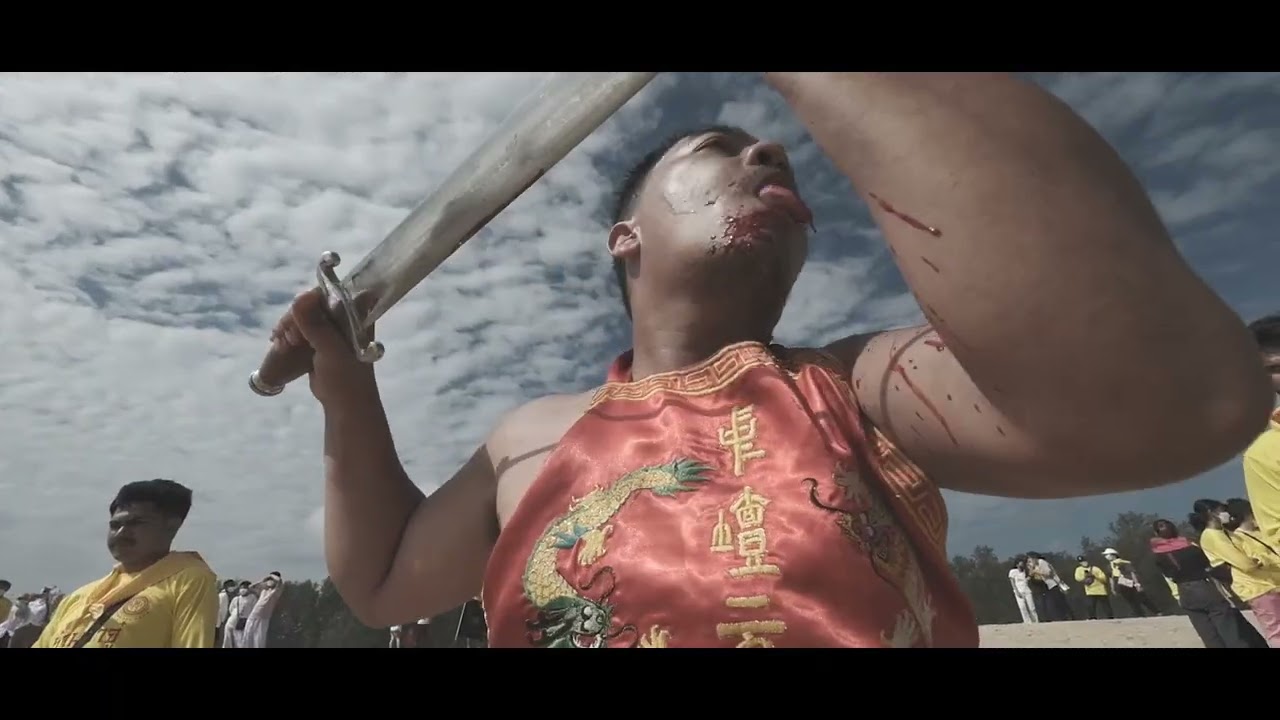
 Click to Access the Navigation Map GPS
Lao Ia Kong Shrine Map

 Art, Culture and Heritage
 Historical Sites and Monuments(3)
 Landmarks and Memorials(7)
 Royal Palace(2)
 Art, Craft Centres, Tradition(7)
 Historic Homes and Cities(1)
 Educational Places
 Museum for Study(1)
 Training Center(1)
 Temple(13)
 Mosque(5)
Other Sacred Sites(4)
Mosque(5)
Other Sacred Sites(4)
 Research and Development
 Royal Project(2)
 Suburban Living
 Village, Community(5)
 Local Market(2)
 Nature and Wildlife
 National Parks and Marine Reserves(2)
 Mountain (Doi)(3)
 Waterfalls(3)
 River, Canal(2)
 Bays and Beaches(13)
 Islands(2)
 Other natural attractions(1)
 Entertainment and Agricultural
 Farms, Parks and Ecotourism(1)
 Travel Articles, Recipes
 Travel Review, Food Review(1)
 Southern Food Menu, Southern Food Recipes(3)


