
lovethailand home >South Travel Attractions >Nakhon Si Thammarat Travel Attractions >Cha Uat >Wang Ang > Wang Nai Phut Cave
TL;DR: Wang Nai Phut Cave is located at Ban Wang Hon, Moo 5, Wang Ang Subdistrict, Cha-uat District, Nakhon Si Thammarat Province, open Daily, hours 08.00 – 17.00.
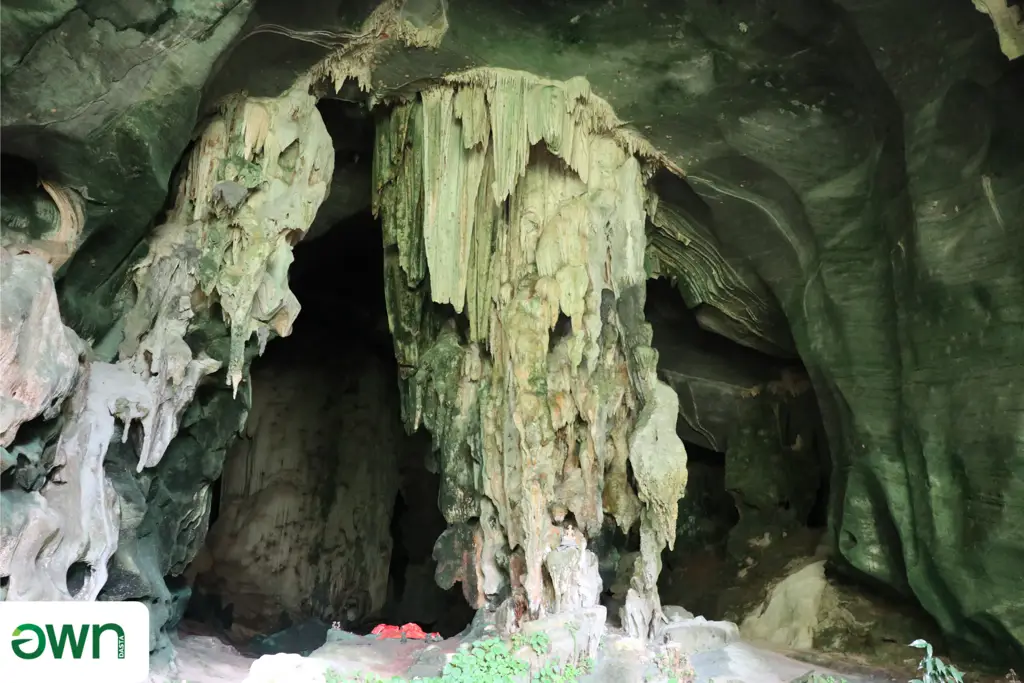
Wang Nai Phut Cave
Open Days: Daily
Opening Hours: 08.00 – 17.00
Wang Nai Phut Cave in Nakhon Si Thammarat is a natural cave located in Ban Wang Hon, Moo 5, Wang Ang Subdistrict, Cha-uat District. The cave lies within the forested headwater landscape of Ban Wang Hon, a community known for clear streams, bamboo rafting, fruit orchards, local homestays, and eco-tourism routes. According to the original attraction information, the cave entrance is about 10 meters wide and the cave interior extends for about 1,500 meters. The cave is known for limestone formations, small side passages, a broad rocky entrance area, bats, and a surrounding forest that remains rich and atmospheric.
Wang Nai Phut Cave is more of a semi-adventure natural site than a fully developed tourist cave. It is located in a forest area and has not been fully improved as an official cave route for general tourists in every section. Visitors should therefore contact a local guide before entering, especially if they wish to walk deeper into the cave or continue through to the forest beyond the cave. A safe and meaningful visit depends on proper preparation, weather awareness, and respect for local advice.
Ban Wang Hon is an old community located in a small valley surrounded by mountains. The area is closely connected with headwater forests, streams, and local agricultural life. Khlong Wang Hon and Khlong Wang Nai Phut flow from the forest toward Huai Nam Sai Reservoir and the Pak Phanang River system. For this reason, Wang Nai Phut Cave should not be viewed as an isolated cave. It is part of a wider natural system that connects mountains, caves, streams, community forests, orchards, and the everyday life of Ban Wang Hon.
Inside the cave, visitors can see stalactites, stalagmites, and limestone surfaces formed slowly by underground water and mineral deposits. These formations develop over a very long period of time. The cave contains hanging limestone, rock curtains, side chambers, and natural crevices that give the cave a layered and mysterious character. This makes Wang Nai Phut Cave suitable for visitors interested in geology, underground water, limestone landscapes, and the relationship between caves and headwater forests. These natural formations are fragile and must not be touched, broken, climbed on, or written on.
The cave entrance area has a broad rocky ground with unusual natural forms. The surrounding forest is shaded and humid, creating a quiet atmosphere suitable for travelers who appreciate less commercialized nature. One of the cave’s notable features is the presence of many smaller chambers and rock crevices. Bats also live in the cave in large numbers, so visitors should keep noise low, avoid shining bright lights at animals for too long, and avoid any behavior that may disturb the cave ecosystem.
The name “Wang Nai Phut Cave” is linked with the local story of Nai Phut, who is said to have discovered the cave first. This makes the name part of the community’s memory. In many rural areas of Thailand, natural places are named after the person who found them, a local feature, a landscape shape, or a story remembered by the community. In this case, the cave name preserves a local connection between the people of Ban Wang Hon and the surrounding forest landscape.
A visit to Wang Nai Phut Cave is often connected with the broader Ban Wang Hon community tourism route. Many travelers know Ban Wang Hon for its bamboo rafting on clear streams, but the cave adds a deeper forest dimension to the journey. It allows visitors to see the source landscape behind the streams and understand why the community is known for clean water, forests, and eco-tourism. A Ban Wang Hon itinerary can include water, forest, cave, local food, and community life in one trip.
Visitors should begin by contacting a local guide or community tourism coordinator. The cave route is not fully set up like a standard tourist cave with prepared walkways and lighting in all sections. The interior may include slippery ground, sharp rocks, dark sections, side passages, and wildlife. A local guide helps reduce risk, prevents visitors from getting lost, and provides better understanding of the cave and forest environment.
Before visiting the cave, prepare shoes with good grip, a flashlight or headlamp, waterproof phone protection, drinking water, insect repellent, clothes suitable for movement, and a bag for carrying rubbish out. During the rainy season, visitors should be especially careful because trails may be slippery and leeches may be present. Cave visits and forest walks should be done from morning to early afternoon. Late entry is not recommended, and visitors should never enter alone.
The value of Wang Nai Phut Cave extends beyond the cave itself. The surrounding area is part of the headwater forest of the Banthat mountain range. Streams originating from this landscape support community life, agriculture, bamboo rafting, and the wider Pak Phanang River basin. Keeping the cave, forest, and streams clean is therefore essential. Rubbish, damage to rocks, and disturbance to nature can affect not only the cave but also the water system and local community.
Ban Wang Hon also has strong cultural value. The community has long-standing stories about settlement in a mountain valley, fruit orchards, preserved local knowledge, and local beliefs such as the story of Thuat Nam Wian, a sacred serpent associated with the name of the village. These cultural stories make a visit to Wang Nai Phut Cave more meaningful because the cave is located within a community that has both natural and cultural heritage. Travelers who take time to understand this background will experience the place more deeply than those who only come for a quick photo stop.
Within the Ban Wang Hon route, travelers can also visit Wat Wang Hom Vipassana Ram, a respected local temple associated with Luang Pho Saeng Thammasaro. The area also offers bamboo rafting, clear streams, local food, community products, fruit orchards, and Huai Nam Sai Reservoir. This makes Ban Wang Hon suitable for eco-cultural travel, where nature, faith, food, and local livelihood are experienced together.
Wang Nai Phut Cave is best suited to prepared travelers. It is not ideal for visitors who expect a fully paved walkway, complete lighting, and easy access throughout. Those who enjoy caves, forests, eco-tourism, and community-based travel will find the cave more rewarding. The most suitable way to visit is to include the cave as part of a broader Ban Wang Hon itinerary arranged with local guides.
Important safety rules should be followed. Do not enter without a local guide. Do not go deep into side passages without route knowledge. Do not disturb bats. Do not touch or damage limestone formations. Do not enter during heavy rain or high-water conditions. Natural caves involve darkness, humidity, slippery ground, uneven rocks, and confusing passages. Following guide instructions is essential for safety.
Getting There is easiest by private car or rental car. Travel to Cha-uat District in Nakhon Si Thammarat Province, then continue to Wang Ang Subdistrict and Ban Wang Hon, Moo 5. Visitors can use Ban Wang Hon Bamboo Rafting or a community coordination point as the starting location before arranging a local guide to Wang Nai Phut Cave. The route leads into a valley community, so allow enough travel time and drive carefully, especially during the rainy season.
Travelers using public transport should first reach Cha-uat town and then arrange a local vehicle to Ban Wang Hon. Return transport should be agreed in advance because the village is not served by frequent public transport throughout the day. Mobile phone signal may also be limited in some sections, so advance coordination with the community is strongly recommended.
The best time to visit is from morning to early afternoon on a day without heavy rain. If visitors plan to combine the cave with bamboo rafting, a full-day schedule or an overnight homestay is more suitable. Staying in the community allows travelers to enjoy local food, forest atmosphere, orchard life, and the quiet rhythm of Ban Wang Hon while supporting local income directly.
Wang Nai Phut Cave is a destination for responsible travel. Visitors should not leave rubbish, remove stones, damage cave formations, disturb animals, or create new trails. Using local guides supports the community economy and helps maintain local motivation to protect the forest, streams, and cave environment. A careful visit helps preserve the cave for future travelers and for the people of Ban Wang Hon.
Overall, Wang Nai Phut Cave offers a deeper view of Nakhon Si Thammarat. It reveals a side of the province shaped by headwater forests, mountains, limestone caves, bats, clear streams, and community-based eco-tourism. With proper preparation, local guidance, and respect for nature, the cave becomes more than a scenic stop. It becomes a way to understand the connection between people, forest, water, and community life in Cha-uat District.
| Name | Wang Nai Phut Cave |
| Location | Ban Wang Hon, Moo 5, Wang Ang Subdistrict, Cha-uat District, Nakhon Si Thammarat Province |
| Address | Moo 5, Ban Wang Hon, Wang Ang Subdistrict, Cha-uat District, Nakhon Si Thammarat 80180, Thailand |
| Highlights | A natural cave in the Ban Wang Hon headwater forest with limestone formations, smaller chambers, a wide rocky entrance, many bats, and a route linked with old forest scenery |
| Name Origin | Named after Nai Phut, who is remembered locally as the first person to discover the cave |
| Distinctive Features | The cave entrance is about 10 meters wide, and the interior length is about 1,500 meters according to the original attraction record. Community tourism sources describe a visitable cave route of around 400 meters with a passage through to the other side. |
| Main Areas / Important Features | Stalactites, stalagmites, side chambers, smaller cave passages, bats, rocky entrance area, headwater forest, and Ban Wang Hon nature route |
| Travel Information | Travel to Cha-uat District, continue to Wang Ang Subdistrict and Ban Wang Hon, Moo 5, then coordinate with the community or a local guide before entering the cave. |
| Current Status | Included in the Ban Wang Hon nature tourism route, but not fully developed as an official tourist cave route in every section. A knowledgeable local guide is recommended. |
| Open Days | Daily |
| Opening Hours | 08.00 – 17.00 |
| Caretaker / Coordination Point | Ban Wang Hon Community / Ban Wang Hon Headwater Community Enterprise / Wang Ang Subdistrict Administrative Organization |
| Main Contact Number | Tha Nam Lung Dom, Tel. 087-291-5319 / Ban Wang Hon Headwater Community Enterprise, Tel. 063-191-6591, 093-794-7578 / Wang Ang SAO, Tel. 075-845-189 |
| Safety Notes | Use a local guide, do not enter alone, watch for slippery ground, sharp rocks, darkness, bats, and leeches during the rainy season. Do not touch or damage cave formations, and avoid entering during heavy rain. |
| Nearby Tourist Attractions | 1. Ban Wang Hon Bamboo Rafting, about 3 km 2. Tha Nam Lung Dom, about 3 km 3. Wat Wang Hom Vipassana Ram, about 5 km 4. Huai Nam Sai Reservoir, about 9 km 5. Nan Sawan Waterfall, about 18 km |
| Nearby Restaurants | 1. Ban Phuean Restaurant Huai Nam Sai, about 12 km 2. Krua Thip Bon Noen Cha-uat, about 28 km, Tel. 095-251-9445 3. Nong Or Kha Moo Moo Daeng Cha-uat, about 30 km, Tel. 090-242-3570 4. Baan Ton Nam, about 32 km, Tel. 075-381-066, 081-536-5355 5. Tae Raek Cha-uat, about 32 km, Tel. 062-962-9466 |
| Nearby Accommodations | 1. Ban Wang Hon Homestay, about 3 km, Tel. 063-191-6591 2. Sapkhiri Homestay, about 4 km, Tel. 062-196-3591 3. Nana Resort Cha-uat, about 32 km, Tel. 075-760-333, 084-852-4000 4. Fueang Fa Resort Cha-uat, about 33 km, Tel. 081-538-8082 5. Sap Naka Resort, about 35 km |
Frequently Asked Questions (FAQ)
Q: Where is Wang Nai Phut Cave located?
A: Wang Nai Phut Cave is located in Ban Wang Hon, Moo 5, Wang Ang Subdistrict, Cha-uat District, Nakhon Si Thammarat Province.
Q: What are the opening days and hours?
A: The cave is listed as open daily from 08.00 to 17.00.
Q: What is interesting inside Wang Nai Phut Cave?
A: The cave features limestone formations, side chambers, a wide rocky entrance, many bats, and a surrounding headwater forest environment.
Q: Is a local guide recommended?
A: Yes. A knowledgeable local guide is recommended because the cave is not fully developed as an official tourist cave route in every section, and some areas may be dark, slippery, or difficult to navigate.
Q: What type of traveler is this cave suitable for?
A: It is suitable for travelers interested in caves, forests, eco-tourism, community-based travel, and the natural landscape of Ban Wang Hon.
Q: What should visitors prepare before entering the cave?
A: Visitors should bring shoes with good grip, a flashlight or headlamp, drinking water, insect repellent, waterproof phone protection, and a bag for carrying rubbish out.
Q: What nearby attractions can be combined with Wang Nai Phut Cave?
A: Nearby attractions include Ban Wang Hon Bamboo Rafting, Tha Nam Lung Dom, Wat Wang Hom Vipassana Ram, Huai Nam Sai Reservoir, and Nan Sawan Waterfall.
 Category: ●Nature and Wildlife
 Group: ●Caves
Last Update : 1 MonthAgo
 Last Update : 1 MonthAgo
 Click to Access the Navigation Map GPS
Wang Nai Phut Cave Map
Recommend

 Art, Culture and Heritage
 Historical Sites and Monuments(9)
 Landmarks and Memorials(9)
 Royal Palace(1)
 Art, Craft Centres, Tradition(12)
 Museums(5)
 Educational Places
 Educational Gardens, Farm(2)
 Places of Worship
 Temple(44)
 Mosque(2)
 Other Sacred Sites(17)
 Research and Development
 Royal Project(2)
 Suburban Living
 Village, Community(8)
 Local Market(1)
 Floating Market(1)
 National Parks and Marine Reserves(6)
 Mountain (Doi)(11)
 Dam, Reservoir, Lake(10)
 Waterfalls(43)
 Hot Springs(1)
Caves(13)
Hot Springs(1)
Caves(13)
 River, Canal(3)
 Bays and Beaches(29)
 Islands(2)
 Other natural attractions(3)
 Entertainment and Agricultural
 Farms, Parks and Ecotourism(3)
 Outdoor and Adventure Activities(4)
 Travel Articles, Recipes
 Travel Review, Food Review(1)
 Southern Food Menu, Southern Food Recipes(18)


