
lovethailand home >North Travel Attractions >Nan Travel Attractions >Phu Pieng >Na Pang > Wat Na Pang
TL;DR: Wat Na Pang is located at Na Pang Subdistrict, Phu Phiang District, Nan Province, Thailand, open Daily, hours Open During Regular Temple Visiting Hours.

Wat Na Pang
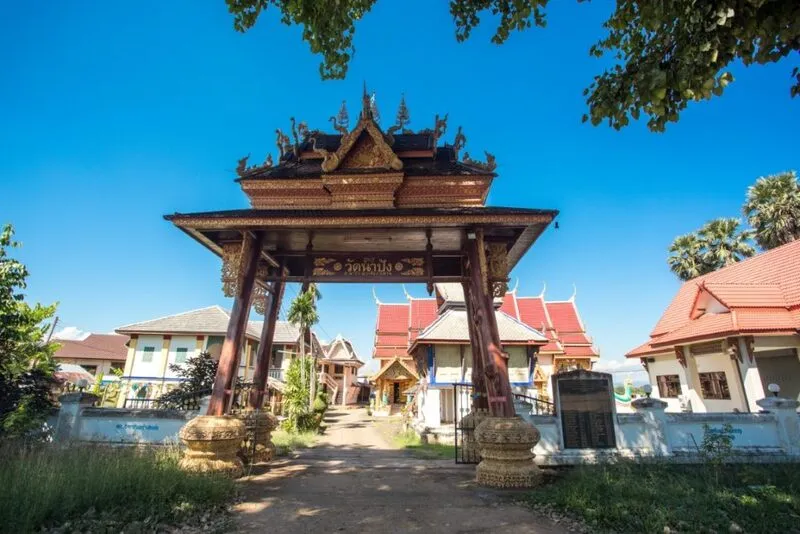
Open Days: Daily
Opening Hours: Open During Regular Temple Visiting Hours
Wat Na Pang is located in Na Pang Subdistrict, Phu Phiang District, Nan Province. It is a community temple under the Mahanikaya sect and one of the old Buddhist temples associated with local heritage near Nan town. The temple is believed to date back to the Sukhothai period and preserves several important religious objects and historic structures, including the principal Buddha image in the subduing Mara posture, Lanna-style walking Buddha images, Phra Phet, Phra Chao Than Chai, a wooden sattaphan candle stand, a dhamma pulpit, a scripture hall, and an old brick-and-plaster monk residence with Wiboon Si roof tiles.
Wat Na Pang is valuable because it is more than a small village temple. It is a local cultural site where visitors can see how Buddhist faith, Lanna art, ritual objects, old architecture, and community memory are preserved together. The temple may not be as widely known as Nan’s major landmarks, but it gives travelers a deeper view of rural Buddhist culture in Phu Phiang District.
The temple is closely connected with Ban Na Pang and nearby local communities. Like many northern Thai temples, it functions as a spiritual center for villagers, a place for merit-making, ceremonies, Dharma listening, and community gatherings. Its position within the village makes it a living temple rather than only a historical attraction. Visitors can see how religious heritage remains part of everyday community life.
The principal Buddha image in the subduing Mara posture is one of the main sacred objects inside the temple. This posture represents the Buddha’s victory over Mara before enlightenment and is deeply associated with steadiness, wisdom, and inner strength. For local worshippers, the image is a focus of faith and a reminder of moral perseverance.
The Lanna-style walking Buddha images placed on the left and right sides of the principal image are especially interesting for travelers who appreciate Buddhist art. The walking Buddha posture expresses grace, movement, and compassion. Lanna art often emphasizes calmness, elegance, and balanced form, and these images add a graceful artistic dimension to the temple interior.
Phra Phet is another important Buddha image at Wat Na Pang and is respected by local people. Sacred Buddha images in community temples often carry the faith and memory of many generations. Paying respect to Phra Phet is therefore not only an act of worship but also a way to connect with the spiritual history of Ban Na Pang.
Phra Chao Than Chai is also part of the temple’s sacred identity. In Lanna belief, Phra Chao Than Chai images are often associated with strong faith, auspicious wishes, and blessings. The presence of Phra Chao Than Chai gives Wat Na Pang another layer of local devotional meaning, especially for visitors interested in northern Thai Buddhist beliefs.
The wooden sattaphan candle stand is an important ritual object. In Lanna Buddhist culture, sattaphan is used as a candle stand for worship and ceremonial offerings. Its presence at Wat Na Pang shows that the temple has preserved not only Buddha images but also ritual objects connected with local Buddhist practice and traditional craftsmanship.
The dhamma pulpit reflects the temple’s role as a place for teaching and listening to Buddhist sermons. In northern communities, the pulpit is more than a functional object; it symbolizes the transmission of the Dharma from monks to laypeople. Its survival at Wat Na Pang helps visitors understand how the temple supported religious learning within the village.
The scripture hall, or ho trai, is another key feature of Wat Na Pang. In Lanna temples, a ho trai traditionally served as a place to preserve Buddhist scriptures, often written on palm-leaf manuscripts. The existence of a scripture hall shows the temple’s role in preserving Buddhist knowledge and local religious learning.
The old monk residence built of brick and plaster, with Wiboon Si roof tiles, adds architectural value to the temple. It reflects a period when temple buildings began using more durable construction materials while still retaining local character. Together with the scripture hall, Buddha images, pulpit, and ritual objects, this old residence helps tell the architectural history of the temple.
The atmosphere of Wat Na Pang is quiet and local. Visitors should take time to walk slowly, pay respect to the principal Buddha image, observe the Lanna-style walking Buddha images, and appreciate Phra Phet, Phra Chao Than Chai, the sattaphan, the dhamma pulpit, the scripture hall, and the old residence. The temple is best appreciated by travelers who enjoy cultural details rather than only famous photo spots.
Wat Na Pang can be combined with other cultural attractions near Nan town. Since it is located in Phu Phiang District, visitors can include it in the same route as Wat Phra That Chae Haeng, Wat Phumin, Wat Ming Muang, Nan National Museum, and Wat Phra That Khao Noi. This makes it a good stop for travelers who want to explore both major sacred sites and quieter community temples.
Getting There is convenient by private car, rental car, or local hired vehicle. From Nan town, cross the Nan River toward Phu Phiang District and continue to Na Pang Subdistrict. The temple is located within Ban Na Pang. Because the area is close to Nan town, visitors can include Wat Na Pang in a half-day cultural route around Phu Phiang and Nan old town.
Visitors should dress respectfully, behave quietly, and avoid touching old religious objects or historic structures. Some items in the temple have artistic and cultural value, so mindful travel is important. Photography should be done politely without disturbing monks, villagers, or worshippers.
Overall, Wat Na Pang is a meaningful cultural temple in Nan Province. It preserves Sukhothai-period heritage, Lanna Buddhist art, sacred Buddha images, ritual objects, a scripture hall, a dhamma pulpit, and an old temple residence in one place. A visit here helps travelers understand Nan through village-level Buddhist heritage and the quiet continuity of local faith.
| Name | Wat Na Pang |
| Location | Na Pang Subdistrict, Phu Phiang District, Nan Province, Thailand |
| Coordinates | 18.7132179891, 100.776058989 |
| Temple Type | Community Temple Under The Mahanikaya Sect |
| Highlights | Old Sukhothai-Period Temple, Principal Buddha Image In The Subduing Mara Posture, Lanna-Style Walking Buddha Images, Phra Phet, Phra Chao Than Chai, Wooden Sattaphan, Dhamma Pulpit, Scripture Hall, And Old Monk Residence |
| History | An Old Temple Believed To Have Been Established Since The Sukhothai Period, Preserving Important Buddhist Objects And Historic Structures In Na Pang Community |
| Distinctive Features | A Community Temple With Multiple Religious Objects And Historic Buildings, Including Buddha Images, Ritual Objects, A Scripture Hall, A Dhamma Pulpit, And An Old Brick-And-Plaster Monk Residence With Wiboon Si Roof Tiles |
| Main Sacred Objects | Principal Buddha Image In The Subduing Mara Posture, Lanna-Style Walking Buddha Images, Phra Phet, Phra Chao Than Chai, Wooden Sattaphan, Dhamma Pulpit, Scripture Hall, And Old Monk Residence |
| Travel Information | From Nan Town, Cross The Nan River Toward Phu Phiang District And Continue To Na Pang Subdistrict; Private Car, Rental Car, Or Local Hired Vehicle Is Recommended |
| Current Status | Active Community Buddhist Temple And Conserved Cultural Art Site In Na Pang Subdistrict, Phu Phiang District, Nan Province |
| Open Days | Daily |
| Opening Hours | Open During Regular Temple Visiting Hours |
| Nearby Tourist Attractions | 1. Wat Phra That Chae Haeng Royal Temple 8 km 2. Wat Phumin 10 km 3. Wat Ming Muang And Nan City Pillar Shrine 10 km 4. Nan National Museum 10 km 5. Wat Phra That Khao Noi 12 km |
| Nearby Restaurants | 1. Ruean Chao Nang 8 km, Tel. 061-8791626 2. Khao Soi Hoi Khaeng 8 km, Tel. 083-7620334 3. Lemongrass 10 km 4. Chom Nan Café And Bistro 10 km 5. Hua Loet Rot Khao Tom Baht Diao 10 km |
| Nearby Accommodations | 1. Nan Seasons Boutique Resort 8 km, Tel. 054-719500 2. Nan Boutique Resort 9 km, Tel. 054-059691 3. Baan Nan B&B Hotel 10 km, Tel. 065-3935936 4. Wiang Kaeo Hotel 10 km 5. Nan Nakara Boutique Hotel 10 km |
Frequently Asked Questions (FAQ)
Q: Where Is Wat Na Pang Located?
A: Wat Na Pang Is Located In Na Pang Subdistrict, Phu Phiang District, Nan Province, Thailand.
Q: Why Is Wat Na Pang Important?
A: Wat Na Pang Is An Old Temple Believed To Date Back To The Sukhothai Period And Preserves Several Important Buddhist Objects And Historic Structures.
Q: What Important Objects Can Visitors See At Wat Na Pang?
A: Visitors Can See The Principal Buddha Image, Lanna-Style Walking Buddha Images, Phra Phet, Phra Chao Than Chai, A Wooden Sattaphan, A Dhamma Pulpit, A Scripture Hall, And An Old Monk Residence.
Q: What Is Phra Phet At Wat Na Pang?
A: Phra Phet Is An Important Buddha Image Respected By The Local Community And One Of The Main Sacred Objects Associated With Wat Na Pang.
Q: Why Is The Scripture Hall At Wat Na Pang Important?
A: The Scripture Hall Reflects The Temple’s Role In Preserving Buddhist Knowledge And Local Religious Learning, Especially Through The Storage Of Buddhist Scriptures.
Q: How Can Visitors Get To Wat Na Pang?
A: From Nan Town, Cross The Nan River Toward Phu Phiang District And Continue To Na Pang Subdistrict. A Private Car, Rental Car, Or Local Hired Vehicle Is Recommended.
Q: What Kind Of Travelers Is Wat Na Pang Suitable For?
A: It Is Suitable For Travelers Interested In Old Temples, Lanna Buddhist Art, Historic Religious Objects, Scripture Halls, Dhamma Pulpits, And Cultural Routes Near Nan Town.
 Category: ●Places of Worship
 Group: ●Temple
Last Update : 5 MonthAgo
 Last Update : 5 MonthAgo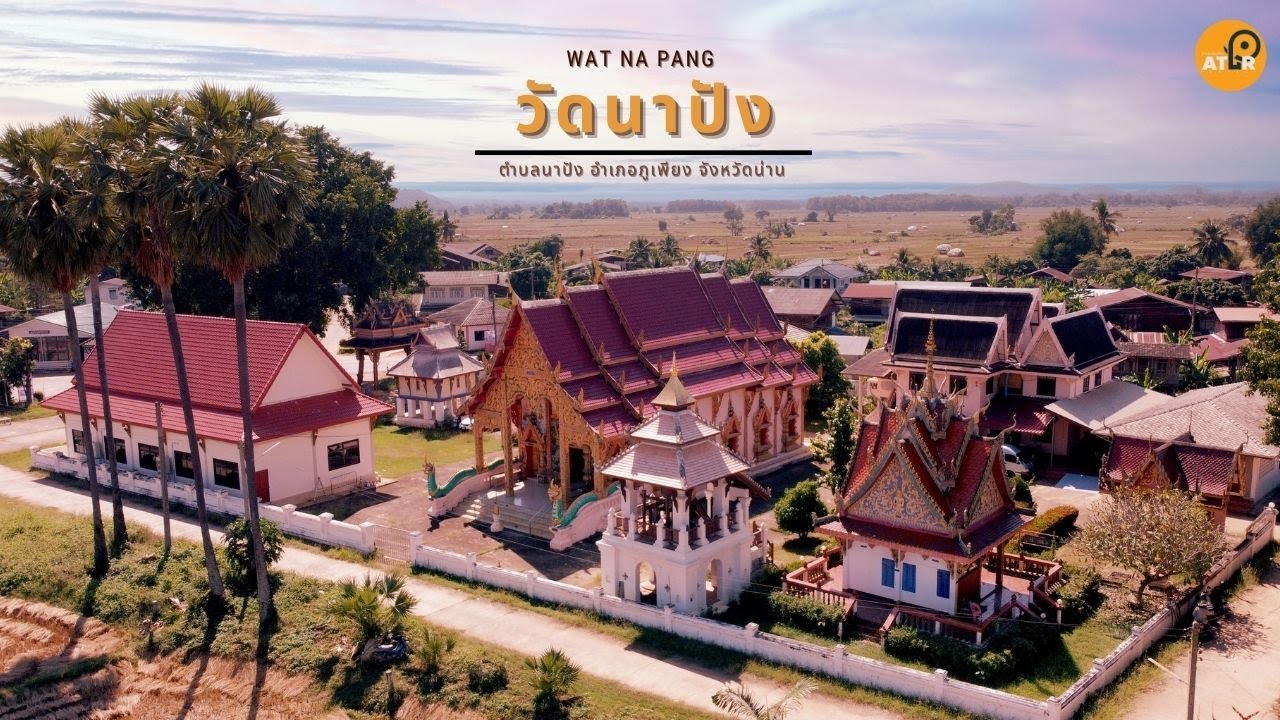
 Click to Access the Navigation Map GPS
Wat Na Pang Map
Recommend

 Art, Culture and Heritage
 Landmarks and Memorials(6)
 Art, Craft Centres, Tradition(6)
 Museums(4)
 Historic Homes and Cities(1)
 Art Gallery(1)
 Educational Places
 Educational Gardens, Farm(1)
Temple(68)
Educational Gardens, Farm(1)
Temple(68)
 Church(1)
 Other Sacred Sites(18)
 Research and Development
 Royal Project(2)
 Suburban Living
 Village, Community(13)
 Local Market(1)
 Nature and Wildlife
 National Parks and Marine Reserves(9)
 Mountain (Doi)(6)
 Dam, Reservoir, Lake(16)
 Waterfalls(28)
 Hot Springs(1)
 Caves(11)
 River, Canal(5)
 Other natural attractions(10)
 Entertainment and Agricultural
 Farms, Parks and Ecotourism(4)
 Outdoor and Adventure Activities(2)


