
lovethailand home >North Travel Attractions >Nan Travel Attractions >Phu Pieng >Fai Kaeo > Wat Buppharam
TL;DR: Wat Buppharam is located at Village No. 9, Ban Buppharam, Faikaew Subdistrict, Phu Phiang District, Nan Province, Thailand, open Open Daily, hours Visitors can enter throughout the day.
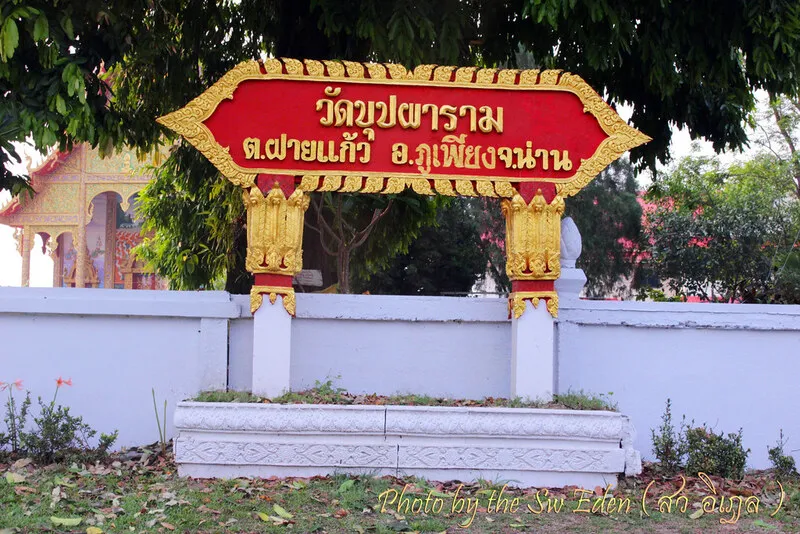
Wat Buppharam
Open Days: Open Daily
Opening Hours: Visitors can enter throughout the day
Wat Buppharam is an old community temple located in Village No. 9, Ban Buppharam, Faikaew Subdistrict, Phu Phiang District, Nan Province. The temple has deep historical connections with the traditional riverside communities of the Nan River basin. Before becoming Wat Buppharam, the temple was originally known as “Wat Saen Ta Hoi” and was located close to the riverbank of the Nan River. Over time, severe river erosion damaged the original temple grounds, forcing the villagers and the abbot at that time to relocate the temple to its present location. After the relocation, both the temple and the village were renamed “Buppharam,” creating a new identity for the community while preserving the memory and spiritual heritage of the original settlement.
Today, Wat Buppharam remains an important spiritual center for local Buddhists in Ban Buppharam and nearby villages. Although it is not one of the large tourist temples commonly featured in travel brochures, the temple holds strong cultural value because it continues to function as a living part of the community. Religious ceremonies, merit-making activities, and local traditions are still actively practiced here, making the temple an authentic representation of northern Thai village life in Nan Province.
The story of Wat Buppharam reflects the close relationship between local communities and the Nan River. In the past, riverside settlements depended heavily on the river for transportation, agriculture, and daily life. However, the same river that supported the community also brought destruction through erosion and seasonal flooding. Wat Saen Ta Hoi, the original temple, was eventually affected by the gradual collapse of the riverbank, causing major damage to the temple area. Rather than abandoning their spiritual center, the villagers worked together to move the temple to safer ground. This relocation became one of the most important moments in the history of the community.
The relocation of the temple was not simply the movement of buildings and sacred objects. In northern Thai culture, a temple serves as the heart of the village. It is a place for religious education, community gatherings, ceremonies, festivals, and local traditions. When the villagers moved the temple from its original location, they also carried with them the collective memory and identity of the community. Renaming the temple and village as “Buppharam” symbolized a fresh beginning while still preserving the spiritual continuity of the former Wat Saen Ta Hoi.
The name “Buppharam” carries a peaceful and auspicious meaning. The word “Buppha” refers to flowers, while “Aram” means a temple or peaceful sanctuary. Together, the name can be interpreted as “the temple of flowers” or “a peaceful floral sanctuary.” The name reflects the calm and serene atmosphere that visitors still experience today when visiting the temple grounds.
Wat Buppharam has a simple and quiet atmosphere typical of traditional Lanna community temples in northern Thailand. Large trees provide shade around the temple area, and the surrounding village environment remains peaceful and relaxed. Unlike heavily commercialized tourist attractions, the temple retains a genuine local character. Visitors who come here can experience the slower rhythm of village life and observe how local traditions continue to shape the community.
One of the most important sacred objects at Wat Buppharam is “Phra Chao Thong Thip Noi,” a revered Buddha image worshipped by local residents. Every year on April 17, shortly after the main Songkran Festival celebrations, villagers gather at the temple to perform the annual bathing ceremony for the Buddha image. This ritual is believed to bring blessings, happiness, prosperity, and good fortune to families and the community.
The annual bathing ceremony of Phra Chao Thong Thip Noi is one of the temple’s most significant cultural traditions. During the ceremony, local residents bring scented water, flowers, offerings, and food for merit-making activities. Families gather together, children observe the traditions of their elders, and many villagers who work outside Nan Province return home specifically to participate in the event. The atmosphere is warm, respectful, and deeply connected to the identity of the community.
In northern Thailand, water-pouring ceremonies during Songkran are not only symbolic acts of respect toward Buddha images and elders but are also seen as spiritual cleansing rituals that welcome a new beginning for the coming year. At Wat Buppharam, this tradition continues to play a major role in maintaining social bonds between generations and preserving local customs that have been passed down for decades.
Wat Buppharam is particularly appealing for travelers interested in cultural tourism, local history, and authentic village experiences. The temple offers visitors an opportunity to see a side of Nan Province beyond the famous tourist landmarks. Rather than focusing on grand architecture or large-scale attractions, the temple represents the everyday spiritual life of local people and the enduring relationship between Buddhism and rural communities.
The temple’s location in Phu Phiang District also makes it easy to include in a wider travel route around Nan Province. Visitors can conveniently combine a trip to Wat Buppharam with nearby attractions such as Wat Phra That Chae Haeng, Wat Phumin, the Nan National Museum, Wat Ming Mueang, and Nan Walking Street. Exploring both major historical sites and smaller community temples helps travelers gain a more complete understanding of Nan’s cultural heritage.
Wat Phra That Chae Haeng, located only a short distance away, is one of Nan Province’s most important religious landmarks. As a revered temple closely associated with the history of Nan, it contrasts with the more intimate atmosphere of Wat Buppharam. Visiting both temples in the same journey allows travelers to experience different layers of religious and community life in the province.
Travelers interested in history may also continue into Nan city to visit Wat Phumin and the Nan National Museum. Wat Phumin is famous for its unique architecture and the iconic “Whisper of Love” mural, while the museum provides historical background about Nan’s rulers, traditions, and cultural development. When combined with a visit to Wat Buppharam, these destinations create a broader picture of Nan’s identity, from royal history to village-level traditions.
The surrounding area of Faikaew Subdistrict still preserves much of its traditional rural atmosphere. Roads pass through local villages, agricultural land, and quiet residential areas, offering a more relaxed experience compared to the busier tourist zones in Nan city. Travelers who enjoy slow travel, photography, and observing local lifestyles may find the journey to Wat Buppharam especially rewarding.
Travel Information to Wat Buppharam is relatively straightforward. From Nan city, visitors can drive toward Phu Phiang District and continue into Faikaew Subdistrict. The temple is located within Ban Buppharam village and can be reached by private car, motorcycle, or local transportation services. The route is suitable for a half-day or full-day cultural trip around the Phu Phiang area.
The best time to visit the temple is during the morning or early afternoon, when the atmosphere is peaceful and the weather is more comfortable. Travelers interested in experiencing local traditions should consider visiting around April 17, when the annual bathing ceremony for Phra Chao Thong Thip Noi takes place. During this period, visitors can witness traditional merit-making activities and observe the close relationship between the temple and the local community.
Visitors are encouraged to dress respectfully when entering the temple grounds. Clothing should be modest, especially during religious ceremonies or local festivals. Since Wat Buppharam remains an active community temple rather than a commercial tourist site, respectful behavior and quiet observation are appreciated by local residents.
One of the most distinctive aspects of Wat Buppharam is its story of relocation from the original riverside site. This history demonstrates how communities in northern Thailand adapted to environmental challenges while preserving their spiritual identity. Even though the physical location of the temple changed, the faith, traditions, and memories connected to the original Wat Saen Ta Hoi continue to live on through the temple’s ceremonies and local narratives.
For travelers seeking meaningful cultural experiences rather than crowded tourist attractions, Wat Buppharam offers a quiet but memorable destination. The temple allows visitors to understand Nan Province through the perspective of local communities, traditional beliefs, and lived cultural heritage. Instead of being defined by monumental architecture, the value of the temple lies in its stories, rituals, and the people who continue to preserve its traditions.
Wat Buppharam therefore stands as more than just a village temple. It is a living symbol of resilience, continuity, and community faith in Nan Province. From the former riverside Wat Saen Ta Hoi to the present-day Wat Buppharam, the temple continues to connect generations of local residents through religion, memory, and tradition.
| Name | Wat Buppharam |
| Location | Village No. 9, Ban Buppharam, Faikaew Subdistrict, Phu Phiang District, Nan Province, Thailand |
| Address | 13 Moo 9, Ban Buppharam, Faikaew Subdistrict, Phu Phiang District, Nan Province 55000 |
| Highlights | Historic community temple with the annual Phra Chao Thong Thip Noi bathing ceremony held every April 17 |
| History | Originally known as Wat Saen Ta Hoi before being relocated due to erosion from the Nan River |
| Name Origin | The temple and village were renamed “Buppharam” after relocation to the present area |
| Distinctive Features | Peaceful village temple preserving local traditions and community religious life |
| Main Sacred Object | Phra Chao Thong Thip Noi Buddha image |
| Main Festival | Annual bathing ceremony of Phra Chao Thong Thip Noi on April 17 |
| Travel Information | Accessible from Nan city via Phu Phiang District and Faikaew Subdistrict |
| Current Status | Active Buddhist temple and community religious center |
| Open Days | Open Daily |
| Opening Hours | Accessible throughout the day |
| Main Contact Number | 054-772-405 |
| Nearby Tourist Attractions | 1. Wat Phra That Chae Haeng – approximately 5 km 2. Wat Phumin – approximately 8 km 3. Nan National Museum – approximately 8 km 4. Wat Ming Mueang – approximately 8 km 5. Nan Walking Street – approximately 8 km |
| Nearby Restaurants | 1. Heng Heng Heng Restaurant Faikaew – approximately 2 km. Tel. 082-160-3623 2. Nan Jai Dee Restaurant – approximately 5 km. Tel. 086-117-7644 3. Huen Faikaew by Hua Lert Ros – approximately 6 km. Tel. 088-403-1619 4. Sud Kong Dee Cafe – approximately 7 km 5. Huen Hom Restaurant – approximately 7 km 6. Khao Soi Ton Nam Nan – approximately 8 km |
| Nearby Accommodations | 1. Nan Seasons Boutique Resort – approximately 5 km. Tel. 054-719-500 2. Casa Foresta Nan – approximately 7 km. Tel. 061-273-7779 3. Namthong Nan Hotel – approximately 8 km. Tel. 054-775-777, 088-257-4413 4. PX122 DBEST HOTEL – approximately 8 km. Tel. 095-925-4365 5. Dhevaraj Hotel Nan – approximately 8 km. Tel. 054-710-212 |
Frequently Asked Questions (FAQ)
Q: Where is Wat Buppharam located?
A: Wat Buppharam is located in Ban Buppharam Village, Faikaew Subdistrict, Phu Phiang District, Nan Province, Thailand.
Q: What was the original name of Wat Buppharam?
A: The temple was originally called Wat Saen Ta Hoi before being relocated to its current location.
Q: Why was the temple relocated?
A: The original temple near the Nan River suffered severe erosion damage, forcing the community to move the temple to safer ground.
Q: What is the most important annual tradition at the temple?
A: The annual bathing ceremony of Phra Chao Thong Thip Noi on April 17 is the temple’s most important local tradition.
Q: Is Wat Buppharam suitable for cultural tourism?
A: Yes. The temple is ideal for travelers interested in local history, village culture, and authentic northern Thai traditions.
Q: Can visitors easily travel from Nan city to the temple?
A: Yes. The temple is located not far from Nan city and can be reached conveniently by private car or local transportation.
Q: What nearby attractions can be visited together with Wat Buppharam?
A: Visitors can combine the trip with Wat Phra That Chae Haeng, Wat Phumin, Nan National Museum, Wat Ming Mueang, and Nan Walking Street.
Q: What makes Wat Buppharam different from larger tourist temples?
A: The temple preserves an authentic village atmosphere and reflects the real spiritual life of the local community rather than commercial tourism.
 Category: ●Places of Worship
 Group: ●Temple
Last Update : 5 MonthAgo
 Last Update : 5 MonthAgo
 Click to Access the Navigation Map GPS
 Art, Culture and Heritage
 Landmarks and Memorials(6)
 Art, Craft Centres, Tradition(6)
 Museums(4)
 Historic Homes and Cities(1)
 Art Gallery(1)
 Educational Places
 Educational Gardens, Farm(1)
Temple(68)
Educational Gardens, Farm(1)
Temple(68)
 Church(1)
 Other Sacred Sites(18)
 Research and Development
 Royal Project(2)
 Suburban Living
 Village, Community(13)
 Local Market(1)
 Nature and Wildlife
 National Parks and Marine Reserves(9)
 Mountain (Doi)(6)
 Dam, Reservoir, Lake(16)
 Waterfalls(28)
 Hot Springs(1)
 Caves(11)
 River, Canal(5)
 Other natural attractions(10)
 Entertainment and Agricultural
 Farms, Parks and Ecotourism(4)
 Outdoor and Adventure Activities(2)


