
lovethailand home >North Travel Attractions >Nan Travel Attractions >Phu Pieng >Na Pang > Wat Muang Mai
TL;DR: Wat Muang Mai is located at Ban Muang Mai, Village No. 3, Na Pang Subdistrict, Phu Phiang District, Nan Province, Thailand, open Daily, hours Open During Regular Temple Visiting Hours.

Wat Muang Mai
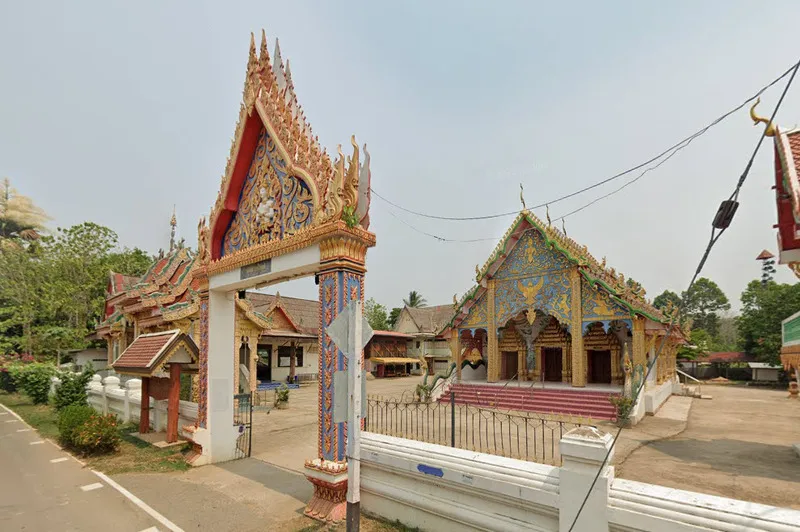
Open Days: Daily
Opening Hours: Open During Regular Temple Visiting Hours
Wat Muang Mai is located in Village No. 3, Na Pang Subdistrict, Phu Phiang District, Nan Province. It is a community temple under the Mahanikaya sect. The temple was officially established in 1872 and received its royal boundary designation in 1919. Wat Muang Mai is an old village temple with important local history, especially its relocation from the area of today’s Ban Muang Mai School to the present temple site. Evidence of this history is preserved on a Tripitaka chest, also known locally as a scripture chest, and beneath the base of a Buddha image.
The temple is meaningful for travelers who want to understand Nan beyond its major tourist landmarks. Wat Muang Mai is not a grand royal temple, but it is a living community temple that preserves the memory of Ban Muang Mai. It has served as a place for worship, merit-making, Buddhist ceremonies, Dharma listening, and community gatherings for generations. Its value lies in continuity, local faith, and the historical traces kept within the temple.
Originally, Wat Muang Mai was located where Ban Muang Mai School stands today. The reason for the relocation is not recorded, but the temple moved to its current location in 1872, or Chula Sakarat 1234. This date is recorded on the side of the Tripitaka chest and beneath the base of a Buddha image. These inscriptions make the temple especially interesting because its history is preserved through religious objects rather than only through written documents.
The first recorded abbot was Phra Athikan Phichai Aphi Punyo. After his passing, Phaya Na, also known as Ban Bhikkhu or Khru Ba Yana, became the next abbot. These early abbots played important roles in maintaining the temple and guiding the local community. In northern Thai villages, abbots were often both spiritual leaders and community figures who helped preserve religious practice, moral learning, and village identity.
In 1915, the viharn was rebuilt. Evidence of this restoration is recorded on the side of a bell hanging near the chofa and bai raka decorations of the present viharn. The same record notes that a major temple celebration was held, with Chao Uttrakarn, an internal official of the ruler of Nan, presiding over the celebration. This event shows that Wat Muang Mai had significance beyond the village level and was connected with the wider political and cultural network of old Nan.
The restoration of the viharn in 1915 was an important moment for the temple. The viharn is the main space for worship, listening to sermons, and community ceremonies. Rebuilding it meant strengthening the spiritual center of Ban Muang Mai. The record preserved on the bell also gives the temple an additional historical value, as it shows how local communities recorded important events through objects within the temple.
In 1919, Wat Muang Mai built its ubosot, received its royal boundary designation, placed the boundary stones, and celebrated the ubosot in the same year. This was a major religious milestone. The royal boundary designation allowed formal monastic ceremonies to be performed within the temple’s sacred boundary, confirming its status as a fully functioning Buddhist temple for the community.
Wat Muang Mai is closely connected with Na Pang Subdistrict, an area in Phu Phiang District that contains several old community temples and cultural sites. It can be visited together with Wat Nam Lat, Wat Na Pang, and Wat Phra That Chae Haeng. This makes the temple a useful stop for travelers who want to explore village-level Buddhist heritage near Nan town.
The atmosphere of Wat Muang Mai is quiet, local, and community-oriented. Visitors can pay respect, observe the viharn and ubosot, and learn about the temple’s relocation and restoration history. Its appeal is not based on grandeur, but on the way it preserves local memory through temple objects, religious buildings, and community faith.
Getting There is convenient by private car, rental car, or local hired vehicle. From Nan town, cross the Nan River toward Phu Phiang District and continue to Na Pang Subdistrict and Ban Muang Mai. The temple is located in Village No. 3. It can be combined with nearby temples and cultural attractions in a half-day route around Phu Phiang and Nan old town.
Visitors should dress respectfully and behave quietly within the temple grounds. Since Wat Muang Mai is an active community temple, visitors should avoid disturbing monks or villagers during religious activities. If photographing religious objects or temple ceremonies, it is best to do so politely and with respect.
The best time to visit is in the morning or late afternoon, when the weather is more comfortable and the village atmosphere is calm. Visitors interested in local history should pay attention to the temple’s story of relocation, the Tripitaka chest, the Buddha image inscription, the viharn restoration, and the ubosot construction in 1919.
Overall, Wat Muang Mai is a valuable old community temple in Nan Province. Its official establishment in 1872, royal boundary designation in 1919, evidence on religious objects, viharn restoration in 1915, and ubosot construction in 1919 make it a meaningful stop for travelers interested in village temples, local Buddhist history, and cultural routes near Nan town.
| Name | Wat Muang Mai |
| Location | Ban Muang Mai, Village No. 3, Na Pang Subdistrict, Phu Phiang District, Nan Province, Thailand |
| Address | Village No. 3, Na Pang Subdistrict, Phu Phiang District, Nan Province 55000 |
| Temple Type | Community Temple Under The Mahanikaya Sect |
| Highlights | Old Community Temple Of Ban Muang Mai, Relocation History, Tripitaka Chest Inscription, Buddha Image Base Inscription, Viharn Restored In 1915, And Ubosot Built In 1919 |
| History | Officially Established In 1872 And Received Its Royal Boundary Designation In 1919 |
| Distinctive Features | Originally Located At The Present Ban Muang Mai School Area Before Moving To The Current Site In 1872, According To Records On A Scripture Chest And Beneath A Buddha Image Base |
| Main Sacred Objects | Viharn, Ubosot, Tripitaka Chest Or Scripture Chest, Bell With Viharn Restoration Record, And Buddha Image With Base Inscription |
| Travel Information | From Nan Town, Cross The Nan River Toward Phu Phiang District And Continue To Na Pang Subdistrict And Ban Muang Mai; Private Car, Rental Car, Or Local Hired Vehicle Is Recommended |
| Current Status | Active Community Buddhist Temple In Ban Muang Mai, Na Pang Subdistrict, Phu Phiang District, Nan Province |
| Open Days | Daily |
| Opening Hours | Open During Regular Temple Visiting Hours |
| Abbot / Caretaker | Phra Inkhian Khantiphalo |
| Main Contact Number | 084-0406613, 054-793319 |
| Official Website / Official Page | Wat Muang Mai Official Facebook Page |
| Nearby Tourist Attractions | 1. Wat Nam Lat 2 km 2. Wat Na Pang 2 km 3. Wat Phra That Chae Haeng Royal Temple 9 km 4. Wat Phumin 11 km 5. Nan National Museum 11 km |
| Nearby Restaurants | 1. Ruean Chao Nang 9 km, Tel. 061-8791626 2. Khao Soi Hoi Khaeng 9 km, Tel. 083-7620334 3. Lemongrass 11 km 4. Chom Nan Café And Bistro 11 km 5. Hua Loet Rot Khao Tom Baht Diao 11 km |
| Nearby Accommodations | 1. Nan Seasons Boutique Resort 9 km, Tel. 054-719500 2. Nan Boutique Resort 10 km, Tel. 054-059691 3. Baan Nan B&B Hotel 11 km, Tel. 065-3935936 4. Wiang Kaeo Hotel 11 km 5. Nan Nakara Boutique Hotel 11 km |
Frequently Asked Questions (FAQ)
Q: Where Is Wat Muang Mai Located?
A: Wat Muang Mai Is Located In Village No. 3, Na Pang Subdistrict, Phu Phiang District, Nan Province, Thailand.
Q: When Was Wat Muang Mai Established?
A: Wat Muang Mai Was Officially Established In 1872 And Received Its Royal Boundary Designation In 1919.
Q: Where Was Wat Muang Mai Originally Located?
A: The Temple Was Originally Located In The Area Of Today’s Ban Muang Mai School Before Moving To Its Present Site In 1872.
Q: What Historical Evidence Is Associated With Wat Muang Mai?
A: Important Evidence Includes Records On A Tripitaka Chest Or Scripture Chest, An Inscription Beneath A Buddha Image Base, And A Bell Record Near The Viharn Decorations.
Q: What Happened At Wat Muang Mai In 1915?
A: The Viharn Was Rebuilt In 1915, And A Major temple celebration was held with Chao Uttrakarn, an official connected with the ruler of Nan, presiding over the ceremony.
Q: How Can Visitors Get To Wat Muang Mai?
A: From Nan Town, Cross The Nan River Toward Phu Phiang District And Continue To Na Pang Subdistrict And Ban Muang Mai. A Private Car, Rental Car, Or Local Hired Vehicle Is Recommended.
Q: What Kind Of Travelers Is Wat Muang Mai Suitable For?
A: It Is Suitable For Travelers Interested In Old Community Temples, Village Buddhist History, Scripture Chest Evidence, Na Pang Cultural Routes, And Quiet Temples Near Nan Town.
 Category: ●Places of Worship
 Group: ●Temple
Last Update : 5 MonthAgo
 Last Update : 5 MonthAgo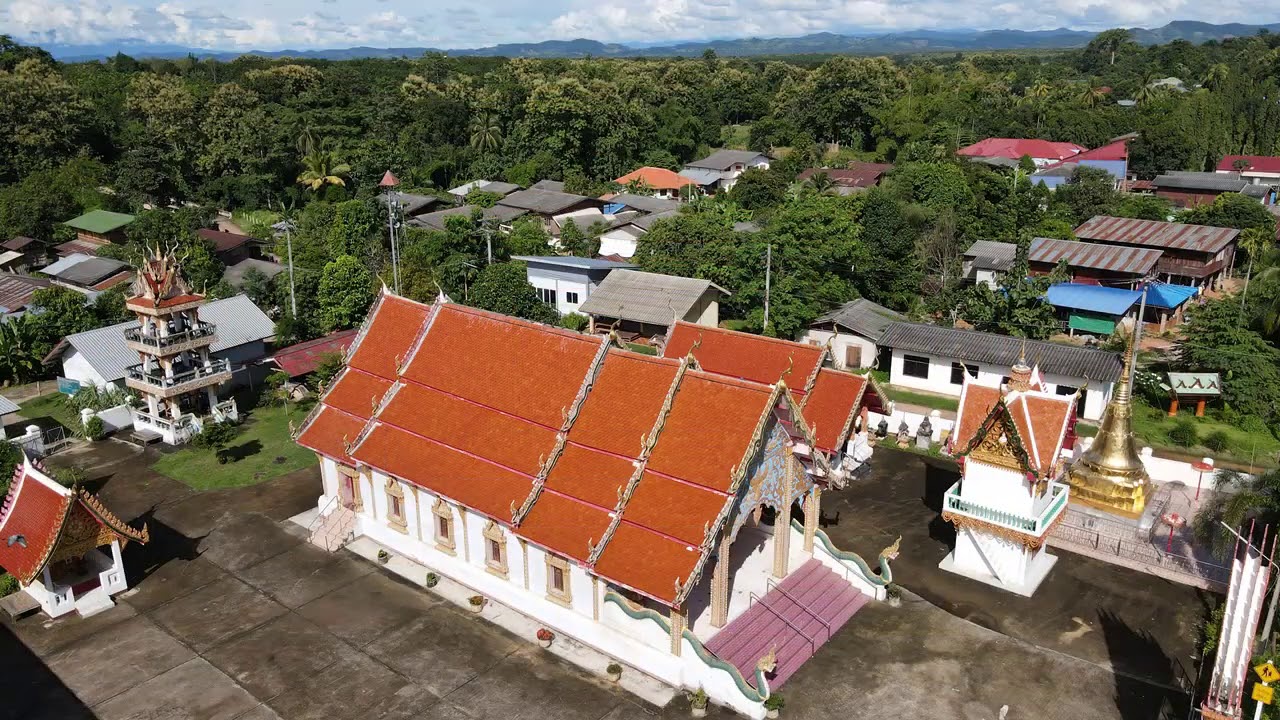
 Click to Access the Navigation Map GPS
Wat Muang Mai Map
Recommend

 Art, Culture and Heritage
 Landmarks and Memorials(6)
 Art, Craft Centres, Tradition(6)
 Museums(4)
 Historic Homes and Cities(1)
 Art Gallery(1)
 Educational Places
 Educational Gardens, Farm(1)
Temple(68)
Educational Gardens, Farm(1)
Temple(68)
 Church(1)
 Other Sacred Sites(18)
 Research and Development
 Royal Project(2)
 Suburban Living
 Village, Community(13)
 Local Market(1)
 Nature and Wildlife
 National Parks and Marine Reserves(9)
 Mountain (Doi)(6)
 Dam, Reservoir, Lake(16)
 Waterfalls(28)
 Hot Springs(1)
 Caves(11)
 River, Canal(5)
 Other natural attractions(10)
 Entertainment and Agricultural
 Farms, Parks and Ecotourism(4)
 Outdoor and Adventure Activities(2)


