
lovethailand home >Eastern Travel Attractions
>Prachin Buri Travel Attractions >Muang Prachin Buri
>Bang De Cha
> Wat Hua Krod
TL;DR: Wat Hua Krod. is an old Buddhist temple located in Moo 5, Bang Decha Subdistrict, Mueang Prachinburi District, Prachinburi Province. It is a community.
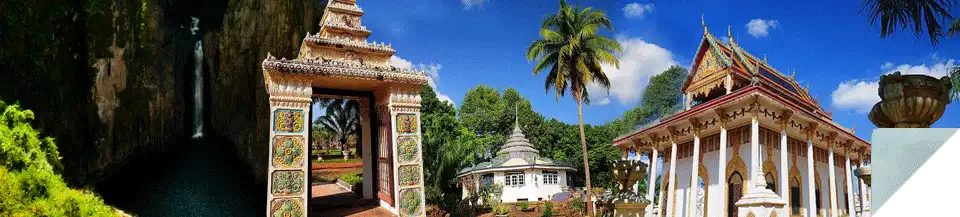
Wat Hua Krod
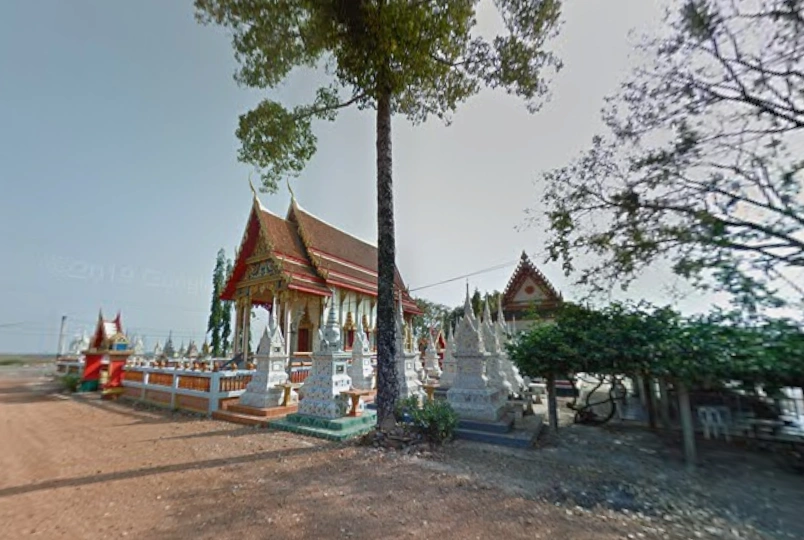
Operating day: Daily
Operating time: 08.00 - 17.00
Wat Hua Krod is an old Buddhist temple located in Moo 5, Bang Decha Subdistrict, Mueang Prachinburi District, Prachinburi Province. It is a community temple with a history dating back more than a century, first established in 1912 by Phra Ajarn Huap together with local villagers who donated land to create a place of worship and community gathering. From the beginning, the temple was built not only to serve as a religious site but also to be the spiritual center of the surrounding community, a place where people came together to perform ceremonies, seek blessings, and preserve Buddhist traditions. Over the years, the temple gradually developed, with several buildings and structures constructed through the continuous faith and generosity of local people. On April 2, 1987, Wat Hua Krod was officially granted Wisungkhamsima, which recognized it as a complete temple under the Buddhist order and allowed it to perform all monastic ceremonies according to religious law.
The temple covers an area of about 5 rai and 58 square wah, which is modest in size but rich in cultural and spiritual significance. Among its many structures, the ordination hall stands out as the most important. Built in 1982 from reinforced concrete, the ordination hall measures 22.6 meters wide and 42.5 meters long, and is used for important ceremonies such as ordinations. The prayer hall, built of wood, measures 19.5 by 26.5 meters and houses two Buddha images, each 25 inches wide and 44 inches high. Another structure is the wooden chanting hall, measuring 12.3 by 14.7 meters, where monks and laypeople gather for evening chanting and meditation. The vihara, a long reinforced concrete building 4.3 meters wide and 82 meters long, is home to an old sacred Buddha image known as Luang Pho Yim, believed to have been constructed in 1924 and still highly revered today. There is also the “Phra Khun Mae Chedi,” a large chedi built in 1993 measuring 13.8 by 14 meters, which stands as a symbol of gratitude and remembrance. The temple also contains seven monks’ residences, five built of wood and two made of concrete, as well as two kitchens, a riverside pavilion, and a concrete bell tower which also houses a large drum used to announce religious events.
What makes Wat Hua Krod most famous and the main reason visitors come here is the sacred statue of Thao Wessuwan, known as “Bundan Sap” or “The Wealth Bringer.” This statue, about 197 centimeters tall, was cast from an alloy of bronze and gold, and is believed to bring fortune, prosperity, and protection to those who worship it. Local belief tells that this statue is the “younger brother” of another statue of Thao Wessuwan named “Sermsuwan,” enshrined at Wat Sang-ngam in Bang Boribun Subdistrict of Prachinburi. Because of this, many devotees choose to pay respect to both temples in one trip, believing that doing so will complete the cycle of blessing. Worshippers often bring red roses, red garlands, and red-colored drinks as offerings, since red is considered a color of strength and auspiciousness. On days of special ceremonies, the temple becomes filled with worshippers participating in the ritual, and the atmosphere is one of intense faith and sacred energy.
Apart from Thao Wessuwan, the temple also houses other important religious objects. The principal Buddha image in the ordination hall is a large figure measuring 151 inches across the lap and 180 inches tall. The prayer hall contains two medium-sized Buddha statues, while the vihara is home to Luang Pho Yim, the ancient Buddha image that locals have long respected. All of these sacred images together make Wat Hua Krod a place of both historical depth and living faith.
Visitors often describe the atmosphere of Wat Hua Krod as peaceful and shaded, with large trees providing a calm environment suitable for meditation and contemplation. The ringing of the temple bell at dawn and dusk adds to the sense of serenity. The temple is not just a place of worship but also a hub of community activity. Annual events such as the Kathina ceremony, in which monks receive new robes, are major community gatherings. In 2024 the temple joined the nationwide project “Kathina across 10,000 temples,” with its own ceremony held on October 27. Other important events include the New Year’s chanting ceremony, annual worship ceremonies for Thao Wessuwan, and Buddhist holy days such as Visakha Bucha, Magha Bucha, and Asalha Bucha. During these occasions, the temple is filled with people from near and far, creating an atmosphere of unity and shared merit-making.
The temple also plays a broader role in community life, offering moral and spiritual education to children, hosting meditation training, and serving as a center for resolving community issues. Families in Bang Decha Subdistrict have close ties to the temple, with many having stories of relatives who ordained here, donated to its upkeep, or regularly attend its ceremonies. This deep connection has helped Wat Hua Krod remain not just a place of worship but a living part of the social and cultural fabric of Prachinburi.
Travel to Wat Hua Krod is straightforward. From downtown Prachinburi, visitors can take Siri Phon Road, which leads directly to Bang Decha Subdistrict, reaching the temple in about ten minutes by car or motorcycle. From Bangkok, the journey takes about two and a half hours by car via Highway 33 (Suwannason Road), which passes through several provinces before reaching Prachinburi. Once in the city, it is only a short drive to the temple. For those without private transport, buses and vans run regularly from Bangkok to Prachinburi town, from where one can take a motorcycle taxi or local transport to the temple. Another option is the train, with Prachinburi Railway Station located not far from the temple, making it convenient for visitors to continue by local taxi or two-row truck.
Wat Hua Krod therefore represents more than just a sacred site; it embodies the enduring faith of a community, the continuity of Buddhist tradition, and the cultural heritage of Prachinburi. For those seeking spiritual peace, wishing to pay homage to sacred statues, or desiring to learn about local history, this temple is a destination that offers both spiritual enrichment and cultural insight.
| Name | Wat Hua Krod |
| Location | Moo 5, Bang Decha Subdistrict, Mueang Prachinburi District, Prachinburi Province, Thailand |
| Characteristics | Community temple under the Mahanikaya sect |
| Period | Founded in 1912, granted Wisungkhamsima in 1987 |
| Key Evidence | Statue of Thao Wessuwan “Bundan Sap,” Luang Pho Yim Buddha image, ordination hall, Phra Khun Mae Chedi |
| Name Origin | Named after the nearby Hua Krod Canal |
| Travel | 10 minutes from Prachinburi town via Siri Phon Road, 2.5 hours from Bangkok via Highway 33, also accessible by bus or train |
| Current Status | Active temple for religious ceremonies and community events |
| Contact Number | 08-0784-6400, 086-3818794 |
FAQ
Q: When was Wat Hua Krod established?
A: The temple was founded in 1912 by Phra Ajarn Huap and local villagers.
Q: What is the most sacred object at Wat Hua Krod?
A: The statue of Thao Wessuwan called “Bundan Sap” and the ancient Buddha image Luang Pho Yim.
Q: Is Wat Hua Krod still active today?
A: Yes, the temple is still active as a place for monastic ceremonies, annual merit-making, and community gatherings.
Q: How can visitors travel to Wat Hua Krod?
A: From Prachinburi town, it is a 10-minute drive via Siri Phon Road. From Bangkok, it takes about 2.5 hours by car via Highway 33. Visitors can also take buses or trains to Prachinburi and continue by local transport to the temple.
 Category: ●Places of Worship
 Group: ●Temple
 Last Update : 7 MonthAgo
 Click to Access the Navigation Map GPS
 Art, Culture and Heritage
 Historical Sites and Monuments(
 Landmarks and Memorials(
 Royal Palace(
 Art, Craft Centres, Tradition(
 Museums(
 Art Gallery(
 Educational Places
 Educational Gardens, Farm(
 Other religious and spiritural sites(
 Research and Development
 Royal Project(
 Suburban Living
 Village, Community(
 Local Market(
 Nature and Wildlife
 National Parks and Marine Reserves(
 Mountain (Doi)(
 Dam, Reservoir, Lake(
 Waterfalls(
 Caves(
 River, Canal(
 Bays and Beaches(
 Entertainment and Agricultural
 Farm, Parks, Gardens and Ecotourism(
 Outdoor and Adventure Activities(


