
lovethailand home >Northeastern Travel Attractions >Si Sa Ket Travel Attractions >Kan Thora Rak >Tra Kat > Rambutan-Durian Garden
TL;DR: Rambutan-Durian Garden, Si Sa Ket attractions : Entertainment and Agricultural, Farms, Parks and Ecotourism.

Rambutan-Durian Garden
Open Days: Seasonal Opening During The Fruit Harvest Period, Especially In June Each Year
Opening Hours: Visiting Hours Follow The Seasonal Opening Schedule Of Local Orchards And Community Tourist Service Points
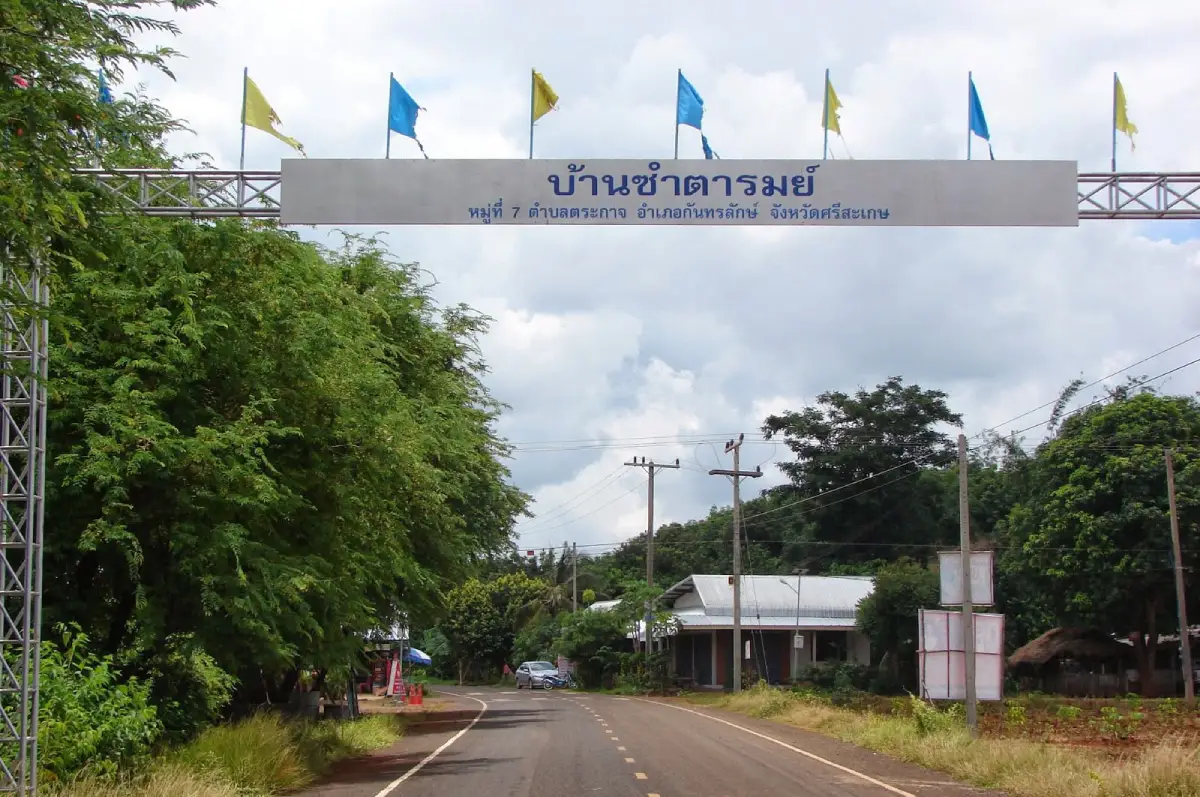
Ban Sam Ta Rom Rambutan and Durian Orchards in Si Sa Ket are among the most distinctive agro-tourism destinations in Trakaj Subdistrict, Kantharalak District, Si Sa Ket Province. Located around Ban Sam Ta Rom and nearby farming areas along the Chok Chai – Det Udom Road, this fruit-growing community welcomes travelers during the harvest season to experience orchard visits, taste seasonal fruit, and buy produce directly from local farmers. The most attractive period is June each year, when rambutan, durian, longkong, and other local fruits come to market in large quantities. The area is known not only for rambutan and durian, but also for sataw, longkong, rubber, mango, pomelo, shallots, garlic, and other agricultural products that reflect the richness of southern Isan farming.
Ban Sam Ta Rom is located in Trakaj Subdistrict, one of the important agricultural areas of Kantharalak District. This part of Si Sa Ket is closely connected with the Phanom Dong Rak mountain range and soil conditions suitable for many fruit trees. The wider Kantharalak area is strongly associated with Si Sa Ket volcanic durian, one of the province’s best-known agricultural products. A visit to Ban Sam Ta Rom is therefore more than a shopping trip for fruit. It is a journey to the source of production, where travelers can see real orchards, meet local growers, and understand how soil, water, climate, season, and farming knowledge shape the taste of local fruit.
The community has developed as a pilot agro-tourism village, with a tourist service point around Ban Si Udom on the main Chok Chai – Det Udom route. This service point helps travelers connect with local orchards, fruit markets, and seasonal activities. Because many orchards are privately owned by farmers, the service point plays an important role in organizing visits, giving route information, and helping visitors find orchards that are open during the harvest period. This makes the trip easier and more orderly, especially for travelers who are not familiar with rural roads or seasonal fruit schedules.
The reputation of Ban Sam Ta Rom comes mainly from rambutan and durian. Rambutan bought close to the orchard is fresh and seasonal, while durian from Kantharalak and nearby districts carries the strong identity of Si Sa Ket’s fruit-growing landscape. These fruits are not just products; they represent the geography and agricultural culture of southern Isan. Local farmers have learned how to grow, maintain, harvest, and sell fruit according to seasonal conditions. For travelers, walking through the orchard creates a deeper appreciation of the work behind every fruit they taste.
June is the best month to visit Ban Sam Ta Rom because it is the main harvest season. During this period, the village, roadside fruit market, and orchard areas become more active. Visitors can see fruit being harvested, sorted, transported, and sold. The atmosphere is lively because growers, buyers, and travelers all gather around the seasonal produce. This is the time when the community’s identity as a fruit village becomes clearest. Travelers who come in June experience the most complete version of Ban Sam Ta Rom’s agro-tourism character.
Si Sa Ket durian is widely recognized through its association with volcanic soil. The fruit-growing belt in southern Si Sa Ket, especially around Kantharalak, Khun Han, and nearby areas, has become famous for durian grown in mineral-rich conditions. Ban Sam Ta Rom reflects this broader provincial identity. It shows that Si Sa Ket is not only a province of temples, border landscapes, and historical routes, but also a strong agricultural province with fruit, food, and orchard life as part of its travel appeal.
Orchard tourism is different from visiting a permanent tourist attraction. The experience depends on the real agricultural cycle. At different times, visitors may see young fruit, fruit ready for harvest, freshly picked produce, or roadside fruit stalls. This seasonal change gives the visit life and authenticity. The best experience comes during the harvest season, when fruit appears both on trees and in the market. Travelers can connect the tree, the farmer, the fruit, and the final taste in one journey.
Ban Sam Ta Rom is not limited to rambutan and durian. Its agricultural landscape includes longkong, mango, pomelo, sataw, shallots, garlic, rubber, and other local crops. This diversity shows that the community does not depend on a single plant. Fruit trees, seasonal crops, and economic crops all contribute to household livelihoods. For visitors, this makes the area a useful place to understand mixed agriculture in southern Isan. A walk through the orchards or a stop at the roadside market reveals how local farming combines food, income, seasonality, and community knowledge.
The main activities are orchard visits, fruit tasting, and buying produce directly from growers. Tasting fruit at the source feels different from buying it in a city market because travelers see where it grows and meet the people who grow it. Farmers understand their own fruit best. They can explain ripeness, storage, transport, and the best time to eat each fruit. Buying directly from the orchard also keeps more income within the community and reduces the distance between producer and consumer.
The roadside fruit market at Ban Sam Ta Rom, Village No. 7, along the Chok Chai – Det Udom Road is an important part of the area’s fruit economy. Travelers passing through the route can stop to buy seasonal fruit, especially during the rambutan and durian period. The market makes local produce more accessible and gives Ban Sam Ta Rom a strong identity as a fruit stop on the road. Even travelers without enough time for a full orchard visit can still taste the area through fruit bought directly from local sellers.
The tourist service point around Ban Si Udom supports community-based tourism management. Since orchards belong to individual farmers, visitors need proper guidance before entering. The service point helps connect travelers with open orchards, available produce, and suitable routes. It also helps farmers manage visitors according to the condition of the orchard and the amount of fruit available. This approach keeps the experience practical and respectful, while allowing the community to benefit from tourism in a controlled way.
A visit to Ban Sam Ta Rom is best suited for travelers who are interested in real farming life. The experience is not only about taking photographs with fruit trees. It is about seeing how orchards work, how fruit is selected, how farmers wait for the right season, and how a community turns agricultural produce into a local tourism opportunity. Talking with growers helps visitors understand the patience, labor, and knowledge behind fruit production. This gives the fruit a deeper meaning beyond its taste.
The name Ban Sam Ta Rom also has local meaning. The word “sam” refers to a natural water seep that exists throughout the year, while “Ta Rom” refers to a respected person remembered by local villagers. The name reflects a connection between water, settlement, memory, and farming. This background gives the fruit village a cultural layer. Visitors are not only entering an orchard area; they are entering a community shaped by water sources, agricultural land, and shared local history.
At the provincial level, Ban Sam Ta Rom is part of Si Sa Ket’s agro-tourism image. The province has developed a strong reputation for volcanic durian and seasonal fruit from areas near the Phanom Dong Rak range. Recent seasonal activities in Trakaj Subdistrict continue to promote the durian harvest, farmer communication, and agricultural quality. This ongoing movement confirms the importance of fruit production in the area and strengthens the connection between farming, tourism, and local economic development.
For food-focused travelers, Ban Sam Ta Rom is an excellent destination during fruit season. Visitors can taste fresh rambutan, durian, longkong, mango, or pomelo and buy fruit from the production area. Buying directly from growers gives travelers clearer information about ripeness, quality, and transport. It also allows them to choose fruit according to their needs, whether for eating immediately, carrying home, or buying as gifts. This practical connection between orchard and consumer is one of the strongest values of agro-tourism.
For families with children, the orchard visit is an outdoor classroom. Children learn that fruit does not simply come from markets, baskets, or supermarkets. It begins with trees, flowers, young fruit, care, waiting time, and harvest. Seeing real orchards helps children understand nature, agriculture, and the work of farmers. They can observe leaves, fruit shapes, soil, insects, shade, and seasonal change. This makes the visit useful for both recreation and learning.
For travelers exploring Kantharalak, Ban Sam Ta Rom adds a valuable agricultural dimension to the trip. Many visitors come to the district for Pha Mo I Daeng, Khao Phra Wihan National Park, temples, and natural attractions near the border. Adding a fruit orchard stop creates a more varied itinerary. It allows travelers to experience mountains, culture, local food, fruit, and community farming in the same journey. This makes the trip more complete and more closely connected to local life.
The Chok Chai – Det Udom Road is central to the travel experience. This main route connects local movement, agricultural trade, and visitor access. During fruit season, fruit stalls, orchard signs, and produce movement give the road a lively seasonal character. Traveling by private car is the most convenient option because it allows visitors to stop at the community service point, roadside fruit market, and selected orchards, while also making it easier to carry fruit back after purchase.
Getting There is most convenient by private car. From Kantharalak town, drive toward Trakaj Subdistrict along the Chok Chai – Det Udom route. The journey normally takes about 20 to 30 minutes by car. From Si Sa Ket city, the area is around 60 km away. Travelers can drive from Mueang Si Sa Ket toward Kantharalak and continue to Trakaj Subdistrict. The main destination is Ban Sam Ta Rom and the tourist service point around Ban Si Udom. A private vehicle is especially useful for entering orchard areas and carrying fruit back.
Visitors should plan according to the harvest season. Ban Sam Ta Rom is not a year-round public park with fixed sightseeing conditions. It is a working agricultural area that opens seasonally according to fruit production. June is the main period for fruit tourism. Before traveling, visitors should contact the community, the tourist service point, or Trakaj Subdistrict Administrative Organization to check which orchards are open, which fruits are available, and which routes are suitable on the travel date.
There is no fixed central admission fee for the whole orchard area because the orchards are privately managed by individual farmers and open seasonally. Fruit purchases are paid according to orchard or market prices during the harvest period. Travelers should prepare cash and enough space in the vehicle for carrying fruit, especially durian and rambutan. Since fruit can be heavy when purchased in quantity, proper planning makes the return journey more comfortable.
The best time of day to visit is in the morning or late morning. The weather is more comfortable, the light is good for photographs, and there is enough time to visit the orchard without rushing. Afternoon heat can be strong in agricultural areas. Visitors should wear comfortable shoes, bring drinking water, wear a hat, and dress appropriately for orchard walking. Paths may include soil, roots, narrow walking areas, and seasonal moisture.
Good manners are essential when visiting working orchards. Visitors should not pick fruit without permission, step on planting areas, climb trees, litter, disturb the community, or ignore the farmer’s instructions. Agro-tourism takes place on real working land. Respecting the orchard helps protect the farmer’s livelihood and allows the community to continue welcoming travelers in future seasons.
A practical one-day route can begin with Ban Sam Ta Rom in the morning for orchard visits, fruit tasting, and fruit shopping. After that, travelers can stop for lunch or coffee in Kantharalak town. In the afternoon, they can continue to Nong Kwang Dit Health Park, the Kantharalak City Pillar Shrine, or temples in town. Travelers with more time can extend the route to Pha Mo I Daeng, Khao Phra Wihan National Park, or Huai Chan Waterfall by planning travel time carefully.
Nearby attractions range from local fruit areas to natural and cultural destinations. Fruit gardens in Trakaj Subdistrict and the Ban Sam Ta Rom roadside market are close to the village. Kantharalak town offers convenient rest stops and local landmarks. Farther away, Pha Mo I Daeng, Wat Pa Maha Chedi Kaew, and Huai Chan Waterfall add borderland scenery, temple architecture, and natural landscapes to the trip. This allows visitors to design a route that combines fruit, farming, food, temples, and nature.
Restaurants and cafes near the route are mainly located in Kantharalak town and along the main roads. Useful stops include Shabu Indy Kantharalak, Attalak Coffee, Café Amazon Kantharalak, Jungle Cafe Kantharalak, Nata Café, and Pongsin Resort & Restaurant. These places are convenient for meals, drinks, or rest breaks before or after visiting the orchards. Choosing a food stop in Kantharalak also helps manage travel time between the fruit village and accommodation.
Accommodation options are available in Kantharalak, Khun Han, and Si Sa Ket city. Travelers who want to stay closer to orchards and southern Si Sa Ket attractions can choose hotels or resorts in Kantharalak or Khun Han. Travelers who prefer railway access, larger city services, and more restaurants can stay in Mueang Si Sa Ket and make a day trip by car. Options with publicly available contact information include Phu View Hideaway, Pongsin Resort & Restaurant, Kantharalak House Resort, Sabai Jai Resort Kantharalak, and Kessiri Hotel.
Ban Sam Ta Rom is best for travelers who love fruit, local farming, and community-based experiences. Its strength lies in authenticity. This is a real agricultural area, not a staged attraction built only for photos. Visitors can see orchards, farmers, fruit markets, and seasonal trade as they actually function. The taste of rambutan, durian, and other local fruit becomes more meaningful when travelers understand the landscape, labor, and local knowledge behind it.
Overall, Ban Sam Ta Rom Rambutan and Durian Orchards are a rewarding seasonal destination in Si Sa Ket. The area combines fresh fruit, local farming life, the richness of Trakaj Subdistrict, and the travel route of Kantharalak in one experience. Visitors who come during the June harvest season can enjoy the most active atmosphere, taste fruit from the source, buy produce directly from farmers, and see a colorful agricultural side of southern Isan that adds depth to any Si Sa Ket itinerary.
| Name | Ban Sam Ta Rom Rambutan And Durian Orchards / Ban Sam Ta Rom Fruit Orchards |
| Location | Ban Sam Ta Rom, Trakaj Subdistrict, Kantharalak District, Si Sa Ket Province |
| Address | Trakaj Subdistrict, Kantharalak District, Si Sa Ket 33110, Thailand |
| Highlights | Seasonal Agro-Tourism, Orchard Visits, Rambutan And Durian Tasting, Longkong And Local Fruit, And Direct Fruit Purchases From Local Farmers |
| History | Ban Sam Ta Rom Is An Agricultural Community In Trakaj Subdistrict That Has Developed As A Pilot Agro-Tourism Village And An Important Fruit-Growing Area Of Si Sa Ket Province |
| Name Origin | “Sam” Refers To A Natural Water Seep That Exists All Year, While “Ta Rom” Refers To A Respected Person Remembered By Local Villagers |
| Distinctive Features | A Fruit And Agricultural Area Producing Rambutan, Durian, Sataw, Longkong, Rubber, Mango, Pomelo, Shallots, Garlic, And Other Local Products |
| Travel Information | From Kantharalak Town, Travel To Trakaj Subdistrict Along The Chok Chai – Det Udom Road; About 20 – 30 Minutes By Car From Kantharalak And Around 60 Km From Si Sa Ket City |
| Current Status | Open Seasonally As An Agro-Tourism Destination During The Fruit Harvest Period, With The Ban Sam Ta Rom Roadside Fruit Market And Local Orchard Network Supporting Visitors |
| Open Days | Seasonal Opening During The Harvest Period, Especially In June Each Year |
| Opening Hours | Visiting Hours Follow The Seasonal Opening Schedule Of Local Orchards And Community Tourist Service Points |
| Fees | No Fixed Central Admission Fee For The Whole Orchard Area; Fruit Purchases Are Paid According To Orchard Or Market Prices During The Season |
| Facilities | Community Tourist Service Point Around Ban Si Udom, Ban Sam Ta Rom Roadside Fruit Market, Orchard Access Routes, Produce Purchase Points, And Community Contact Areas During Fruit Season |
| Main Areas / Zones | Rambutan Orchards Durian Orchards Longkong And Seasonal Fruit Gardens Ban Sam Ta Rom Roadside Fruit Market, Village No. 7 Ban Si Udom Tourist Service Point Trakaj Farmer Orchard Network Chok Chai – Det Udom Fruit Route |
| Caretaker | Ban Sam Ta Rom Community, Trakaj Farmer Network, And Trakaj Subdistrict Administrative Organization |
| Main Contact Number | Ban Sam Ta Rom 091-692-5669 Trakaj Subdistrict Administrative Organization Tel./Fax 045-826208 |
| Official Website / Official Page | Trakaj Subdistrict Administrative Organization Website, Kantharalak District, Si Sa Ket Province |
| Nearby Tourist Attractions | 1. Ban Sam Ta Rom Roadside Fruit Market, Village No. 7, About 1 Km 2. Volcanic Durian Orchards In Trakaj Subdistrict, About 5 Km 3. Nong Kwang Dit Health Park, Kantharalak, About 18 Km 4. Kantharalak City Pillar Shrine, About 19 Km 5. Pha Mo I Daeng / Khao Phra Wihan National Park, About 45 Km 6. Wat Pa Maha Chedi Kaew (Million Bottle Temple), About 45 Km |
| Nearby Restaurants | 1. Shabu Indy Kantharalak, About 18 Km, Tel. 099-631-6365 2. Attalak Coffee Kantharalak, About 19 Km, Tel. 094-525-1926 3. Café Amazon Kantharalak, About 20 Km, Tel. 086-248-9400 4. Jungle Cafe Kantharalak, About 20 Km, Tel. 085-398-7889 5. Nata Café, About 22 Km, Tel. 081-073-3885 6. Pongsin Resort & Restaurant, About 35 Km, Tel. 088-375-5199 |
| Nearby Accommodations | 1. Phu View Hideaway, About 25 Km, Tel. 087-050-6661 2. Kantharalak House Resort, About 20 Km, Tel. 097-356-7414 3. Sabai Jai Resort Kantharalak, About 20 Km, Tel. 081-600-3300 4. Pongsin Resort & Restaurant, About 35 Km, Tel. 088-375-5199 5. Kessiri Hotel, About 75 Km, Tel. 045-614-006-7 |
Frequently Asked Questions (FAQ)
Q: Where are Ban Sam Ta Rom Rambutan and Durian Orchards located?
A: They are located in Ban Sam Ta Rom, Trakaj Subdistrict, Kantharalak District, Si Sa Ket Province, along the Chok Chai – Det Udom route.
Q: When is the best time to visit Ban Sam Ta Rom fruit orchards?
A: June is the best time to visit because rambutan, durian, longkong, and other seasonal fruits are widely available during this period.
Q: Is there an admission fee for Ban Sam Ta Rom orchards?
A: There is no fixed central admission fee for the whole orchard area. Visits are seasonal and managed by individual orchards, while fruit purchases follow orchard or market prices.
Q: What fruits are Ban Sam Ta Rom known for?
A: The area is known for rambutan, durian, longkong, mango, pomelo, and other local agricultural products such as sataw, shallots, garlic, and rubber.
Q: How can travelers get to Ban Sam Ta Rom orchards?
A: From Kantharalak town, travel to Trakaj Subdistrict along the Chok Chai – Det Udom Road. The drive takes about 20 to 30 minutes from Kantharalak and the area is around 60 km from Si Sa Ket city.
Q: Are Ban Sam Ta Rom orchards suitable for families?
A: Yes. The orchards are suitable for families during fruit season because children and adults can learn about farming, taste fresh fruit, and buy produce directly from local growers.
Q: What should visitors prepare before going to Ban Sam Ta Rom?
A: Visitors should wear comfortable shoes, bring water and a hat, prepare cash for fruit purchases, and contact the community or Trakaj Subdistrict Administrative Organization before traveling.
Q: What nearby places can travelers visit after Ban Sam Ta Rom?
A: Nearby places include the Ban Sam Ta Rom roadside fruit market, volcanic durian orchards in Trakaj, Nong Kwang Dit Health Park, Kantharalak City Pillar Shrine, Pha Mo I Daeng, and Wat Pa Maha Chedi Kaew.
Tel : 045611397
 Tel : 045611397
 Category: ●Entertainment and Agricultural
 Group: ●Farms, Parks and Ecotourism
Last Update : 2 MonthAgo
 Last Update : 2 MonthAgo
 Click to Access the Navigation Map GPS
 Art, Culture and Heritage
 Historical Sites and Monuments(12)
 Landmarks and Memorials(1)
 Art, Craft Centres, Tradition(8)
 Places of Worship
 Temple(13)
 Other Sacred Sites(3)
 Suburban Living
 Village, Community(2)
 Nature and Wildlife
 National Parks and Marine Reserves(2)
 Dam, Reservoir, Lake(7)
 Waterfalls(5)
 River, Canal(5)
 Bays and Beaches(2)
 Zoos and Aquariums(1)
Farms, Parks and Ecotourism(3)
Zoos and Aquariums(1)
Farms, Parks and Ecotourism(3)


