
lovethailand home >Northeastern Travel Attractions >Roi Et Travel Attractions >Muang Roi Et >Nai Muang > Wat Pa Rerai
TL;DR: Wat Pa Rerai is located at Thewaphiban Road, Nai Mueang Subdistrict, Mueang Roi Et District, Roi Et Province, open Daily, hours 08.00 – 17.00.
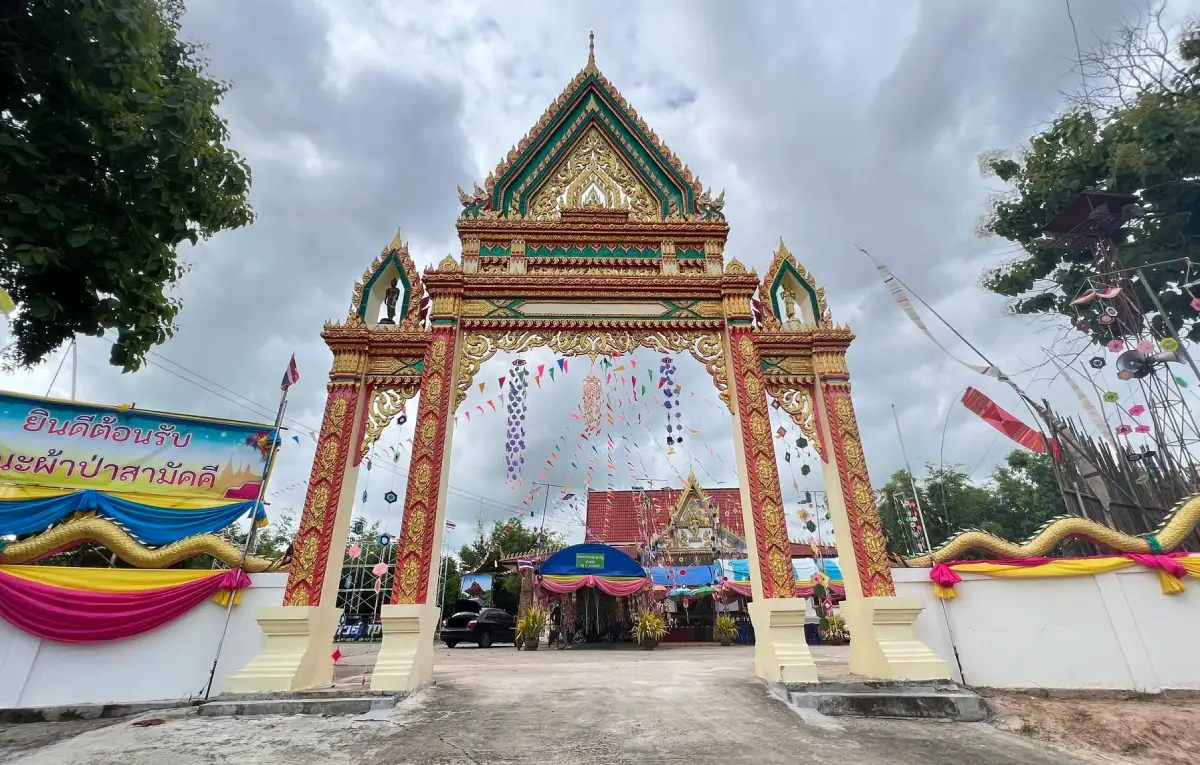
Wat Pa Rerai
Open Days: Daily
Opening Hours: 08.00 – 17.00
Wat Pa Rerai in Roi Et is located at 91 Thewaphiban Road, Nai Mueang Subdistrict, Mueang Roi Et District, Roi Et Province. It is a local Buddhist temple under the Maha Nikaya order and one of the old religious places associated with the heart of Roi Et city. The temple is respected by local people as an old sacred site and a spiritual center of the community. Its beautiful ordination hall, former-abbot shrine, stupa containing Buddhist relics, meditation courtyard, Buddha-life sculptures, and community role make it a meaningful stop for travelers who want to understand Roi Et through Buddhism, local faith, and urban temple life.
Wat Pa Rerai stands in an active city neighborhood connected with Thewaphiban Road, Khum Wat Pa Rerai Road, Wat Pa Rerai Municipal School, Roi Et Bus Terminal, local restaurants, markets, and the central attractions of Roi Et. This location makes the temple easy to visit. Travelers can combine it with Bueng Phlan Chai, Ho Wot 101 Tower, Wat Buraphaphiram, Wat Nuea, Wat Sra Thong, Wat Klang Ming Mueang, Roi Et National Museum, and Wat Bueng Phra Lan Chai in one city route.
The temple was established in 1918 and has continued to have resident monks. Its land area is 12 rai, 3 ngan, and 17 square wah. This is a significant area for a temple in the city. Within the temple compound are the ordination hall, the shrine for former abbots, the sermon hall, monks’ residences, a stupa, a meditation courtyard, and areas for Buddhist ceremonies and community activities. These elements show that Wat Pa Rerai is not merely an old temple for sightseeing; it remains a living monastery serving local people.
The name Wat Pa Rerai suggests calmness and a connection with a more natural atmosphere. Although the temple is now located within an urban area, the word pa, meaning forest, evokes quietness and suitability for Dhamma practice. The word rerai brings to mind the sound and atmosphere of traditional rural life. The name gives the temple a gentle identity: a place of calm within the city, where people can step away from daily pressure and return to faith and reflection.
Wat Pa Rerai has been recognized as a model developed temple and an outstanding developed temple. This reflects the continuing care given to the temple compound, its cleanliness, religious facilities, and ability to serve the public. A developed temple must be more than attractive. It must provide useful religious space, support the monks, welcome laypeople, and maintain order for ceremonies and community life. Wat Pa Rerai shows this combination of old faith and practical urban temple development.
The ordination hall is one of the temple’s most important buildings. It was built in 1939 and measures about 7 meters wide and 15 meters long. The ordination hall, or ubosot, is the sacred space used for important monastic rites. It is also the place where visitors can pay respect, make merit, and sit quietly. The beauty of the ubosot gives Wat Pa Rerai its strong visual identity as an old and respected temple of Roi Et city.
The ubosot should be understood as the heart of the temple. It is not simply a beautiful building. It is a sacred ritual space used by the monastic community according to Buddhist discipline. It is connected with ordination, monastic meetings, formal rites, and the spiritual life of the temple. Visitors should enter this area with respect, speak quietly, and treat it as an active religious space rather than as a decorative structure.
Another important area is the Vihara Buraphachan, or former-abbot shrine, built in 1975. Inside are statues of 3 former abbots: Phra Liang Sujinnuno, Phra Khru Bunyasitthisophon, and Phra Khru Prasit Atthakan. This shrine expresses gratitude to the monks who led and developed the temple in earlier periods. It helps visitors understand that a temple is shaped not only by buildings, but also by the work of monastic leaders and the faith of the community that supports them.
The recorded sequence of abbots shows the continuity of temple leadership. Phra Liang Sujinnuno served from 1926 to 1953. Phra Khru Bunyasitthisophon, also known as Phra Ajarn Bunsit Phutthasaro, served from 1954 to 1966. Phra Khru Prasit Atthakan, also known as Phra Ajarn Nu Krai Dhammapanyo, served from 1968 to 2000. The current abbot is Phra Khru Santi Panyakhun, also known as Boonna Tikkhapanyo. This continuity helps explain how Wat Pa Rerai has remained active for more than a century.
Phra Khru Santi Panyakhun is the current abbot of Wat Pa Rerai. Under active monastic leadership, the temple continues to function as a place of worship and community faith. The presence of resident monks means the temple is not an abandoned heritage site. It is a living Buddhist place where people come to make merit, listen to Dhamma, join ceremonies, and maintain their connection with Buddhist life.
The sermon hall was built in 1987 and serves as an important gathering place. In Thai temples, sermon halls are used for Dhamma listening, merit-making, meetings, funeral rites, community ceremonies, and annual temple activities. Since Wat Pa Rerai is located in a dense city neighborhood, the sermon hall plays a practical role in welcoming local residents and supporting large Buddhist events.
The temple has 7 monks’ residences, showing that it continues to function as a proper monastery. These residences support the daily life of monks who carry out religious duties, receive alms, chant, teach, and guide laypeople. A temple with resident monks is part of the living religious system of the community. It is a place where Buddhist practice continues every day, not only during special festivals.
The most visually striking contemporary feature of Wat Pa Rerai is Phra That Chedi Si Pracha Tikkhasan Samakkhi. It was built in 2013, and sacred Buddhist relics are enshrined in the top of the stupa. Around the stupa is a meditation courtyard, surrounded by Buddha-life sculptures and guarded by golden three-headed naga walls. This area gives the temple a strong devotional and contemplative identity.
The stupa is important not only for its appearance, but also because of its relics and meditation function. In Buddhist culture, a stupa is a focus of reverence and remembrance of the Buddha. Walking around the stupa, paying respect, or sitting quietly in the meditation courtyard connects faith with inner practice. This makes the stupa area suitable for both ordinary visitors and those who want a more reflective Buddhist experience.
The Buddha-life sculptures around the stupa help turn the temple into a learning space. They allow visitors, children, and students to understand key Buddhist stories through visual form. Instead of learning only from books, visitors can walk through the temple and see scenes connected with the life of the Buddha. This makes the temple useful for religious education and family visits.
The golden three-headed naga walls around the stupa area reflect an important symbol in Isan and Mekong Buddhist culture. The naga is associated with water, fertility, protection, sacred power, and the guardianship of Buddhism. At Wat Pa Rerai, the naga design gives the stupa area a protected and ceremonial feeling. It also connects the temple with the wider cultural imagination of northeastern Thailand.
Wat Pa Rerai is an important community temple for Buddhist ceremonies. Local people use the temple for merit-making, alms-giving, Buddhist holy days, Kathin, robe-offering ceremonies, funerals, community merit events, and annual activities. The temple is therefore part of people’s daily and seasonal lives. It is not visited only on special occasions. It remains a shared spiritual space for the Wat Pa Rerai community and nearby neighborhoods.
The temple also has a strong relationship with local education through Wat Pa Rerai Municipal School, located in the temple neighborhood. This reflects a common Thai pattern in which temples and education develop close relationships. A temple provides moral and religious context, while a school provides formal learning. When both exist in the same neighborhood, the community gains both a spiritual center and a learning center.
The area around Wat Pa Rerai is active and practical. Khum Wat Pa Rerai Road and Thewaphiban Road connect the temple with restaurants, shops, schools, the bus terminal, and other city facilities. This makes the temple convenient for travelers who want to visit before or after transportation, meals, or city sightseeing. The temple remains part of urban daily life rather than a remote or isolated attraction.
For cultural travelers, Wat Pa Rerai is suitable for those who want to see an old city temple with a community role. It may not be as monumental as large landmark temples, but it has meaningful components: an old ubosot, a shrine for former abbots, an active monastic community, a relic stupa, a meditation courtyard, and nearby school-community life. These elements help explain the everyday importance of Buddhism in a provincial Thai city.
Visitors interested in temple history should notice the development timeline of Wat Pa Rerai: the temple was established in 1918, the ubosot was built in 1939, Vihara Buraphachan was built in 1975, the sermon hall was built in 1987, and Phra That Chedi Si Pracha Tikkhasan Samakkhi was built in 2013. This timeline shows that the temple has continued to grow through different periods of community faith and temple development.
A meaningful visit can begin at the ubosot, the main sacred ceremony building. From there, visitors can continue to Vihara Buraphachan to pay respect to the former abbots, then proceed to the stupa area to worship the Buddhist relics and view the Buddha-life sculptures. After that, visitors can walk through the sermon hall area, temple courtyard, and community-facing parts of the temple. This route helps visitors understand the temple from past to present.
The best time to visit is in the morning or early afternoon, when the weather is more comfortable and the temple atmosphere is calm. The temple is open daily from 08.00 to 17.00. A basic visit may take 45 minutes to 1 hour. Visitors who want to take photographs, observe the stupa area, or learn more about the temple’s history should allow additional time and remain respectful of monks and local worshippers.
Getting There is convenient from Roi Et city center. Wat Pa Rerai is located on Thewaphiban Road in Nai Mueang Subdistrict, near Khum Wat Pa Rerai Road, Roi Et Bus Terminal, and the Lotus Roi Et area. Visitors with private cars can navigate directly to Wat Pa Rerai or Wat Pa Rerai Municipal School. Travelers arriving by bus can continue by tuk-tuk, local taxi, or city transport from Roi Et Bus Terminal.
Wat Pa Rerai can be combined with several central Roi Et attractions. A practical route can include Wat Nuea, Wat Buraphaphiram, Wat Sra Thong, Bueng Phlan Chai, Ho Wot 101 Tower, Roi Et National Museum, Wat Klang Ming Mueang, and Wat Bueng Phra Lan Chai. These places are close enough to visit in one day and show different sides of Roi Et: old city history, giant Buddha image, sacred temples, city lake, museum, and modern landmark.
Visitors should dress respectfully and behave quietly. They should not enter monks’ residence areas without permission, disturb ceremonies, climb on religious structures, touch sacred objects inappropriately, or take intrusive photos of monks and worshippers. Respectful behavior is especially important because Wat Pa Rerai is an active community temple, not only a tourist site.
For families and students, Wat Pa Rerai is a useful outdoor classroom. Children can learn what an ubosot is, why former abbots are remembered, what a Buddhist stupa means, how Buddha-life sculptures teach religious stories, and why temples remain important to Thai communities. Learning in the actual temple environment helps children understand Buddhism through place, people, and practice.
For foreign travelers, Wat Pa Rerai is a good example of a Thai urban community temple. It shows that temples in Thailand are not only architectural attractions. They are also places of worship, moral education, monastic residence, community ceremonies, remembrance, and social continuity. The temple helps explain how Buddhism remains woven into everyday life in Roi Et city.
Overall, Wat Pa Rerai in Roi Et is an important cultural and religious stop in the city. Its highlights include its long history since 1918, its beautiful ubosot, Vihara Buraphachan, statues of former abbots, sermon hall, resident monastic community, Phra That Chedi Si Pracha Tikkhasan Samakkhi, Buddhist relics, meditation courtyard, Buddha-life sculptures, and golden three-headed naga walls. The temple tells the story of Roi Et through faith, community, temple development, former abbots, and living Buddhist practice.
| Name | Wat Pa Rerai, Roi Et |
| Temple Type | Local Buddhist Temple, Maha Nikaya Order, And Historic Community Temple In Central Roi Et |
| Location | Thewaphiban Road, Nai Mueang Subdistrict, Mueang Roi Et District, Roi Et Province |
| Address | 91 Thewaphiban Road, Nai Mueang Subdistrict, Mueang Roi Et District, Roi Et 45000, Thailand |
| Highlights | Beautiful ubosot, Vihara Buraphachan, Phra That Chedi Si Pracha Tikkhasan Samakkhi, meditation courtyard, Buddha-life sculptures, golden three-headed naga walls, and the temple’s role as a spiritual center of Roi Et people |
| History | Established in 1918, with resident monks continuing through the years. The temple has been recognized as a developed model temple and an outstanding developed temple in Roi Et city. |
| Temple Area | 12 rai, 3 ngan, and 17 square wah |
| Ubosot | Built in 1939, about 7 meters wide and 15 meters long, serving as the temple’s main monastic ceremony space |
| Important Vihara | Vihara Buraphachan, built in 1975, enshrining statues of 3 former abbots: Phra Liang Sujinnuno, Phra Khru Bunyasitthisophon, and Phra Khru Prasit Atthakan |
| Stupa | Phra That Chedi Si Pracha Tikkhasan Samakkhi, built in 2013, enshrining Buddhist relics at the top and surrounded by a meditation courtyard, Buddha-life sculptures, and golden three-headed naga walls |
| Important Structures | Ubosot, Vihara Buraphachan, sermon hall, 7 monks’ residences, stupa, meditation courtyard, and community merit-making areas |
| Religious Importance | A spiritual center for Roi Et people, used for Buddhist ceremonies, holy days, Kathin, robe-offering events, merit-making, funerals, community rituals, and local Buddhist activities |
| Education And Community Role | Located near Wat Pa Rerai Municipal School and the Wat Pa Rerai community, reflecting the relationship between temple, education, and urban community life in Roi Et |
| Travel Information | From Roi Et city, use Thewaphiban Road or Khum Wat Pa Rerai Road. The temple is near Roi Et Bus Terminal and Lotus Roi Et, and can be reached by private car, local taxi, tuk-tuk, or city transport. |
| Current Status | Open as a local Buddhist temple, historic sacred site, worship place, spiritual center, and Buddhist activity venue of the Roi Et urban community |
| Open Days | Daily |
| Opening Hours | 08.00 – 17.00 |
| Facilities | Temple courtyard, parking area, ubosot, Vihara Buraphachan, sermon hall, monks’ residences, stupa, meditation courtyard, merit-making area, and nearby restaurants around Khum Wat Pa Rerai Road and central Roi Et |
| Main Areas / Zones | 1. Ubosot 2. Vihara Buraphachan 3. Statues Of 3 Former Abbots 4. Sermon Hall 5. Monks’ Residence Area 6. Phra That Chedi Si Pracha Tikkhasan Samakkhi 7. Meditation Courtyard 8. Buddha-Life Sculpture Area 9. Golden Three-Headed Naga Wall Area 10. Temple Courtyard And Merit-Making Area 11. Area Connected With Wat Pa Rerai Community And Wat Pa Rerai Municipal School |
| Related Traditions / Activities | Kathin ceremony, robe-offering events, Buddhist holy day merit-making, alms-giving, community ceremonies, funeral rites, and activities connected with Wat Pa Rerai Municipal School |
| Caretaker / Responsible Body | Wat Pa Rerai, Nai Mueang Subdistrict, Mueang Roi Et District, Roi Et Province, Maha Nikaya Order |
| Abbot | Phra Khru Santi Panyakhun (Boonna Tikkhapanyo) |
| Resident Monks | 5 monks |
| Recorded Abbot History | 1. Phra Liang Sujinnuno, 1926 – 1953 2. Phra Khru Bunyasitthisophon (Phra Ajarn Bunsit Phutthasaro), 1954 – 1966 3. Phra Khru Prasit Atthakan (Phra Ajarn Nu Krai Dhammapanyo), 1968 – 2000 4. Phra Khru Santi Panyakhun (Boonna Tikkhapanyo) |
| Nearby Tourist Attractions | 1. Roi Et Bus Terminal, about 0.5 km 2. Wat Nuea, about 1 km, Tel. 098-653-3749 3. Wat Buraphaphiram, about 1.5 km, Tel. 043-511374 4. Wat Sra Thong, about 1.5 km 5. Bueng Phlan Chai, about 2 km 6. Ho Wot 101 Tower, about 2 km, Tel. 043-511222 7. Roi Et National Museum, about 2 km, Tel. 043-514456 Ext. 101 8. Wat Klang Ming Mueang, about 2 km, Tel. 043-512400 9. Wat Bueng Phra Lan Chai, about 2.5 km, Tel. 043-511190 |
| Nearby Restaurants | 1. Ban Pla Jum Roi Et, Khum Wat Pa Rerai Road, about 0.2 km, Tel. 091-861-1819 2. Khao Tom Khun Ploy, Khum Wat Pa Rerai Road, about 0.3 km, Tel. 062-440-8293 3. Shabu Indy Roi Et, about 0.8 km, Tel. 087-222-9694 4. Barbecue Hut Roi Et, Chaeng Sanit Road, about 1.5 km, Tel. 095-664-4314 5. Lakeview Restaurant, about 2 km, Tel. 093-320-8126 6. Her Studio Roi Et, about 2 km, Tel. 083-871-0824 7. Cozy Cafe’ & Bistro, about 2.5 km, Tel. 094-310-0504 |
| Nearby Accommodations | 1. Rueanrimnam Hotel, about 1.5 km, Tel. 043-518-967 2. 101 Hotel Roi Et, about 2 km, Tel. 043-513-999, 065-119-6999 3. The Bed Hotel 101, about 2.5 km, Tel. 043-032-142 4. HOP INN Roi Et, about 2.5 km, Tel. 065-945-9201 5. The Rice Hotel, about 3 km, Tel. 043-519-999 6. Le Park 23 Boutique Resort, about 4 km, Tel. 043-513-444 7. THE NINE HOTEL ROI-ET, about 4 km, Tel. 043-030-348 |
Frequently Asked Questions (FAQ)
Q: Where is Wat Pa Rerai located?
A: Wat Pa Rerai is located at 91 Thewaphiban Road, Nai Mueang Subdistrict, Mueang Roi Et District, Roi Et 45000, Thailand. It is near Khum Wat Pa Rerai Road, Wat Pa Rerai Municipal School, and Roi Et Bus Terminal.
Q: What are the opening days and hours?
A: The temple is open daily from 08.00 to 17.00.
Q: What is the main highlight of Wat Pa Rerai?
A: The main highlights are the beautiful ubosot, Vihara Buraphachan, Phra That Chedi Si Pracha Tikkhasan Samakkhi, meditation courtyard, Buddha-life sculptures, and golden three-headed naga walls.
Q: Who is the abbot of Wat Pa Rerai?
A: The abbot is Phra Khru Santi Panyakhun (Boonna Tikkhapanyo).
Q: When was Wat Pa Rerai established?
A: Wat Pa Rerai was established in 1918 and has continued to have resident monks through the years.
Q: Why is Phra That Chedi Si Pracha Tikkhasan Samakkhi important?
A: The stupa was built in 2013 and enshrines Buddhist relics at the top. Its surrounding area includes a meditation courtyard, Buddha-life sculptures, and golden three-headed naga walls.
Q: What areas should visitors see inside the temple?
A: Visitors should see the ubosot, Vihara Buraphachan, statues of former abbots, sermon hall, monks’ residences, Phra That Chedi Si Pracha Tikkhasan Samakkhi, meditation courtyard, Buddha-life sculptures, and merit-making areas.
Q: What nearby attractions can be combined with a visit?
A: Nearby places include Wat Nuea, Wat Buraphaphiram, Wat Sra Thong, Bueng Phlan Chai, Ho Wot 101 Tower, Roi Et National Museum, Wat Klang Ming Mueang, and Wat Bueng Phra Lan Chai.
 Category: ●Places of Worship
 Group: ●Temple
Last Update : 4 WeekAgo
 Last Update : 4 WeekAgo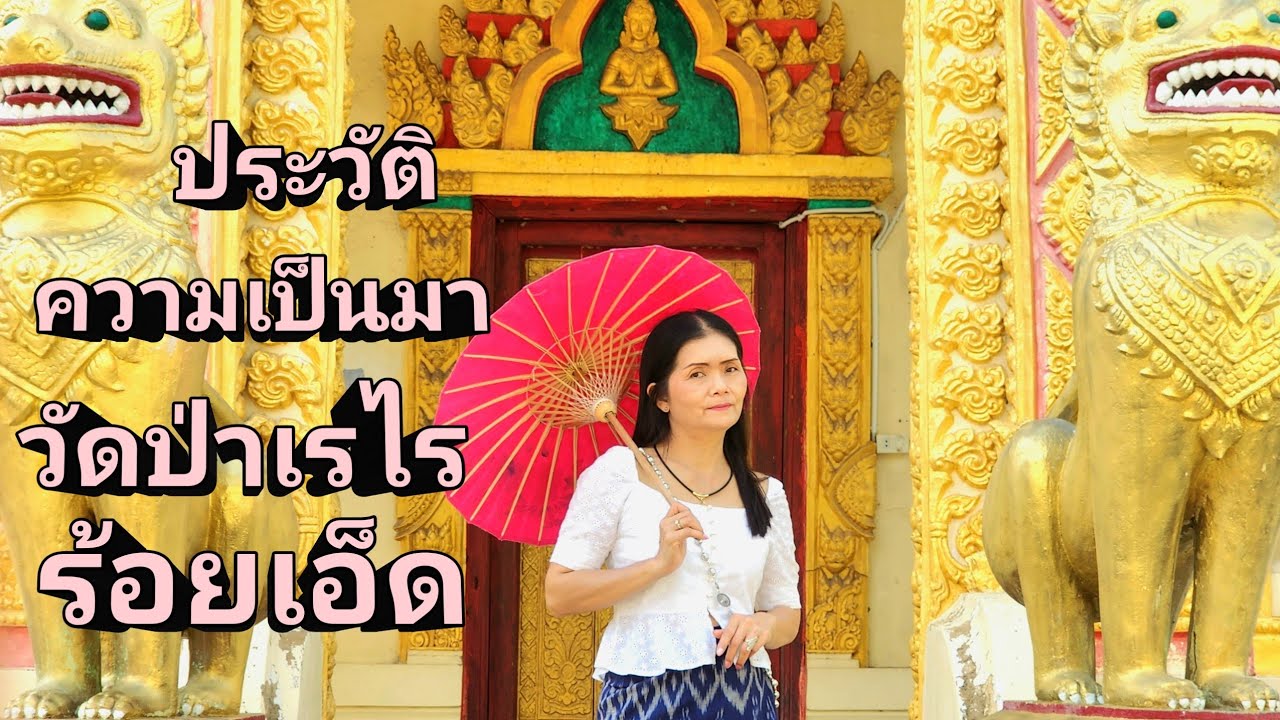
 Click to Access the Navigation Map GPS
Wat Pa Rerai Map
Recommend

 Art, Culture and Heritage
 Historical Sites and Monuments(3)
 Landmarks and Memorials(5)
 Art, Craft Centres, Tradition(2)
 Museums(1)
 Educational Places
 Educational Gardens, Farm(3)
Temple(35)
Educational Gardens, Farm(3)
Temple(35)
 Other Sacred Sites(6)
 Suburban Living
 Village, Community(1)
 Local Market(1)
 Nature and Wildlife
 National Parks and Marine Reserves(1)
 Mountain (Doi)(2)
 Dam, Reservoir, Lake(8)
 Waterfalls(1)
 Flower Field(1)
 River, Canal(4)
 Entertainment and Agricultural
 Zoos and Aquariums(1)
 Stadium(1)
 Farms, Parks and Ecotourism(5)
 Shopping
 Shopping and Night Market(1)


