
lovethailand home >Northeastern Travel Attractions >Roi Et Travel Attractions >Muang Roi Et >Nuea Muang > Wat Wimon Niwat
TL;DR: Wat Wimon Niwat is located at Ban Nong Kae, Chaeng Sanit Road, Moo 3, Nuea Mueang Subdistrict, Mueang Roi Et District, Roi Et Province, open Daily, hours 08.00 – 17.00.
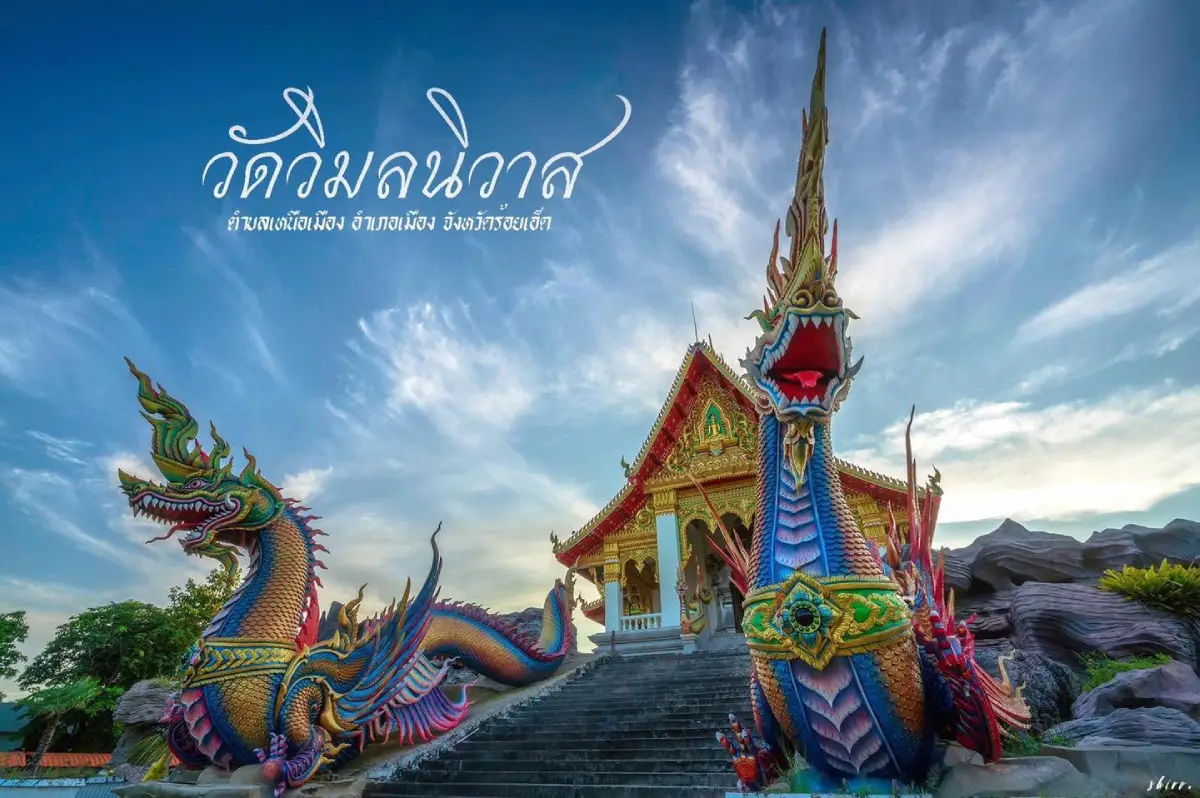
Wat Wimon Niwat
Open Days: Daily
Opening Hours: 08.00 – 17.00
Wat Wimon Niwat in Roi Et is located at 82 Ban Nong Kae, Chaeng Sanit Road, Moo 3, Nuea Mueang Subdistrict, Mueang Roi Et District, Roi Et Province. It is an important Dhammayut Buddhist temple in Roi Et city with a long relationship to the Nong Kae community. The temple was established in 1938 and was formerly known as Wat Ban Nong Kae. Today, it serves as a community temple, a place for Buddhist ceremonies, a center for important local traditions, and a provincial meditation center where people come to make merit, listen to Dhamma, practice meditation, and learn how to live with mindfulness and awareness of impermanence.
The importance of Wat Wimon Niwat lies not only in its history, but also in its living role as a meditation-oriented temple in Roi Et. The temple stands on Chaeng Sanit Road, one of the main roads connected with Roi Et city. This makes it easy to reach from Bueng Phlan Chai, Ho Wot 101 Tower, and other central attractions. Visitors can include Wat Wimon Niwat in the same cultural route as the major temples and landmarks of Roi Et city without needing to travel far from the urban area.
The temple’s former name, Wat Ban Nong Kae, reflects its close connection with the local village. Many Thai temples were originally named after the communities they served, and this remains important for understanding the social role of the temple. Wat Wimon Niwat was not created only as a place of worship. It grew as part of local community life, supporting merit-making, ceremonies, moral education, meditation, communal gatherings, and the continuity of Buddhist traditions among local families.
The temple covers 13 rai of land and also has a separate plot of monastic land. Its main structures include an ubosot, monks’ residences, a funeral hall, a dining hall, a bell tower, and areas for Buddhist activities. These features show that the temple is a living monastery with a full range of religious and social functions. It supports monks, laypeople, ceremonies, community merit-making, and meditation practice in one connected temple compound.
The ubosot of Wat Wimon Niwat is about 12 meters wide and 18 meters long. It was built in 1979 and enshrines a principal Buddha image in the meditation posture, with a lap width of about 50 inches. The meditation posture gives the interior a calm and contemplative atmosphere. Visitors can pay respect, sit quietly, and reflect on the Buddhist emphasis on mindfulness, inner stability, and wisdom. For many visitors, the ubosot is the natural first stop when entering the temple.
As a Dhammayut temple, Wat Wimon Niwat is associated with simplicity, discipline, monastic restraint, and serious Dhamma practice. The Dhammayut order has traditionally emphasized monastic discipline and careful practice. This gives the temple a character that is especially suitable for visitors seeking calmness rather than entertainment. Wat Wimon Niwat should therefore be visited as a place of reflection and practice, not only as a sightseeing stop.
One of the temple’s most important roles is its status as a provincial meditation center of Roi Et. People come to the temple not only to make offerings or attend ceremonies, but also to practice meditation and learn Dhamma for everyday life. A meditation center inside a city is valuable because it gives people a place to pause, observe the mind, and regain inner balance amid the pressures of modern life. This makes Wat Wimon Niwat meaningful for both local residents and travelers seeking a deeper Buddhist experience.
Phra Wachira Wimontham, also known as Luang Pho Boonruam Khachatharo, is the abbot of Wat Wimon Niwat and a respected meditation monk in Roi Et. He is also known through the name Phra Khru Wimon Bun Koson in records connected with the meditation center. His teaching is associated with mindfulness of death, or maranasati, which reminds people to live without carelessness. This gives the temple a clear contemplative identity and connects its activities with practical Buddhist training for daily life.
The recorded abbot history of the temple includes several former abbots, such as Phra Khru Wimon Thammathada, Phra Baidika An Somchitto, Phra Khun Nonrang, Phra Simma Mahaviro, Phra Athikan Krok Kosalo, Phra Khru Wimon Thammanuwat, Phra Athikan Wan Chandapanno, Phra Athikan Suban, Phra Khru Kitti Thammarak, and Phra Athikan Boonruam Khachatharo. This sequence shows the continuity of monastic leadership from the time of Wat Ban Nong Kae to the present Wat Wimon Niwat.
Tham Sompratana is one of the most meaningful contemporary areas of the temple. It was created as a place for learning and meditation practice. In Buddhist imagination, a cave often represents quietness, seclusion, and turning inward. At Wat Wimon Niwat, this space strengthens the temple’s role as a place for reflection, not only as a place for ordinary worship. Visitors interested in meditation should see Tham Sompratana as part of the temple’s spiritual identity.
The Phuttha Chayanthi Memorial Ubosot is another important feature of the temple’s modern development. It is connected with important Buddhist activities, including merit-making, alms-giving, Magha Puja ceremonies, and the ceremonial procession of sacred relics. The temple has hosted events in which monks, teachers, students, government officials, and local people joined processions around the water island and the Phuttha Chayanthi Memorial Ubosot, showing the continuing public role of the temple in Roi Et.
Magha Puja activities at Wat Wimon Niwat clearly show the temple’s living role. The festival has included monks receiving alms at the merit courtyard in front of the temple, the procession of sacred relics, and the participation of students, teachers, officials, and laypeople. These activities help bring people back to the temple and remind them of the Buddha’s teaching. For foreign travelers, such events show that Thai Buddhist festivals are both religious and communal.
Phothi Na Bun Pavilion and Than Barami Pavilion are important spaces for merit-making and community gathering. Their names reflect Buddhist ideas of planting merit, giving, and cultivating generosity. The temple uses such spaces for ceremonies, large gatherings, Dhamma events, Kathin ceremonies, chanting, merit-making, donation activities, and charitable works. These pavilions show that the temple is also a center of social support, not only a meditation site.
The temple is strongly connected with public-benefit activities. Luang Pho Boonruam Khachatharo has been associated with the construction of religious structures, support for sacred objects, cattle and buffalo life-release activities, education support, help for vulnerable people, and wider charitable projects. This makes Wat Wimon Niwat a center where merit-making extends beyond the temple compound into the welfare of society. For Buddhist communities, such acts are an important expression of compassion in practice.
Meditation practice at Wat Wimon Niwat is especially meaningful in the context of city life. Modern life brings work pressure, worry, speed, and distraction. A temple that teaches mindfulness, maranasati, and meditation gives people a place to return to the mind. Maranasati does not create fear; it reminds people not to waste life carelessly. Meditation gives the mind a stable base. Together, these practices help people live more wisely and gently.
A visit to Wat Wimon Niwat should be approached slowly. Visitors can begin by paying respect to the principal Buddha image in the ubosot, then walk through the temple grounds and observe the important areas. Those interested in meditation can spend time near Tham Sompratana or the meditation areas. If a Dhamma activity is taking place, visitors should follow the temple’s rules and respect the silence of monks and practitioners.
Wat Wimon Niwat is suitable for many types of visitors. Local residents may come to make merit or join annual ceremonies. Meditation practitioners may come for Dhamma practice. Elderly visitors may appreciate the quiet atmosphere. Families can use the temple to teach children about Buddhism and generosity. Cultural travelers can learn how a Thai temple functions as a place of worship, learning, meditation, charity, and community life at the same time.
Historically, the temple also reflects the development of Ban Nong Kae and the Chaeng Sanit Road area. Its former name preserves the memory of the village, while the name Wimon Niwat suggests a pure and peaceful dwelling suitable for Dhamma practice. From a community temple on 13 rai of land, it has developed into a meditation center with a strong public identity in Roi Et Province. This continuity makes the temple valuable in both local and provincial history.
The main areas of the temple include the ubosot, the principal Buddha image in meditation posture, Tham Sompratana, Phuttha Chayanthi Memorial Ubosot, Than Barami Pavilion, Phothi Na Bun Pavilion, the merit courtyard in front of the temple, the bell tower, the dining hall, monks’ residences, and meditation areas. Each area has its own role. The ubosot is for monastic rites, the Buddha image is for worship, Tham Sompratana supports meditation, and the pavilions support large merit-making events.
Wat Wimon Niwat is also useful for understanding youth and community work in Thai temples. Temple activities often include students, teachers, and young people. Through Buddhist festivals, alms-giving, chanting, Dhamma listening, and merit-making, younger generations learn religion through experience rather than only from textbooks. This is one reason temples remain important social institutions in Thailand. They transmit culture, manners, faith, and generosity across generations.
Getting There is convenient from Roi Et city center. Travel along Chaeng Sanit Road toward Ban Nong Kae in Nuea Mueang Subdistrict. The temple is about 3 kilometers from Bueng Phlan Chai and Ho Wot 101 Tower. Visitors can travel by private car, local taxi, or city transport. The coordinates 16.059985, 103.680560 can be used as a navigation reference.
A practical city route can begin with Wat Wimon Niwat in the morning and continue to Wat Buraphaphiram, Bueng Phlan Chai, Ho Wot 101 Tower, Roi Et National Museum, Wat Klang Ming Mueang, Wat Sra Thong, or Wat Bueng Phra Lan Chai. This route gives travelers a balanced picture of Roi Et: meditation temple, royal temple, old city temple, city lake, museum, and modern landmark.
The best time to visit is in the morning or early afternoon. The temple is open daily from 08.00 to 17.00. Visitors who want to join meditation, Dhamma listening, or special Buddhist activities should check the temple’s schedule during major Buddhist days such as Magha Puja, Visakha Puja, Asalha Puja, Buddhist Lent, the end of Lent, and the Kathin season. These periods often bring larger community activities to the temple.
Visitors should behave respectfully because Wat Wimon Niwat is an active Buddhist temple and meditation center. They should dress modestly, speak quietly, avoid disturbing monks and meditators, and avoid entering monks’ residences without permission. Photography should be done with care, especially during ceremonies or meditation activities. Respectful behavior helps visitors experience the temple in a way that matches its spiritual purpose.
For families, Wat Wimon Niwat is a good place to teach children about merit-making, meditation, respect for sacred space, and social generosity. Children can learn that a temple is not only a place to bow before Buddha images, but also a place where people practice mindfulness, help others, and build community. Seeing actual temple activities makes Buddhist culture easier to understand than learning only from books.
For foreign travelers, Wat Wimon Niwat is a clear example of a Thai city temple with multiple functions. It is a local monastery, a meditation center, a ceremony site, a charitable activity base, and a community gathering place. The temple shows that Buddhism in Thailand is not only expressed through architecture, but also through practice, generosity, education, and social care.
Overall, Wat Wimon Niwat in Roi Et is an important temple for religious, meditative, and community-based travel. Its highlights include its founding in 1938, its former name Wat Ban Nong Kae, its 13-rai temple compound, the ubosot with a meditation-posture Buddha image, its role as Roi Et Provincial Meditation Center, Tham Sompratana, Phuttha Chayanthi Memorial Ubosot, Magha Puja sacred relic procession, and the work of Phra Wachira Wimontham or Luang Pho Boonruam Khachatharo. The temple tells the story of Roi Et through faith, meditation, charity, and spiritual development.
| Name | Wat Wimon Niwat, Roi Et |
| Former Name | Wat Ban Nong Kae |
| Temple Type | Local Dhammayut Buddhist Temple And Roi Et Provincial Meditation Center |
| Location | Ban Nong Kae, Chaeng Sanit Road, Moo 3, Nuea Mueang Subdistrict, Mueang Roi Et District, Roi Et Province |
| Address | 82 Ban Nong Kae, Chaeng Sanit Road, Moo 3, Nuea Mueang Subdistrict, Mueang Roi Et District, Roi Et 45000, Thailand |
| Coordinates | 16.059985, 103.680560 |
| Highlights | Roi Et Provincial Meditation Center, ubosot with a meditation-posture Buddha image, Tham Sompratana, Phuttha Chayanthi Memorial Ubosot, Than Barami Pavilion, Phothi Na Bun Pavilion, merit courtyard, and important Buddhist ceremonies |
| History | Established in 1938. The temple was originally known as Wat Ban Nong Kae and later developed as an important Dhammayut community temple and meditation center in Roi Et. |
| Name Origin | The former name Wat Ban Nong Kae comes from the local village name. The name Wimon Niwat suggests a pure and peaceful dwelling suitable for Dhamma practice. |
| Temple Area | 13 rai, with an additional monastic land plot of 7 rai |
| Important Buddha Image | Principal Buddha image in the meditation posture inside the ubosot, with a lap width of about 50 inches |
| Ubosot | The ubosot is about 12 meters wide and 18 meters long, built in 1979, and used as the temple’s main monastic ceremony space. |
| Important Structures | Ubosot, 5 monks’ residences, funeral hall, dining hall, bell tower, Than Barami Pavilion, Phothi Na Bun Pavilion, and meditation areas |
| Meditation Role | A provincial meditation center of Roi Et, connected with meditation practice, mindfulness of death, Dhamma learning, and living without carelessness |
| Contemporary Sacred Areas | Tham Sompratana, Phuttha Chayanthi Memorial Ubosot, merit courtyard, water-island procession area, Than Barami Pavilion, and Phothi Na Bun Pavilion |
| Related Traditions / Activities | Magha Puja festival, sacred relic procession, alms-giving, Kathin ceremony, Buddhist chanting, abbot’s merit-making ceremony, Dhamma activities, and public-benefit charity work |
| Travel Information | From Roi Et city, travel along Chaeng Sanit Road toward Ban Nong Kae, Nuea Mueang Subdistrict. The temple is about 3 km from Bueng Phlan Chai and Ho Wot 101 Tower. |
| Current Status | Open as a Dhammayut Buddhist temple, community religious site, Buddhist ceremony venue, and Roi Et Provincial Meditation Center |
| Open Days | Daily |
| Opening Hours | 08.00 – 17.00 |
| Facilities | Temple courtyard, parking area, ubosot, merit-making halls, dining hall, bell tower, monks’ residences, meditation areas, Tham Sompratana, merit courtyard, and nearby restaurants along Chaeng Sanit Road and Roi Et city center |
| Main Areas / Zones | 1. Ubosot And Principal Buddha Image In Meditation Posture 2. Phuttha Chayanthi Memorial Ubosot 3. Tham Sompratana 4. Than Barami Pavilion 5. Phothi Na Bun Pavilion 6. Merit Courtyard In Front Of The Temple 7. Water-Island And Procession Area 8. Dining Hall And Funeral Hall 9. Bell Tower 10. Monks’ Residence Area 11. Youth Activity And Sports Area 12. Meditation And Dhamma Practice Area |
| Caretaker / Responsible Body | Wat Wimon Niwat, Nuea Mueang Subdistrict, Mueang Roi Et District, Roi Et Province, Dhammayut Order |
| Abbot / Meditation Center Head | Phra Wachira Wimontham, or Luang Pho Boonruam Khachatharo. The name appearing in meditation-center records is Phra Khru Wimon Bun Koson. |
| Main Dhamma Emphasis | Vipassana meditation, mindfulness of death, mental cultivation, living without carelessness, and public-benefit charity work |
| Nearby Tourist Attractions | 1. Wat Buraphaphiram, about 3 km, Tel. 043-511374 2. Bueng Phlan Chai, about 3 km 3. Ho Wot 101 Tower, about 3 km, Tel. 043-511222 4. Roi Et National Museum, about 3 km, Tel. 043-514456 Ext. 101 5. Wat Klang Ming Mueang, about 4 km, Tel. 043-512400 6. Wat Sra Thong, about 4 km 7. Wat Bueng Phra Lan Chai, about 4 km, Tel. 043-511190 8. Roi Et Agricultural Research And Development Center, about 9 km, Tel. 043-624161 |
| Nearby Restaurants | 1. Barbecue Hut Roi Et, Chaeng Sanit Road, about 2 km, Tel. 095-664-4314 2. Shabu Indy Roi Et, Chaeng Sanit Road, about 3 km, Tel. 087-222-9694 3. Kuai Tiao Ped Tun, Chaeng Sanit Road, about 3 km, Tel. 098-078-3848 4. Tom Tam Chaeng Sanit, about 4 km, Tel. 096-363-0527 5. Boo Boo, Chaeng Sanit Road, Nong Waeng, about 5 km, Tel. 082-064-1271 6. Som Tam Ying Zaep Roi Et, Chaeng Sanit Road, Nong Waeng, about 6 km, Tel. 083-889-6246 7. Chan Mueang Restaurant, Chaeng Sanit Road, about 4 km, Tel. 043-514-776 |
| Nearby Accommodations | 1. The Rice Hotel, about 3 km, Tel. 043-519-999 2. Le Park 23 Boutique Resort, about 3 km, Tel. 043-513-444 3. THE NINE HOTEL ROI-ET, about 4 km, Tel. 043-030-348 4. The Bed Hotel 101, about 4 km, Tel. 043-032-142 5. 101 Hotel Roi Et, about 4 km, Tel. 043-513-999, 065-119-6999 6. Boonbundal Hotel, about 8 km, Tel. 043-624-624 |
Frequently Asked Questions (FAQ)
Q: Where is Wat Wimon Niwat located?
A: Wat Wimon Niwat is located at 82 Ban Nong Kae, Chaeng Sanit Road, Moo 3, Nuea Mueang Subdistrict, Mueang Roi Et District, Roi Et 45000, Thailand. It is about 3 km from Bueng Phlan Chai and Ho Wot 101 Tower.
Q: What are the opening days and hours?
A: The temple is open daily from 08.00 to 17.00.
Q: What was the former name of Wat Wimon Niwat?
A: The temple was formerly known as Wat Ban Nong Kae because it is located in the Nong Kae community of Nuea Mueang Subdistrict.
Q: What is the main highlight of Wat Wimon Niwat?
A: The main highlights include its role as Roi Et Provincial Meditation Center, the ubosot with a meditation-posture Buddha image, Tham Sompratana, Phuttha Chayanthi Memorial Ubosot, Than Barami Pavilion, Phothi Na Bun Pavilion, and Buddhist community activities.
Q: Who is the abbot of Wat Wimon Niwat?
A: The abbot is Phra Wachira Wimontham, also known as Luang Pho Boonruam Khachatharo. The name appearing in meditation-center records is Phra Khru Wimon Bun Koson.
Q: Is Wat Wimon Niwat suitable for meditation practice?
A: Yes. The temple serves as Roi Et Provincial Meditation Center and has meditation-related areas such as Tham Sompratana and Dhamma practice spaces.
Q: What areas should visitors see inside the temple?
A: Important areas include the ubosot and principal Buddha image, Phuttha Chayanthi Memorial Ubosot, Tham Sompratana, Than Barami Pavilion, Phothi Na Bun Pavilion, merit courtyard, water-island procession area, bell tower, and meditation areas.
Q: What nearby attractions can be combined with a visit?
A: Nearby places include Wat Buraphaphiram, Bueng Phlan Chai, Ho Wot 101 Tower, Roi Et National Museum, Wat Klang Ming Mueang, Wat Sra Thong, Wat Bueng Phra Lan Chai, and Roi Et Agricultural Research and Development Center.
Website : www.watwimon.com
 Website :
  Category: ●Places of Worship
 Group: ●Temple
Last Update : 4 WeekAgo
 Last Update : 4 WeekAgo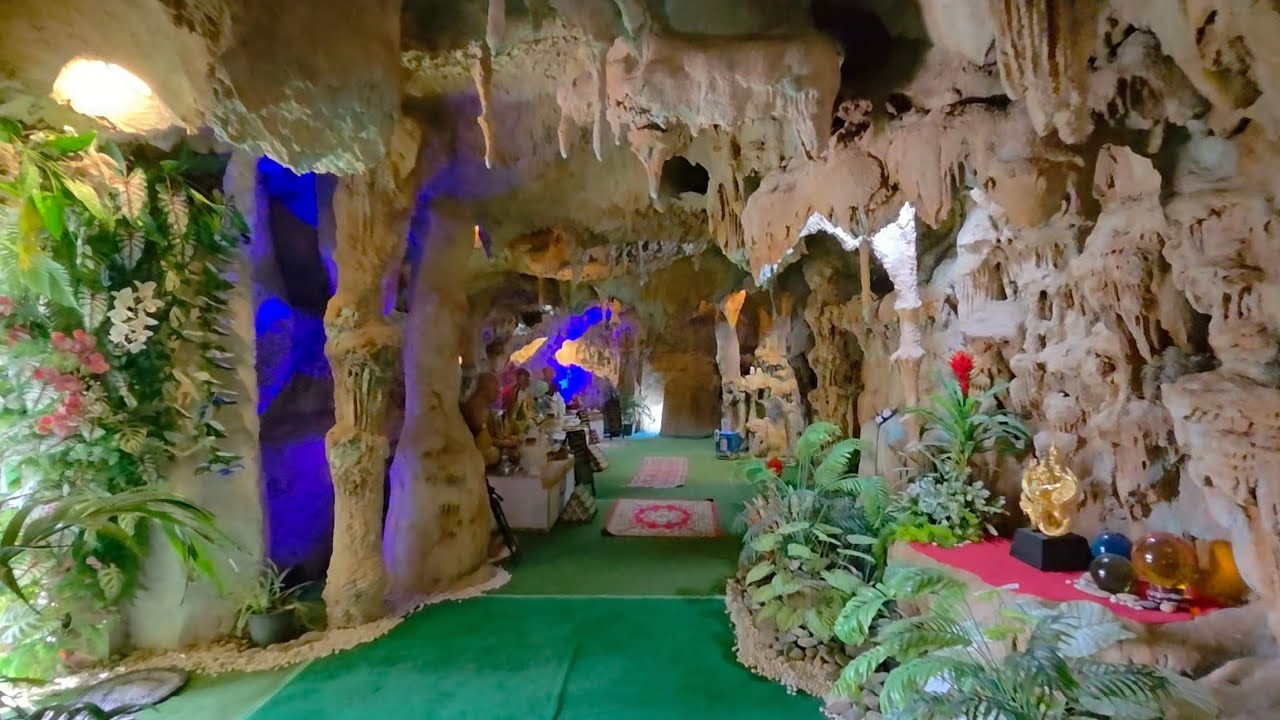
 Click to Access the Navigation Map GPS
Wat Wimon Niwat Map
Recommend

 Art, Culture and Heritage
 Historical Sites and Monuments(3)
 Landmarks and Memorials(5)
 Art, Craft Centres, Tradition(2)
 Museums(1)
 Educational Places
 Educational Gardens, Farm(3)
Temple(35)
Educational Gardens, Farm(3)
Temple(35)
 Other Sacred Sites(6)
 Suburban Living
 Village, Community(1)
 Local Market(1)
 Nature and Wildlife
 National Parks and Marine Reserves(1)
 Mountain (Doi)(2)
 Dam, Reservoir, Lake(8)
 Waterfalls(1)
 Flower Field(1)
 River, Canal(4)
 Entertainment and Agricultural
 Zoos and Aquariums(1)
 Stadium(1)
 Farms, Parks and Ecotourism(5)
 Shopping
 Shopping and Night Market(1)


