
lovethailand home >Northeastern Travel Attractions >Nong Bua Lamphu Travel Attractions >Muang Nong Bua Lamphu >Non Than > Wax Figure Museum of Luang Pu Khao Analayo
TL;DR: Wax Figure Museum of Luang Pu Khao Analayo is located at Inside Wat Tham Klong Phen, Non Than Subdistrict, Mueang Nong Bua Lam Phu District, Nong Bua Lam Phu Province, open Daily, hours 07.00 – 18.00.
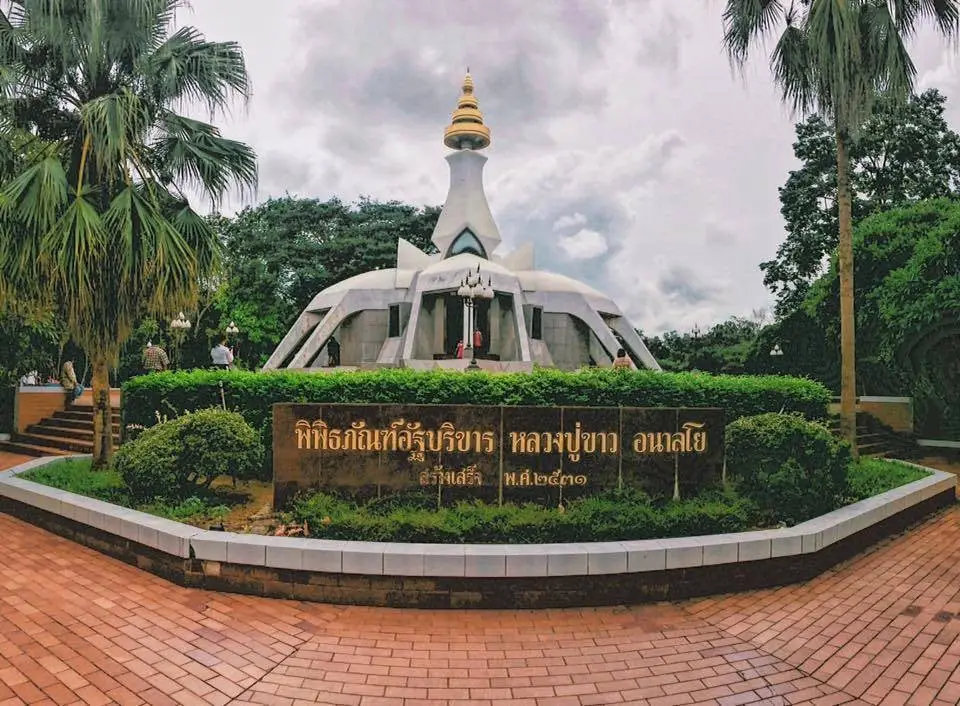
Wax Figure Museum of Luang Pu Khao Analayo
Open Days: Daily
Opening Hours: 07.00 – 18.00
The Wax Figure Museum of Luang Pu Khao Analayo in Nong Bua Lam Phu, also known as the Luang Pu Khao Analayo Monastic Relics Museum, is a deeply meaningful Buddhist learning and worship site located within Wat Tham Klong Phen in Non Than Subdistrict, Mueang Nong Bua Lam Phu District. The museum was created to preserve the memory, relics, monastic belongings, and spiritual legacy of Luang Pu Khao Analayo, one of Thailand’s most respected forest meditation monks in the lineage of Luang Pu Mun Bhuridatta. For Thai Buddhists, this museum is not simply a place to view a lifelike wax figure. It is a place of reverence where visitors come to pay respect, reflect on the forest monastic way of life, and learn about a monk whose simple, disciplined practice continues to inspire devotees across the country.
The most important feature of the museum is the lifelike wax figure of Luang Pu Khao Analayo. The figure is carefully crafted to reflect the calm expression, simple posture, saffron robe, eyeglasses, and peaceful presence associated with the revered monk. For visitors who never had the opportunity to meet Luang Pu Khao during his lifetime, the wax figure provides a powerful visual connection. It gives the impression of being in the presence of a teacher whose life was dedicated to meditation, discipline, and inner freedom. The atmosphere around the figure is quiet and contemplative, encouraging visitors to pay respect with mindfulness rather than treat the museum as an ordinary display space.
Wat Tham Klong Phen is one of the most famous forest temples in Nong Bua Lam Phu Province. Located at the foot of the Phu Phan mountain range, the temple is surrounded by trees, natural rock formations, caves, boulders, and peaceful walking areas. Before Luang Pu Khao arrived, the site had become a deserted temple without resident monks. In 1958, Luang Pu Khao Analayo came to stay and practice meditation here. His presence revived the temple and transformed it into a major center of forest meditation practice. Today, Wat Tham Klong Phen is strongly associated with his name and is visited by devotees, meditation practitioners, and cultural travelers from many parts of Thailand.
The name Wat Tham Klong Phen is connected with the cave environment and an ancient double-sided drum known locally as a klong phen. The temple landscape includes a large natural stone hall formed by massive boulders, creating a cave-like space used for religious practice. This natural rock setting is one of the temple’s most distinctive characteristics. Unlike an urban temple built around formal architecture, Wat Tham Klong Phen feels like a forest monastery shaped by stone, silence, and natural shade. This atmosphere helps visitors understand why the site was suitable for meditation and why it became an important place in the life of Luang Pu Khao.
Luang Pu Khao Analayo was a significant forest monk in the meditation lineage of Luang Pu Mun Bhuridatta. He followed the Thai forest tradition with great discipline, simplicity, and dedication to inner practice. During the later part of his life, he resided at Wat Tham Klong Phen, where he became widely respected by monks, lay followers, and meditation practitioners. People traveled to the temple to pay respect, receive teachings, make merit, and observe his way of life. After his passing in 1983, disciples and devotees preserved his memory through the museum, shrine areas, and sacred spaces associated with his practice.
The Luang Pu Khao Analayo Monastic Relics Museum was established in 1989 to enshrine and preserve the relics, personal requisites, and memories of Luang Pu Khao. Inside the museum, visitors can see monastic objects connected with his life, such as his alms bowl, robes, umbrella tent, personal belongings, documents, photographs, and other items used during his years of practice. These objects are important because they show the real simplicity of the forest monk’s life. They are not luxurious artifacts. They are evidence of a life based on restraint, discipline, meditation, and the search for liberation.
The museum building is designed to harmonize with the rocky landscape of Wat Tham Klong Phen. Its form reflects the surrounding stone garden, making the building feel like part of the temple’s natural environment rather than a separate modern structure. This design suits the spirit of the forest tradition, where architecture remains secondary to nature, silence, and practice. Visitors walking toward the museum pass through a landscape of rocks, trees, and open temple grounds, so the experience of entering the museum becomes part of a broader journey through a forest monastery.
Inside the museum, the wax figure of Luang Pu Khao is the central point of devotion. Visitors often bow, offer flowers, or sit quietly before the figure. The lifelike quality of the figure helps preserve the image of the revered monk for later generations. For older devotees who heard stories of Luang Pu Khao from their teachers or family members, the museum becomes a place of memory. For younger visitors and foreign travelers, it offers a clear introduction to the Thai forest meditation tradition through a concrete and accessible display.
The monastic requisites displayed in the museum carry deep meaning. The alms bowl represents the monk’s dependence on daily alms and the practice of contentment. Robes reflect simplicity and restraint. The umbrella tent and forest-travel items recall the life of meditation monks who wandered in search of quiet places for practice. Photographs and documents connect the life of Luang Pu Khao with real historical moments. Each object allows visitors to understand that the dignity of a forest master does not come from worldly wealth, but from the firmness of practice and the clarity of spiritual conduct.
Many visitors come to the museum not only to see an exhibition, but also to pay respect and calm the mind. Some come to make merit, some come to ask for blessings, some come to remember Luang Pu Khao, and some come because they are interested in meditation and Thai Buddhism. The setting of Wat Tham Klong Phen helps deepen this experience. The forest, rocks, caves, and quiet paths explain wordlessly why such a place was suitable for contemplation. Visitors who spend time walking slowly through the temple often leave with a stronger sense of peace than they expected.
Wat Tham Klong Phen contains several important areas beyond the wax figure museum. These include the main cave hall, the old kuti connected with Luang Pu Khao, the Luang Pu Khao pagoda, the monastic relic museum, Buddha images placed among natural rocks, stone gardens, forest pathways, and merit-making areas used on Buddhist holy days. Together, these areas make the temple a complete pilgrimage destination. Visitors can pay respect at the museum, walk to the pagoda, observe the cave hall, and experience the natural calm of the forest monastery in one visit.
The Luang Pu Khao pagoda is another major point of reverence. Many devotees walk from the museum area to the pagoda to pay respect to the relics and memory of the revered teacher. The route itself becomes part of the experience, allowing visitors to move quietly through the temple grounds. From the pagoda area, the surrounding forest and rock landscape can be appreciated more fully. The visit is therefore both devotional and contemplative, combining physical movement with inner reflection.
The old kuti of Luang Pu Khao is also significant because it is closely connected with his daily life and meditation practice. It shows the simplicity of the conditions in which a respected forest monk lived. The kuti is meaningful not because of luxury or grandeur, but because it preserves the memory of disciplined practice. For visitors, seeing this place helps explain why the Thai forest tradition values solitude, restraint, and direct experience of the Dhamma over outward display.
The cave hall and natural rock formations are essential to the identity of Wat Tham Klong Phen. Buddha images are enshrined among large stones and cave-like spaces, creating a sacred atmosphere shaped by nature. The combination of rock, shade, Buddha images, and silence gives the temple a powerful visual and spiritual character. Travelers interested in architecture may find the place unusual because the temple does not rely only on built structures. Its sacredness comes largely from the way religious practice and natural formations coexist.
On important Buddhist days, especially around Visakha Bucha, Wat Tham Klong Phen becomes the center of major devotional activities dedicated to Luang Pu Khao Analayo and other revered teachers. Devotees gather for almsgiving, homage ceremonies, Dhamma talks, and candlelight processions. These events show that the temple is still a living center of faith. The museum and memorial spaces are not inactive historical displays; they remain connected with ongoing religious practice, community participation, and the living memory of the forest masters.
The main caretaker of the museum and temple area is Wat Tham Klong Phen. Current public temple information identifies Phra Ratchaphawanawachirakon, widely known as Luang Por Inthawai Santussako, as the abbot. The temple community and disciples of Luang Pu Khao help preserve the sacred spaces, museum displays, pagoda, and areas used for religious activities. This continuing care allows visitors to experience the museum as part of an active monastery rather than as a detached cultural institution.
Visitors should behave respectfully because this is both a museum and an active Buddhist monastery. Dress modestly, speak softly, remove shoes where required, do not touch museum objects unless permission is given, and avoid disturbing people who are praying or meditating. Photography should be done with discretion, especially near relics, wax figures, and worship areas. The best way to experience the museum is to move slowly, observe carefully, and allow the quiet atmosphere to guide the visit.
The best time to visit is in the morning or early afternoon. Morning visits are especially pleasant because the weather is cooler and the temple atmosphere is calm. A half-day visit is enough to see the museum, cave hall, old kuti, pagoda, and natural rock garden without rushing. Visitors who want to combine the trip with nearby attractions can continue to the 150-Million-Year-Old Shell Fossil Museum and Dinosaur Non Than, the Shrine of King Naresuan the Great, Wat Mahachai, or Thao To Waterfall Forest Park.
Getting There from Nong Bua Lam Phu city is convenient by private car. Take Highway 210 on the Nong Bua Lam Phu-Udon Thani route for about 13 km, then turn toward Wat Tham Klong Phen and continue for about 2 km into the temple area. The road is suitable for private cars, vans, and small buses. Visitors using public transport can take a bus on the Nong Bua Lam Phu-Udon Thani route and continue by local transport from the main road. A private vehicle is the most convenient option because the temple grounds include several areas spread across a forest and rock landscape.
Travelers coming from Udon Thani can also use Highway 210 toward Nong Bua Lam Phu. The temple is located before reaching the city center when coming from the Udon Thani side. This makes Wat Tham Klong Phen a practical stop for visitors arriving from Udon Thani Airport or from the city of Udon Thani. It can be combined easily with the fossil museum in Non Than Subdistrict or with city attractions in Nong Bua Lam Phu later in the day.
There is no admission fee for the wax figure museum or Wat Tham Klong Phen. Visitors may prepare flowers, garlands, candles, or donations according to their faith. Organized groups, schools, or educational visitors should contact the temple in advance, especially during important Buddhist days or annual ceremonies, when large numbers of devotees may be present. Advance contact helps with parking, group movement, and respectful access to key areas.
The temple area can be understood through several important zones: the wax figure and monastic relic museum, the Luang Pu Khao pagoda, the old kuti of Luang Pu Khao, the cave hall and rock shrine area, the natural rock garden, Buddha images among the rocks, forest walking areas, and merit-making spaces used during Buddhist events. Visiting these zones together helps travelers understand Wat Tham Klong Phen as a forest monastery, museum, memorial site, and natural spiritual landscape.
Nearby attractions include the 150-Million-Year-Old Shell Fossil Museum and Dinosaur Non Than, the Shrine of King Naresuan the Great in Nong Bua Lam Phu city, Wat Mahachai, Nong Bua Lake public park, and Thao To Waterfall Forest Park. This makes the museum a strong starting point for a route combining forest Buddhism, fossils, city history, and natural scenery. Visitors can begin with devotion and meditation culture at Wat Tham Klong Phen, then continue to scientific learning and provincial landmarks.
Restaurants near the temple are found along the Non Than route and in Nong Bua Lam Phu city. Publicly listed options include The Container Coffee, Naka Loft Cafe, C.U. Hua Pla Mor Fai, Overtime, A Sor @ 5.59, and Belief Cafe & Garden. Travelers with elderly family members or larger groups should plan meals in advance because some restaurants may have limited seating or different operating hours on holidays.
Accommodation is mainly available in Mueang Nong Bua Lam Phu District, within a reasonable driving distance of the temple. Options with public contact information include Ruean Cho Fa Hotel, Nongbualamphu Signature, Nong Bua Garden Ville, 39000 Resort, and Phu Fa Resort. Staying in town is practical for travelers who want to visit several places in one day, including Wat Tham Klong Phen, the fossil museum, King Naresuan Shrine, and city restaurants.
For foreign visitors, this place can be described as a wax figure and monastic relic museum dedicated to Luang Pu Khao Analayo at Wat Tham Klong Phen. Its importance lies in the Thai forest meditation tradition, a lineage known for simplicity, discipline, and direct meditative practice. Visitors can learn about Buddhist monastic life through a lifelike wax figure, personal requisites, relics, photographs, cave spaces, forest paths, and a peaceful monastery landscape. The experience is especially meaningful for travelers interested in Buddhism, meditation, spiritual travel, and Thai religious culture.
The beauty of the Luang Pu Khao Analayo Wax Figure Museum does not depend on size or decoration. Its value lies in stillness, memory, and spiritual meaning. The museum preserves the image of a monk whose life was marked by simplicity, meditation, and firm dedication to the Dhamma. Visitors may spend only a short time paying respect, or they may stay longer to walk through the temple, sit quietly, and absorb the atmosphere of a true forest monastery.
In summary, the Wax Figure Museum of Luang Pu Khao Analayo in Nong Bua Lam Phu is one of the most important sacred sites within Wat Tham Klong Phen. It brings together devotion to a revered forest master, monastic relics, a lifelike wax figure, the old kuti, the pagoda, cave spaces, natural rock gardens, and the peaceful environment of a forest temple. A visit here offers more than museum viewing. It allows travelers to encounter the living memory of Luang Pu Khao, understand the Thai forest tradition, and experience one of Nong Bua Lam Phu’s most respected places of faith and contemplation.
| Name | Wax Figure Museum of Luang Pu Khao Analayo / Luang Pu Khao Analayo Monastic Relics Museum |
| Location | Inside Wat Tham Klong Phen, Non Than Subdistrict, Mueang Nong Bua Lam Phu District, Nong Bua Lam Phu Province |
| Address | Wat Tham Klong Phen, Nong Bua Lam Phu-Udon Thani Road, Non Than Subdistrict, Mueang Nong Bua Lam Phu District, Nong Bua Lam Phu Province 39000 |
| Coordinates | 17.23075, 102.53124 |
| Highlights | Wax figure of Luang Pu Khao Analayo, monastic requisites, relics, pagoda, old kuti, cave hall, natural rock garden, and peaceful forest monastery setting |
| History | Wat Tham Klong Phen became a major forest meditation monastery after Luang Pu Khao Analayo stayed and practiced there from 1958. The monastic relic museum was established in 1989 to preserve his relics, requisites, and spiritual memory. |
| Name Origin | Named after Luang Pu Khao Analayo, a revered forest meditation monk in the lineage of Luang Pu Mun Bhuridatta who resided and passed away at Wat Tham Klong Phen |
| Distinctive Features | A Buddhist museum inside a forest monastery, with displays and architecture that harmonize with the natural rock garden landscape of Wat Tham Klong Phen |
| Travel Information | From Nong Bua Lam Phu city, take Highway 210 on the Nong Bua Lam Phu-Udon Thani route for about 13 km, then turn toward the temple and continue for about 2 km. Local buses on the Nong Bua Lam Phu-Udon Thani route can also be used with local transport from the main road. |
| Current Status | Open to visitors for worship, learning, and respectful visits inside Wat Tham Klong Phen |
| Open Days | Daily |
| Opening Hours | 07.00 – 18.00 |
| Admission Fee | No Admission Fee; donations may be made according to faith |
| Facilities | Parking, restrooms, shrine areas, pavilions, walking paths, forest monastery grounds, and merit-making areas |
| Main Areas / Zones | 1. Wax figure and monastic relic museum zone 2. Luang Pu Khao Analayo pagoda zone 3. Old kuti of Luang Pu Khao zone 4. Cave hall and cave ordination hall zone 5. Natural rock garden zone 6. Buddha images among rock formations zone 7. Forest walking and meditation area 8. Merit-making and Buddhist event area |
| Caretaker | Wat Tham Klong Phen and disciples of Luang Pu Khao Analayo |
| Abbot | Phra Ratchaphawanawachirakon (Luang Por Inthawai Santussako) |
| Main Contact Number | Wat Tham Klong Phen Tel. 042-312-377 |
| Official Website / Official Page | Wat Tham Klong Phen, Nong Bua Lam Phu Facebook page and provincial tourism information sources |
| Nearby Tourist Attractions | 1. Wat Tham Klong Phen and cave hall, about 0 km, Tel. 042-312-377 2. Luang Pu Khao Analayo Pagoda, about 0.1 km, Tel. 042-312-377 3. 150-Million-Year-Old Shell Fossil Museum and Dinosaur Non Than, about 6 km, Tel. 087-852-5159 4. Shrine of King Naresuan the Great, Nong Bua Lam Phu, about 15 km 5. Wat Mahachai, about 15 km 6. Thao To Waterfall Forest Park, about 20 km |
| Nearby Restaurants | 1. The Container Coffee, about 9 km, Tel. 081-009-5441 2. Naka Loft Cafe, about 14 km, Tel. 091-405-9888 3. C.U. Hua Pla Mor Fai, about 15 km, Tel. 083-328-1180 4. Overtime, about 15 km, Tel. 088-281-5295 5. A Sor @ 5.59, about 16 km, Tel. 098-434-2645 6. Belief Cafe & Garden, about 18 km, Tel. 062-545-1955, 088-057-9827 |
| Nearby Accommodations | 1. Ruean Cho Fa Hotel, about 15 km, Tel. 095-658-5544, 042-311-139 2. Nongbualamphu Signature, about 15 km, Tel. 094-565-0565 3. Nong Bua Garden Ville, about 16 km, Tel. 089-499-5657 4. 39000 Resort, about 17 km, Tel. 042-313-109 5. Phu Fa Resort, about 18 km, Tel. 042-311-866 |
Frequently Asked Questions (FAQ)
Q: Where is the Wax Figure Museum of Luang Pu Khao Analayo located?
A: It is located inside Wat Tham Klong Phen in Non Than Subdistrict, Mueang Nong Bua Lam Phu District, Nong Bua Lam Phu Province, along the Nong Bua Lam Phu-Udon Thani route.
Q: What are the opening days and hours?
A: The museum is open daily from 07.00 to 18.00.
Q: Is there an admission fee?
A: No admission fee is charged. Visitors may make donations according to their faith.
Q: What can visitors see inside the museum?
A: Visitors can see the wax figure of Luang Pu Khao Analayo, his monastic requisites, relics, photographs, documents, and items related to his life as a forest meditation monk.
Q: Why is Luang Pu Khao Analayo important?
A: Luang Pu Khao Analayo was a revered forest meditation monk in the lineage of Luang Pu Mun Bhuridatta. He was known for simplicity, strict practice, and deep devotion to the Dhamma.
Q: What are the highlights of Wat Tham Klong Phen?
A: Highlights include the cave hall, natural rock garden, old kuti of Luang Pu Khao, Luang Pu Khao pagoda, Buddha images among rock formations, and the peaceful forest monastery atmosphere.
Q: How can travelers get there from Nong Bua Lam Phu city?
A: Take Highway 210 toward Udon Thani for about 13 km, then turn toward Wat Tham Klong Phen and continue for about 2 km into the temple area.
Q: What nearby places can be visited together with the museum?
A: Nearby places include the 150-Million-Year-Old Shell Fossil Museum and Dinosaur Non Than, the Shrine of King Naresuan the Great, Wat Mahachai, and Thao To Waterfall Forest Park.
 Category: ●Art, Culture and Heritage
 Group: ●Museums
Last Update : 4 WeekAgo
 Last Update : 4 WeekAgo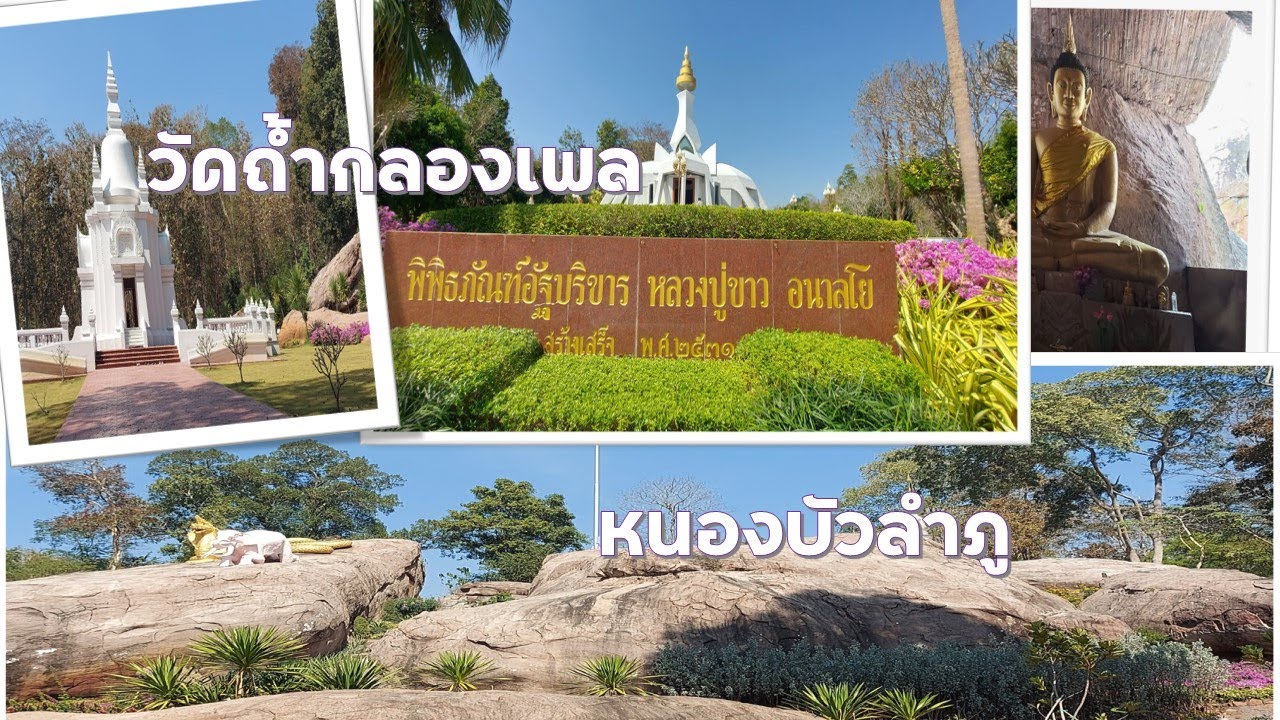
 Click to Access the Navigation Map GPS
Wax Figure Museum of Luang Pu Khao Analayo Map

 Historical Sites and Monuments(4)
 Landmarks and Memorials(1)
 Art, Craft Centres, Tradition(1)
Museums(3)
Art, Craft Centres, Tradition(1)
Museums(3)
 Places of Worship
 Temple(10)
 Other Sacred Sites(6)
 Suburban Living
 Village, Community(3)
 Nature and Wildlife
 National Parks and Marine Reserves(3)
 Mountain (Doi)(5)
 Dam, Reservoir, Lake(5)
 Waterfalls(1)
 Caves(6)
 River, Canal(2)
 Bays and Beaches(1)
 Other natural attractions(3)


