
lovethailand home >Northeastern Travel Attractions >Nong Bua Lamphu Travel Attractions >Si Bun Ruang >Nong Bua Tai > The Wooden Ubosot (Chapel) of Wat Charoen Songtham
TL;DR: The Wooden Ubosot (Chapel) of Wat Charoen Songtham is located at Ban Don Po, Moo 2, Nong Bua Tai Subdistrict, Si Bun Rueang District, Nong Bua Lamphu Province, open Daily, hours 08.30 – 16.30.

The Wooden Ubosot (Chapel) of Wat Charoen Songtham
Open Days: Daily
Opening Hours: 08.30 – 16.30
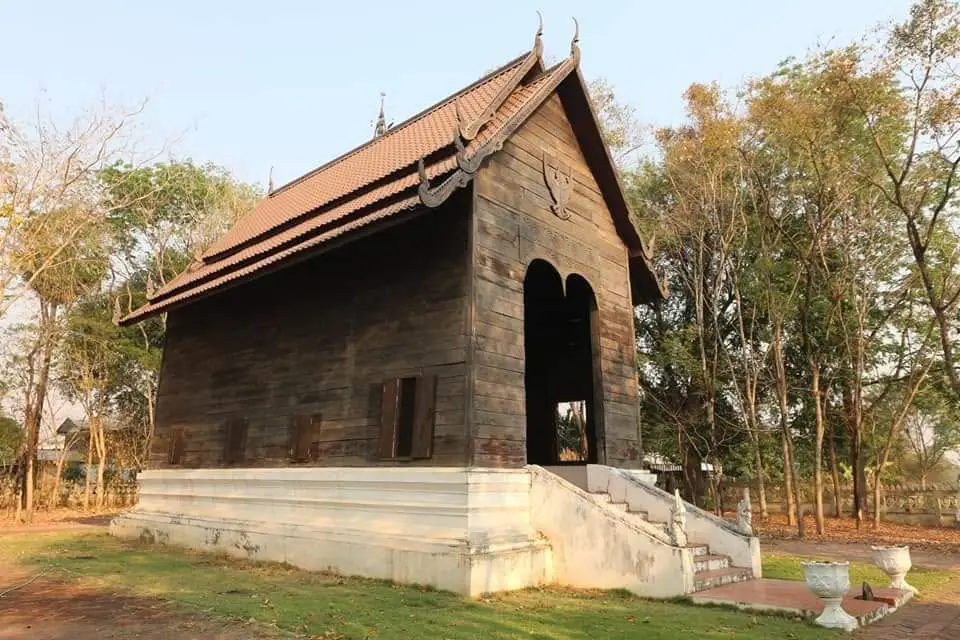
The Wooden Sim of Wat Charoen Songtham in Ban Don Po, Nong Bua Tai Subdistrict, Si Bun Rueang District, Nong Bua Lamphu Province, is a rare example of traditional Isan wooden temple architecture. Built entirely of wood, the compact ordination hall features a high gabled roof, carved wooden details, a Garuda motif on the front gable, naga-decorated stairs, and a seated Buddha image known locally as “Phra Khi Nor.” It is a valuable cultural site for travelers interested in old temples, local craftsmanship, Buddhist architecture, and the heritage of northeastern Thailand.
The Wooden Sim of Wat Charoen Songtham is located in Ban Don Po, Moo 2, Nong Bua Tai Subdistrict, Si Bun Rueang District, Nong Bua Lamphu Province. Although modest in size, this wooden sim is one of the most meaningful cultural landmarks in the area. Its importance lies not in grandeur, but in its balanced proportions, local wooden craftsmanship, Buddhist symbolism, and the way it preserves the architectural memory of rural Isan communities.
In northeastern Thailand, the word “sim” refers to an ordination hall used for Buddhist monastic ceremonies. Traditional Isan sims may appear in several forms, including water-based sims, land-based sims, open sims, and enclosed sims. The sim at Wat Charoen Songtham is an enclosed wooden sim built in the vernacular Isan style. Wooden sims of this kind are increasingly rare, as many old wooden structures have deteriorated over time or have been replaced by larger concrete ordination halls. For that reason, this temple preserves an important example of local religious architecture that still stands within its original community setting.
Wat Charoen Songtham has long been associated with the Ban Don Po community. The temple was formerly known as Wat Don Po before being restored and renamed Wat Charoen Songtham. The wooden sim was built in 1946. It originally stood as a water-based sim in a pond on the eastern side of the temple. Around 1955, it was moved onto land in the northwestern part of the temple grounds, and its brick-and-plaster base was completed in 1959. This history gives the building added significance because it reflects a transition in temple space from a water sim to a land sim, while still preserving the original wooden structure and community memory.
The building has a tall hall-like form with a front porch facing east, following a common orientation in Buddhist sacred architecture. The entrance is reached by brick-and-plaster stairs, with naga sculptures decorating the stairheads. In Isan temple art, naga figures often represent guardianship, water, abundance, and spiritual protection. Their presence at the entrance gives the small wooden sim a dignified and sacred character, guiding visitors from the outer temple grounds into a more contemplative religious space.
One of the most striking features of the sim is the carved wooden front gable. It is decorated with a Garuda motif and delicate wooden patterns known locally as rang phueng. These carvings reveal the skill of local craftsmen who transformed simple wooden boards into meaningful religious ornamentation. The Garuda symbol adds power and elegance to the front of the building, while the carved details soften the structure with a sense of grace. Together, they make the sim more than a functional building; they turn it into a work of local sacred art.
The walls are made of horizontal wooden boards. On each side wall, there are four windows that allow light and ventilation to enter the interior. The rear wall is more enclosed, helping create a calm atmosphere inside the sim. The roof has two overlapping gabled tiers. Originally, the roof was covered with wooden shingles, but it is now roofed with metal sheets for durability. The high roof form allows air to circulate naturally, making the interior cooler and more comfortable in the tropical climate. This design demonstrates how local builders understood both spiritual function and environmental comfort.
At the center of the roof ridge is a carved wooden element inspired by an Isan-style reliquary or stupa form. This detail connects the architectural composition to Buddhist symbolism. In Isan culture, reliquary forms often represent faith, permanence, and the spiritual center of a community. Placing this motif on the roofline gives the small wooden sim a deeper religious meaning and visually connects it with the broader Buddhist landscape of northeastern Thailand.
Inside the sim is a seated Buddha image in meditation posture, known locally as Phra Khi Nor. The image serves as the spiritual focus of the interior. Its calm posture matches the quiet wooden space around it. Travelers entering the sim will notice that the atmosphere is very different from large and highly decorated temples. Here, the experience is more intimate, understated, and reflective. The value of the place lies in stillness, age, craftsmanship, and continuity of faith.
The Wooden Sim of Wat Charoen Songtham is especially meaningful because it was created through local wisdom rather than formal royal architectural planning. Its form, materials, and details reflect the abilities of village craftsmen and the collective effort of the community. Wood was a practical and familiar material in rural Isan, and local builders used it with sensitivity to create a sacred space that was functional, beautiful, and deeply connected to community life.
For travelers interested in local history, this sim offers a valuable opportunity to understand how rural Buddhist communities in Isan created sacred architecture. The building tells a story of faith, adaptation, and preservation. Its relocation from water to land shows how religious structures could change with the needs of the community while still maintaining their original importance. The site is therefore suitable not only for casual sightseeing, but also for cultural learning, architectural study, and heritage interpretation.
The atmosphere of Wat Charoen Songtham remains peaceful and local. Visitors can take time to observe the front gable, carved wooden details, horizontal plank walls, side windows, naga stairway, roof form, and the Buddha image inside. The beauty of this place is best appreciated slowly. Rather than rushing through, visitors should look carefully at the craftsmanship and the proportions of the building, because its charm comes from details that reveal themselves gradually.
As this is an active Buddhist temple and a respected local sacred site, visitors should dress politely, speak quietly, and avoid touching the old wooden carvings unnecessarily. Climbing on the structure or leaning against fragile parts of the building should be avoided. Respectful behavior helps protect the heritage value of the sim and allows future generations to continue learning from this rare example of Isan wooden architecture.
Getting There is most convenient by private car or rental car. Travelers can use the Nong Bua Lamphu – Sang Sian route or follow Rural Road 6015 toward Ban Don Po in Nong Bua Tai Subdistrict. The temple is about 30 km from Nong Bua Lamphu town. The route passes through rural landscapes and local communities before reaching Wat Charoen Songtham, making it a good stop for travelers exploring the cultural side of Nong Bua Lamphu Province.
The site can be visited as part of a half-day or full-day cultural route in Si Bun Rueang District. Nearby places such as local temples, Phasam Yot, and natural sites toward Phu Wiang can be combined depending on available time. The Wooden Sim of Wat Charoen Songtham does not require a long visit, but it offers a high-value cultural experience for travelers who appreciate old temples, regional architecture, and quiet community-based destinations.
The best time to visit is during the morning or early afternoon, when natural light makes it easier to see the wood texture and carved details. For photography, the front angle is useful for capturing the gable, Garuda carving, and naga staircase, while a side angle shows the rhythm of the wooden wall and the layered gabled roof. Visitors should take photographs respectfully and avoid disturbing people who come to the temple for worship.
Overall, the Wooden Sim of Wat Charoen Songtham is a culturally important attraction in Nong Bua Lamphu. It adds depth to the province’s tourism identity by showing a quieter, more heritage-focused side of Isan. Through one small wooden building, visitors can see the relationship between Buddhist faith, local craftsmanship, community history, and the enduring value of vernacular architecture.
| Name | Wooden Sim of Wat Charoen Songtham |
| Location | Ban Don Po, Moo 2, Nong Bua Tai Subdistrict, Si Bun Rueang District, Nong Bua Lamphu Province |
| Address | No. 150, Moo 2, Ban Don Po, Nong Bua Tai Subdistrict, Si Bun Rueang District, Nong Bua Lamphu 39180, Thailand |
| Coordinates | 16.920605, 102.36846 |
| Highlights | Traditional Isan wooden sim built entirely of wood, with a carved Garuda gable, rang phueng patterns, naga staircase, and a seated Buddha image known locally as Phra Khi Nor |
| History | The temple was formerly known as Wat Don Po. The wooden sim was built in 1946, originally as a water sim, later moved onto land around 1955, with its base completed in 1959 |
| Name Origin | The temple was originally called Wat Don Po before being restored and renamed Wat Charoen Songtham by Phra Khru Nawakon Koson and the local community |
| Distinctive Features | Tall wooden hall, east-facing front porch, horizontal wooden plank walls, four side windows on each side, two-tiered gabled roof, and carved wooden roof ornament inspired by an Isan reliquary form |
| Travel Information | Travel via the Nong Bua Lamphu – Sang Sian route or Rural Road 6015 toward Ban Don Po. The site is about 30 km from Nong Bua Lamphu town and is best reached by private car or rental car |
| Current Status | Open to visitors as a cultural and artistic heritage site of Nong Bua Tai Subdistrict and Nong Bua Lamphu Province |
| Open Days | Daily |
| Opening Hours | 08.30 – 16.30 |
| Main Areas / Zones | Historic Wooden Sim Front Porch And Naga Staircase Garuda And Rang Phueng Carved Gable Interior Buddha Image Known As Phra Khi Nor Temple Grounds And Ban Don Po Community Area |
| Abbot / Caretaker | Phra Maha Somyong Dhammarakkhito, Abbot of Wat Charoen Songtham |
| Main Contact Number | Nong Bua Tai Subdistrict Administrative Organization, Tel. 0-4200-2252 |
| Official Website / Official Page | Nong Bua Tai Subdistrict Administrative Organization, nongboatai.go.th |
| Nearby Tourist Attractions | 1. Wat Pa Anuttaro, Si Bun Rueang District, about 13 km 2. Wat Sawang Arom, Si Bun Rueang District, about 15 km 3. Wat Siri Mongkhon, Si Bun Rueang District, about 18 km 4. Phasam Yot, Nong Kung Kaeo Subdistrict, Si Bun Rueang District, about 35 km 5. Tat Fa Waterfall, Phu Wiang National Park, about 55 km |
| Nearby Restaurants | 1. R&B Cafe, about 14 km, Tel. 089-283-1709, 095-706-9259 2. PunThai Coffee, Road 228 Si Bun Rueang, about 15 km, Tel. 061-414-3547 3. Na Khun Yai Restaurant, about 15 km, Tel. 098-258-9838 4. Dab Samak Photchana Restaurant, about 15 km, Tel. 082-126-5960 5. Sawan Baan Na Restaurant, about 17 km, Tel. 084-787-4847, 064-748-0781 |
| Nearby Accommodations | 1. P2 Garden View Si Bun Rueang, about 13 km, Tel. 061-079-7136 2. TonLiw Hotel Si Bun Rueang, about 13 km, Tel. 095-917-9073 3. Pe-La Phloen Inn, about 14 km, Tel. 062-703-7272 4. Hi Creek Resort & Campsite, about 14 km, Tel. 082-570-5925 5. BANSUAN HOTEL, about 15 km, Tel. 087-225-4005 6. Namfon Resort 24-Hour Rooms, about 14 km, Tel. 085-683-4162 |
Frequently Asked Questions (FAQ)
Q: Where is the Wooden Sim of Wat Charoen Songtham located?
A: It is located in Ban Don Po, Moo 2, Nong Bua Tai Subdistrict, Si Bun Rueang District, Nong Bua Lamphu Province, about 30 km from Nong Bua Lamphu town.
Q: Why is the Wooden Sim of Wat Charoen Songtham important?
A: It is a rare traditional Isan wooden sim built entirely of wood and is valued for its architecture, craftsmanship, local history, and Buddhist cultural significance.
Q: What are the main highlights of the wooden sim?
A: The main highlights include the compact wooden structure, two-tiered gabled roof, carved Garuda gable, rang phueng wooden patterns, naga staircase, and the seated Buddha image known locally as Phra Khi Nor.
Q: What are the opening hours?
A: The site is open daily from 08.30 to 16.30.
Q: How can travelers get there?
A: Travelers can follow the Nong Bua Lamphu – Sang Sian route or Rural Road 6015 toward Ban Don Po. The site is best reached by private car or rental car.
Q: Who is the abbot of Wat Charoen Songtham?
A: The abbot is Phra Maha Somyong Dhammarakkhito.
Q: What should visitors keep in mind when visiting?
A: Visitors should dress modestly, speak quietly, avoid climbing on the structure, and avoid touching the old wooden carvings unnecessarily because the site is an active Buddhist temple and a valuable heritage building.
Q: What nearby places can be combined with this visit?
A: Nearby places include Wat Pa Anuttaro, Wat Sawang Arom, Wat Siri Mongkhon, Phasam Yot, and Tat Fa Waterfall, depending on travel time and route planning.
 Category: ●Places of Worship
 Group: ●Other Sacred Sites
Last Update : 2 MonthAgo
 Last Update : 2 MonthAgo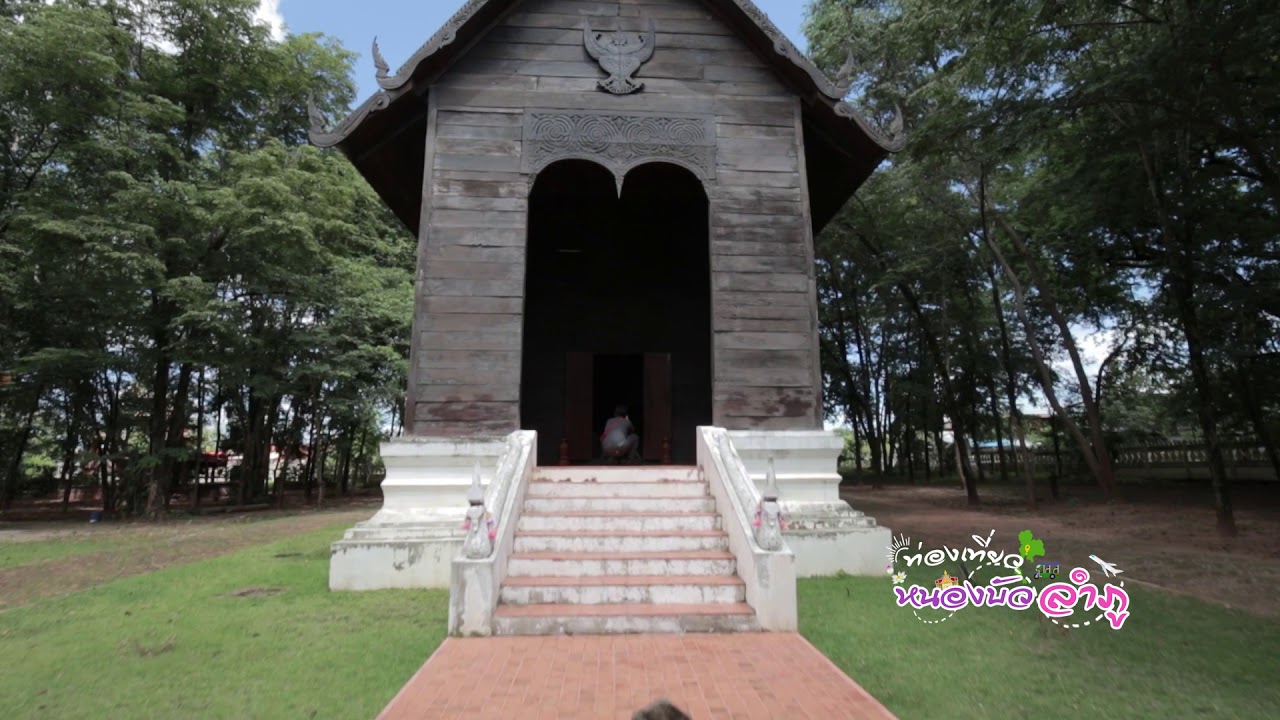
 Click to Access the Navigation Map GPS
The Wooden Ubosot (Chapel) of Wat Charoen Songtham Map

 Art, Culture and Heritage
 Historical Sites and Monuments(4)
 Landmarks and Memorials(1)
 Art, Craft Centres, Tradition(1)
 Museums(3)
 Temple(10)
Other Sacred Sites(6)
Temple(10)
Other Sacred Sites(6)
 Suburban Living
 Village, Community(3)
 Nature and Wildlife
 National Parks and Marine Reserves(3)
 Mountain (Doi)(5)
 Dam, Reservoir, Lake(5)
 Waterfalls(1)
 Caves(6)
 River, Canal(2)
 Bays and Beaches(1)
 Other natural attractions(3)


