
lovethailand home >Northeastern Travel Attractions >Nakhon Ratchasima Travel Attractions >Wang Nam Khieo >Thai Samakkhi > Suan Lung Krai Chemical-Free Vegetable Garden
TL;DR: Suan Lung Krai Chemical-Free Vegetable Garden is located at Ban Suk Somboon, Thai Samakkhi Subdistrict, Wang Nam Khiao District, Nakhon Ratchasima Province, open Daily, hours 08.00 – 17.00.
Suan Lung Krai Chemical-Free Vegetable Garden
Open Days: Daily
Opening Hours: 08.00 – 17.00
Suan Lung Krai Chemical-Free Vegetable Garden in Nakhon Ratchasima, also known as Ban Suk Somboon Chemical-Free Winter Salad Farm, is an agritourism and agricultural learning site in Wang Nam Khiao District. Located at 111 Moo 2, Ban Suk Somboon, Thai Samakkhi Subdistrict, the garden is one of the most memorable places associated with chemical-free salad vegetables in Wang Nam Khiao. It is closely connected with the story of Lung Krai Chomnoi, a successful local farmer whose garden became famous not only for fresh vegetables but also for the phrase “my vegetables grow with music.” The garden introduces visitors to safe vegetable farming, local food production, community-based tourism, and the mountain farming atmosphere of northeastern Thailand.
Suan Lung Krai is more than an ordinary vegetable garden. It connects farming, health, food, community life, and the personality of the grower in one place. The fresh chemical-free vegetables once supplied to well-known restaurants, hotels, and food-service venues did not come from a large industrial system. They came from a garden in Ban Suk Somboon, cared for through daily attention to seedlings, soil, water, beds, cleanliness, pest control, harvest timing, and post-harvest freshness. Seeing the garden allows visitors to understand that every fresh salad leaf has a real farming story behind it.
The name Lung Krai Chomnoi is strongly connected with the image of an artist-farmer. Visitors remember the story of him sitting with a guitar, playing music in the garden, and letting the vegetables grow in an atmosphere of song and care. This story gives the garden a human character that ordinary farms often do not have. It shows that vegetable farming is not only technical work. It is also a relationship between a person and living plants, shaped by observation, patience, affection, and consistency. The music has become a symbol of care and gives Suan Lung Krai a unique identity.
Ban Suk Somboon is an agricultural community in Thai Samakkhi Subdistrict, a highland area of Wang Nam Khiao known for cool air, mountains, water sources, mushrooms, vegetables, homestays, and local products. The area supports the cultivation of highland vegetables and chemical-free produce because of its climate and rural landscape. Suan Lung Krai is therefore not an isolated farm. It is part of a wider community system where agriculture, tourism, accommodation, food, and local learning activities support one another.
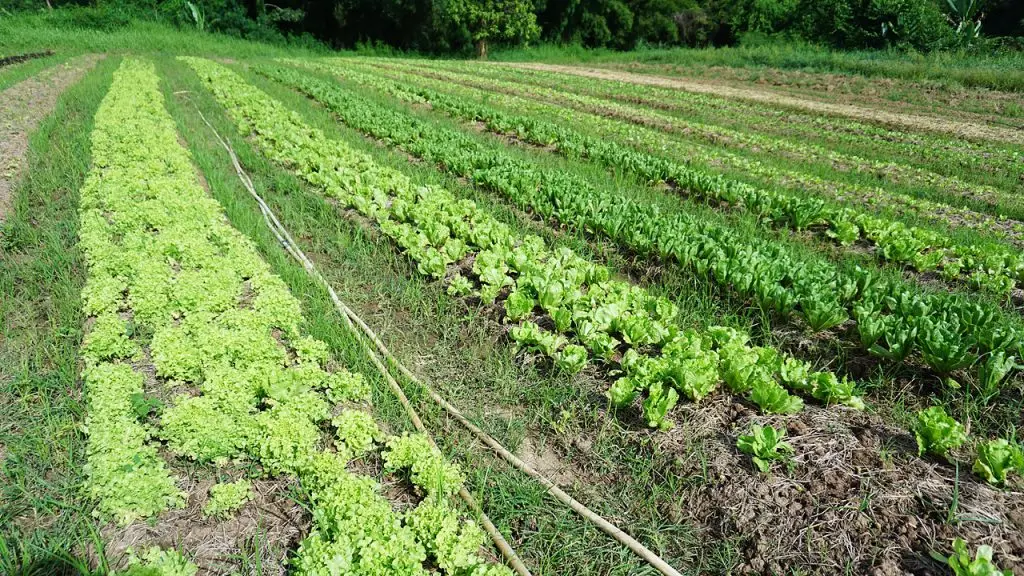
The garden grows many kinds of chemical-free salad vegetables and highland vegetables. Key vegetables include iceberg lettuce, cos lettuce, green oak, red oak, red leaf, butterhead, green leaf lettuce, red leaf lettuce, and frilly red lettuce. Other crops associated with the garden include cherry tomatoes, tomatoes, cabbage, sweet corn, pumpkin, and beetroot. This diversity makes the garden a useful learning space where visitors can compare leaf shapes, colors, textures, flavors, and culinary uses in one agricultural setting.
Each type of salad vegetable has its own character. Iceberg lettuce is crisp and juicy, suitable for salads and sandwiches. Cos lettuce has long upright leaves and a firm structure, often used in Caesar-style salads. Green oak has soft green leaves and a mild flavor. Red oak and red leaf add purple-red tones that make dishes more visually attractive. Butterhead is tender, soft, and lightly sweet. Seeing these vegetables in a growing area helps visitors understand that salad greens are not all the same. They differ in color, texture, structure, harvest timing, and use in food.
The chemical-free concept is central to Suan Lung Krai. Salad vegetables are often eaten fresh or lightly prepared, so their growing process matters directly to consumers. Chemical-free production requires a complete farm-management system, not only the absence of chemical substances at the end of production. Farmers must keep growing beds clean, manage soil and water, rotate crops, observe pests, harvest at the correct time, and handle the vegetables carefully after cutting. Fresh, clean, crisp vegetables come from discipline across the whole process.
Suan Lung Krai also functions as a technology-transfer and agricultural learning point for chemical-free vegetable production. People interested in farming can learn from a real site how winter vegetables can be cultivated in Thailand. Although some vegetables prefer cooler weather, Thai conditions still include strong sunlight, humidity, and plant-disease pressure. Growers must choose suitable varieties, manage irrigation, keep beds airy, protect seedlings, and observe vegetable responses in each season. This makes the garden valuable for agricultural learners, students, home gardeners, and visitors who want to understand safe food production from the source.
Today, the garden operates as a place for chemical-free vegetables, local produce, community products, and nature-style accommodation. Learning activities and vegetable-bed viewing depend on planting cycles and garden readiness. This reflects the reality of a working farm. Vegetable plots have cycles: seedling, transplanting, growing, harvesting, and resting. They do not remain in display condition all year. The changing condition of the farm is part of its authenticity, because visitors are seeing a living agricultural space rather than a fixed exhibition garden.
The charm of visiting Suan Lung Krai lies in seeing the origin of healthy food in a real farming environment. Salad leaves that appear in restaurants, cafés, hotel buffets, and supermarkets begin as tiny seedlings. They require soil, water, light, airflow, care, and daily observation before they become fresh produce. A visit to the garden helps travelers understand that a plate of salad is not only a meal. It is the result of local knowledge, hard work, and careful handling by people who understand the crop.
For families, Suan Lung Krai is a useful outdoor classroom. Children can see that vegetables do not come from supermarket shelves. They grow from seeds, in soil, with water, sunlight, and human care. Children can compare green and red leaves, see different shapes of lettuce, and understand why farms must be respected. Parents can use the visit to teach children not to step into vegetable beds, not to pick vegetables without permission, and to understand the value of farmers who produce food.
For health-focused travelers, the garden makes the idea of safe food tangible. Eating chemical-free vegetables is not only about choosing a healthy dish. It is also about supporting a farming system that pays attention to growers, consumers, soil, water, and the surrounding environment. Seeing the garden helps visitors understand that food safety begins before the kitchen. It begins with the bed, the water, the soil, and the daily decisions made by farmers.
For international travelers, Suan Lung Krai presents Thailand from a perspective beyond temples, beaches, markets, and historic towns. It shows a mountain community in Nakhon Ratchasima producing chemical-free vegetables, mushrooms, local products, and community-based experiences. Foreign visitors can see how food, farming, music, and rural life come together in one small but meaningful destination. The place helps explain that Thai tourism can also be about food origins, safe agriculture, and the relationship between people and land.
The route to Suan Lung Krai is part of the experience. From Highway 304, the Kabin Buri – Pak Thong Chai route, travelers enter Ban Thai Samakkhi and continue toward Pha Kep Tawan. A sign for Suan Lung Krai appears on the left. After turning in, visitors pass a bamboo-cottage-style resort area, then turn right toward the parking area in front of the garden. The journey passes community roads, schools, homes, farms, vegetable plots, mushroom farms, and green landscapes before reaching the garden.
Getting There is most convenient by private car, rental car, or arranged local transport. From Nakhon Ratchasima city, take Highway 304 toward Wang Nam Khiao, enter Thai Samakkhi Subdistrict, pass Ban Thai Samakkhi School, and continue toward Ban Suk Somboon. The garden is at 111 Moo 2, about 5 km beyond the Soom Mai Ngam area. From Bangkok, a practical route is Ongkharak – Nakhon Nayok – Prachin Buri – Kabin Buri, then Highway 304 toward Wang Nam Khiao.
Having private transport makes the trip easier because Suan Lung Krai is located in a community route connected with several nearby places. Visitors can combine the garden with Wang Nam Khiao Farm, Huai Khamin Reservoir, Ban Suk Somboon Homestay, the Ban Bu Sai chrysanthemum fields, and Pha Kep Tawan. A half-day route can include the garden, Wang Nam Khiao Farm, and the community market. A full-day route can add Pha Kep Tawan, Village Farm & Winery, or Montana Farm.
The best time to visit is from morning to early afternoon, when the weather is more comfortable for walking around farm areas. Visitors who want to buy fresh vegetables, local products, or join learning activities should visit during opening hours. Vegetable plots change quickly according to planting and harvest cycles. A bed that looks full in one period may be harvested or resting in another. This seasonal and production rhythm is part of the real farm experience.
Buying vegetables directly from the garden has more meaning than buying them from a retail shelf. Visitors can see the growing environment, connect with the local producer, and support the community more directly. Farm vegetables may not always look identical like graded retail products, but they carry freshness, a shorter transport distance, and a clearer link to the grower. A purchase from the garden becomes both a food item and a way of supporting local agriculture.
Good farm etiquette is important because the garden is a real food-production space. Visitors should walk only on open paths, avoid stepping into vegetable beds, avoid picking vegetables without permission, avoid touching leaves too strongly, keep the area clean, and supervise children carefully. Salad leaves bruise easily, and vegetable beds require cleanliness. Respectful behavior protects the produce and keeps the garden suitable for future visitors.
Ban Suk Somboon is also suitable for overnight stays. Community homestays and nature-style accommodation allow travelers to experience the village beyond a short visit. In the morning, visitors can enjoy cool air and see the community begin its farming day. During the day, they can visit vegetable gardens, mushroom farms, and local activity areas. In the evening, they can rest near water and mountain scenery. Staying overnight gives a deeper understanding of Wang Nam Khiao as a living farming community.
Economically, Suan Lung Krai shows how chemical-free farming can create income and recognition for a rural community. When visitors buy vegetables, mushrooms, local products, meals, coffee, or accommodation, the income moves through farmers, homestay owners, restaurants, product makers, and local service providers. Agritourism therefore helps communities develop more income choices while keeping agriculture at the center of their identity.
Nearby dining options fit the agricultural and health theme of the trip. Wang Nam Khiao Farm is known for mushroom products and farm-based food. Wang Nam Khiao Coffee Roasting is suitable for coffee and a community atmosphere. Patta Wang Nam Khiao and Na Siri Wang Nam Khiao offer Thai and Western dishes. The Old Barn at Village Farm & Winery connects the vegetable route with a vineyard dining atmosphere. These options help visitors continue the food journey from production source to dining table.
Accommodation is available in several nearby styles. Travelers can stay at the garden accommodation area, Ban Suk Somboon Homestay, Ban Bu Sai homestays, Thai Samakkhi lodgings, or larger resorts in Wang Nam Khiao. Those who want to stay close to the vegetable garden and community life can choose Suan Lung Krai accommodation or Ban Suk Somboon Homestay. Travelers who prefer resort-style comfort can continue to Kiangmok Chalet, Village Farm & Winery, or Veravian Resort depending on their route.
Overall, Suan Lung Krai Chemical-Free Vegetable Garden is meaningful because it brings together highland salad vegetables, safe food, music, farming knowledge, Ban Suk Somboon community life, and Wang Nam Khiao nature. It is suitable for families, students, health-focused travelers, agricultural learners, community-based tourists, and international visitors who want to understand Thai food from its source. The garden is not only a place to buy vegetables. It is a place where food, people, land, and care become one travel experience.
Suan Lung Krai shows Wang Nam Khiao through fresh vegetables, ordinary soil made extraordinary by care, the music of an artist-farmer, and a commitment to producing safer food. When combined with Wang Nam Khiao Farm, Huai Khamin Reservoir, Ban Suk Somboon Homestay, the Ban Bu Sai chrysanthemum fields, Village Farm & Winery, Montana Farm, and Pha Kep Tawan, this route becomes a complete Nakhon Ratchasima experience through farming, health, food, nature, and community life.
| Name | Suan Lung Krai Chemical-Free Vegetable Garden / Ban Suk Somboon Chemical-Free Winter Salad Farm / Uncle Krai Chomnoi’s Garden |
| Location | Ban Suk Somboon, Thai Samakkhi Subdistrict, Wang Nam Khiao District, Nakhon Ratchasima Province |
| Address | 111 Moo 2, Ban Suk Somboon, Thai Samakkhi Subdistrict, Wang Nam Khiao District, Nakhon Ratchasima 30370, Thailand |
| Highlights | A chemical-free salad vegetable garden associated with Uncle Krai Chomnoi, known for the story of playing music for vegetables, local produce, community products, and a mountain farming atmosphere in Ban Suk Somboon |
| History / Importance | An agricultural learning site and technology-transfer point for chemical-free vegetable production in Wang Nam Khiao, closely connected with Ban Suk Somboon’s identity as a safe-food and community-based tourism area |
| Name Origin | Named after Uncle Krai Chomnoi, the garden caretaker, and the winter salad vegetable growing area of Ban Suk Somboon |
| Distinctive Features | Iceberg lettuce, cos lettuce, green oak, red oak, red leaf, butterhead, green leaf lettuce, red leaf lettuce, frilly red lettuce, cherry tomatoes, tomatoes, cabbage, sweet corn, pumpkin, and beetroot |
| Travel Information | From Highway 304 on the Kabin Buri – Pak Thong Chai route, enter Ban Thai Samakkhi and continue toward Pha Kep Tawan. Follow the sign for Suan Lung Krai on the left, pass the bamboo-cottage-style resort area, then turn right to the parking area in front of the garden. |
| Current Status | Open daily for chemical-free vegetable buying, local produce, community products, agricultural learning activities according to planting cycles, and nature-style accommodation in the garden area |
| Open Days | Daily |
| Opening Hours | 08.00 – 17.00 |
| Activity Fee | 20 Baht Per Person For Agricultural Learning Activities |
| Approximate Activity Duration | About 60 Minutes |
| Facilities | Chemical-free vegetable sales area, local produce area, community product area, agricultural learning point, nature-style accommodation, parking area, pet-friendly space, smoking area, wheelchair service, and Wi-Fi in the activity area |
| Main Areas / Zones | Winter Salad Vegetable Zone, Chemical-Free Vegetable Zone, Fresh Produce Sales Zone, Community Product Zone, Chemical-Free Farming Learning Zone, Bamboo Cottage And Nature Accommodation Zone, Parking Zone, and Ban Suk Somboon Community Activity Zone |
| Caretaker / Coordinator | Mr. Krai Chomnoi / Uncle Krai Chomnoi’s Garden |
| Main Contact Number | 081-274-6961, 081-912-1959 |
| Garden Accommodation Contact | 081-305-4335 |
| Local Community Contact | Ban Suk Somboon Community-Based Tourism Club, Tel. 093-372-3122 |
| Nearby Tourist Attractions | 1. Huai Khamin Reservoir And Ban Suk Somboon Community Market, about 1 km 2. Wang Nam Khiao Farm (Mr. Mushroom), about 2 km, Tel. 044-228991, 044-228992, 081-001-1555 3. Chrysanthemums In The Mist Area And Ban Bu Sai Chrysanthemum Growers Group, about 5 km, Tel. 085-302-2785, 084-431-2745 4. Pha Kep Tawan, Thap Lan National Park, about 4 km, Tel. 037-210340 5. Village Farm & Winery, about 9 km, Tel. 081-877-3711 6. Montana Farm Wang Nam Khiao, about 12 km, Tel. 044-228376, 098-345-1900, 084-834-4880 7. Flora Park Wang Nam Khiao, about 18 km |
| Nearby Restaurants | 1. Wang Nam Khiao Farm (Mr. Mushroom), about 2 km, Tel. 044-228991, 044-228992, 081-001-1555 2. Wang Nam Khiao Coffee Roasting, about 2 km, Tel. 089-054-6619 3. Old Barn Restaurant At Village Farm & Winery, about 9 km, Tel. 081-877-3711 4. Patta Wang Nam Khiao, about 8 km, Tel. 065-945-5168 5. Na Siri Wang Nam Khiao, about 10 km, Tel. 088-354-0980 6. Suan Mae Mon Farm And Cafe, about 15 km, Tel. 080-024-8434 |
| Nearby Accommodations | 1. Wang Nam Khiao Village / Suan Lung Krai Accommodation, about 0 km, Tel. 081-305-4335 2. Ban Suk Somboon Homestay, about 1 km, Tel. 093-372-3122 3. Kiangmok Chalet, about 7 km, Tel. 081-611-5515, 080-210-8033 4. Baan Mai Rim Than Homestay, Ban Bu Sai, about 8 km, Tel. 080-731-7439 5. Village Farm & Winery, about 9 km, Tel. 081-877-3711 6. Veravian Resort Wang Nam Khiao, about 18 km, Tel. 083-111-5678, 083-111-6789 |
Frequently Asked Questions (FAQ)
Q: Where Is Suan Lung Krai Chemical-Free Vegetable Garden Located?
A: Suan Lung Krai is located at 111 Moo 2, Ban Suk Somboon, Thai Samakkhi Subdistrict, Wang Nam Khiao District, Nakhon Ratchasima 30370, Thailand.
Q: What Are The Opening Days And Hours?
A: The garden is open daily from 08.00 to 17.00 for chemical-free vegetable buying, community products, and agricultural learning activities according to garden readiness.
Q: How Much Is The Activity Fee?
A: The agricultural learning activity fee is 20 Baht per person, with an approximate activity duration of 60 minutes.
Q: What Vegetables Are Grown At Suan Lung Krai?
A: The garden is associated with iceberg lettuce, cos lettuce, green oak, red oak, red leaf, butterhead, green leaf lettuce, red leaf lettuce, frilly red lettuce, cherry tomatoes, tomatoes, cabbage, sweet corn, pumpkin, and beetroot.
Q: What Is The Story Behind “Vegetables Grow With Music”?
A: It refers to Lung Krai Chomnoi’s distinctive practice of playing music and guitar in the garden, creating the memorable identity of an artist-farmer who cares deeply for his vegetables.
Q: How Do Travelers Get To Suan Lung Krai?
A: From Highway 304 on the Kabin Buri – Pak Thong Chai route, enter Ban Thai Samakkhi and continue toward Pha Kep Tawan. Follow the sign for Suan Lung Krai on the left, pass the bamboo-cottage-style resort area, then turn right to the parking area in front of the garden.
Q: What Nearby Attractions Can Be Visited With Suan Lung Krai?
A: Nearby places include Wang Nam Khiao Farm, Huai Khamin Reservoir, Ban Suk Somboon Homestay, the Ban Bu Sai chrysanthemum fields, Pha Kep Tawan, Village Farm & Winery, Montana Farm, and Flora Park Wang Nam Khiao.
Q: Who Is Suan Lung Krai Suitable For?
A: It is suitable for families, health-focused travelers, agricultural learners, students, community-based tourists, and international visitors who want to see the source of fresh vegetables in Wang Nam Khiao.
Mobile : 0812746961, 0862595755, 0819559461
 Mobile : 0812746961, 0862595755, 0819559461
 Category: ●Entertainment and Agricultural
 Group: ●Farms, Parks and Ecotourism
Last Update : 3 MonthAgo
 Last Update : 3 MonthAgo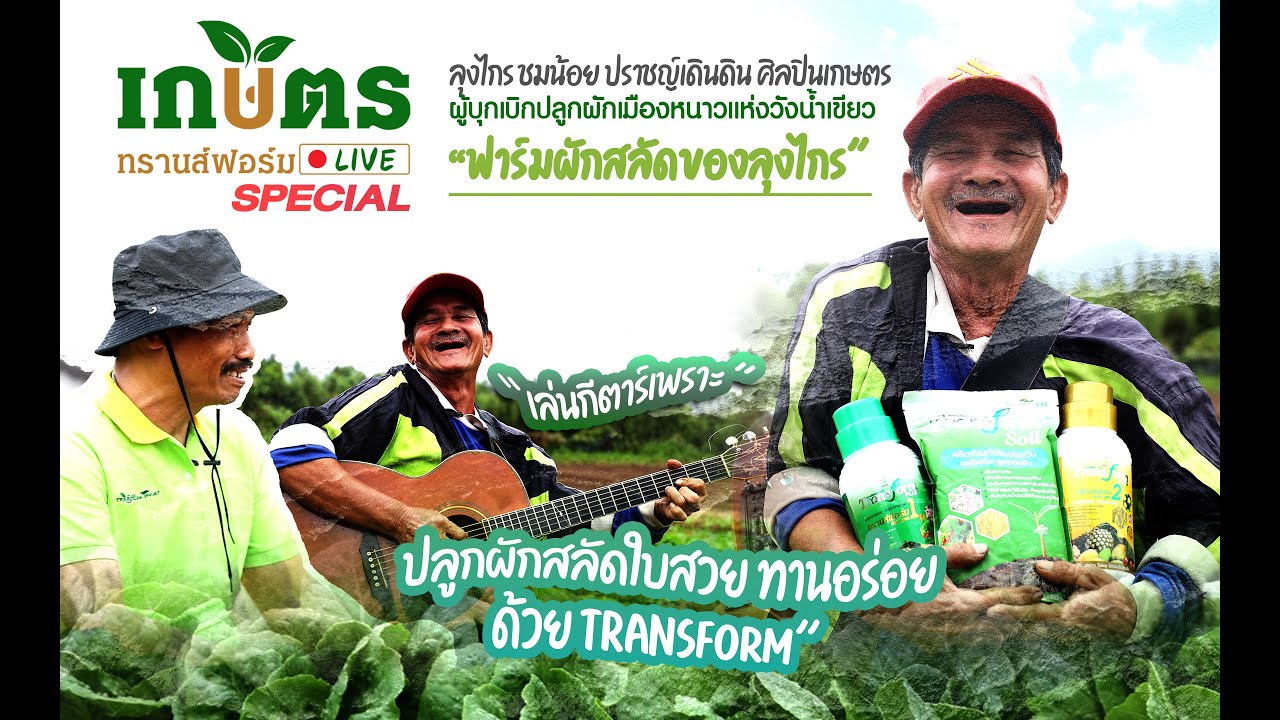
 Click to Access the Navigation Map GPS
Suan Lung Krai Chemical-Free Vegetable Garden Map
Recommend

 Art, Culture and Heritage
 Historical Sites and Monuments(20)
 Landmarks and Memorials(5)
 Art, Craft Centres, Tradition(7)
 Museums(6)
 Art Gallery(1)
 Educational Places
 Educational Gardens, Farm(4)
 Places of Worship
 Temple(29)
 Mosque(1)
 Other Sacred Sites(6)
 Research and Development
 Royal Project(3)
 Suburban Living
 Village, Community(6)
 Local Market(4)
 Floating Market(1)
 Nature and Wildlife
 National Parks and Marine Reserves(3)
 Mountain (Doi)(5)
 Dam, Reservoir, Lake(8)
 Waterfalls(9)
 Hot Springs(1)
 Caves(2)
 Flower Field(1)
 River, Canal(8)
 Bays and Beaches(2)
 Other natural attractions(3)
 Zoos and Aquariums(2)
 Animal camps and shows(1)
Farms, Parks and Ecotourism(21)
Animal camps and shows(1)
Farms, Parks and Ecotourism(21)
 Waterpark(2)
 Outdoor and Adventure Activities(6)
 Shopping
 Shopping and Night Market(2)
 Travel Articles, Recipes
 Travel Review, Food Review(6)


