
lovethailand home >Northeastern Travel Attractions >Nakhon Ratchasima Travel Attractions >Pak Chong >Pong Ta Long > Natural Fountain
TL;DR: Natural Fountain is located at Ban Tha Chang Nuea, Mu Si Subdistrict, Pak Chong District, Nakhon Ratchasima Province, Thailand, open Temporarily Closed From 8 June 2026 Onward, hours Closed During Renovation.
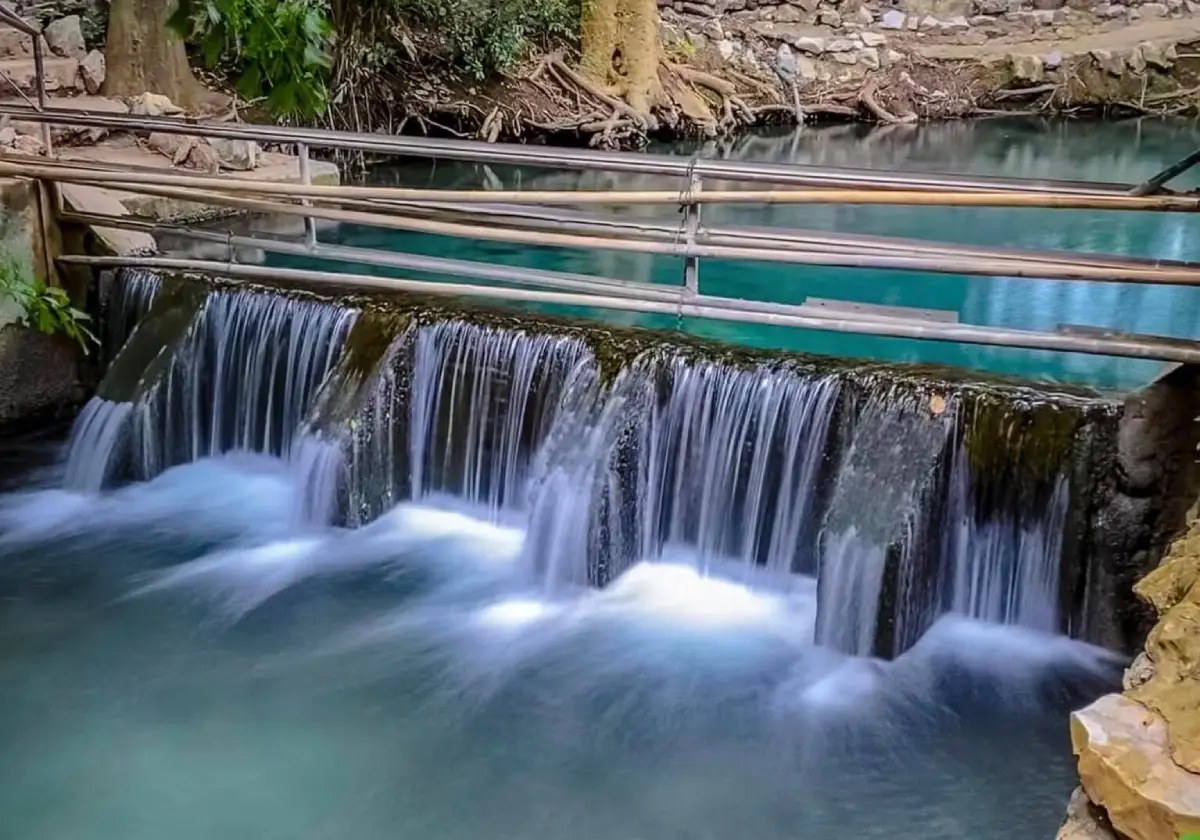
Natural Fountain
Open Days: Temporarily Closed From 8 June 2026 Onward
Opening Hours: Closed During Renovation
Ban Tha Chang Natural Spring, also known as Nam Phut Pak Chong or Khao Yai Natural Spring, is a natural spring in Mu Si Subdistrict, Pak Chong District, Nakhon Ratchasima Province. It is famous for its clear turquoise-blue water that flows continuously throughout the year. The water comes from underground and passes through limestone layers rich in calcium carbonate, which helps suspended particles settle and gives the spring its remarkable clarity and blue-green tone. The site is currently temporarily closed from 8 June 2026 onward for a 660-day renovation project, so travelers should check announcements from Mu Si Municipality before planning a visit.
Ban Tha Chang Natural Spring, commonly known as Nam Phut Pak Chong or Khao Yai Natural Spring, is one of the most memorable natural attractions near Khao Yai in Nakhon Ratchasima Province. Located in Mu Si Subdistrict, Pak Chong District, the spring became widely known for its transparent blue-green water, shaded forest atmosphere, large trees, natural stream channels, and cool water that flows all year round. Unlike a waterfall that depends mainly on surface runoff, this spring is fed by underground water, giving it a distinctive character that makes it different from many other water attractions around Khao Yai.
The main attraction of Ban Tha Chang Natural Spring is the color and clarity of the water. The water appears bright blue-green and is clear enough to reveal the rocks and streambed below in many sections. This visual quality is not artificial. It is created by natural filtration as underground water passes through limestone layers rich in calcium carbonate. The alkaline character of the water helps suspended particles settle, allowing the spring to look exceptionally clear. When natural light passes through the water and reflects from the streambed, the result is the turquoise tone that many travelers associate with this place.
The site is known by several names: Ban Tha Chang Natural Spring, Nam Phut Pak Chong, Nam Phut Khao Yai, and the natural spring at Ban Tha Chang Nuea. These names refer to the same well-known natural spring in Mu Si, not to Makut Khiriwan Temple. The temple mentioned in the original context, Wat Makut Khiriwan, is located in Pong Talong Subdistrict, Pak Chong District. It is a separate Buddhist temple and meditation center. Both places are in Pak Chong District, but they are different locations and should not be merged into one map point.
Wat Makut Khiriwan remains important in the broader cultural geography of Pak Chong and Khao Yai. The temple was founded from the Makut Khiriwan meditation center in late 1988 by Somdet Phra Phutthachinnawong, former abbot of Wat Makut Kasattriyaram. The temple stands on a large area in Pong Talong and is associated with meditation, Buddhist practice, and a peaceful mountain setting. For visitors interested in both nature and Buddhist sites, Wat Makut Khiriwan can be paired with Khao Yai travel routes, but it is not the same site as Ban Tha Chang Natural Spring.
The current status of Ban Tha Chang Natural Spring is temporary closure. The attraction has been closed from 8 June 2026 onward for a renovation project with a stated construction period of 660 days. During this period, travelers should not plan to enter the spring area. Access may be restricted due to construction work, machinery, landscape changes, and safety concerns. The most practical approach is to monitor announcements from Mu Si Municipality or relevant local agencies before traveling to the area.
Before the closure, Ban Tha Chang Natural Spring was a popular destination for swimming, relaxing, photography, and nature-based recreation. The area had several connected pools and stream sections, with cool clear water flowing through shaded surroundings. Visitors came to enjoy the blue-green water, sit under trees, take photos from bridges or walkways, and sometimes join local water activities nearby. Its combination of easy access and natural beauty made it one of the most recognizable stops in the Khao Yai travel circuit.
The value of the spring lies not only in its beauty but also in the natural process behind it. Underground water, limestone filtration, calcium carbonate, stream channels, tree roots, and shaded banks all work together to create the place. This means that the spring is an ecological system, not just a recreational pool. The water quality, flow pattern, and streamside vegetation all depend on careful use of the area. Any future reopening should be approached with respect for the natural spring system.
Although the water looks very clear, visitors should not drink directly from the spring. Natural spring water in an open tourist environment can contain invisible biological or environmental contamination. It may also contain minerals at levels that are not suitable for regular drinking without proper testing and treatment. Travelers should bring clean drinking water and treat the spring as a natural attraction for viewing and approved recreation, not as a drinking-water source.
Getting There traditionally follows Thanarat Road, the main tourism road leading toward Khao Yai. From the Khao Yai and Mu Si area, travelers head toward the area around kilometer 15 and turn into the local road near Ban Tha Chang Nuea and Soi Yothathikan. The site is close to many Khao Yai attractions, restaurants, cafes, resorts, and the northern entrance of Khao Yai National Park. During the current closure, travelers should avoid entering the spring area and should choose nearby attractions that remain open.
When the site was open, a half-day visit was usually enough. Morning was the best period because the air was cooler, light was softer, and the area tended to be less crowded than during peak afternoon or holiday periods. Travelers could combine the spring with Khao Yai Art Museum, Pete Maze, local restaurants, cafes, or Khao Yai National Park. After the renovation period, visitors should check the official reopening details, rules, access points, and any updated visitor-management system before going.
Environmental sensitivity is a major issue for Ban Tha Chang Natural Spring. A natural spring is directly connected to underground water, limestone layers, streambanks, plants, and small habitats around the water. Large numbers of visitors, food waste, litter, chemicals from soap or cosmetics, trampling near the banks, and careless recreation can affect the natural condition of the water and surrounding ecosystem. Responsible travel is therefore essential whenever the site reopens.
The spring is also linked with the community identity of Ban Tha Chang and Mu Si. Before becoming a widely recognized tourism landmark, the spring was a local natural place known to nearby residents. As tourism grew, nearby shops, restaurants, local services, and water-based activities developed around the site. This created both economic opportunity and conservation challenges. The future of the spring depends on balancing community benefits with protection of the water source and streamside environment.
For photographers, Ban Tha Chang Natural Spring offers strong visual subjects: blue-green water, tree roots along the bank, filtered sunlight, reflections on the water surface, bridges, and stream movement. The best light is usually in the morning or when sunlight is not too harsh. However, photography should never damage the site. Visitors should stay on designated paths, avoid stepping on tree roots, avoid eroding the bank, and never enter restricted areas for a better angle.
For families, the spring was historically a convenient natural water attraction because it did not require a long hike and had several accessible water areas. Even so, children always need close supervision around natural water. The bottom can be uneven, rocks can be slippery, and water depth can change from one section to another. When the site reopens, families should follow posted rules and use only areas officially opened for visitors.
International travelers often find Ban Tha Chang Natural Spring easy to understand and memorable. It is not a temple, waterfall, or artificial swimming pool. It is a natural spring formed by underground water and limestone filtration. Compared with Khao Yai waterfalls, it is usually calmer and easier to reach, while still offering a clear natural-water experience. During the renovation closure, foreign travelers should choose alternative nearby sites and confirm the status before arranging transport.
Wat Makut Khiriwan is a meaningful nearby cultural stop in Pak Chong. Located in Pong Talong Subdistrict, the temple offers a quiet setting for Buddhist practice and reflection. It is connected with the history of the Makut Khiriwan meditation center and Somdet Phra Phutthachinnawong. Travelers who want to combine nature and culture can include the temple in a wider Khao Yai itinerary, especially if they are staying in the Pong Talong or Mu Si area.
A well-planned future itinerary after the spring reopens can begin in Mu Si, visit Ban Tha Chang Natural Spring in the morning, continue to Khao Yai Art Museum or Pete Maze, have lunch at a nearby restaurant, and then proceed to Khao Yai National Park or Wat Makut Khiriwan depending on the travel style. Nature-focused travelers may continue toward the national park, while culture-focused visitors may head toward Pong Talong and the temple area.
During the closure, visitors should not attempt to enter the construction or restricted area. Renovation zones may include machinery, uneven ground, altered walkways, construction materials, and unstable edges around water or banks. Respecting the closure protects visitors and allows work to proceed safely. Travelers who want current photos or updates should rely on official announcements or wait until the reopening is formally announced.
When the site reopens, basic responsible behavior will remain important. Visitors should not litter, feed wildlife, use soap or shampoo in the water, bring food into sensitive water areas, disturb animals, damage roots, or step on fragile streambanks. A natural spring is more vulnerable than an ordinary park because its water source, flow, and banks are closely connected. Careful visitor behavior helps preserve the clarity and ecological value of the spring.
In conclusion, Ban Tha Chang Natural Spring, or Nam Phut Pak Chong, is one of the most distinctive natural attractions in Pak Chong, Nakhon Ratchasima. Its clear blue-green water, year-round spring flow, limestone-filtered origin, shaded setting, and location near Khao Yai made it a beloved destination for many travelers. However, the site is currently temporarily closed from 8 June 2026 onward for a 660-day renovation project. Travelers should wait for the official reopening and, once access is allowed again, visit with care so that the natural spring remains healthy, beautiful, and valuable for the future.
| Name | Ban Tha Chang Natural Spring / Nam Phut Pak Chong |
| Location | Ban Tha Chang Nuea, Mu Si Subdistrict, Pak Chong District, Nakhon Ratchasima Province, Thailand |
| Address | Soi Yothathikan, Mu Si Subdistrict, Pak Chong District, Nakhon Ratchasima 30130, Thailand |
| Coordinates | 14.5480, 101.4199 |
| Highlights | Natural spring with clear blue-green water, year-round flow, shaded forest atmosphere, and a well-known Khao Yai travel identity |
| History / Importance | An important natural spring attraction in Mu Si and Pak Chong, valued for tourism, community identity, recreation, and learning about underground water and limestone filtration |
| Name Origin | The name refers to Ban Tha Chang Nuea community and the natural spring locally known as nam phut, meaning water that rises naturally from the ground |
| Distinctive Features | Underground water passes through limestone layers rich in calcium carbonate, creating exceptionally clear blue-green water, pools, and flowing stream sections in a shaded natural setting |
| Travel Information | Use Thanarat Road toward the Khao Yai and Mu Si area, then turn toward Soi Yothathikan near Ban Tha Chang Nuea. During the current closure, visitors should not enter the spring area. |
| Current Status | Temporarily closed from 8 June 2026 onward for a 660-day renovation project |
| Open Days | Temporarily closed |
| Opening Hours | Closed during renovation |
| Fees | No entrance fee was listed before the renovation closure |
| Best Time To Visit | After the official reopening, morning visits are recommended for softer light, cooler air, and fewer crowds; always check the latest status first |
| Facilities | The former area included walkways, pools, resting areas, shops, and some nearby tourism services; post-renovation facilities must follow updated local announcements |
| Main Areas / Zones | Natural Spring Source Zone Clear Blue-Green Pool Zone Flowing Stream Zone Large Tree And Shaded Bank Zone Former Walkway And Bridge Zone Former Community Tourism Activity Zone Renovation And Landscape Improvement Zone During Closure |
| Caretaker | Mu Si Municipality, Pak Chong District, Nakhon Ratchasima Province, with relevant government agencies involved in the renovation project |
| Related Temple From Original Context | Wat Makut Khiriwan, Pong Talong Subdistrict, Pak Chong District, Nakhon Ratchasima / Abbot: Phra Ratchawatcharayannadilok Vi. (Panya Saddhayutto) |
| Main Contact Number | Mu Si Municipality Tel. 044-297-014 |
| Official Website / Official Page | Mu Si Municipality / Thailand Tourism Directory / Nakhon Ratchasima Tourism Information |
| Nearby Tourist Attractions | 1. Khao Yai Art Museum, about 4 km 2. Pete Maze Khao Yai, about 5 km 3. Wat Makut Khiriwan, Pong Talong, about 20 km 4. Khao Yai National Park, Chao Por Khao Yai Shrine Gate, about 9 km, Tel. 086-092-6531 5. Khao Yai Visitor Center, about 18 km, Tel. 086-092-6529 6. Sai Sorn Reservoir, about 20 km, Khao Yai Visitor Center Tel. 086-092-6529 7. Haew Suwat Waterfall, about 28 km, Khao Yai Visitor Center Tel. 086-092-6529 |
| Nearby Restaurants | 1. Krua Khao Yai Restaurant, about 5 km, Tel. 086-865-9263 2. The Chocolate Factory Khao Yai, about 7 km, Tel. 092-443-8881 3. Kuni Kuni At dusitD2 Khao Yai, about 8 km, Tel. 044-003-000 4. Midwinter Khao Yai, about 13 km, Tel. 082-452-8888 5. Bucolic Khaoyai, about 14 km, Tel. 065-669-5497 6. Village Farm & Winery, about 28 km, Tel. 081-877-3711 |
| Nearby Accommodations | 1. Hotel Labaris Khao Yai, about 5 km, Tel. 044-300-999 2. Thames Valley Khao Yai, about 7 km, Tel. 044-009-999 3. dusitD2 Khao Yai, about 8 km, Tel. 044-003-000 4. Lacol Khao Yai - A Chatrium Collection, about 8 km, Tel. 044-001-896 5. Kirimaya / Muthi Maya Khao Yai, about 14 km, Tel. 044-426-000 6. U Khao Yai, about 17 km, Tel. 044-079-999 |
Frequently Asked Questions (FAQ)
Q: Is Ban Tha Chang Natural Spring currently open?
A: No. It is temporarily closed from 8 June 2026 onward for a 660-day renovation project. Travelers should check announcements from Mu Si Municipality before planning a visit.
Q: Where is Ban Tha Chang Natural Spring located?
A: It is located at Ban Tha Chang Nuea, Soi Yothathikan, Mu Si Subdistrict, Pak Chong District, Nakhon Ratchasima Province, near the Khao Yai tourism area.
Q: Is Ban Tha Chang Natural Spring the same place as Wat Makut Khiriwan?
A: No. Ban Tha Chang Natural Spring is in Mu Si Subdistrict, while Wat Makut Khiriwan is in Pong Talong Subdistrict. Both are in Pak Chong District but they are separate locations.
Q: Why is the water at Ban Tha Chang Natural Spring so clear and blue-green?
A: The water comes from underground and passes through limestone layers rich in calcium carbonate. This natural filtration helps suspended particles settle and gives the water its clear blue-green appearance.
Q: Was there an entrance fee before the closure?
A: No entrance fee was listed before the renovation closure. During the current closure, access is not allowed, and post-renovation service details should be checked with the caretaker before visiting.
Q: Can visitors drink water from the spring?
A: No. Although the water looks very clear, it should not be consumed directly because it is natural water in an open environment and is not treated as drinking water.
Q: When is the best time to visit after reopening?
A: Morning is usually the best time after the official reopening because the light is softer, the air is cooler, and the area is generally less crowded. Visitors should always check the latest status before travel.
Q: What nearby places can be included in the same trip?
A: Nearby places include Khao Yai Art Museum, Pete Maze, Wat Makut Khiriwan, Khao Yai National Park, Sai Sorn Reservoir, and Haew Suwat Waterfall, depending on each site’s current operating status.
 Category: ●Nature and Wildlife
 Group: ●Hot Springs
Last Update : 1 MonthAgo
 Last Update : 1 MonthAgo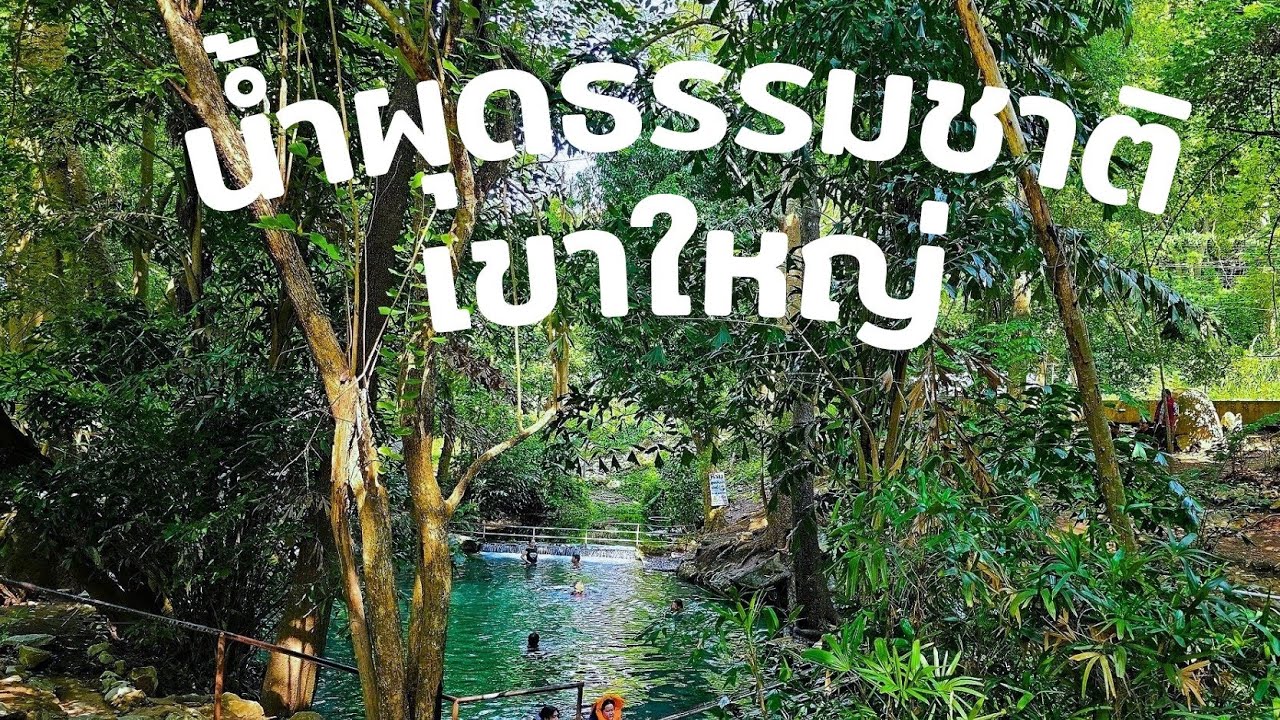
 Click to Access the Navigation Map GPS
Natural Fountain Map
Recommend

 Art, Culture and Heritage
 Historical Sites and Monuments(20)
 Landmarks and Memorials(5)
 Art, Craft Centres, Tradition(7)
 Museums(6)
 Art Gallery(1)
 Educational Places
 Educational Gardens, Farm(4)
 Places of Worship
 Temple(29)
 Mosque(1)
 Other Sacred Sites(6)
 Research and Development
 Royal Project(3)
 Suburban Living
 Village, Community(6)
 Local Market(4)
 Floating Market(1)
 National Parks and Marine Reserves(3)
 Mountain (Doi)(5)
 Dam, Reservoir, Lake(8)
 Waterfalls(9)
Hot Springs(1)
Waterfalls(9)
Hot Springs(1)
 Caves(2)
 Flower Field(1)
 River, Canal(8)
 Bays and Beaches(2)
 Other natural attractions(3)
 Entertainment and Agricultural
 Zoos and Aquariums(1)
 Animal camps and shows(1)
 Farms, Parks and Ecotourism(21)
 Waterpark(2)
 Outdoor and Adventure Activities(6)
 Shopping
 Shopping and Night Market(2)
 Travel Articles, Recipes
 Travel Review, Food Review(5)


