
lovethailand home >Northeastern Travel Attractions >Nakhon Ratchasima Travel Attractions >Non Sung >Than Prasat > Chanthaboon Reed Products (Ban Prasat Tai)
TL;DR: Chanthaboon Reed Products (Ban Prasat Tai) is located at Moo 7, Ban Prasat Tai, Than Prasat Subdistrict, Non Sung District, Nakhon Ratchasima Province 30420, open Daily, hours 08.30 – 16.30.

Chanthaboon Reed Products (Ban Prasat Tai)
Open Days: Daily
Opening Hours: 08.30 – 16.30
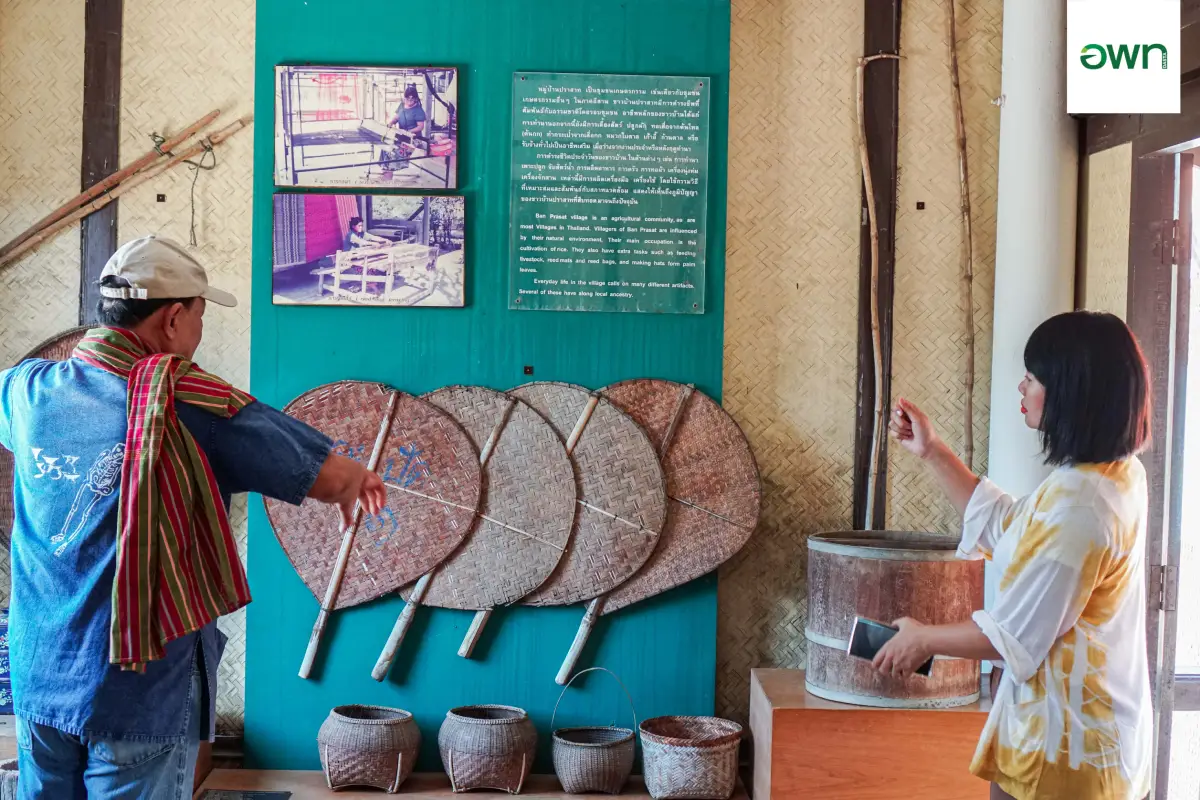
Chanthaboon Reed Products of Ban Prasat Tai are produced in Moo 7, Ban Prasat Tai, Than Prasat Subdistrict, Non Sung District, Nakhon Ratchasima Province 30420. This community craft destination is closely connected with the life of Ban Prasat Tai, a village known for archaeology, homestay tourism, local wisdom, and handmade products created from natural plant fibers. The main products include bags, baskets, document folders, tissue boxes, shoes, hats, folded mats, keychains, and contemporary woven items made from Chanthaboon reed, sedge, lai plant fibers, cattail, and other natural fibers found around the Than Prasat stream and nearby wetland areas. For foreign visitors, this place offers a direct look at how a rural Thai community transforms local plants into practical, beautiful, and culturally meaningful products.
Ban Prasat Tai is best known for Ban Prasat Archaeological Site, one of the important archaeological learning areas in lower northeastern Thailand. Visitors often come to see ancient human skeletons, excavation pits, pottery, community museums, and the story of settlement dating back approximately 1,500 to 3,000 years. Yet the village is not only about the ancient past. It is also a living community where local people continue to farm, produce handicrafts, welcome homestay guests, cook local food, weave textiles, make musical instruments, and develop community-based tourism. The reed products of Ban Prasat Tai are one of the clearest expressions of this living heritage.
The appeal of Chanthaboon reed products lies in their usefulness and cultural character. A woven bag can be used in everyday life or as a fashion item. A document folder gives a handmade touch to office use. A tissue box cover can decorate a room or homestay. Woven shoes, hats, mats, baskets, and small souvenirs show how simple plant fibers can be shaped into functional products. These items are not only decorative souvenirs. They are practical objects that carry the texture, skill, and identity of Ban Prasat Tai.
The raw materials are natural fibers gathered from plants growing near water, including sedge, lai plant, cattail, and locally known fiber plants around the Than Prasat stream. Some plants grow naturally in wet areas near the village, while some are planted and propagated by community members to maintain a stable source of material. This practice connects the craft with the local environment. Each strip of fiber begins as a plant in the village landscape, then passes through the hands of local artisans before becoming a woven product that can travel far beyond the community.
The production process begins with cutting the suitable plants at the right stage. The stems are selected, split, cleaned, and prepared into strips or fibers. They are then sun-dried until the moisture level is appropriate. If the fiber is too dry, it may become brittle. If it is too moist, it may be difficult to shape and store. Once the fibers are ready, artisans weave, braid, or assemble them into products. Some items are combined with nylon cord, lining, handles, frames, or decorative components to improve strength and modern usability.
Weaving plant fibers requires patience and accuracy. The artisan must control the tension of every strand, the direction of the pattern, the tightness of the weave, and the final shape of the product. If the weave is too tight, the product may distort. If it is too loose, it may lack strength. Making a bag, folder, or basket therefore requires both manual skill and an understanding of structure. Each handmade object carries small differences that make it distinct from factory-made goods.
Ban Prasat Tai is especially interesting because its handicrafts are not separated from community tourism. Visitors can combine a craft visit with the archaeological site, community museum, homestay, silk weaving, local food, Thai musical instrument making, bai si welcoming ceremony, village cart tour, and local livelihood activities. In one route, visitors can see ancient history and contemporary rural creativity together. This combination makes Ban Prasat Tai more than a product stop. It is a complete cultural community experience.
The relationship between archaeology and handicraft gives Ban Prasat Tai a unique identity. Visitors do not see only finished products on a display shelf. They also learn that the community making those products has a long history of settlement, a sacred stream, agricultural land, local stories, craft skills, and continuous adaptation to community-based tourism. Chanthaboon reed products become one doorway into understanding the village as a living place, not only as an archaeological display area.
In the past, most people in Ban Prasat Tai were farmers. They depended on seasonal rice farming and on the Than Prasat stream for daily life, agriculture, and local fishing. During periods outside the main agricultural season, handicraft production became a valuable supplementary occupation. Women in the community could create woven products from local plant fibers while remaining close to home. This allowed the village to generate income, preserve skills, and create products that could be sold to visitors and through wider channels.
The development of Ban Prasat Tai products shows the community’s ability to adapt. Traditional weaving once focused on household objects such as mats, baskets, and simple containers. Later, the community developed products that fit modern use, including fashion bags, document folders, tissue boxes, health-oriented footwear, hats, and contemporary baskets. Many products are lightweight, practical, and easy for travelers to carry. This makes them suitable for Thai and international visitors looking for authentic handmade souvenirs with a real community background.
The natural color and texture of plant fibers are part of the beauty of the products. Dried reed and sedge fibers have a soft earthy tone that fits both daily use and home decoration. When woven with supporting materials, the products become stronger while keeping a warm handmade character. Bags and baskets are especially popular because they are practical, attractive, and clearly connected to natural materials. They are suitable for markets, travel, gifts, interior styling, and local craft collections.
Ban Prasat Homestay strengthens the meaning of the craft. Visitors who stay overnight in the village can see daily life, eat local food, listen to community stories, explore the archaeological site, ride a local farm cart, and observe handicraft production. When visitors meet the makers and understand the process, a woven product becomes more than an object. It becomes a memory of time spent with the community.
Ban Prasat Archaeological Site is the main attraction that brings many travelers to the area. The site is an open-air archaeological learning area with 3 excavation pits, ancient skeletons, pottery, bronze objects, ornaments, and evidence of settlement from around 1,500 to 3,000 years ago. The presence of reed handicrafts in the same village enriches the visitor experience. Travelers can learn about ancient human life and then see how today’s community continues to create value through local resources and craft traditions.
Local stories about Than Prasat stream and a legendary stone sanctuary in the water add another layer to the village. These stories help explain the name of Ban Prasat and Than Prasat. The community’s identity is therefore built from archaeology, legend, water, farming, sacred places, and handmade craft. When Chanthaboon reed products are understood in this context, they become cultural objects carrying the landscape and memory of the village.
Economically, Chanthaboon reed products help distribute income within the community. Buying directly from the women’s group or plant-fiber craft group supports local households, plant-fiber cultivation, handmade skills, and community tourism. This kind of income matters because it encourages local people to value their own knowledge and continue passing it on. The products also give the village a recognizable identity for visitors who want souvenirs connected with a specific place.
The product designs have become more contemporary over time. Some items use traditional weaving patterns but modern shapes. Some include lining, handles, structure, and decorative details that make them easier to use in everyday life. Some are made as small, lightweight souvenirs. This design flexibility allows the products to reach different markets, from tourists buying one handmade piece to groups ordering souvenirs for events or cultural programs.
Learning about Chanthaboon reed crafts is suitable for students, study groups, senior groups, craft lovers, and international visitors. The process is easy to understand visually, from plant collection and fiber preparation to drying, weaving, shaping, and finishing. Visitors can see how a plant from the streamside becomes a functional object. This direct learning helps younger generations and visitors appreciate the time, skill, and patience behind handmade craft.
For international travelers, Ban Prasat Tai offers a meaningful introduction to Thai community-based tourism. The village combines archaeology, homestay, farming, local food, natural-fiber weaving, local music, and community hospitality. The reed products show how Thai rural communities work with natural resources in practical and creative ways. A simple plant from a wetland can become a modern bag, folder, basket, or hat through local skill and design.
Getting There is easiest by private car. From Nakhon Ratchasima city, take Highway 2, the Nakhon Ratchasima–Khon Kaen route, for about 45 km. Around kilometer marker 44, turn left into the village road for about 1 km to reach Ban Prasat Tai. Travelers using public buses from Bangkok or Nakhon Ratchasima can take buses heading toward Khon Kaen, Udon Thani, Nong Khai, or Kalasin, get off around kilometer marker 44, and continue into the village by local transport.
A half-day visit can include the archaeological site, Ban Prasat Museum, and Chanthaboon reed product group. A full-day visit can add a community meal, local cart ride, craft learning, silk weaving, and nearby attractions such as Ban Non Wat, Thung Samrit Memorial, or Phanom Wan Sanctuary. Visitors who want a deeper experience can stay overnight at Ban Prasat Homestay and learn the rhythm of village life more closely.
The best visiting period is from morning to afternoon during the general opening hours of 08.30 to 16.30. Morning is comfortable for viewing excavation pits and craft activities. Afternoon is suitable for shopping, talking with local makers, and joining arranged community activities. The village can be visited year-round, while the green season and post-rainy season add a pleasant rural atmosphere around the rice fields and waterway.
Groups that want structured study visits should contact the community information center in advance. Activities such as craft demonstrations, local meals, bai si welcoming ceremony, farm-cart tours, and homestay stays require preparation by local residents. Advance coordination helps match the visit with the number of participants and the type of learning required.
Ban Prasat Tai also offers other cultural activities, including silk weaving, local snack making, Thai musical instrument production, community storytelling, the Than Prasat stream, the village guardian shrine, and rice-farming experiences. This variety makes the village suitable for visitors with different interests, including archaeology, handicraft, local food, rural life, and northeastern Thai culture.
Local food in Ban Prasat Tai is connected with village ingredients and seasons. Homestay meals may include Phimai-style noodles, som tam, local soups, chili pastes, chicken dishes, lotus-stem curry, and seasonal sweets. Nearby restaurants in Than Prasat and Non Sung offer Isan food, grilled chicken, pork leg dishes, noodles, made-to-order food, and local meals for groups. This makes food an important part of the community experience.
Accommodation includes Ban Prasat Homestay, which is the main option for visitors who want to stay inside the community, and hotels or resorts in Non Sung District for travelers who prefer conventional accommodation. The homestay experience connects lodging with local food, history, craft, and village activities. Hotels in Non Sung are convenient for visitors who plan to include Ban Prasat Tai as one stop in a wider travel route.
Overall, Chanthaboon Reed Products of Ban Prasat Tai represent a strong connection between craft, local economy, archaeology, and community tourism. The value of the place is not only in beautiful handmade products, but in the process by which villagers use streamside plants to create work, income, and identity. Visitors can see both a 3,000-year-old archaeological past and a present-day community that continues to make, teach, welcome, and adapt through its own local wisdom.
| Name | Chanthaboon Reed Products Of Ban Prasat Tai / Ban Prasat Tai Plant-Fiber Handicraft Group |
| Location | Moo 7, Ban Prasat Tai, Than Prasat Subdistrict, Non Sung District, Nakhon Ratchasima Province 30420 |
| Address | Ban Prasat Tai, Moo 7, Than Prasat Subdistrict, Non Sung District, Nakhon Ratchasima 30420, about 45 km from Nakhon Ratchasima city on the Nakhon Ratchasima–Khon Kaen route, around kilometer marker 44, then about 1 km into the village |
| Coordinates | 15.245757792471032, 102.3709876522758 |
| Highlights | Natural plant-fiber handicrafts made from Chanthaboon reed, sedge, lai plant, and cattail, connected with Ban Prasat Archaeological Site, community homestay, and local cultural tourism |
| History / Background | Ban Prasat Tai is an old community with archaeological evidence dating around 1,500–3,000 years. The village developed plant-fiber handicrafts as a supplementary occupation and a community tourism activity |
| Name Origin | Ban Prasat is linked with local stories about a stone sanctuary in Than Prasat stream, while Chanthaboon reed products reflect the use of natural fibers from the community landscape |
| Type | Community handicraft group, local souvenir producer, lifestyle-learning area, and community-based tourism activity point |
| Main Materials | Chanthaboon reed, sedge, lai plant, cattail, and other plant fibers found or propagated around Than Prasat stream and local wetland areas |
| Main Products | Bags, baskets, document folders, tissue boxes, shoes, hats, folded mats, keychains, and contemporary plant-fiber craft products |
| Distinctive Features | Lightweight, handmade, practical natural-fiber products with contemporary design and a strong connection to Ban Prasat Tai local wisdom |
| Travel Information | From Nakhon Ratchasima city, take Highway 2 toward Khon Kaen. Around kilometer marker 44, turn left into the village road for about 1 km. Public bus travelers can get off around kilometer marker 44 and continue by local transport |
| Current Status | Open as a community craft learning and product sales point linked with Ban Prasat Archaeological Site and Ban Prasat Homestay |
| Open Days | Daily |
| Opening Hours | 08.30 – 16.30 |
| Admission Fee | Free Admission For Product Browsing And Shopping. Homestay, meals, farm-cart tours, bai si welcoming ceremony, and learning activities are charged separately according to community activity arrangements |
| Facilities | Community tourism information center, craft product sales area, plant-fiber learning area, homestay, community meals, farm-cart tour, and local parking areas |
| Main Areas / Zones | 1. Ban Prasat Tai Plant-Fiber Handicraft Group 2. Chanthaboon Reed Product Sales Area 3. Reed, Sedge, Lai Plant, And Cattail Craft Learning Base 4. Ban Prasat Archaeological Site And Excavation Pits 5. Ban Prasat Museum 6. Ban Prasat Homestay 7. Than Prasat Stream And Saphan Takon Rak 8. Village Guardian Shrine And Community Lifestyle Areas |
| Caretaker / Coordinator | Ban Prasat Tai Women’s Group, Ban Prasat Tai Plant-Fiber Handicraft Group, Ban Prasat Community Tourism Information Center, Than Prasat Subdistrict Administrative Organization, and Non Sung District Agricultural Office |
| Contact Number | Non Sung District Agricultural Office: 044-379-269 Mrs. Thongdee Phobphimai, Ban Prasat Tai Plant-Fiber Handicraft Group: 087-346-8725 Ban Prasat Community Tourism Information Center: 089-581-7870 Khun Charan Chomklang: 081-725-0791 |
| Nearby Tourist Attractions | 1. Ban Prasat Archaeological Site – Within The Same Community 2. Ban Prasat Museum – Within The Same Community 3. Ban Prasat Homestay – Within The Same Community – Tel. 089-581-7870, 081-725-0791 4. Ban Non Wat Archaeological Site – About 8 Km 5. Thung Samrit Memorial – About 14 Km 6. Phimai Historical Park – About 24 Km – Tel. 044-471-568 7. Phimai National Museum – About 24 Km – Tel. 044-471-167 8. Phanom Wan Sanctuary – About 28 Km |
| Nearby Restaurants | 1. Community Chef By Ban Prasat Tai Community – Within The Community / Advance Booking – Tel. 089-581-7870 2. Lamyai Phochana, Than Prasat – About 2 Km – Tel. 087-147-3080 3. Kuai Tiao Pao Pak Sam Phi Nong – About 13 Km – Tel. 086-003-0672 4. Korat Grilled Chicken, Non Sung – About 14 Km – Tel. 088-369-5869 5. Kha Mu Hin Dat, Non Sung Branch – About 14 Km – Tel. 086-258-3331 6. Jaisuk City Restaurant – About 15 Km – Tel. 089-949-1380 7. Krua Mee Klang (A.J.) – About 15 Km – Tel. 092-173-2429 |
| Nearby Accommodations | 1. Ban Prasat Homestay – Within The Community – Tel. 089-581-7870, 081-725-0791 2. Ban Prasat Homestay Community Information Center – Within The Community – Tel. 044-367-075, 089-581-7870 3. Sublunary Home Stay Baan Tai Saeng Chan – About 18 Km – Tel. 086-648-5329 4. Saeng Khan Resort, Non Sung – About 18 Km – Tel. 083-378-9159 5. Attitude The Resort, Non Sung – About 20 Km – Tel. 090-975-3230 6. My Home Resort, Non Sung – About 21 Km – Tel. 088-359-0599 7. Leelawadee Resort Non Sung – About 22 Km – Tel. 087-960-0442 |
Frequently Asked Questions (FAQ)
Q: Where are Chanthaboon Reed Products of Ban Prasat Tai located?
A: They are located in Moo 7, Ban Prasat Tai, Than Prasat Subdistrict, Non Sung District, Nakhon Ratchasima Province 30420, about 45 km from Nakhon Ratchasima city on the Nakhon Ratchasima–Khon Kaen route. Around kilometer marker 44, turn left into the village for about 1 km.
Q: What are the opening days and hours?
A: The product group and community visit area are open daily from 08.30 to 16.30.
Q: What products can visitors buy at Ban Prasat Tai?
A: Main products include bags, baskets, document folders, tissue boxes, shoes, hats, folded mats, keychains, and contemporary plant-fiber crafts made from Chanthaboon reed, sedge, lai plant, and cattail.
Q: Is there an admission fee?
A: There is no admission fee for browsing and shopping for products. Homestay, meals, farm-cart tours, bai si welcoming ceremony, and learning activities are charged separately according to community arrangements.
Q: How is Ban Prasat Tai connected with archaeology?
A: Ban Prasat Tai is home to Ban Prasat Archaeological Site, which contains evidence of human settlement dating around 1,500–3,000 years, including excavation pits, ancient skeletons, pottery, ornaments, and an open-air community museum.
Q: How can travelers get to Ban Prasat Tai?
A: From Nakhon Ratchasima city, take Highway 2 toward Khon Kaen. Around kilometer marker 44, turn left and continue about 1 km into the village. Public bus travelers can get off around kilometer marker 44 and continue by local transport.
Q: What nearby attractions can be combined with Ban Prasat Tai?
A: Nearby attractions include Ban Prasat Archaeological Site, Ban Prasat Museum, Ban Prasat Homestay, Ban Non Wat Archaeological Site, Thung Samrit Memorial, Phimai Historical Park, Phimai National Museum, and Phanom Wan Sanctuary.
Tel : 044379269
 Tel : 044379269
 Category: ●Suburban Living
 Group: ●Village, Community
Last Update : 1 MonthAgo
 Last Update : 1 MonthAgo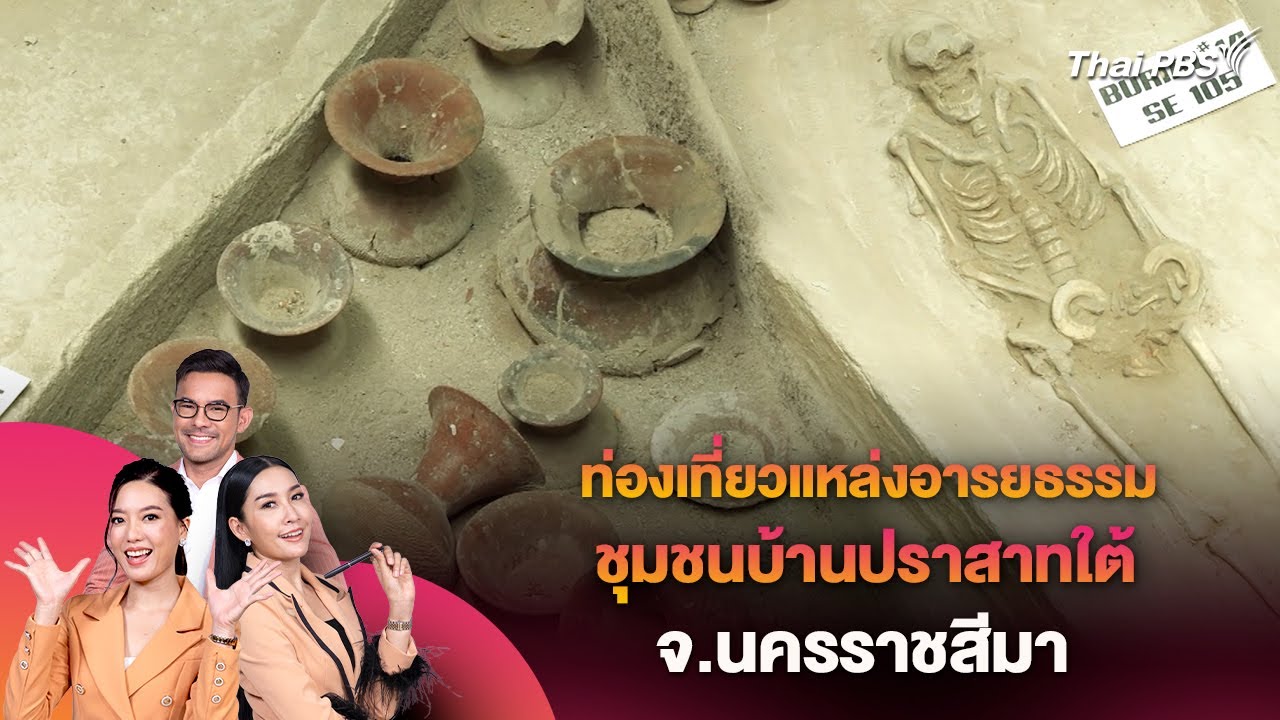
 Click to Access the Navigation Map GPS
Chanthaboon Reed Products (Ban Prasat Tai) Map
Recommend

 Art, Culture and Heritage
 Historical Sites and Monuments(20)
 Landmarks and Memorials(5)
 Art, Craft Centres, Tradition(7)
 Museums(6)
 Art Gallery(1)
 Educational Places
 Educational Gardens, Farm(4)
 Places of Worship
 Temple(29)
 Mosque(1)
 Other Sacred Sites(6)
 Research and Development
 Royal Project(3)
Village, Community(6)
Royal Project(3)
Village, Community(6)
 Local Market(4)
 Floating Market(1)
 Nature and Wildlife
 National Parks and Marine Reserves(3)
 Mountain (Doi)(5)
 Dam, Reservoir, Lake(8)
 Waterfalls(9)
 Hot Springs(1)
 Caves(2)
 Flower Field(1)
 River, Canal(8)
 Bays and Beaches(2)
 Other natural attractions(3)
 Entertainment and Agricultural
 Zoos and Aquariums(1)
 Animal camps and shows(1)
 Farms, Parks and Ecotourism(21)
 Waterpark(2)
 Outdoor and Adventure Activities(6)
 Shopping
 Shopping and Night Market(2)
 Travel Articles, Recipes
 Travel Review, Food Review(5)


