
lovethailand home >Northeastern Travel Attractions >Nakhon Ratchasima Travel Attractions >Muang Nakhon Ratchasima >Nai Muang > Bun Khao Kham Northeastern Thai Culture
TL;DR: Bun Khao Kham Northeastern Thai Culture, open Held According To The Host Temple’s Annual Schedule, Traditionally In The First, hours Activities Usually Run From Morning Until Evening, According To The Temple’s.
Bun Khao Kham Northeastern Thai Culture
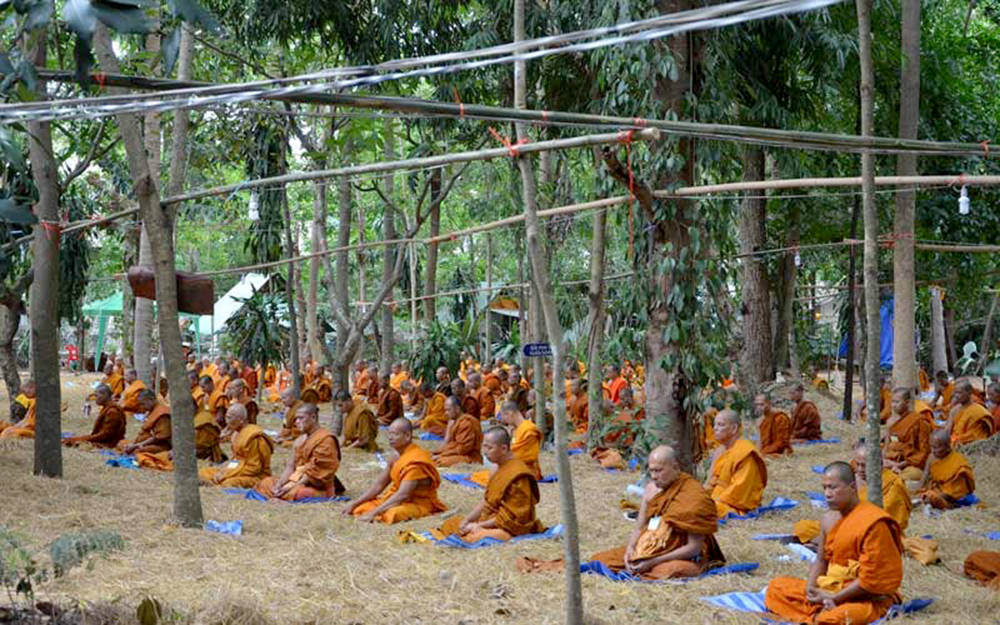
Open Days: Held According To The Host Temple’s Annual Schedule, Traditionally In The First Lunar Month Of The Isan Calendar
Opening Hours: Activities Usually Run From Morning Until Evening, According To The Temple’s Monastic And Meditation Program
Bun Khao Kam, also known as Bun Pariwat Kamma or Bun Duean Ai, is one of the most meaningful traditions in the Heet Sip Song, the twelve-month customary cycle of northeastern Thailand, or Isan. The tradition is closely connected with Buddhist monastic discipline. It centers on the practice of parivasa kamma, a disciplinary observance for monks who have committed a Sanghadisesa offense and must follow the formal process of restoration according to the Vinaya. At the same time, laypeople participate by making merit, observing precepts, listening to Dhamma, offering food and necessities, and supporting the monks during their period of disciplined practice. For foreign readers, Bun Khao Kam offers a rare window into a deep Buddhist culture of confession, restraint, purification, community support, and moral renewal.
In the Isan cultural calendar, Bun Khao Kam belongs to the first lunar month, locally called Duean Ai or Duean Chiang. This is the first month in the traditional cycle and usually falls during the cool season. The weather is suitable for quiet religious practice, and many rural communities have more time after the heaviest agricultural work has passed. The temple becomes the center of community life, where monks practice discipline and laypeople gather to make merit. This makes Bun Khao Kam not only a monastic observance but also a community tradition that links the temple, village, and local moral values together.
The key concept behind Bun Khao Kam is vuttana-vidhi, the formal process by which a monk rises out of a serious disciplinary offense and returns to purity within the monastic community. The process may include parivasa, manatta, and abbhan, depending on the case and monastic procedure. In cultural explanations, the practice is often described as a period of restraint, self-examination, confession, humility, and spiritual training. It is not a punishment in the ordinary social sense. Rather, it is a disciplined method of restoring integrity through acceptance of wrongdoing and sincere practice.
Sanghadisesa is a serious category of monastic offense, second in gravity only to the most severe offenses that result in expulsion from the monkhood. A monk who has committed a Sanghadisesa offense cannot simply ignore it. He must undertake the proper Vinaya procedure so that the monastic community can recognize his restoration. This makes Bun Khao Kam a living example of Buddhist discipline. It shows that moral failure must be acknowledged, corrected, and purified through formal practice rather than hidden or dismissed.
The tradition is also connected with old moral stories that warn against neglecting even small faults. In Isan cultural memory, the story of the naga Erakapat is often used to remind people not to underestimate wrongdoing or unresolved guilt. The story teaches that a small offense, if ignored and not confessed, can become a burden on the mind. Bun Khao Kam therefore carries a lesson for both monks and laypeople: true purity begins with honesty, remorse, discipline, and the willingness to correct oneself.
The practice is commonly explained in stages. The first stage is parivasa, or living under probation and restraint. During this period, the monk stays within a designated area and follows strict rules under the guidance of senior monks or meditation teachers. The next stage is manatta, a further period of disciplined humility and formal observance. At the end of the required process, abbhan is performed, in which a formal act of the monastic community restores the monk to purity. The details of the practice depend on Vinaya rules, the case, and the monastic authorities involved.
In local Isan explanations, Bun Khao Kam is sometimes described as a nine-night observance, with three nights of parivasa and six nights of manatta before the final act of abbhan. While actual monastic procedure may vary according to the Vinaya and the direction of the Sangha, this local description helps laypeople understand the general structure of the tradition. The essential meaning remains the same: a monk enters a period of disciplined restraint, accepts correction, practices humility, and returns to purity through the Sangha.
The venue for Bun Khao Kam is usually a temple, forest monastery, or meditation center that has sufficient space and readiness to host the observance. The site must provide a quiet area for monks undergoing parivasa, places for senior monks and teachers, meditation halls, Dhamma halls, almsgiving areas, food-offering stations, and space for lay supporters. In many communities, the event is organized with clear zones so that the monastic area remains properly separated from general public activity.
Daily life during the observance is simple and disciplined. Monks participating in the practice restrain their body, speech, and mind. They chant, attend morning and evening services, walk meditation, sit meditation, listen to Dhamma, and follow the instructions of the supervising monks. The limited and quiet setting reduces distractions and allows them to observe their own minds carefully. In this sense, Bun Khao Kam is both a Vinaya procedure and a serious period of mental training.
For laypeople, joining Bun Khao Kam is considered a valuable opportunity to make merit. They support the monks with food, drinking water, medicine, robes, basic necessities, cleaning supplies, and donations according to their faith and means. Many also observe the five or eight precepts, listen to sermons, join meditation sessions, and take part in morning almsgiving. Supporting monks during a period of discipline is seen as a meritorious act because it helps sustain the proper practice of the Sangha.
At the community level, Bun Khao Kam builds solidarity. The temple provides the religious center. Monks carry out the monastic observance. Villagers prepare food, arrange the venue, manage donation points, welcome guests, and maintain order. Local administrative organizations may support cleanliness, safety, facilities, and public communication. Each person has a role, and the whole community works toward the same purpose: supporting Dhamma practice and preserving a meaningful tradition.
The religious value of Bun Khao Kam is profound because it keeps monastic discipline visible in community life. The Vinaya is not treated as an abstract rule in a book. It becomes a real practice that people can witness and support. When monks accept the process of correction and purification, laypeople also learn that moral life requires responsibility, restraint, and honesty. The tradition therefore teaches not only monks but also the whole community.
The moral meaning of the tradition is especially relevant today. Bun Khao Kam teaches the courage to admit wrongdoing, the importance of not hiding faults, the value of discipline, and the possibility of starting again through sincere effort. These are universal lessons. Although the ritual belongs to Buddhist monastic life, its deeper values can be understood by anyone: acknowledge mistakes, accept discipline, purify intention, and move forward with greater awareness.
The idea of “staying in kamma” also resonates with broader Isan cultural meanings. In local life, the phrase can evoke periods of hardship, endurance, and recovery, such as traditional practices of postpartum rest. This wider cultural understanding helps villagers interpret the monastic observance as a difficult but meaningful period of self-purification. The monk accepts limitation and hardship in order to return to a clearer and more disciplined state.
The atmosphere of Bun Khao Kam is usually quieter than many festive Isan merit-making events. It is not centered on entertainment or spectacle. Its main sounds are chanting, Dhamma talks, almsgiving, and the quiet movement of people making offerings. This makes the tradition different from more public and festive events such as rocket festivals or large temple fairs. Bun Khao Kam is a tradition of inward purification rather than outward celebration.
Although Bun Khao Kam is traditionally associated with the first lunar month, modern practice may vary. Some temples organize parivasa kamma after Buddhist Lent, at the beginning of the year, or during a period that fits the readiness of the monks and the community. This flexibility does not remove the core meaning of the tradition. The central elements remain monastic restoration, meditation, precept observance, Dhamma listening, and lay support.
In some communities, Bun Khao Kam is combined with meditation retreats for laypeople. Monks undergo the monastic observance, while laypeople, nuns, white-robed practitioners, and local residents join in meditation, precepts, walking meditation, sitting meditation, and Dhamma practice. This expands the tradition into a shared field of spiritual cultivation. Laypeople gain both merit through offerings and direct experience through practice.
Visitors who wish to attend should understand that Bun Khao Kam is a solemn religious event. They should dress respectfully, speak softly, avoid entering the parivasa area without permission, and follow the instructions of the temple. If they wish to offer food or supplies, they should ask where and when offerings should be made. Respecting the boundaries of the monastic practice is essential because some parts of the observance are not public performances but formal religious procedures.
Common offerings include cooked food, drinking water, medicine, robes, soap, toothpaste, cleaning supplies, mats, pillows, blankets, and donations according to faith. However, the spirit of the offering matters as much as the object. Offerings should be made with humility, without display, and with the intention of supporting Dhamma practice. The best way to participate is to be simple, respectful, and helpful.
Bun Khao Kam is also important for cultural preservation. It helps younger generations understand the Heet Sip Song not only as a list of festivals, but as a moral calendar that shapes community life throughout the year. Children and students who attend can see that a temple is not only a place for worship. It is also a place for discipline, education, mutual support, and ethical training. Watching elders prepare food, organize the temple grounds, and support the monks allows younger people to learn by direct experience.
Socially, the tradition reduces distance between people in the community. Some people cook, some arrange the space, some manage the donation area, some listen to Dhamma, and some observe precepts. Different roles come together around one purpose. This shared work strengthens the relationship between households, the temple, and local leadership. In this way, Bun Khao Kam is both a religious observance and a community-building practice.
At the regional level, Bun Khao Kam shows how Isan culture integrates Buddhism with everyday community life. Monastic discipline provides the core. Lay faith provides support. The Heet Sip Song provides the cultural time frame. The temple provides the space. Together, these elements make the tradition durable. It survives because it is not only an idea, but a repeated practice woven into the annual rhythm of the community.
For foreign visitors, Bun Khao Kam offers a deeper view of Thai Buddhism than more visible festivals. It shows that Buddhism in Thailand is not only about worship, festivals, or beautiful temples. It also includes discipline, moral repair, confession, humility, and community-supported spiritual training. Observing the tradition respectfully can help visitors understand the seriousness with which Thai Buddhist communities regard conduct, purity, and the restoration of trust within the Sangha.
However, this tradition should be approached with restraint. Some parts of the observance involve formal monastic acts and should not be treated as tourist entertainment. Visitors should not photograph monks at close range in restricted areas without permission, should not ask intrusive personal questions, and should not enter spaces reserved for the Sangha. Learning is welcome when done with respect, but the dignity of the religious practice must come first.
Preserving Bun Khao Kam is important in a rapidly changing society. Younger generations may be more familiar with lively festivals, but this tradition teaches quieter values: responsibility, self-examination, discipline, endurance, and renewal. If communities continue to explain its meaning clearly, Bun Khao Kam will not remain merely a name in the Heet Sip Song. It will remain a living moral lesson.
Successful preservation requires both temples and communities to understand their roles. Temples should maintain the correctness of the Vinaya and the calmness of the practice. Communities should support offerings, precept observance, listening to Dhamma, and respectful service. Local authorities can assist with safety, cleanliness, facilities, and public communication without turning the event into a commercial spectacle. When all sides understand the purpose, the tradition can continue with dignity.
In summary, Bun Khao Kam is one of the most spiritually significant traditions of Isan culture. It reflects Buddhist discipline, moral responsibility, remorse, restraint, purification, and renewal. It also gives laypeople an opportunity to make merit, observe precepts, listen to Dhamma, and support the Sangha. The tradition is valuable not only as a religious observance but also as a cultural practice that strengthens community bonds. At its deepest level, Bun Khao Kam teaches everyone to take responsibility for their actions, purify their intentions, and begin again with a clearer mind.
| Tradition Name | Bun Khao Kam / Bun Pariwat Kamma / Bun Duean Ai |
| Region | Northeastern Thailand, or Isan, especially temples and communities that organize parivasa kamma observances |
| Annual Period | Traditionally held in Duean Ai or Duean Chiang, the first lunar month in the Isan calendar; some temples now set dates according to monastic and community readiness |
| Activity Hours | From morning until evening, depending on the host temple’s schedule, including morning chanting, almsgiving, food offering, Dhamma talks, meditation, and evening chanting |
| Fees | No Admission Fee; merit-making donations are voluntary |
| Significance | A Buddhist monastic and community tradition connected with parivasa kamma, the process by which monks who have committed a Sanghadisesa offense undertake formal purification according to the Vinaya |
| Name Origin | “Khao Kam” refers to entering a period of kamma or disciplined observance, while “Bun Duean Ai” refers to its place in the first lunar month of the Isan Heet Sip Song tradition |
| Organizer / Caretaker | Host temple, abbot of the host temple, supervising monks, local Sangha, temple committee, community members, and supporting local administrative organizations |
| Main Areas / Zones | Parivasa area for monks Meditation hall Dhamma hall Chanting area Almsgiving area Food-offering and communal kitchen area Donation and supplies point Lay practitioners’ resting area Information and temple committee area |
| Main Ritual Stages | Parivasa observance Manatta observance Chanting, walking meditation, sitting meditation, and Dhamma practice Food and necessity offerings Abbhan, the formal act of restoration by the Sangha |
| Common Offerings | Food, drinking water, medicine, robes, soap, toothpaste, cleaning supplies, mats, pillows, blankets, and donations according to faith |
| Visitor Etiquette | Dress respectfully, speak softly, do not enter the parivasa area without permission, do not photograph restricted monastic procedures without permission, and follow the host temple’s instructions |
| Suitable For | Buddhists, cultural travelers, students, families, researchers, and visitors interested in Isan traditions, Buddhist discipline, and temple-based community life |
| Travel Information | Check the host temple and annual schedule before traveling because this is a regional tradition without one fixed central venue |
| Current Status | Still practiced in many Isan communities, sometimes combined with meditation retreats, Dhamma practice, and lay precept observance |
Frequently Asked Questions (FAQ)
Q: What is Bun Khao Kam?
A: Bun Khao Kam is an Isan Buddhist tradition connected with parivasa kamma, a formal monastic observance for monks who must undergo restoration according to the Vinaya. Laypeople join by making merit, observing precepts, listening to Dhamma, and supporting the monks.
Q: When is Bun Khao Kam held?
A: Traditionally, it is held in Duean Ai or Duean Chiang, the first lunar month in the Isan calendar. In modern practice, each host temple may set its own dates according to monastic and community readiness.
Q: Is there an admission fee?
A: No. There is no admission fee. Visitors and devotees may make merit or donate food, water, medicine, robes, and other necessities according to their faith.
Q: Why do monks enter parivasa kamma?
A: Monks enter parivasa kamma to follow the formal Vinaya process for purifying a Sanghadisesa offense. The process includes disciplined observance, humility, restraint, and restoration by the Sangha.
Q: What role do laypeople have in the tradition?
A: Laypeople support the monks by offering food and necessities, helping with temple arrangements, observing precepts, listening to Dhamma, and participating respectfully in the merit-making activities.
Q: How should visitors prepare?
A: Visitors should check the host temple’s schedule, dress respectfully, bring suitable offerings if they wish, speak softly, and follow temple rules, especially around areas reserved for monastic practice.
Q: How is Bun Khao Kam different from other Isan merit-making festivals?
A: Bun Khao Kam focuses on Buddhist discipline, purification, meditation, precept observance, and monastic restoration. Its atmosphere is usually quieter and more solemn than festive merit-making events.
Q: Is Bun Khao Kam still important today?
A: Yes. It remains important because it preserves Buddhist discipline, the Isan Heet Sip Song tradition, community cooperation, and moral lessons about responsibility, self-examination, and renewal.
 Category: ●Art, Culture and Heritage
 Group: ●Art, Craft Centres, Tradition
Last Update : 2 MonthAgo
 Last Update : 2 MonthAgo
Recommend

 Historical Sites and Monuments(20)
 Landmarks and Memorials(5)
Art, Craft Centres, Tradition(7)
Landmarks and Memorials(5)
Art, Craft Centres, Tradition(7)
 Museums(6)
 Art Gallery(1)
 Educational Places
 Educational Gardens, Farm(4)
 Places of Worship
 Temple(29)
 Mosque(1)
 Other Sacred Sites(6)
 Research and Development
 Royal Project(3)
 Suburban Living
 Village, Community(6)
 Local Market(4)
 Floating Market(1)
 Nature and Wildlife
 National Parks and Marine Reserves(3)
 Mountain (Doi)(5)
 Dam, Reservoir, Lake(8)
 Waterfalls(9)
 Hot Springs(1)
 Caves(2)
 Flower Field(1)
 River, Canal(8)
 Bays and Beaches(2)
 Other natural attractions(3)
 Entertainment and Agricultural
 Zoos and Aquariums(1)
 Animal camps and shows(1)
 Farms, Parks and Ecotourism(21)
 Waterpark(2)
 Outdoor and Adventure Activities(6)
 Shopping
 Shopping and Night Market(2)
 Travel Articles, Recipes
 Travel Review, Food Review(6)


