
lovethailand home >Northeastern Travel Attractions >Nakhon Ratchasima Travel Attractions > Isan Region in Thailand
TL;DR: Isan Region in Thailand, Nakhon Ratchasima attractions : Travel Articles, Recipes, Travel Review, Food Review.
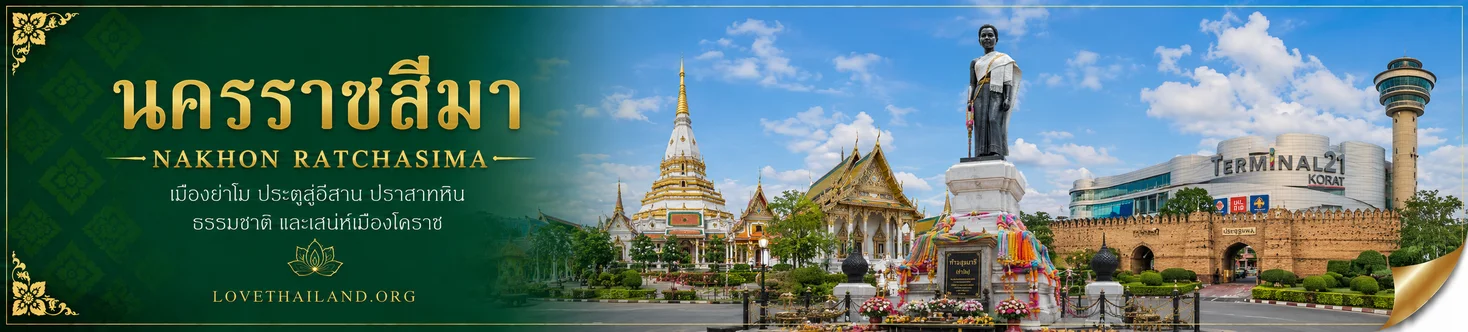
Isan Region in Thailand
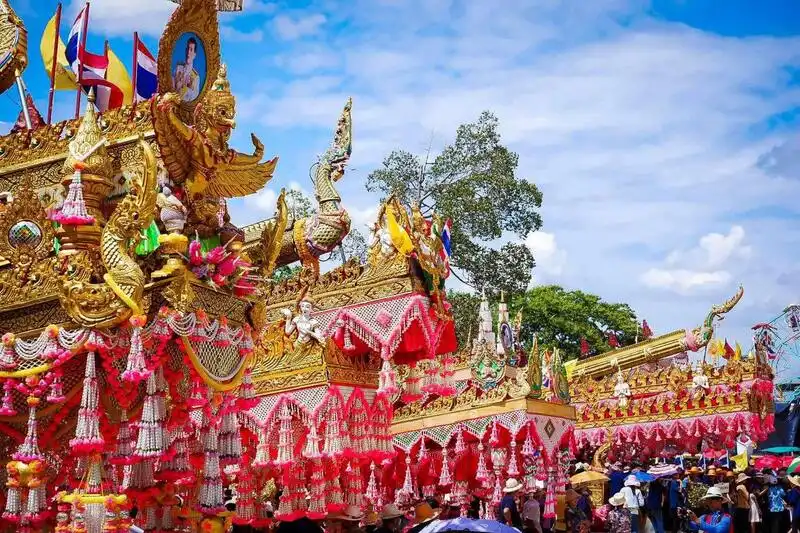
Open Days: Isan, or Northeastern Thailand, is a geographic region of Thailand that can be visited throughout the year. Opening days of individual attractions, temples, national parks, museums, markets, festivals, restaurants, and accommodations depend on the authority or operator responsible for each location.
Opening Hours: There are no single opening hours for the entire region. Each attraction, temple, national park, museum, market, restaurant, and hotel operates according to its own schedule.
Isan in Thailand, or Northeastern Thailand, consists of 20 provinces: Khon Kaen, Kalasin, Chaiyaphum, Nakhon Ratchasima, Nakhon Phanom, Mukdahan, Buri Ram, Maha Sarakham, Yasothon, Roi Et, Loei, Sakon Nakhon, Si Sa Ket, Nong Khai, Surin, Nong Bua Lam Phu, Amnat Charoen, Udon Thani, Ubon Ratchathani, and Bueng Kan. The region covers about 105.53 million rai, or roughly one-third of Thailand’s land area. It lies on the Khorat Plateau and is shaped by the Khorat Basin, the Sakon Nakhon Basin, the Phu Phan Range, the Mekong River, the Chi River, and the Mun River. Isan is known for the Isan language, local food, mor lam music, kantruem, ja-riang, Korat songs, Heet Sip Song Khong Sip Si traditions, Buddhist relics, Khmer stone sanctuaries, Mekong riverside towns, and Thai-Lao-Cambodian border culture.
Isan in Thailand, also known as Northeastern Thailand, is one of the country’s largest and most culturally distinctive regions. It is defined by geography, language, food, music, festivals, religious traditions, and community life. The region occupies the northeastern part of Thailand and includes the Khorat Plateau, Mekong riverside towns, the Chi and Mun river basins, mountain areas, farming communities, and border zones connected with Laos and Cambodia. Understanding Isan is not only about memorizing province names. It also requires seeing how landforms, rivers, languages, beliefs, and people have shaped a strong regional identity over many generations.
Isan consists of 20 provinces: Khon Kaen, Kalasin, Chaiyaphum, Nakhon Ratchasima, Nakhon Phanom, Mukdahan, Buri Ram, Maha Sarakham, Yasothon, Roi Et, Loei, Sakon Nakhon, Si Sa Ket, Nong Khai, Surin, Nong Bua Lam Phu, Amnat Charoen, Udon Thani, Ubon Ratchathani, and Bueng Kan. These provinces stretch from upper Isan and the Mekong border area to central Isan, lower Isan, and the Thai-Cambodian frontier. Each province has its own personality, yet together they form the broad region commonly called Isan.
In terms of land area, Isan covers about 105.53 million rai, or approximately one-third of Thailand’s total land area. Because the region is so large, it is far from uniform. It includes major urban centers such as Nakhon Ratchasima, Khon Kaen, Udon Thani, and Ubon Ratchathani; Mekong riverside towns such as Nong Khai, Bueng Kan, Nakhon Phanom, and Mukdahan; lower Isan cultural provinces such as Buri Ram, Surin, and Si Sa Ket; mountain provinces such as Loei and Chaiyaphum; and quieter provinces known for local culture, farming, festivals, and community life such as Kalasin, Maha Sarakham, Roi Et, Yasothon, Sakon Nakhon, Nong Bua Lam Phu, and Amnat Charoen.
The overall landscape of Isan is located on the Khorat Plateau. The land rises clearly from Central Thailand and forms a large highland area. To the west, mountain ranges and elevated land create a natural boundary. To the south, the San Kamphaeng and Phanom Dong Rak ranges mark important edges near Cambodia. The interior of the region resembles a broad basin-like plateau, gradually sloping toward the east and the Mekong River. The terrain includes plains, undulating land, hills, mountains, rivers, reservoirs, and agricultural landscapes that depend strongly on rainfall and seasonal water systems.
The geography of Isan is commonly divided into two large parts: the Khorat Basin and the Sakon Nakhon Basin. The Khorat Basin covers about three-quarters of the region and is associated with the Mun and Chi river basins. It includes much of central and lower Isan, with major cities, agricultural areas, historical sites, stone sanctuaries, and important travel routes. The Sakon Nakhon Basin lies to the north, from the Phu Phan Range toward the Mekong River. It is connected with Mekong tributaries, the Songkhram River system, and several riverside provinces.
The Phu Phan Range is an important mountain system separating the Khorat Basin from the Sakon Nakhon Basin. It is not only a physical divider, but also a watershed, a forested landscape, a historical route, and a cultural link between upper and lower Isan. In tourism, Isan’s mountains and highland landscapes create many important destinations, including Phu Kradueng, Phu Ruea, Phu Luang, Phu Pha Thoep, Phu Laen Kha, Pa Hin Ngam, Pha Taem, Phu Thok, and Hin Sam Wan.
The most important rivers of Isan are the Mekong River, the Chi River, and the Mun River. The Mekong is an international river and forms a natural boundary between Thailand and Laos in several provinces. It is central to riverside settlement, border trade, Naga beliefs, Buddhist Lent traditions, local fishing, and Mekong cultural identity. The Chi River flows through central Isan and supports many farming communities. The Mun River is the major river of lower Isan, flowing through Nakhon Ratchasima, Buri Ram, Surin, Si Sa Ket, and Ubon Ratchathani before joining the Mekong.
The climate of Isan follows Thailand’s three main seasons: hot season, rainy season, and cool season. The hot season is generally dry and warm, especially in inland areas far from the sea. The rainy season brings monsoon rain that replenishes rivers, reservoirs, and farmland. The cool season brings noticeably cooler air in many provinces, especially Loei, Nong Khai, Bueng Kan, Nakhon Phanom, Sakon Nakhon, Chaiyaphum, and mountain areas. This makes the cool season one of the most popular periods for visiting mountains, Mekong towns, temple festivals, and outdoor events.
Nakhon Ratchasima, often called Korat, is the main gateway from Bangkok and Central Thailand into Isan. Mittraphap Road makes Korat the first major province for many travelers entering the northeast. The province offers historical sites connected with Thao Suranari, old-town areas, Phimai Historical Park, Dan Kwian handicrafts, night markets, local food, and routes toward Khao Yai, Pak Chong, Chok Chai, Buri Ram, Khon Kaen, and Ubon Ratchathani. Korat therefore connects transport, history, culture, and the wider northeast.
Khon Kaen is the central hub of Isan. It has strong roles in education, healthcare, conferences, commerce, transportation, and modern urban services. The city has an airport, railway station, Mittraphap Road connections, hotels, shopping centers, universities, and cultural institutions. It is also a convenient base for traveling to Maha Sarakham, Roi Et, Kalasin, Chaiyaphum, and nearby provinces. For visitors who want to understand Isan through both city life and local culture, Khon Kaen is a practical starting point.
Udon Thani, Nong Khai, Bueng Kan, Loei, Sakon Nakhon, Nakhon Phanom, and Mukdahan represent the upper Isan and Mekong side of the region. Udon Thani is a major city linked with Nong Khai and Laos. Nong Khai is known for the Thai-Lao Friendship Bridge, Tha Sadet Market, and border-town atmosphere. Bueng Kan features Phu Thok, Hin Sam Wan, and sandstone landscapes. Loei is known for Chiang Khan, Kaeng Khut Khu, Phu Kradueng, and Phu Ruea. Sakon Nakhon has Phra That Choeng Chum, Nong Han, and Phu Phan culture. Nakhon Phanom is famous for Phra That Phanom and Mekong riverside scenery, while Mukdahan is known for Ho Kaeo Mukdahan, the Indochina Market, and the Second Thai-Lao Friendship Bridge.
Buri Ram, Surin, Si Sa Ket, and Ubon Ratchathani form an important lower Isan zone known for history, archaeology, Thai-Khmer culture, and the lower Mekong. Buri Ram has Phanom Rung Historical Park, Muang Tam Sanctuary, and a modern sports identity. Surin is strongly associated with elephant culture, Kuy communities, silk, and kantruem music. Si Sa Ket has Thai-Khmer communities, important temples, and border routes. Ubon Ratchathani is known for the Candle Festival, Pha Taem, Sam Phan Bok, the Mun River, and the area where the Mun meets the Mekong. This zone is ideal for travelers interested in ancient Khmer heritage and border culture.
Kalasin, Maha Sarakham, Roi Et, Yasothon, Nong Bua Lam Phu, and Amnat Charoen reflect another side of Isan: community life, local festivals, agricultural landscapes, and regional culture. Kalasin is known for the Sirindhorn Museum, dinosaur heritage, and Phu Thai culture. Maha Sarakham is an educational city and a center of central Isan culture. Roi Et has Phra Maha Chedi Chai Mongkhon and Bueng Phalan Chai. Yasothon is famous for the Rocket Festival. Nong Bua Lam Phu offers quiet natural and historical sites. Amnat Charoen preserves temples, communities, and the calm rhythm of rural Isan.
For planning purposes, Isan is often divided into upper and lower Northeastern provincial groups. Upper Isan includes groups such as Udon Thani, Nong Bua Lam Phu, Nong Khai, Loei, and Bueng Kan; Mukdahan, Sakon Nakhon, Nakhon Phanom, and Kalasin; and Khon Kaen, Maha Sarakham, and Roi Et. Lower Isan includes groups such as Nakhon Ratchasima, Chaiyaphum, Buri Ram, and Surin; and Ubon Ratchathani, Amnat Charoen, Si Sa Ket, and Yasothon. This grouping is useful because Isan is very large and distances between provinces can be significant.
Upper Isan is suitable for travelers interested in the Mekong River, border towns, Buddhist relics, mountains, temples, and Mekong cultural life. A route may begin in Udon Thani and continue to Nong Khai, Bueng Kan, Nakhon Phanom, Mukdahan, Loei, or Sakon Nakhon. The travel mood is often slower, with riverside walks, morning markets, temple visits, scenic viewpoints, and local food. The Thai-Lao cultural connection is visible through language, architecture, markets, festivals, and everyday life.
Lower Isan is suitable for travelers interested in stone sanctuaries, ancient Khmer history, elephant culture, silk, candle festivals, and the lower Mun-Mekong landscape. A route from Nakhon Ratchasima to Buri Ram, Surin, Si Sa Ket, and Ubon Ratchathani is especially rich in historical content. Travelers can begin at Korat, visit Phimai, continue to Phanom Rung and Muang Tam, experience Surin cultural traditions, and then travel toward Ubon Ratchathani for Pha Taem, Sam Phan Bok, temples, and the Mekong region.
The people of Isan come from several cultural and ethnic backgrounds. These include Thai Korat, Suay or Kuy, Yo, Phu Thai, So, Lao-Isan, Thai-Khmer communities, and other local groups. This diversity gives the region many languages and cultural layers. Lao-Isan or the Isan language is widely spoken across the region. Standard Thai is used in cities, schools, government offices, and formal communication. Thai Korat is important in Nakhon Ratchasima. Thai-Khmer and Kuy are prominent in lower Isan, while Phu Thai, So, Yo, and other local groups maintain their own cultural expressions.
Heet Sip Song Khong Sip Si is one of the most important cultural frameworks of Isan society. Heet Sip Song refers to the twelve monthly traditions, including merit-making events connected with rice, Buddhist teachings, ordination, rain, Buddhist Lent, ancestors, and community life. Khong Sip Si refers to social principles, moral conduct, and community order. Together, they show how Isan life has long been tied to temples, families, farming seasons, village cooperation, and Buddhist merit-making.
Isan food is one of the region’s most influential cultural identities. It is bold, local, seasonal, and often eaten with sticky rice. Famous dishes include som tam, larb, nam tok, koi, bamboo shoot soup, pon, jaew, om, mok, grilled chicken, sticky rice, khao jee, pla ra, mushroom curry, ant eggs, and Mekong river dishes. These foods reflect the local climate, village life, food preservation, seasonal vegetables, rice-field ecology, and the culture of eating together.
Music and performing arts are central to Isan identity. Mor lam uses the Isan language and the khaen as core elements. Kantruem and ja-riang reflect lower Isan and Thai-Khmer cultural worlds. Korat songs represent the Thai Korat identity of Nakhon Ratchasima. Folk dances and serng performances appear in temple fairs, processions, festivals, and community rituals. These arts are not only entertainment; they carry stories, moral ideas, humor, local memory, and the vitality of community life.
Historical attractions in Isan are highly significant because the region has long connected the Mekong basin, the Mun River basin, and the ancient Khmer world. Phimai Historical Park in Nakhon Ratchasima shows the importance of ancient Phimai. Phanom Rung Historical Park and Muang Tam Sanctuary in Buri Ram are among the finest Khmer stone sanctuaries in Thailand. Ban Chiang in Udon Thani reflects prehistoric settlement and early cultural development. Stone sanctuaries in Surin, Si Sa Ket, and Ubon Ratchathani add further depth to the lower Isan historical landscape.
Religious and spiritual travel is also important in Isan. Phra That Phanom in Nakhon Phanom is one of the region’s most sacred Buddhist sites. Wat Phra That Choeng Chum in Sakon Nakhon, Wat Nong Waeng in Khon Kaen, Wat Pho Chai in Nong Khai, Wat Pa Phu Kon in Udon Thani, Wat Tham Pha Daen in Sakon Nakhon, and many other temples reflect the relationship between Buddhism, local art, sacred landscapes, and community faith. Temple and relic routes are among the most meaningful ways to experience Isan.
The natural side of Isan is more diverse than the common image of a dry inland region. Mountain areas in Loei, Chaiyaphum, and Bueng Kan offer cool weather, broad viewpoints, and distinctive landscapes. Phu Kradueng is one of Thailand’s best-known hiking destinations. Phu Ruea and Phu Luang are associated with highland scenery. Pha Taem and Sam Phan Bok in Ubon Ratchathani reveal the power of the Mekong landscape. Hin Sam Wan and Phu Thok in Bueng Kan show dramatic sandstone formations, while Pa Hin Ngam in Chaiyaphum is known for seasonal Siam tulip fields.
As a region, Isan can be visited year-round because it is not a single gated attraction. However, individual destinations operate under their own rules. National parks and historical parks usually have official opening hours and entrance fees. Temples generally open during daytime hours. Museums may close on certain weekdays. Night markets operate in the evening. Restaurants and accommodations follow their own business hours. Local festivals follow annual calendars. Travelers should check the details of each destination before visiting.
Getting There is possible by road, rail, and air. From Bangkok, travelers commonly use Mittraphap Road through Saraburi to Nakhon Ratchasima before continuing to other provinces. Northeastern railway lines connect Bangkok with Nakhon Ratchasima, Khon Kaen, Udon Thani, Nong Khai, Ubon Ratchathani, and other important towns. Flights are available to key provinces such as Khon Kaen, Udon Thani, Ubon Ratchathani, Nakhon Phanom, Buri Ram, Roi Et, Sakon Nakhon, and Loei. The best transport option depends on distance, budget, time, and travel route.
First-time travelers should choose an Isan route based on interest. For history and stone sanctuaries, the Nakhon Ratchasima-Buri Ram-Surin-Si Sa Ket-Ubon Ratchathani route is strong. For urban culture, food, museums, and central Isan life, Nakhon Ratchasima-Khon Kaen-Maha Sarakham-Roi Et-Kalasin is practical. For Mekong towns, Buddhist relics, border culture, and mountains, Udon Thani-Nong Khai-Bueng Kan-Loei-Sakon Nakhon-Nakhon Phanom-Mukdahan is suitable. Dividing the trip by zone helps reduce backtracking and creates a deeper experience.
For international travelers, Isan offers a different perspective on Thailand beyond Bangkok, Chiang Mai, Phuket, or Pattaya. The region offers Mekong towns, local markets, powerful food culture, Buddhist temples, sacred relics, Khmer ruins, mor lam music, village life, farms, mountains, and festivals that remain connected with real local communities. Traveling in Isan requires more time than visiting compact tourist cities, but it gives a deeper understanding of Thai regional diversity.
Isan is also socially and economically important to Thailand. A large share of Thai people have roots in this region, and Isan food, music, labor, literature, silk, festivals, and local values have spread across the country. Som tam, grilled chicken, larb, mor lam, Isan silk, and merit-making traditions are now part of wider Thai culture. Isan should therefore not be seen as a marginal region, but as one of the central cultural forces within Thailand.
In summary, Isan in Thailand, or Northeastern Thailand, consists of 20 provinces on the Khorat Plateau and covers about one-third of the country. Its geography is shaped by the Khorat Basin, the Sakon Nakhon Basin, the Phu Phan Range, the Mekong River, the Chi River, and the Mun River. Its culture includes Thai-Lao, Thai Korat, Thai-Khmer, Kuy, Phu Thai, Yo, So, and other local communities. The region is known for Heet Sip Song Khong Sip Si, Isan food, mor lam, kantruem, ja-riang, Korat songs, Buddhist relics, temples, Khmer sanctuaries, Mekong towns, mountains, and living community traditions. Visiting Isan is a way to understand Thailand through culture, history, nature, and people in a deeper regional context.
| Article Topic | Isan In Thailand / Northeastern Thailand |
| Location | Northeastern Thailand, bordered by Laos to the north and east, Cambodia and Eastern Thailand to the south, and Central Thailand plus the lower northern region to the west |
| Approximate Area | About 105.53 million rai, or approximately 168,854 square kilometers, roughly one-third of Thailand’s land area |
| Regional Reference Position | Located on the Khorat Plateau and connected with the Mekong River, Khorat Basin, Sakon Nakhon Basin, and Phu Phan Range |
| Number Of Provinces | 20 Provinces |
| Province List | 1. Khon Kaen 2. Kalasin 3. Chaiyaphum 4. Nakhon Ratchasima 5. Nakhon Phanom 6. Mukdahan 7. Buri Ram 8. Maha Sarakham 9. Yasothon 10. Roi Et 11. Loei 12. Sakon Nakhon 13. Si Sa Ket 14. Nong Khai 15. Surin 16. Nong Bua Lam Phu 17. Amnat Charoen 18. Udon Thani 19. Ubon Ratchathani 20. Bueng Kan |
| Key Geography | Khorat Plateau, Khorat Basin, Sakon Nakhon Basin, Phu Phan Range, San Kamphaeng Range, Phanom Dong Rak Range, Dong Phaya Yen Range, Mekong River, Chi River, and Mun River |
| Geographic Structure | The Khorat Basin covers the Mun and Chi river systems and much of central and lower Isan. The Sakon Nakhon Basin lies north of the Phu Phan Range and connects with Mekong riverside areas and tributary systems. |
| Current Status | A major geographic and cultural region of Thailand that can be visited year-round. Individual attractions operate according to their own schedules and conditions. |
| Open Days | Travelable Year-Round |
| Opening Hours | No single opening hours for the whole region. Check each attraction, temple, national park, museum, market, restaurant, or event in the province you plan to visit. |
| Admission Fee | No admission fee for the region as a whole. Costs depend on individual attractions, national parks, museums, festivals, activities, restaurants, accommodation, and transportation. |
| Caretaker / Related Authorities | Provincial administrations, district offices, local administrative organizations, tourism agencies, national park authorities, the Fine Arts Department, temples, communities, and local operators in each area. There is no single caretaker for the entire region. |
| Upper Northeastern Province Groups | Group 1: Udon Thani, Nong Bua Lam Phu, Nong Khai, Loei, and Bueng Kan Group 2: Mukdahan, Sakon Nakhon, Nakhon Phanom, and Kalasin Group 3: Khon Kaen, Maha Sarakham, and Roi Et |
| Lower Northeastern Province Groups | Group 1: Nakhon Ratchasima, Chaiyaphum, Buri Ram, and Surin Group 2: Ubon Ratchathani, Amnat Charoen, Si Sa Ket, and Yasothon |
| Languages And Cultural Groups | Isan or Lao-Isan, Standard Thai, Thai Korat, Thai-Khmer dialects, Kuy or Suay, Phu Thai, So, Yo, and other local languages and cultural communities |
| Important Traditions | Heet Sip Song Khong Sip Si, Rocket Festival, Ubon Candle Festival, Illuminated Boat Procession, Phi Ta Khon, Surin Elephant Round-Up, Bun Phawet, Wax Castle Festival, Khao Jee Merit-Making, Buddhist Lent and end-of-Lent festivals, and local merit-making ceremonies |
| Signature Food | Som Tam, Larb, Nam Tok, Koi, Bamboo Shoot Soup, Pon, Jaew, Om, Mok, Grilled Chicken, Sticky Rice, Khao Jee, Pla Ra, Mushroom Curry, Ant Eggs, and Mekong River Dishes |
| Signature Performing Arts | Mor Lam, Khaen Music, Serng, Kantruem, Ja-Riang, Korat Songs, Local Dances, And Folk Performances In Merit-Making Festivals |
| Main Travel Zones | Upper Isan and Mekong Zone Central Isan Zone Lower Isan Zone Khmer Sanctuary and Thai-Khmer Cultural Zone Mekong Riverside Town Zone Mountain and National Park Zone Buddhist Relic and Temple Zone Food and Local Market Zone |
| Travel Information | From Bangkok, travelers commonly take Mittraphap Road to Nakhon Ratchasima and continue to other Isan provinces by car, bus, train, or domestic flight. Key bases include Nakhon Ratchasima, Khon Kaen, Udon Thani, Ubon Ratchathani, Buri Ram, Roi Et, Sakon Nakhon, Nakhon Phanom, and Loei. |
| Facilities | Airports in major provinces, railway stations, bus terminals, hotels, resorts, restaurants, local markets, visitor centers, hospitals, shopping malls, and tour services in key cities |
| Major Attractions In Isan | 1. Phimai Historical Park, Nakhon Ratchasima Province, about 60 km from Nakhon Ratchasima City, Tel. 044-471-568 2. Phanom Rung Historical Park, Buri Ram Province, about 135 km from Nakhon Ratchasima City, Tel. 044-782-715 3. Wat Phra That Phanom Woramahawihan, Nakhon Phanom Province, about 500 km from Nakhon Ratchasima City, Tel. 042-541-050 4. Pha Taem National Park, Ubon Ratchathani Province, about 520 km from Nakhon Ratchasima City, Tel. 045-252-581 5. Thai-Lao Friendship Bridge, Nong Khai Province, about 330 km from Nakhon Ratchasima City 6. Phu Kradueng, Loei Province, about 275 km from Nakhon Ratchasima City |
| Restaurants Near The Nakhon Ratchasima Gateway | 1. Chez Andy Swiss Restaurant & Steak House, about 1 km from Thao Suranari Monument, Tel. 044-289-556 2. Krua Suwimol, about 2 km from Thao Suranari Monument, Tel. 044-242-444 3. Roti Cafe @ Night Suan Mak, about 1 km from Thao Suranari Monument, Tel. 084-007-0031 4. Tao Thueng Ohim Night Bazaar Suan Mak, about 1 km from Thao Suranari Monument, Tel. 087-956-8933 5. Krua Dan Kwian, about 19 km from Nakhon Ratchasima City, Tel. 044-338-505 6. Chokchai Steakhouse, Farm Chokchai Pak Chong Branch, about 90 km from Nakhon Ratchasima City, Tel. 086-328-0189 |
| Accommodations Near The Nakhon Ratchasima Gateway | 1. Korat Hotel, about 1 km from Thao Suranari Monument, Tel. 093-325-7996 2. Centre Point Hotel Terminal21 Korat, about 2 km from Thao Suranari Monument, Tel. 044-498-880 3. The Rich Hotel Korat, about 3 km from Thao Suranari Monument, Tel. 093-964-7416 4. Kantary Hotel Korat, about 5 km from Thao Suranari Monument, Tel. 044-353-011-2 5. Centara Korat, about 5 km from Thao Suranari Monument, Tel. 044-251-234 6. Hotels in Khon Kaen, Udon Thani, Ubon Ratchathani, and Nakhon Phanom are suitable bases depending on the selected travel route. |
Frequently Asked Questions (FAQ)
Q: How many provinces are there in Isan, Thailand?
A: Isan has 20 provinces: Khon Kaen, Kalasin, Chaiyaphum, Nakhon Ratchasima, Nakhon Phanom, Mukdahan, Buri Ram, Maha Sarakham, Yasothon, Roi Et, Loei, Sakon Nakhon, Si Sa Ket, Nong Khai, Surin, Nong Bua Lam Phu, Amnat Charoen, Udon Thani, Ubon Ratchathani, and Bueng Kan.
Q: How large is Isan?
A: Isan covers about 105.53 million rai, or approximately 168,854 square kilometers, which is roughly one-third of Thailand’s land area.
Q: What type of landscape does Isan have?
A: Isan lies on the Khorat Plateau. It is a raised plateau region separated from Central Thailand and is mainly divided into the Khorat Basin and the Sakon Nakhon Basin, with the Phu Phan Range as an important dividing mountain system.
Q: What is the difference between the Khorat Basin and the Sakon Nakhon Basin?
A: The Khorat Basin is associated with the Mun and Chi river systems and covers much of central and lower Isan. The Sakon Nakhon Basin lies north of the Phu Phan Range and connects with Mekong riverside areas and tributary waterways.
Q: How are Isan provinces commonly grouped?
A: Isan can be grouped into upper and lower Northeastern provincial clusters. Upper Isan includes areas such as Udon Thani, Nong Khai, Loei, Bueng Kan, Sakon Nakhon, Nakhon Phanom, Mukdahan, Khon Kaen, Maha Sarakham, and Roi Et, while lower Isan includes Nakhon Ratchasima, Chaiyaphum, Buri Ram, Surin, Ubon Ratchathani, Amnat Charoen, Si Sa Ket, and Yasothon.
Q: What cultural features is Isan known for?
A: Isan is known for the Isan language, local food, mor lam, khaen music, kantruem, ja-riang, Korat songs, Heet Sip Song Khong Sip Si traditions, Buddhist relics, temples, merit-making festivals, and Mekong riverside community life.
Q: Where should first-time travelers begin a trip to Isan?
A: Travelers from Bangkok can begin in Nakhon Ratchasima because it is the main gateway to Isan and connects easily to other provinces. From there, they can choose routes based on interest, such as Khmer stone sanctuaries, Mekong towns, mountains, temples, or local food.
Q: Is Isan suitable for foreign travelers?
A: Yes. Isan is suitable for foreign travelers who want to understand local Thailand through regional language, food, music, Mekong towns, Khmer heritage, Buddhist temples, sacred relics, festivals, and community life beyond the main tourist cities.
 Category: ●Travel Articles, Recipes
 Group: ●Travel Review, Food Review
Last Update : 2 MonthAgo
 Last Update : 2 MonthAgo
Recommend

 Art, Culture and Heritage
 Historical Sites and Monuments(20)
 Landmarks and Memorials(5)
 Art, Craft Centres, Tradition(7)
 Museums(6)
 Art Gallery(1)
 Educational Places
 Educational Gardens, Farm(4)
 Places of Worship
 Temple(29)
 Mosque(1)
 Other Sacred Sites(6)
 Research and Development
 Royal Project(3)
 Suburban Living
 Village, Community(6)
 Local Market(4)
 Floating Market(1)
 Nature and Wildlife
 National Parks and Marine Reserves(3)
 Mountain (Doi)(5)
 Dam, Reservoir, Lake(8)
 Waterfalls(9)
 Hot Springs(1)
 Caves(2)
 Flower Field(1)
 River, Canal(8)
 Bays and Beaches(2)
 Other natural attractions(3)
 Entertainment and Agricultural
 Zoos and Aquariums(1)
 Animal camps and shows(1)
 Farms, Parks and Ecotourism(21)
 Waterpark(2)
 Outdoor and Adventure Activities(6)
 Shopping
 Shopping and Night Market(2)
Travel Review, Food Review(5)
Shopping and Night Market(2)
Travel Review, Food Review(5)


