
lovethailand home >Northeastern Travel Attractions >Mukdahan Travel Attractions >Don Tan >Don Tan > Wat Woen Chai Mongkhon
TL;DR: Wat Woen Chai Mongkhon is located at Moo 12, Ban Pha Suk, Don Tan Subdistrict, Don Tan District, Mukdahan Province, Thailand, open Daily, hours The temple grounds are accessible 24 hours. Visiting between 06.00 and 18.00 is.
Wat Woen Chai Mongkhon
Open Days: Daily
Opening Hours: The temple grounds are accessible 24 hours. Visiting between 06.00 and 18.00 is recommended; religious buildings open according to monastic activities.
Wat Woen Chai Mongkhon is a historic Mekong riverfront temple in Don Tan District, Mukdahan Province. It stands in Ban Pha Suk, Moo 12, Don Tan Subdistrict, on sloping ground that descends toward the river. Its most distinctive natural feature is Hat Hin Wat Woen Chai Mongkhon, a broad rocky riverbank that emerges when the Mekong reaches its seasonal low level. The exposed rock is generally most visible during March and April, when visitors can observe natural channels, shallow pools, eroded surfaces, and stone formations that remain submerged during much of the year.
The temple also preserves archaeological and religious evidence from several historical periods. Pottery fragments and metal slag indicate activity during the late prehistoric period. Two sandstone pillars and 12 sandstone boundary stones represent an early phase of Buddhist occupation. Phra That Woen Chai, surrounding stupas, vernacular Isan structures, and an old Lan Xang-style Buddha image demonstrate the continuing religious importance of the site from the Lan Xang cultural period into the present.
Wat Woen Chai Mongkhon therefore combines worship, archaeology, architecture, community tradition, and a seasonally changing Mekong landscape in one place. Visitors can pay respect to the Buddha, view the ancient stupa and sandstone markers, learn about the development of river communities, relax in the riverside pavilion, and walk across the exposed rock when conditions are safe. During the End of Buddhist Lent, the riverfront also becomes the setting for the local illuminated-boat tradition.
The temple occupies approximately 45 rai of gently undulating and sloping land. Much of the surface soil is shallow, allowing natural bedrock to appear in several places. Some exposed rock extends from the upper temple area toward the riverbank. During high-water periods, much of the lower rock is covered by the Mekong. When the river falls during the dry season, the submerged terrain is revealed as a broad and visually striking rocky beach.
The temple is located at approximately 16.3308, 104.9178 in Ban Pha Suk, Don Tan Subdistrict, Don Tan District, Mukdahan Province. It lies south of Mukdahan city and is most conveniently reached by private car or motorcycle. Travelers enter Don Tan District and continue through local roads toward Ban Pha Suk and the Mekong riverfront.
The National Office of Buddhism records Wat Woen Chai Mongkhon as a public temple of the Mahanikaya order established in 1937. Archaeological evidence within the compound, however, is considerably older than the registered institutional date. This is not a contradiction. The official date relates to the modern monastic institution, while the pottery, sandstone markers, stupas, and other remains show that the location had religious and community significance long before formal registration.
The earliest evidence includes pottery fragments and metal slag. Slag is a material left from smelting or metalworking. Finding it together with pottery suggests that people used the riverfront for settlement, craft production, toolmaking, or trade during the late prehistoric period. These small remains help establish that the Don Tan section of the Mekong was occupied and economically active many centuries before the current temple was founded.
The Mekong made the area suitable for long-term human activity. It provided water, fish, edible plants, transportation, and access to other communities. Boats could move people, tools, raw materials, and ideas along the river. Elevated ground above the flood level offered a stable location for settlement and ceremonial structures, while the lower riverbank provided access to food and transport.
Another significant group of remains consists of 2 sandstone pillars and 12 sandstone sema stones. Sema stones mark the sacred boundary within which formal monastic acts may be performed. In northeastern Thailand, ancient sema are also associated with early historic Buddhist cultures, including the broad cultural sphere generally described as Dvaravati.
The presence of 12 boundary stones indicates that the site was more than a temporary riverside stop. It functioned as an established ritual area with a defined sacred zone. Some stones may have simple forms, while others show a base, ridge, or pointed upper section. Their value lies not only in appearance but also in their original positions and relationships with the other archaeological features.
Visitors must not pull, push, climb, sit on, or move the sema stones. Sandstone that has survived for centuries can still fracture under repeated pressure. The stones should be photographed from the walking area without placing bags, bottles, tripods, or other equipment against them.
The 2 sandstone pillars are another important part of the archaeological landscape. They may once have belonged to a building, ritual structure, or installation that no longer survives in complete form. Archaeologists study the material, dimensions, location, and relationship of such pillars to the sema and stupas in order to understand how the sacred area developed.
The most prominent historical monument is Phra That Woen Chai and its surrounding subsidiary stupas. The main stupa has a tiered square composition influenced by Lan Xang and local northeastern craftsmanship. It functions as a principal focus of devotion and a visual landmark within the compound.
Several smaller square-based stupas stand around the main monument. They may have been constructed during different phases and could contain relics, cremated remains, or objects dedicated to monks and respected members of the community. Together, the main and subsidiary stupas establish a clearly sacred architectural zone.
Visitors should remain on the established path and avoid stepping onto the bases. Old brick and stucco can be damaged by pressure, vibration, moisture, and repeated contact. Bags and photography equipment should not be placed on the structures.
Additional structures north of the main stupa include a religious hall, sandstone bases, and features connected with worship. These remains show that the stupa was part of a more complex sacred layout rather than an isolated monument. Understanding the site requires looking at the relationship between buildings, stones, pathways, and the river.
An old seated Buddha image is another important object within the temple. The figure is shown in meditation and displays Lan Xang artistic characteristics. Its face is relatively full, with a gentle smile that creates an impression of calmness, compassion, and accessibility.
Lan Xang art is not limited to the present territory of Laos. It developed throughout the cultural world of the middle Mekong, including Mukdahan, Nakhon Phanom, Nong Khai, Bueng Kan, and nearby provinces. Monks, artisans, families, and religious traditions moved across the river, producing related forms of Buddha images, stupas, ordination halls, and ritual practices.
The multipurpose sermon hall is used for merit-making, chanting, meetings, community events, and ceremonies involving the Sangha. Such halls are essential in rural and riverfront temples because they can accommodate large groups during kathina, pha pa offerings, Buddhist holy days, funerals, and public-benefit programs.
Monks’ residences are located in a separate part of the compound. They are private living and practice areas rather than tourist zones. Visitors wishing to present offerings, request a ceremony, or ask for information should first contact a monk or authorized person in a public area.
The temple also contains a pond and a riverside pavilion. The pond supports water management and creates a greener environment within the compound. The riverside pavilion allows visitors to sit in the shade and view the Mekong without descending onto the rocky beach.
The pavilion is particularly useful for older visitors, families with small children, and anyone arriving when the river level is high. Visitors should keep the area clean, avoid throwing food or waste into the river, and refrain from climbing or leaning heavily against riverside railings.
Hat Hin Wat Woen Chai Mongkhon is seasonal. It does not maintain the same appearance throughout the year. March and April usually offer the greatest chance of seeing an extensive rock surface because the Mekong is approaching its annual low level. The exposed area varies according to rainfall, upstream water conditions, and the overall hydrology of the basin.
The Thai word hat in this context does not describe a soft sandy beach intended for swimming. It refers to a naturally exposed rocky bank and riverbed. The forms visible on the stone result from the nature of the bedrock combined with long-term erosion by flowing water, sand, gravel, and sediment.
During low water, the beach reveals geology that is normally hidden beneath the Mekong. Some surfaces have been polished smooth, while others contain cracks, depressions, channels, and small pools. The stone changes color according to moisture and light, appearing grey, brown, or nearly black at different times of day.
Morning is comfortable for walking because temperatures remain relatively low and angled light emphasizes textures in the rock. Late afternoon offers softer light and views across the river. Midday should be avoided during the hot season because exposed stone can absorb substantial heat.
The rock may appear secure when dry, but algae, thin mud, and moisture can make certain sections extremely slippery. Pools may be deeper than they seem, and water moving through channels can be strong. Visitors should stay away from the main current, supervise children closely, and avoid walking on the lower beach after dark.
Mekong water levels may change in response to rain far upstream even when the local weather is dry. Visitors should not leave belongings beside the water or remain on low rock platforms for long periods. Anyone noticing a rapid rise in water or a change in current should immediately return to higher ground.
Stones must not be collected as souvenirs. Every rock is part of the landscape and may provide shelter for small aquatic organisms. Moving stones, carving names, applying paint, or constructing artificial piles damages the natural character of the beach.
The temple riverfront is closely associated with the End of Buddhist Lent traditions of Don Tan. The municipality and local community organize an illuminated-boat procession on the Mekong in the vicinity of the temple and rocky beach. Decorated boats move across the dark river while their lights are reflected on the water.
The illuminated-boat tradition expresses Buddhist devotion, respect for the river, and cooperation within the community. Building and operating the boats requires participation from monks, residents, local officials, young people, and volunteers. The event is both a religious observance and a public expression of local identity.
Festival dates and arrangements should be checked each year because water conditions and local planning can affect the program. Roads, parking areas, and the riverfront may become crowded. Visitors should arrive early, use designated parking, and follow safety instructions.
The temple also participates in regular Buddhist activities, including Makha Bucha, Visakha Bucha, Asalha Bucha, Buddhist Lent, kathina, and communal merit-making. A kathina procession held in 2025 confirms that Wat Woen Chai Mongkhon remains an active religious center rather than an abandoned archaeological property.
Cultural visitors should begin with worship and the historic monuments before approaching the river. This sequence reinforces the temple’s primary identity as a sacred place and helps visitors understand the relationship between Buddhist practice, archaeology, and the natural landscape.
The main visitor zones include Phra That Woen Chai and the subsidiary stupas, the Buddha image and worship hall, the sandstone sema and pillars, the sermon hall, monks’ residences, the pond, the riverside pavilion, the viewpoint, the steps leading toward the river, and the seasonal rocky beach.
The stupa zone requires the greatest degree of restraint. Visitors may walk clockwise around the sacred monument where the path permits, but should not step on the base or place personal items against the brick and stucco.
The sema and sandstone zone should be viewed without cleaning, moving vegetation, rearranging stones, or touching the archaeological objects. Conservation work must be undertaken by responsible authorities and specialists who can document the original condition.
The sermon hall opens according to temple activities. If monks are chanting, meeting, or conducting a ceremony, visitors should wait outside or request permission. Chairs, monastic seats, offerings, and ceremonial objects must not be moved for photography.
The riverside pavilion is a suitable viewpoint when the beach cannot be accessed. Visitors should use the handrail on steps, avoid overcrowding the river edge, and leave the area during thunderstorms or dangerous weather.
The rocky beach should be entered only when the water, weather, and access route are safe. A barrier or closure must always be respected. Even when the beach is submerged, the temple remains worth visiting for its monuments, archaeology, Buddha image, and river view.
Recommended visiting periods are 06.00 to 09.30 and 16.00 to 18.00. Morning is suitable for merit-making and cooler walking conditions. Late afternoon provides softer light over the Mekong. Archaeological remains should be viewed before darkness because uneven surfaces become difficult to see.
Current tourism information lists the temple grounds as accessible 24 hours. This does not mean that every religious building remains open throughout the night. The ordination hall, worship halls, and protected areas may follow monastic schedules. Daylight visits are strongly recommended.
Admission is free. Visitors may make a voluntary donation through official temple boxes or channels. Expensive offerings are unnecessary. Respectful behavior, cleanliness, and support for conservation are meaningful forms of contribution.
Clothing should cover the shoulders and knees. Shoes and hats should be removed before entering religious buildings. Visitors should not point their feet toward Buddha images, stupas, or monks, and mobile phones should remain silent during worship.
Women should avoid direct physical contact with monks. Offerings may be placed on a receiving cloth or passed through a male intermediary. Permission should be requested before photographing monks, particularly during chanting, meals, or private activities.
Photography is possible in public areas, but visitors must not climb stupas, boundary stones, fences, or buildings. Flash should be avoided indoors, and drones require prior authorization because they may disturb monastic life and create safety risks near the river.
Children must remain under close supervision. The rocky beach contains uneven surfaces, pools, and proximity to flowing water. It is not an appropriate place for unsupervised running or swimming.
Older travelers may enjoy the view from the upper temple area or pavilion without descending to the beach. Anyone using the steps should wear shoes with good grip and receive assistance where necessary. Wet stone can be dangerous even after light rain or morning dew.
November through February provides comfortable weather for worship and river viewing, although the full rocky beach may not yet be exposed. March and April are the principal low-water months, but daytime heat can be severe. Water, sun protection, and morning or late-afternoon timing are essential.
From approximately May through October, higher water generally covers much of the rock. The river appears broader and more powerful, while vegetation around the temple becomes greener. Visitors should remain on higher ground and observe any local river warnings.
Getting There from Mukdahan city requires traveling south toward Don Tan District and continuing into Don Tan Subdistrict and Ban Pha Suk, Moo 12. Navigation systems can use the name Wat Woen Chai Mongkhon or the coordinates 16.3308, 104.9178. A private car or motorcycle is the most convenient option.
From central Don Tan, follow local roads toward Ban Pha Suk and the Mekong riverfront. Residents recognize the temple as the riverside monastery with a rocky beach visible during the dry season. Drivers should reduce speed within the village because local roads pass houses and community areas.
Parking is available within or near the temple according to local arrangements. Space may be limited during Buddhist Lent celebrations, kathina, and other events. Vehicles must not block emergency access, the route to the river, monastic areas, or private homes.
A normal visit requires approximately 1 to 2 hours. When the beach is exposed, cultural visitors and photographers may spend 2 to 3 hours exploring safely. Everyone should return from the lower riverbank before sunset.
A half-day itinerary can begin at Wat Woen Chai Mongkhon, continue to the Don Tan Mekong embankment, Wat Matchimawat, and other religious sites in the town center, and finish with lunch at a local restaurant. The distances are short and suitable for families.
Wat Matchimawat is connected with the archaeological history of Don Tan. A prehistoric bronze drum discovered near the Mekong in 1938 was initially kept at Wat Woen Chai Mongkhon before being transferred to a drum tower at Wat Matchimawat. The history links the 2 temples through their role in protecting local heritage.
Bronze drums are associated with prehistoric societies and long-distance exchange networks in Southeast Asia. Their presence near the Mekong confirms that the river moved not only ordinary goods but also technology, ritual objects, and cultural ideas.
The Don Tan Mekong embankment offers a more developed riverside environment for walking and relaxation. Comparing it with the natural stone at Wat Woen Chai Mongkhon reveals the contrast between an engineered waterfront and an exposed geological riverbank.
Wat Dan Khum Kham and other community temples can be included in a local pilgrimage route. Visiting several monasteries illustrates how religious institutions serve different neighborhoods while remaining connected through district ceremonies and shared cultural traditions.
Somdet Ya Park at Woraphat Base provides another recreational and educational stop in Don Tan. Opening arrangements and scheduled activities should be checked before a special visit.
Local food reflects the Mekong and Isan environment. Restaurants serve river fish, fish soup, fried fish, larb, koi, som tam, grilled dishes, vegetables, and regional herbs. Fish menus may depend on season and supply, so prices and availability should be confirmed.
Hat Hin Restaurant & Resort is located in Moo 12 near the temple and combines dining with riverside accommodation. Krua Sam Sahai and Krua Lan Thong serve Thai and Isan food in the Don Tan area. Nittaya Pla Phao and Krua Ton Kla are further options for fish dishes and family meals.
Local restaurants may adjust their opening days and kitchen hours. Groups should reserve in advance, particularly during festivals. Riverfront seating may be restricted during high water or heavy rain.
Accommodation includes riverfront resorts, guesthouses, and small properties in central Don Tan. Hat Hin Restaurant & Resort is among the closest choices. Rim Khong View and Baan Rim Khong Resort are convenient for visitors wishing to remain beside the river.
Small properties should be contacted before arrival because room numbers are limited and reception may not operate throughout the night. Travelers should confirm rates, check-in time, parking, breakfast, and family policies directly.
Rungroj Resort and other properties along the Mukdahan–Don Tan route are useful for travelers with private vehicles who plan to continue into Mukdahan city. They are farther from the temple but may provide easier access to the main road.
Responsible tourism supports the local community. Visitors can eat at local restaurants, use community accommodation, purchase ordinary supplies, and park considerately. Tourism income gives residents a practical reason to continue protecting the temple and riverfront.
Conserving the archaeological remains requires cooperation among monks, residents, authorities, and visitors. Brick, stucco, sandstone, and old structures deteriorate through moisture, plants, sunlight, and human contact. Avoiding unnecessary touching and reporting visible damage are simple but valuable actions.
Waste harms both the temple and the Mekong. Plastic bottles, food packaging, and other materials must be carried back from the beach. Artificial offerings and synthetic objects should never be released into the river.
Respect for the river can be expressed through reducing waste, joining clean-up activities, and protecting water quality. Releasing non-biodegradable material is inconsistent with genuine respect for the natural environment.
Travel information should make clear that the rocky beach is seasonal. It does not remain visible throughout the year. Accurate descriptions help visitors plan realistically and encourage them to appreciate the archaeological and religious importance of the temple in every season.
High-water visits provide a different experience. The Mekong becomes broad and powerful, the stone disappears beneath the current, and the green landscape becomes more prominent. The pavilion and upper temple grounds provide safer viewpoints.
Photographers should look for compositions connecting the stupa, pavilion, rock, and river. People may provide a sense of scale, but no subject should be placed in a dangerous position. Morning light emphasizes texture, while late afternoon creates silhouettes and reflections.
Archaeological objects must never be wetted, cleaned, or rearranged for photographs. Good images should result from light and composition rather than physical alteration of ancient surfaces.
The value of Wat Woen Chai Mongkhon comes from the relationship among all its elements. The stupa represents community devotion, the sema stones preserve early Buddhist history, pottery and slag connect the site with prehistoric people, the Buddha image reflects Lan Xang culture, and the rocky beach reveals the changing Mekong.
Walking from the sacred monuments down toward the river is also a movement through historical layers. The upper area represents ritual and permanent settlement, while the lower bank represents transport, natural resources, and seasonal change. Looking back from the river shows how deliberately the sacred site was positioned above the Mekong.
Wat Woen Chai Mongkhon is suitable for pilgrims, cultural travelers, archaeology enthusiasts, families, photographers, and anyone interested in Mekong life. Its seasonal rocky beach provides a remarkable natural setting, while its religious and archaeological remains give the visit depth beyond ordinary riverfront sightseeing.
Visitors who check the water level, choose a comfortable time, dress respectfully, and follow temple and river-safety rules can experience the site in a complete and meaningful way. The enduring appeal of Wat Woen Chai Mongkhon lies in the interaction between a constantly changing river and the continuing faith of the Don Tan community.
| Name | Wat Woen Chai Mongkhon |
| Type | Public Mahanikaya Buddhist Temple and Mekong River Archaeological Site |
| Location | Moo 12, Ban Pha Suk, Don Tan Subdistrict, Don Tan District, Mukdahan Province, Thailand |
| Coordinates | 16.3308, 104.9178 |
| Area | Approximately 45 rai |
| Registered Founding Year | 1937 |
| Highlights | Seasonal rocky Mekong beach, river views, Phra That Woen Chai, sandstone sema stones, and an old Lan Xang-style Buddha image |
| Prehistoric Evidence | Pottery fragments and metal slag associated with late prehistoric activity |
| Early Historic Evidence | Two sandstone pillars and 12 sandstone sema boundary stones |
| Important Art and Architecture | Phra That Woen Chai, subsidiary stupas, Isan vernacular religious structures, and a seated Lan Xang-style Buddha |
| Natural Setting | Sloping terrain with shallow topsoil, exposed bedrock, and a seasonal rocky Mekong riverbank |
| Rocky Beach Season | Generally March – April, depending on the Mekong water level each year |
| Major Tradition | Illuminated-boat activities on the Mekong during the End of Buddhist Lent festival |
| Site Care | Maintained by the Wat Woen Chai Mongkhon monastic community together with Ban Pha Suk residents and local authorities |
| Main Areas / Zones | 1. Phra That Woen Chai and subsidiary stupas 2. Buddha image and worship hall 3. Sandstone sema stones and pillars 4. Sermon and multipurpose hall 5. Pond and green areas 6. Mekong pavilion and viewpoint 7. River access and seasonal rocky beach 8. Monastic residences |
| Current Status | Open and active, with continuing Buddhist ceremonies, kathina activities, and community events |
| Open Days | Daily |
| Opening Hours | Temple grounds are accessible 24 hours; 06.00 – 18.00 is recommended. Religious buildings follow monastic schedules. |
| Admission Fee | Free admission; voluntary donations are welcome |
| Facilities | Parking, sermon hall, Mekong pavilion, toilets, and resting areas |
| Travel Information | Travel south from Mukdahan toward Don Tan District, then continue to Ban Pha Suk, Moo 12. Private transport is most convenient. |
| Recommended Time | 06.00 – 09.30 or 16.00 – 18.00 |
| Suggested Visit Duration | Approximately 1 – 2 hours, or 2 – 3 hours when the rocky beach is exposed |
| Visitor Guidelines | Dress modestly, do not climb or touch archaeological remains, do not collect rocks, remove all waste, and avoid the lower beach during high water or slippery conditions |
| Local Information Contact | Don Tan Subdistrict Municipality, Tel. +66 42 689 055 |
| Nearby Tourist Attractions | 1. Don Tan Mekong Embankment, 2 km 2. Wat Matchimawat, 3 km 3. Wat Tha Don Tan, 3 km 4. Don Tan Naga Pavilion, 4 km 5. Somdet Ya Park at Woraphat Base, 6 km 6. Wat Dan Khum Kham, 7 km |
| Nearby Restaurants | 1. Hat Hin Restaurant & Resort, 1 km, Tel. 062-107-1255, 097-049-3423 2. Krua Sam Sahai, 3 km 3. Krua Lan Thong, 4 km 4. Nittaya Pla Phao, 5 km, Tel. 087-864-8915 5. Krua Ton Kla Don Tan, 6 km, Tel. 088-478-1764 |
| Nearby Accommodations | 1. Hat Hin Restaurant & Resort, 1 km, Tel. 062-107-1255, 097-049-3423 2. Rim Khong View Don Tan, 3 km, Tel. 091-050-2107 3. Baan Rim Khong Resort, 4 km, Tel. 093-475-7381 4. Mekong View Guesthouse, 4 km 5. Rungroj Resort, 18 km, Tel. 085-948-4777, 086-665-9265 |
Frequently Asked Questions (FAQ)
Q: Where is Wat Woen Chai Mongkhon located?
A: The temple is in Ban Pha Suk, Moo 12, Don Tan Subdistrict, Don Tan District, Mukdahan Province, beside the Mekong River. Its coordinates are approximately 16.3308, 104.9178.
Q: When can visitors see the rocky beach?
A: The rock is generally most exposed during the Mekong low-water period in March and April. The visible area varies according to the water level each year.
Q: Why is the temple historically important?
A: The compound contains evidence from several periods, including pottery, metal slag, 2 sandstone pillars, 12 sema stones, stupas, and a Lan Xang-style Buddha image.
Q: What are the opening hours and admission fee?
A: The temple grounds are accessible daily and are listed as open 24 hours. Daylight visits between 06.00 and 18.00 are recommended. Admission is free.
Q: Can visitors walk on the rocky beach?
A: Visitors may enter when the water is low, the weather is suitable, and the access route is open. Shoes with good grip are essential, and visitors must remain away from strong currents and slippery algae.
Q: What are the main religious and archaeological features?
A: Important features include Phra That Woen Chai, subsidiary stupas, sandstone sema stones and pillars, an old Lan Xang Buddha image, the sermon hall, riverside pavilion, and seasonal rocky beach.
Q: Which major local festival takes place near the temple?
A: The community holds illuminated-boat activities on the Mekong riverfront during the End of Buddhist Lent, together with kathina and other Buddhist merit-making events.
Q: How long should visitors spend at the temple?
A: Allow approximately 1 to 2 hours for worship and the archaeological area. When the rocky beach is exposed, 2 to 3 hours provides a more relaxed visit.
 Category: ●Places of Worship
 Group: ●Temple
Last Update : 2 MonthAgo
 Last Update : 2 MonthAgo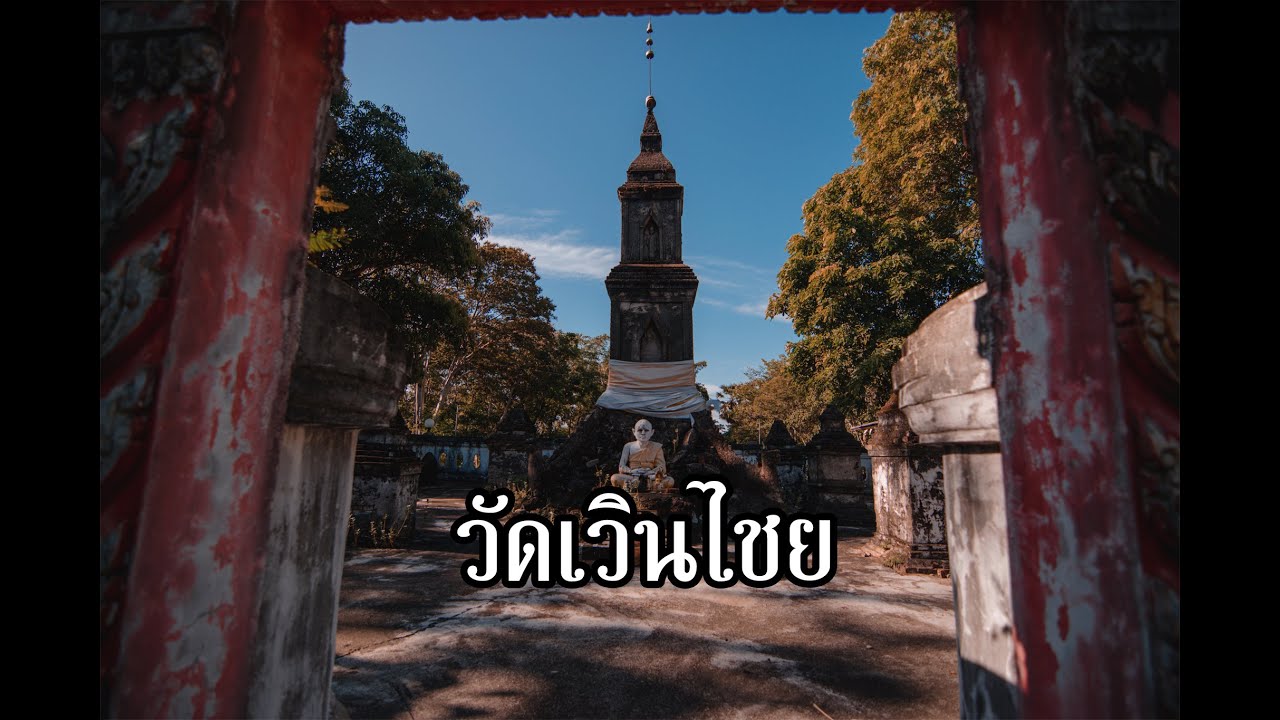
 Click to Access the Navigation Map GPS
Wat Woen Chai Mongkhon Map
Recommend

 Art, Culture and Heritage
 Historical Sites and Monuments(2)
 Landmarks and Memorials(3)
 Art, Craft Centres, Tradition(2)
 Museums(1)
Temple(17)
Museums(1)
Temple(17)
 Other Sacred Sites(3)
 Suburban Living
 Village, Community(4)
 Local Market(2)
 Nature and Wildlife
 National Parks and Marine Reserves(4)
 Mountain (Doi)(5)
 Dam, Reservoir, Lake(3)
 Waterfalls(5)
 Caves(2)
 River, Canal(2)
 Bays and Beaches(1)
 Other natural attractions(1)
 Entertainment and Agricultural
 Farms, Parks and Ecotourism(1)


