
lovethailand home >Northeastern Travel Attractions >Mukdahan Travel Attractions >Muang Mukdahan >Bang Sai Yai > Second Thai-Lao Friendship Bridge
TL;DR: Second Thai-Lao Friendship Bridge, Mukdahan attractions : Art, Culture and Heritage, Landmarks and Memorials.
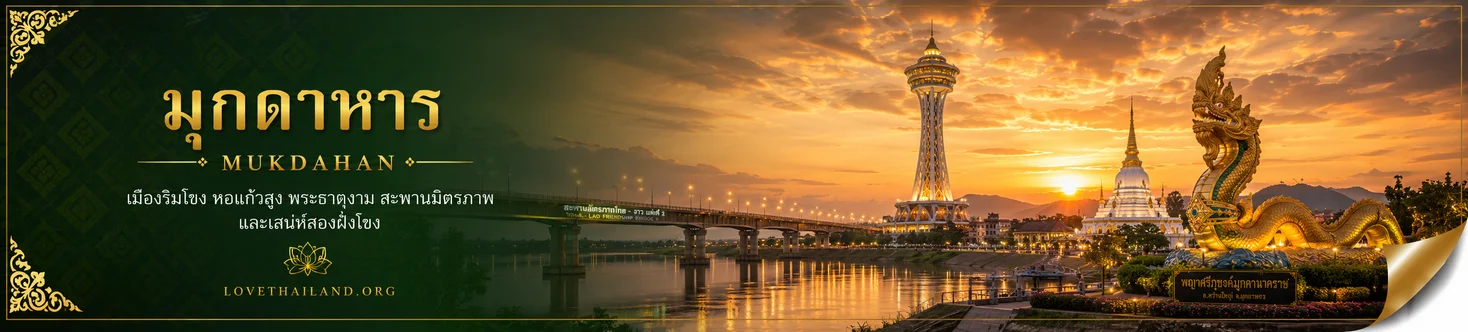
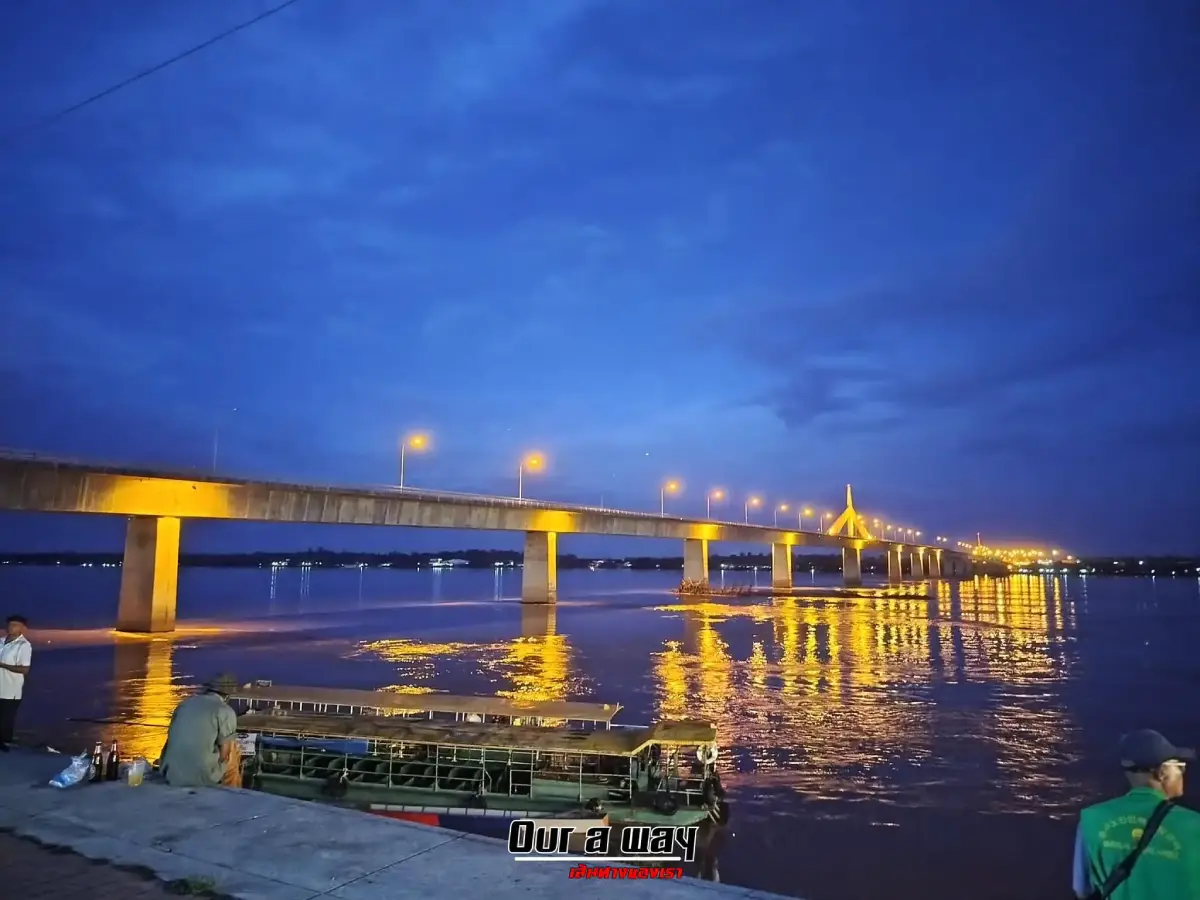
Second Thai-Lao Friendship Bridge
Open Days: Daily
Opening Hours: 06.00 – 22.00 for border crossing and checkpoint operations at the Second Thai – Lao Friendship Bridge
The Second Thai – Lao Friendship Bridge (Mukdahan – Savannakhet) is one of the most important international bridges across the Mekong River in northeastern Thailand. It connects Ban Song Pueai, Bang Sai Yai Subdistrict, Mueang Mukdahan District, Mukdahan Province, with Ban Na Kae, Kaysone Phomvihane City, Savannakhet Province in the Lao People’s Democratic Republic. More than a river crossing, this bridge is a major gateway on the East-West Economic Corridor, linking the eastern coast of Vietnam at Da Nang through Laos and Thailand toward Mae Sot, Myawaddy, and Mawlamyine in Myanmar.
For travelers, the bridge is one of the clearest places to understand Mukdahan as a Mekong border city. It is not only a transport structure, but also a viewpoint, a symbol of Thai-Lao friendship, a border trade route, and a strategic link between mainland Southeast Asian countries. From the Thai side, visitors can see the bridge stretching across the Mekong River toward Laos, with road traffic, border facilities, riverside scenery, and local life forming one continuous border landscape.
The bridge has a main span length of 1,600 metres and a width of 12 metres. It is a two-lane prestressed concrete bridge designed for vehicle traffic between Thailand and Laos. The approach structure on the Thai side is about 250 metres long, while the Lao side approach is about 200 metres long. Including the major approach structures, the overall bridge project extends to about 2,050 metres. The ownership of each country reaches the midpoint of the bridge, making the structure a direct physical expression of shared cross-border cooperation.
The bridge links Thailand’s road network with Laos Route 9, which forms a key part of the East-West Economic Corridor. From the east, the corridor begins around Da Nang in Vietnam, crosses Laos through Savannakhet, passes over the Mekong to Mukdahan in Thailand, continues westward through the Thai road system, and reaches the Thai-Myanmar border at Mae Sot and Myawaddy before ending near Mawlamyine in Myanmar. This makes the Second Thai – Lao Friendship Bridge a strategic junction rather than a local bridge.
Its importance can be seen in the way it improves long-distance overland movement. Before modern cross-border bridges, travel and freight across the Mekong depended heavily on river crossings, ferries, and less predictable transfer systems. The bridge created a continuous road link for passenger vehicles, buses, and freight transport. It reduced travel time, improved reliability, and made Mukdahan a more important hub for border trade, logistics, tourism, and regional connectivity.
The bridge project was constructed between 2003 and 2006 and was officially opened on 20 December 2006. It began regular public operation in January 2007. The project was supported by low-interest Japanese loans to both the Thai and Lao governments, with Thailand’s Department of Highways playing a major role in supervision. The bridge therefore represents not only bilateral cooperation between Thailand and Laos, but also wider regional development supported by international infrastructure financing.
From a tourism perspective, the Thai-side viewpoint near the bridge is one of the easiest places to enjoy the Mekong River in Mukdahan. Visitors can stop to photograph the bridge, walk along the riverside area, observe local life, and enjoy the open scenery of the river. The bridge is especially attractive in the late afternoon and evening, when the weather becomes cooler and the structure casts a long, elegant line across the water. At night, the lights along the bridge create a strong visual image over the river.
The area below and near the bridge is popular among local residents as well as visitors. It is a place to relax, take photographs, eat, and enjoy the atmosphere of a border town. Unlike a formal museum or enclosed attraction, the bridge viewpoint is an open public riverside environment. The experience is simple but meaningful: a wide river, a long international bridge, a neighboring country visible across the water, and the daily movement of people and vehicles between two nations.
Another cultural feature of the bridge area is its connection with Naga belief along the Mekong River. Near the viewpoint, visitors will find Naga-related sculptures and spiritual elements associated with local faith. In Mekong culture, the Naga is closely linked with water, protection, fertility, rivers, and sacred power. This gives the bridge area an additional cultural layer. It is not only a transport facility; it is also part of the sacred and symbolic riverside landscape of Mukdahan.
For travelers planning to cross into Savannakhet, the bridge is the main overland route from Mukdahan. On the Thai side, border procedures involve Mukdahan Border Checkpoint, Mukdahan Customs House, and Mukdahan Immigration. On the Lao side, the road leads toward Ban Na Kae and Kaysone Phomvihane City in Savannakhet Province. Travelers should prepare passports, border passes, vehicle documents, or customs documents according to their travel type and nationality before arriving at the checkpoint.
The checkpoint operation time is generally 06.00 to 22.00. This schedule makes the bridge practical for day trips, business travel, tourism, and freight movement. Travelers who plan to cross the border should arrive before closing time because immigration, customs checks, vehicle procedures, and movement between the Thai and Lao checkpoints can take time. This is especially important during weekends, holidays, or periods of heavy traffic.
Visitors who only want to see the bridge from the Thai side do not need to go through immigration procedures. They can visit the public viewpoint, photograph the bridge, walk near the Mekong, and enjoy the atmosphere without leaving Thailand. This makes the bridge suitable for families, photographers, short-stay visitors, and travelers who want to experience the border landscape without crossing into Laos.
Economically, the bridge plays a major role in Mukdahan’s identity as a border trade gateway. Goods from Thailand can move more easily into Laos and onward toward Vietnam, while goods from neighboring countries can enter Thailand through the Mukdahan border system. The bridge supports transport companies, warehouses, customs services, hotels, restaurants, fuel stations, markets, and local businesses that depend on cross-border movement.
The benefits of the bridge are not limited to large-scale logistics. Local communities also gain from increased movement of travelers, shoppers, traders, workers, and tourists. Many visitors who use the bridge also stop in Mukdahan city, eat at local restaurants, stay overnight, shop at the Indochina Market, or visit riverside attractions. In this way, the bridge supports the everyday economy of the province as well as regional trade.
Strategically, the bridge strengthens Thailand’s role as a connector in the Greater Mekong Subregion. From Mukdahan, roads lead into northeastern Thailand and beyond to central and western Thailand. From Savannakhet, routes continue across Laos toward Vietnam. The bridge therefore helps connect the Mekong region with seaports, inland cities, industrial areas, and cross-border markets. For this reason, Mukdahan is not just a riverside city; it is a transport gateway.
Travelers interested in regional development will find the bridge especially meaningful. It shows how infrastructure can reshape relationships between cities and countries. A single bridge can transform travel time, trade patterns, tourism flows, and the way border communities interact. Standing at the viewpoint, visitors can understand how geography, economics, engineering, and diplomacy meet in one physical structure.
From an engineering perspective, the bridge is notable as a large prestressed concrete structure over an international river. Its design has to support cross-border vehicle traffic, seasonal Mekong water levels, road safety requirements, and long-term durability. International bridges also require coordinated border facilities, road approaches, customs systems, immigration procedures, and traffic management on both sides. The bridge is therefore both a civil engineering project and an international operations system.
One interesting detail is the difference in traffic systems. Thailand drives on the left, while Laos drives on the right. Cross-border travel therefore requires a managed transition in traffic flow so vehicles can safely adapt to the road system of the other country. This detail reminds visitors that an international bridge is not just a road across water. It must also coordinate laws, driving habits, border controls, and transport systems.
For photography, the Thai-side viewpoint below or near the bridge is the best area. It allows visitors to capture the bridge running across the Mekong with the broad sky and river as a background. Morning light gives a calm atmosphere, while evening light creates stronger colors and reflections. At night, the bridge lights form a long glowing line across the river, making it one of the most photogenic scenes in Mukdahan.
The bridge can easily be combined with other attractions in Mukdahan city because it is only about 7 km from the city center. A common itinerary is to visit Ho Kaeo Mukdahan for a panoramic city view, continue to the Indochina Market and Wat Si Mongkhon Tai, then end the day at the bridge viewpoint. Another option is to visit the bridge in the morning and continue into the city for food, shopping, temples, and riverside sightseeing.
Travelers who prefer nature-based routes can combine the bridge with Mukdahan National Park or Phu Pha Thoep, known for unusual rock formations and natural scenery. Those interested in Buddhist faith and scenic viewpoints can continue to Wat Roi Phra Phutthabat Phu Manorom, where the large Naga image and hilltop views offer another perspective of Mukdahan and the Mekong landscape. The bridge therefore fits into several travel themes: city, nature, faith, and cross-border travel.
For those crossing into Laos, Savannakhet offers temples, colonial-era buildings, local markets, riverside areas, and a quieter urban atmosphere. The bridge makes it possible to experience 2 countries in one trip, with Mukdahan serving as the Thai base and Savannakhet as an accessible Lao destination. This route is suitable for travelers who enjoy border towns, Mekong culture, and compact international travel.
Before crossing the border, travelers should check their required documents carefully. Requirements may vary depending on nationality, travel purpose, vehicle type, and customs procedures. Passports, border passes, vehicle permission documents, insurance, and customs forms may be required. Preparing documents before reaching the checkpoint helps reduce delays and makes the crossing smoother.
Mukdahan Customs House is located at 449 Moo 3, Bang Sai Yai Subdistrict, Mueang Mukdahan District, Mukdahan Province. It is one of the key agencies responsible for customs procedures connected with the bridge. Mukdahan Immigration operates a checkpoint at the Second Thai – Lao Friendship Bridge for passenger movement. These agencies work together with security, transport, and Lao border authorities to manage legal cross-border movement.
As a sightseeing destination, the bridge is best enjoyed slowly. Visitors can walk near the riverside, take photographs, watch vehicles crossing, observe the changing color of the Mekong, and enjoy local food nearby. The bridge functions as both a regional economic corridor and a local leisure area. This combination makes it one of the most distinctive public spaces in Mukdahan.
Visitors should follow safety rules around the bridge and border area. Park only in appropriate places, avoid restricted zones, do not photograph prohibited government areas, do not enter customs or immigration zones without purpose, and supervise children carefully near the riverside. These simple precautions help make the visit safe and respectful to the work of border officers.
The best times to visit are morning and late afternoon. Morning offers quieter scenery and soft light over the Mekong. Late afternoon and evening offer cooler air, sunset colors, bridge lights, and a more lively riverside atmosphere. The cool season is the most comfortable period for outdoor visits, while the rainy season creates a greener and more dramatic Mekong atmosphere. In the hot season, visitors should avoid the strongest midday sun and bring drinking water.
For international travelers, the bridge makes the Mekong region visible and understandable. The idea of a regional economic corridor can sound abstract, but at this site it becomes tangible: a road, a river, customs facilities, immigration counters, freight vehicles, passenger cars, restaurants, and towns on both sides. Standing at the bridge viewpoint, visitors can see how regional connectivity works in daily life.
From the perspective of Thai-Lao relations, the name “Friendship Bridge” is deeply appropriate. It represents not only diplomacy, but also everyday movement, family ties, trade, tourism, cultural exchange, and mutual support between communities on both sides of the Mekong. The bridge makes long-standing relationships easier to maintain in the modern era, turning historic river connections into a modern transport route.
The bridge also gives Mukdahan strong tourism potential. Visitors can explore a border city, enjoy Mekong views, learn about local culture, shop at the Indochina Market, visit temples, cross to Savannakhet, or continue along the East-West Economic Corridor. This flexibility makes Mukdahan suitable for a short day trip, a weekend break, or a longer cross-border journey through mainland Southeast Asia.
In summary, the Second Thai – Lao Friendship Bridge is one of the essential landmarks of Mukdahan. It combines engineering, cross-border trade, Thai-Lao friendship, Mekong scenery, regional development, and everyday tourism in one place. For travelers who want to understand Mukdahan beyond a simple riverside city, this bridge is one of the most important sites to visit.
| Name | Second Thai – Lao Friendship Bridge (Mukdahan – Savannakhet) |
| Location | Ban Song Pueai, Bang Sai Yai Subdistrict, Mueang Mukdahan District, Mukdahan Province, connected to Ban Na Kae, Kaysone Phomvihane City, Savannakhet Province, Lao PDR |
| Address | Mukdahan Border Checkpoint / Mukdahan Customs House, 449 Moo 3, Bang Sai Yai Subdistrict, Mueang Mukdahan District, Mukdahan 49000, Thailand |
| Coordinates | 16.6011, 104.7358 |
| Highlights | An international bridge across the Mekong River connecting Mukdahan Province in Thailand with Savannakhet Province in Laos, and a key landmark on the East-West Economic Corridor |
| History | Constructed from 2003 to 2006, officially opened on 20 December 2006, and opened for public use in January 2007 |
| Structure | Prestressed concrete bridge with 2 traffic lanes. The main bridge is 1,600 metres long and 12 metres wide. The Thai approach is about 250 metres and the Lao approach is about 200 metres, giving an overall project length of about 2,050 metres |
| Name Origin | The name “Friendship Bridge” reflects the close relationship between Thailand and Laos and the role of the bridge in linking people, trade, and culture on both sides of the Mekong |
| Distinctive Features | A major transport link from Da Nang in Vietnam through Laos and Thailand toward Mae Sot, Myawaddy, and Mawlamyine in Myanmar along the East-West Economic Corridor |
| Travel Information | From Mukdahan city, take Chayangkun Road / Highway 212 toward Bang Sai Yai Subdistrict for about 7 km to reach the bridge viewpoint, Mukdahan Border Checkpoint, and Mukdahan Customs House |
| Current Status | Open as an international border bridge between Thailand and Laos and as a Mekong riverside viewpoint on the Thai side |
| Open Days | Daily |
| Opening Hours | 06.00 – 22.00 for border crossing and checkpoint operations at the Second Thai – Lao Friendship Bridge |
| Fees | The Thai-side public viewpoint has no admission fee. Border crossing and vehicle procedures follow the official fees and regulations of relevant authorities |
| Facilities | Mekong riverside viewpoint, parking areas, nearby shops and restaurants, border checkpoint, customs facilities, immigration checkpoint, and road access to Mukdahan city |
| Main Areas / Zones | International bridge, Thai-side viewpoint below the bridge, Mukdahan Border Checkpoint, Mukdahan Customs House, Second Friendship Bridge Immigration Checkpoint, and Mekong riverside area at Ban Song Pueai |
| Caretaker / Related Agencies | Department of Highways, Mukdahan Customs House, Mukdahan Immigration, security agencies, and Lao border authorities |
| Main Contact Number | Mukdahan Customs House Tel. 0-4267-4050-1 / Second Friendship Bridge Immigration Checkpoint Tel. 042-674-043 / Mukdahan Provincial Public Relations Office Tel. 042-612-297 |
| Official Website / Official Page | Mukdahan Customs House website, Mukdahan Immigration website, Mukdahan Provincial Public Relations Office website, and Thailand.go.th |
| Nearby Tourist Attractions | 1. Second Thai – Lao Friendship Bridge Viewpoint, about 1 km 2. Phaya Anantanakharat / Naga Worship Point Near The Bridge, about 1 km 3. Indochina Market Mukdahan, about 7 km 4. Wat Si Mongkhon Tai, about 7 km 5. Mukdahan City Pillar Shrine, about 8 km 6. Ho Kaeo Mukdahan, about 9 km 7. Wat Roi Phra Phutthabat Phu Manorom, about 14 km 8. Mukdahan National Park / Phu Pha Thoep, about 20 km |
| Nearby Restaurants | 1. Café Amazon Lan Thong Friendship Bridge, about 2 km 2. Zaabrimkhong Mukdahan, about 4 km, Tel. 097-051-7988 3. Mae Muk Tao Than Khokhun Phon Yang Kham Mukdahan, about 5 km, Tel. 042-042-628, 093-551-3839 4. Mum Sabai Rim Khong Mukdahan, about 6 km, Tel. 081-864-6883, 099-176-3668 5. VT Naem Nueang Mukdahan, about 7 km, Tel. 063-582-5151 6. Khao Piak Sen Je Sun-Chai Ton, about 7 km, Tel. 064-086-4200 |
| Nearby Accommodations | 1. Villa Thiwa Hotel, about 4 km, Tel. 091-021-0012 2. HOP INN Mukdahan, about 7 km, Tel. 092-258-7318, 02-080-2222 3. B2 Mukdahan Boutique & Budget Hotel, about 7 km, Tel. 1328, 042-040-123 4. Riverfront Hotel Mukdahan, about 8 km, Tel. 042-612-948-9, 081-703-1705 5. Hotel de Ladda Mukdahan, about 8 km, Tel. 042-611-499, 042-611-497 6. Ploy Palace Hotel, about 8 km, Tel. 042-614-988 |
Frequently Asked Questions (FAQ)
Q: Where is the Second Thai – Lao Friendship Bridge located?
A: It is located at Ban Song Pueai, Bang Sai Yai Subdistrict, Mueang Mukdahan District, Mukdahan Province, and connects with Ban Na Kae, Kaysone Phomvihane City, Savannakhet Province in Laos.
Q: What are the opening hours of the Second Thai – Lao Friendship Bridge?
A: The border checkpoint operates daily from 06.00 to 22.00 for crossing between Thailand and Laos.
Q: How long is the Second Thai – Lao Friendship Bridge?
A: The main bridge is 1,600 metres long and 12 metres wide. Including the Thai and Lao approach structures, the project length is about 2,050 metres.
Q: Is there an admission fee for the bridge viewpoint?
A: The Thai-side public viewpoint has no admission fee. Border crossing and vehicle procedures follow the regulations and official fees of the relevant authorities.
Q: Why is the bridge important to the East-West Economic Corridor?
A: It connects the route from Da Nang in Vietnam through Laos and Thailand toward Mae Sot, Myawaddy, and Mawlamyine in Myanmar, supporting trade, transport, investment, and tourism across the region.
Q: Can travelers cross to Savannakhet through this bridge?
A: Yes. Travelers can cross to Savannakhet through the Mukdahan Border Checkpoint and the Lao checkpoint, using the required passport, border pass, or travel documents.
Q: What is the best time to visit the bridge viewpoint?
A: Morning is best for a quiet Mekong atmosphere, while late afternoon and evening are best for photography, bridge lights, and riverside dining.
Q: What nearby attractions can be visited after the bridge?
A: Nearby attractions include the Indochina Market, Wat Si Mongkhon Tai, Mukdahan City Pillar Shrine, Ho Kaeo Mukdahan, Wat Roi Phra Phutthabat Phu Manorom, and Mukdahan National Park / Phu Pha Thoep.
 Category: ●Art, Culture and Heritage
 Group: ●Landmarks and Memorials
Last Update : 2 MonthAgo
 Last Update : 2 MonthAgo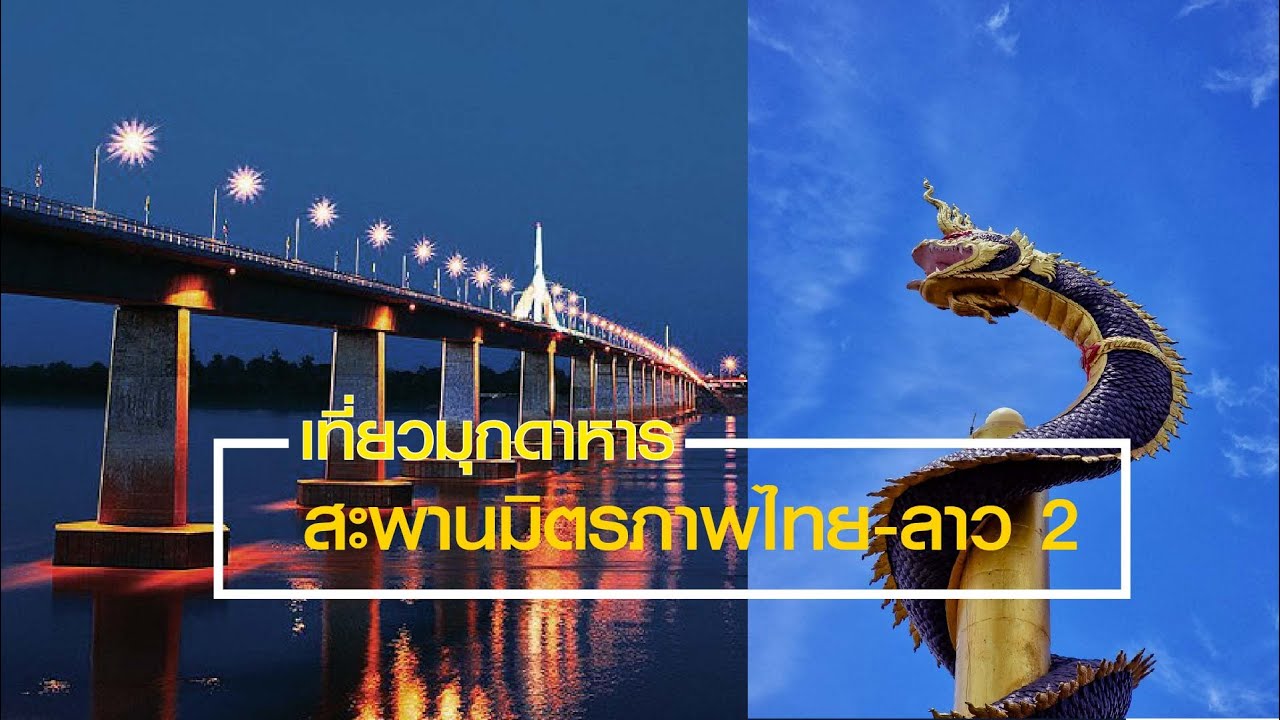
 Click to Access the Navigation Map GPS
Second Thai-Lao Friendship Bridge Map
Recommend

 Historical Sites and Monuments(2)
Landmarks and Memorials(3)
Historical Sites and Monuments(2)
Landmarks and Memorials(3)
 Art, Craft Centres, Tradition(2)
 Museums(1)
 Places of Worship
 Temple(17)
 Other Sacred Sites(3)
 Suburban Living
 Village, Community(4)
 Local Market(2)
 Nature and Wildlife
 National Parks and Marine Reserves(4)
 Mountain (Doi)(5)
 Dam, Reservoir, Lake(3)
 Waterfalls(5)
 Caves(2)
 River, Canal(2)
 Bays and Beaches(1)
 Other natural attractions(1)
 Entertainment and Agricultural
 Farms, Parks and Ecotourism(1)


