
lovethailand home >Northeastern Travel Attractions >Loei Travel Attractions >Nong Hin >Nong Hin > Wat Tham Maholan
TL;DR: Wat Tham Maholan is located at Ban Nong Hin, Nong Hin Subdistrict, Nong Hin District, Loei Province, open Daily, hours 05.00 – 20.00.
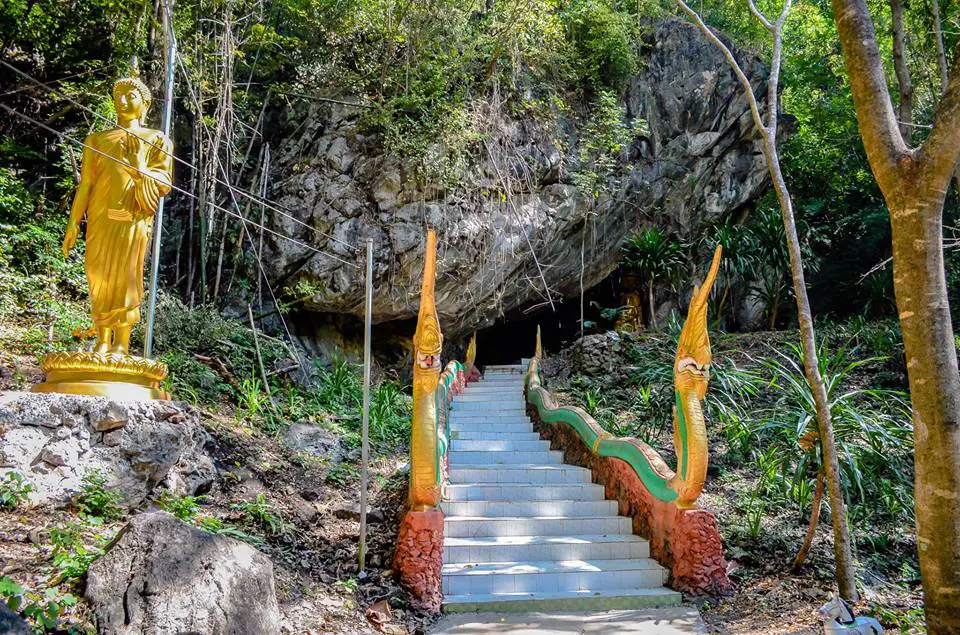
Wat Tham Maholan
Open Days: Daily
Opening Hours: 05.00 – 20.00
Wat Tham Maholan in Loei Province is a cave temple located in Ban Nong Hin, Nong Hin Subdistrict, Nong Hin District. Tham Maholan Cave lies within the temple grounds and is one of the notable cave attractions of Nong Hin District. In the past, local people called it Tham Nam Maholan because a stream once flowed into the cave and disappeared underground. Today, that stream has dried up, but the cave still preserves the natural traces of water erosion. Inside the cave are winding passages, a large chamber, beautiful stalactites and stalagmites, a Buddha image in the Mara-Vijaya posture at the cave entrance, and a replica Buddha footprint on the cave wall with an inscription dating to 1952. For international travelers, this temple offers a meaningful combination of Buddhist worship, limestone cave scenery, local history, and nature-based travel in the Nong Hin area of Loei.
Wat Tham Maholan brings together religious, natural, and local cultural value in one place. The temple is located among the limestone mountain landscapes of Nong Hin District, an area known for cliffs, caves, unusual rock formations, waterfalls, and viewpoints. This makes the cave a natural fit within a broader travel route that can include Suan Hin Pha Ngam, Phu Pa Po, Pieng Din Waterfall, Suan Hom Waterfall, and Phothisat Cave. A visit to Wat Tham Maholan therefore helps travelers understand Nong Hin not only as a scenic district, but also as a place where caves, temples, forests, and local communities are closely connected.
Because Tham Maholan Cave is located inside a temple compound, the visit is different from entering a purely natural cave. The first important feature is the Buddha image at the cave entrance. Many visitors begin by paying respect before walking into the cave. This creates a calm and respectful rhythm for the visit. The cave is not only a geological attraction but also a sacred space where local people and Buddhist visitors come to make merit, pray, and reflect quietly.
The name Maholan, meaning vast or magnificent, matches the character of the cave. The entrance and first part of the route are relatively narrow and winding, but the interior later opens into a much larger chamber. This transition from a tight passage into a grand cave space creates a strong impression. Visitors often feel that the cave gradually reveals its scale and beauty step by step, which is why the name Maholan feels appropriate.
The cave passage extends for approximately 200–220 meters. Its winding shape resembles a railway tunnel in some sections, and this form was created by water erosion in the past. The former stream slowly carved its way through the limestone, widening the passage and shaping the inner chamber over time. At the far end of the cave, traces of a broad water basin remain, preserving evidence of the cave’s older connection with flowing water.
Inside the cave, stalactites and stalagmites form one of the most beautiful highlights. Some formations hang from the ceiling like natural curtains, while others rise from the cave floor. Their shapes were created slowly by mineral-rich water dripping and depositing limestone over a long period. These formations are fragile and should never be touched, broken, written on, or removed. Responsible cave travel is essential because a single careless action can damage formations that took centuries to develop.
One of the most important religious features inside Tham Maholan Cave is the replica Buddha footprint on the cave wall. The inscription states that it was created in 1952. This feature adds a deeper spiritual meaning to the cave. It shows that the site has long been associated with Buddhist devotion, not only with natural beauty. For many visitors, seeing the footprint inside the cave makes the journey feel like both a nature walk and a pilgrimage into a sacred mountain space.
The cave is also associated with local accounts that Phra Achan Man Phurithatto, one of Thailand’s most revered forest meditation masters, once stayed or practiced in the cave. This connection gives the place additional meaning in the tradition of forest meditation. Caves and mountains have long been used by meditation monks because they are quiet, cool, and removed from everyday distractions. Visitors should therefore keep their voices low, avoid playing music, and behave respectfully while inside the cave and temple grounds.
The cave entrance is a place worth spending a little time. It is both the transition into the cave and a worship area. The Buddha image in the Mara-Vijaya posture creates a peaceful feeling before entering the darker limestone chamber. Photography is possible, but it should be done respectfully. Visitors should not touch the Buddha image, place personal items on sacred areas, or pose in ways that are inappropriate for a Buddhist temple.
Walking inside the cave should be done slowly and carefully. The first part is narrow and winding, so visitors should watch their heads, shoulders, and footing. Some areas may be damp, especially during or after rainy periods. After the narrow section, the cave opens into a larger chamber where the scale of the cave becomes clear. There is lighting in some parts of the cave, making the visit easier than in the past, but carrying a small flashlight is still useful for safety and for observing darker corners.
The older name Tham Nam Maholan is important because it preserves the memory of water in the cave. Although the stream has dried up today, the cave’s shape still tells the story of water erosion. The tunnel-like passage, broad inner chamber, and remaining basin at the end all show how water once shaped the limestone. Understanding this makes the visit more meaningful, because the cave becomes not only a scenic place but also a record of natural processes over time.
From a geological perspective, Tham Maholan is a limestone cave shaped by water, minerals, and time. Limestone dissolves slowly under natural conditions, allowing underground passages to form. Mineral deposits then create stalactites and stalagmites. Because this system is fragile, visitors should avoid touching cave formations, writing on walls, littering, or taking stones out of the cave. Conservation begins with simple respect for the site.
Wat Tham Maholan is suitable for several types of travelers: Buddhist visitors, cave lovers, nature photographers, families, and travelers who want to explore Nong Hin beyond the more famous viewpoints. Families with children should supervise them closely inside the cave and near narrow passages. Elderly visitors should assess their comfort and walk only as far as feels safe. The cave is beautiful, but the visit should always be paced according to the ability of the group.
The best time to visit is from morning to afternoon. Even though the site is open until evening, daytime visits are safer for entering and leaving the cave. Morning gives a calmer atmosphere and comfortable weather, while afternoon can be suitable for photography around the cave entrance and temple grounds. During the rainy season, the surrounding nature is greener, but paths may be slippery. During the cool season, Loei’s climate is especially pleasant for cave and temple visits.
Getting There is straightforward by private car. From Wang Saphung District, take Highway 201 toward Nong Hin District. After passing Nong Hin Market for about 12 km, the entrance to Wat Tham Maholan appears on the left. Turn left and continue for about 2 km to reach the temple. The cave is located within the temple grounds. Travelers without a private car can ask for local transport or motorcycle taxi service from Nong Hin Market, but the current fare and return arrangement should be confirmed before departure.
The access road to the temple passes through a local area, so drivers should travel carefully, especially after turning off the main highway. The road is not long, but it leads toward a temple and cave area, so slow and careful driving is recommended. Morning and late afternoon are pleasant for the approach, but entering the cave close to dark should be avoided by travelers unfamiliar with the area.
Visitors should prepare for both a temple visit and a cave visit. Modest clothing, non-slip shoes, drinking water, and a small flashlight are recommended. Avoid carrying too many items because the first part of the cave is narrow. Food should not be brought into the cave, and all rubbish should be taken back out. Simple preparation makes the visit safer and helps keep the cave clean.
Temple and cave etiquette should be followed at all times. Dress modestly, speak quietly, avoid climbing on religious structures, do not touch stalactites or stalagmites, do not write on cave walls, do not remove stones, and stay on safe routes. If other visitors are praying or meditating, keep a respectful distance and avoid disturbing them with noise or photography.
For photography, recommended subjects include the temple entrance, the cave entrance, the Buddha image in the Mara-Vijaya posture, the naga stairway, the cave chamber, stalactites, stalagmites, and the winding tunnel-like passage. Good photographs should communicate the dignity and natural beauty of the cave. Avoid staging images by touching rock formations or sacred objects.
Wat Tham Maholan can be combined easily with other attractions in Nong Hin District. Travelers can begin with the cave and then continue to Suan Hin Pha Ngam, the famous limestone rock garden known as the Kunming of Loei, followed by Phu Pa Po, Pieng Din Waterfall, Suan Hom Waterfall, or Phothisat Cave. This route gives visitors a complete view of Nong Hin’s limestone mountains, caves, waterfalls, and viewpoints.
A half-day trip can focus on Wat Tham Maholan, worship at the cave entrance, and a slow walk through the cave before returning to Nong Hin town for food. A full-day route can add Suan Hin Pha Ngam and Phu Pa Po. Travelers who want to stay overnight can choose accommodation in Nong Hin or near Suan Hin Pha Ngam, making it easier to visit viewpoints and waterfalls early the next day.
What makes Wat Tham Maholan distinctive is the combination of a former underground stream, a large limestone cave, a tunnel-like route, beautiful cave formations, a Buddha image at the entrance, a replica Buddha footprint from 1952, and the memory of forest meditation practice. This makes the cave more than a scenic stop. It is a place where nature, faith, and local memory meet inside a mountain.
Wat Tham Maholan in Loei Province is therefore a worthwhile destination for travelers who want to experience Nong Hin in greater depth. The cave offers limestone beauty, Buddhist meaning, geological interest, and a quiet atmosphere suitable for reflection. With respectful behavior, careful walking, and enough time to observe the details, visitors will find that Tham Maholan is one of the most memorable cave temples in Loei.
| Name | Wat Tham Maholan / Tham Maholan Cave |
| Location | Ban Nong Hin, Nong Hin Subdistrict, Nong Hin District, Loei Province |
| Address | Wat Tham Maholan, Nong Hin Subdistrict, Nong Hin District, Loei Province 42190, Thailand |
| Highlights | Large limestone cave inside a Buddhist temple, with a winding tunnel-like passage, spacious inner chamber, stalactites, stalagmites, Buddha image at the cave entrance, and a replica Buddha footprint dated 1952 |
| History / Context | The cave was formerly called Tham Nam Maholan because a stream once flowed into the cave and disappeared underground. The stream has now dried up, but erosion traces and a water basin remain inside the cave. |
| Distinctive Features | The cave is approximately 200–220 meters long. The first section is narrow before opening into a large chamber with smaller passages and groups of cave formations. |
| Key Features Inside | Mara-Vijaya Buddha image at the cave entrance, replica Buddha footprint on the cave wall with a 1952 inscription, stalactite and stalagmite groups, cave chamber, tunnel-like passage, and traces of an old water basin |
| Travel Information | From Wang Saphung District, take Highway 201 toward Nong Hin District. After passing Nong Hin Market for about 12 km, turn left at the temple entrance and continue about 2 km to Wat Tham Maholan. |
| Current Status | Open as a cave temple and natural attraction in Nong Hin District for worship, merit-making, cave viewing, and travel routes connected with nearby nature attractions |
| Open Days | Daily |
| Opening Hours | 05.00 – 20.00; daytime cave visits are recommended for safety |
| Fees | No admission fee |
| Facilities | Temple grounds, parking area, cave entrance, Buddha image at the cave entrance, partial cave lighting, and resting areas within the temple compound |
| Main Areas / Zones | Temple courtyard, cave entrance, Mara-Vijaya Buddha image, narrow passage, large cave chamber, stalactite and stalagmite area, replica Buddha footprint, cave wall, and far-end basin area |
| Caretaker / Abbot | Wat Tham Maholan |
| Tourism Contact | Tourism Authority of Thailand, Loei Office, Tel. 042-812-812 |
| Local Administrative Office | Nong Hin Subdistrict Administrative Organization, Tel. 042-852-164, 042-852-165 / Nong Hin Subdistrict Municipality, Tel. 042-870-712, 042-870-713 |
| Nearby Tourist Attractions | 1. Nong Hin Market, about 14 km 2. Suan Hin Pha Ngam / Kunming of Loei, about 24 km, Tel. 042-810-820 3. Pha Ngam Forest Park, about 24 km 4. Pieng Din Waterfall, about 25 km 5. Suan Hom Waterfall, about 26 km 6. Phu Pa Po / Fuji of Loei, about 30 km, Tel. 098-579-5627 7. Phothisat Cave, about 30 km 8. Erawan Cave, about 38 km |
| Nearby Restaurants | 1. Klai Nam Coffee & Restaurant, about 13 km, Tel. 095-987-9196 2. Chitangme Home Cafe, about 13 km, Tel. 093-357-0060 3. Smile Box Coffee & Resort, about 15 km, Tel. 062-859-6941 4. Ban Phi Nong Kunming Coffee Restaurant, about 24 km, Tel. 089-598-6917 5. Uncle Add Coffee, about 24 km, Tel. 042-874-101, 086-851-9428 6. Kuai Tiao Hoi Kha Na Lung Neng, about 24 km, Tel. 085-753-5878 |
| Nearby Accommodations | 1. Smile Box Coffee & Resort, about 15 km, Tel. 062-859-6941 2. Panida Goodwill, about 14 km, Tel. 083-328-8474 3. Maan Mek Talay Mok Resort, about 26 km, Tel. 089-992-0300 4. The Creek Villa, about 28 km 5. Sister Resort, about 15 km from Suan Hin Pha Ngam 6. Suan Lamyai Resort, Wang Saphung District, about 45 km, Tel. 081-837-5458 |
Frequently Asked Questions (FAQ)
Q: Where is Wat Tham Maholan located?
A: Wat Tham Maholan is located in Ban Nong Hin, Nong Hin Subdistrict, Nong Hin District, Loei Province. Tham Maholan Cave is inside the temple grounds.
Q: What are the opening hours of Wat Tham Maholan?
A: The temple is open daily from 05.00 to 20.00. Daytime visits are recommended for cave exploration because the route is safer and easier to navigate.
Q: What is special about Tham Maholan Cave?
A: The cave is known for its large limestone chamber, winding tunnel-like passage, stalactites, stalagmites, Buddha image at the cave entrance, and a replica Buddha footprint on the cave wall dated 1952.
Q: Why was the cave formerly called Tham Nam Maholan?
A: Local people formerly called it Tham Nam Maholan because a stream once flowed into the cave and disappeared underground. The stream has now dried up, but traces of water erosion remain.
Q: How can travelers get to Wat Tham Maholan?
A: From Wang Saphung District, take Highway 201 toward Nong Hin District. After passing Nong Hin Market for about 12 km, turn left into the temple entrance and continue for about 2 km to reach the temple.
Q: Who should visit Wat Tham Maholan?
A: The temple is suitable for Buddhist visitors, cave lovers, nature travelers, photographers, families, and travelers who want to explore Nong Hin’s cave and limestone landscape.
Q: What should visitors prepare before entering the cave?
A: Visitors should wear non-slip shoes, dress modestly, bring drinking water and a small flashlight, walk carefully through narrow sections, and avoid touching or damaging cave formations.
Q: What nearby attractions can be visited with Wat Tham Maholan?
A: Nearby attractions include Suan Hin Pha Ngam, Pha Ngam Forest Park, Pieng Din Waterfall, Suan Hom Waterfall, Phu Pa Po, Phothisat Cave, and Erawan Cave.
 Category: ●Places of Worship
 Group: ●Temple
Last Update : 3 MonthAgo
 Last Update : 3 MonthAgo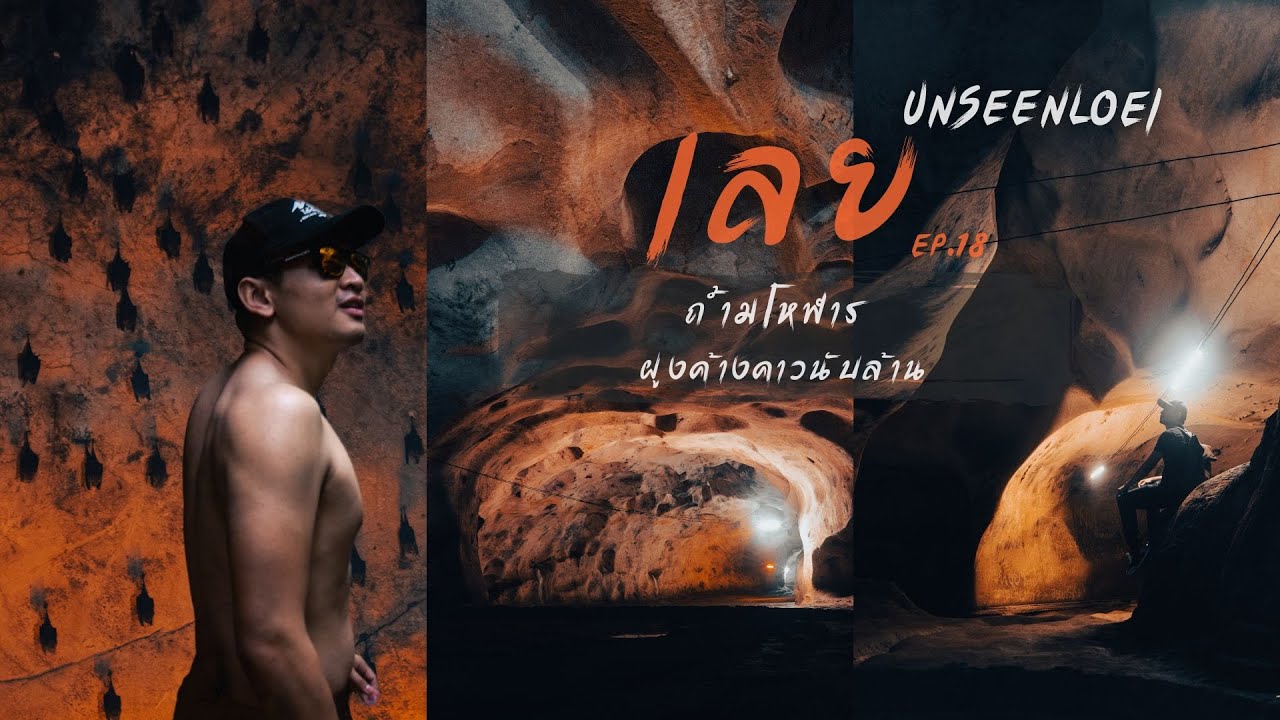
 Click to Access the Navigation Map GPS
Wat Tham Maholan Map
Recommend

 Art, Culture and Heritage
 Historical Sites and Monuments(2)
 Landmarks and Memorials(3)
 Art, Craft Centres, Tradition(2)
 Museums(4)
 Art Gallery(1)
 Educational Places
 Educational Gardens, Farm(2)
Temple(16)
Educational Gardens, Farm(2)
Temple(16)
 Other Sacred Sites(8)
 Research and Development
 Royal Project(3)
 Suburban Living
 Village, Community(3)
 Local Market(1)
 Nature and Wildlife
 National Parks and Marine Reserves(5)
 Mountain (Doi)(10)
 Dam, Reservoir, Lake(7)
 Waterfalls(21)
 Caves(3)
 River, Canal(5)
 Bays and Beaches(1)
 Other natural attractions(1)
 Entertainment and Agricultural
 Farms, Parks and Ecotourism(8)
 Waterpark(1)
 Outdoor and Adventure Activities(2)


