
lovethailand home >Northeastern Travel Attractions >Khon Kaen Travel Attractions >Phu Wiang >Nawa > Thai Buffalo Conservation Village
TL;DR: Thai Buffalo Conservation Village is located at Ban Non Udom - Ban Non Sawang, Na Wa Subdistrict, Phu Wiang District, Khon Kaen Province, open Daily, hours 09.00 – 17.00.

Thai Buffalo Conservation Village
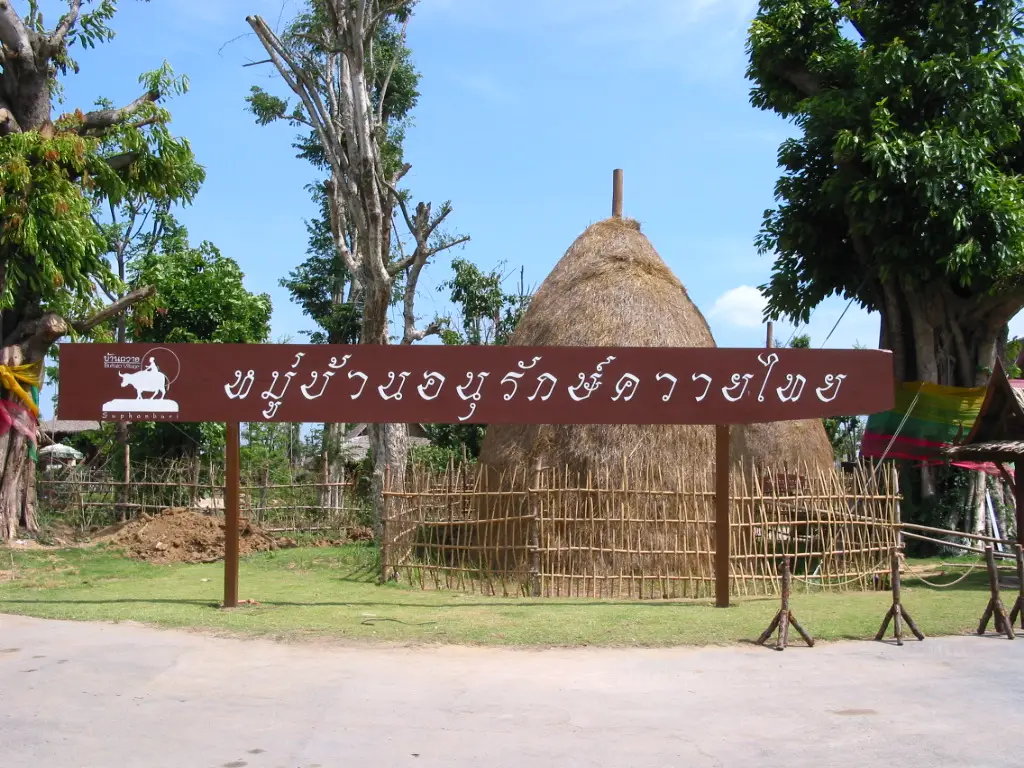
Open Days: Daily
Opening Hours: 09.00 – 17.00
Thai Buffalo Conservation Village in Khon Kaen is located in Ban Non Udom and Ban Non Sawang, Na Wa Subdistrict, Phu Wiang District, Khon Kaen Province. It is one of the most meaningful agricultural and community-based cultural attractions in northeastern Thailand. The village is about 25 km from Phu Wiang District and is surrounded by rural scenery, rice fields, buffalo grazing areas, village roads, hills, and the peaceful landscape near Ubol Ratana Dam. A visit here is not simply about seeing buffaloes; it is a direct encounter with the traditional farming way of life that once formed the foundation of rural Isan communities.
The main identity of the village is the preservation of Thai water buffaloes and the transformation of traditional buffalo raising into a learning-based community attraction. Local people in Ban Non Udom and Ban Non Sawang have raised buffaloes for generations. In this community, buffaloes are not treated only as animals or farm labor. They represent family livelihood, agricultural memory, local wisdom, and the relationship between people, land, water, and rice cultivation.
In traditional Isan farming, buffaloes were essential to rice cultivation. Before agricultural machinery became common, buffaloes helped plow rice fields, pull carts, transport goods, and support the agricultural economy of rural households. Owning buffaloes meant having dependable farm labor and a form of economic security. Buffaloes worked closely with farmers in the rice fields and lived near family homes, becoming part of everyday rural life.
As modern farming machinery gradually replaced animal labor, the number of buffaloes declined in many areas. Ban Non Udom and Ban Non Sawang, however, continued to value Thai buffaloes as local genetic resources, cultural companions, and a living symbol of the farming lifestyle. With support from the Khon Kaen Livestock Office, the Department of Livestock Development, and livestock agencies in Phu Wiang District, local buffalo-raising groups were formed and later developed into a recognized Thai Buffalo Conservation Village.
A major milestone came in 1980, when the community was established as a regional buffalo conservation village in Livestock Region 4 and later joined the Department of Livestock Development’s Thai Buffalo Conservation and Development Village program. The village did not only preserve traditional buffalo raising; it also developed breeding practices, animal health care, disease management, knowledgeable buffalo training, youth education, and community tourism. These efforts helped the village gain national recognition and awards as an outstanding buffalo conservation community.
The history of Ban Non Sawang is closely connected to the construction of Ubol Ratana Dam. The community was originally known as Ban Hem Ae, Village No. 9, Na Wa Subdistrict, Phu Wiang District. When Ubol Ratana Dam was built in 1965, the villagers relocated and established a new village called Ban Non Udom, Village No. 6, with Mr. Si Wichai as the first village head. Later, as the population increased, Ban Non Sawang, Village No. 10, was formed with Mr. Sing Kamolkorn as village head. Community leaders continued to emphasize local culture, self-sufficient living, and the conservation and development of Thai buffaloes.
Today, the village is widely known through the Local Wisdom Knowledgeable Buffalo Community Enterprise in Ban Non Sawang, Na Wa Subdistrict, Phu Wiang District, Khon Kaen Province. Established in 2010, the group brings together community members who are dedicated to the conservation and development of Thai buffaloes. Its work includes buffalo breeding, livelihood promotion, disease care, study visits, training programs, youth education, traditional buffalo plowing, and value creation from buffalo manure through organic fertilizer production.
The atmosphere of the Thai Buffalo Conservation Village is different from a conventional tourist attraction because it is still a living community. Visitors can see grazing fields, buffalo shelters, village roads, carts, handlers, open landscapes, and the daily rhythm of buffalo raising. Ban Non Sawang is known for having a large number of buffaloes, with reports describing more than 70 households raising over 1,200 buffaloes in total. This makes the sight of buffalo herds grazing near open land and water one of the most memorable images of the village.
Every day, during the periods of 09.00 – 12.00 and 15.00 – 17.00, villagers release buffaloes from their shelters to graze naturally on grassland near the Ubol Ratana Dam area. This timed release helps manage the animals more systematically and reduces waste problems along village roads. It also allows visitors to observe the community’s buffalo-raising lifestyle at the most active times of day. The image of buffaloes walking slowly across the fields, guided by local villagers, reflects the calm and grounded beauty of rural Isan.
One of the most popular highlights is the knowledgeable buffalo performance. Some buffaloes are trained to respond to basic commands, give rides, pull carts, plow fields, and take part in photography or media activities. Examples introduced by the community include “Nam Chok,” a 6-year-old male buffalo capable of riding, cart pulling, and appearing in film scenes; “Kwan,” a 12-year-old female buffalo with similar abilities; and “Sai Jai” and “Sai Yai,” younger female buffaloes involved in media and learning activities.
Watching knowledgeable buffaloes helps visitors see Thai buffaloes differently. They are not simply slow-moving farm animals. They have memory, learning ability, and close emotional bonds with their handlers. The relationship between buffalo and farmer develops through time, care, repetition, voice commands, and trust. The performance is therefore not just entertainment. It reflects local understanding of animals and the long relationship between villagers and their buffaloes.
Visitors can take part in several activities depending on the community program. These include group learning about Thai buffaloes, watching knowledgeable buffalo performances, riding a buffalo, sitting on a buffalo-drawn cart, plowing rice fields with buffaloes, bathing buffaloes, taking photos with buffaloes, relaxing by the dam, taking a boat ride to enjoy the scenery of Ubol Ratana Dam, and learning about local arts, crafts, and rural wisdom. These activities allow visitors to experience farming culture through direct participation rather than passive observation.
Buffalo plowing is one of the most culturally valuable activities. Today, it is rare to see buffaloes used for rice-field work. Watching a buffalo pull a traditional plow helps visitors understand that rice cultivation once depended on cooperation between human labor, animal strength, soil, water, seasons, and farming knowledge. For children and urban visitors, this experience makes the story of rice production much more tangible.
Riding a buffalo or sitting on a cart is another popular activity, especially for families, groups of friends, and couples. The village also offers countryside-style photo opportunities, including pre-wedding photography with buffaloes and carts. Rice fields, grasslands, dam scenery, sunset light, and Thai buffaloes create a distinctive rural atmosphere that is difficult to find in urban photo locations.
Buffalo bathing is a hands-on activity that allows visitors to understand animal care more closely. Buffaloes are animals that enjoy water and need proper care for their skin and body temperature. Under local supervision, visitors can experience the gentle side of buffaloes while learning how villagers care for them. This activity is especially memorable for children and families because it creates a real connection between visitors and the animals.
The landscape near Ubol Ratana Dam plays an important role in the charm of the village. The wide water view, surrounding hills, grazing fields, and buffalo herds create a scene that is more than a simple animal-learning site. Visitors can rest near the dam, enjoy rural scenery, take photos of buffaloes grazing at sunset, or join boat activities arranged by the community. The combination of buffalo culture and dam scenery gives the village a strong visual identity.
The village also promotes self-sufficient economy principles and resource efficiency. Buffalo manure is used to make organic fertilizer, reducing reliance on chemical fertilizer. Buffalo-raising knowledge is transformed into tourism income, and young people are encouraged to learn the value of farming culture. Buffalo conservation here is therefore not only about preserving an animal breed; it is about preserving a whole knowledge system connected to soil, water, crops, animals, and community life.
Visitors should allow at least 1 – 2 hours for a basic visit. Those who want to join activities such as buffalo riding, cart riding, field plowing, buffalo bathing, boat riding, or group learning programs should contact the community enterprise in advance. Some activities require preparation of buffaloes, tools, handlers, boats, and suitable timing. Advance contact is especially important for schools, tour groups, government offices, and foreign visitors who may need interpretation or a structured program.
The best time to visit is in the morning or late afternoon. The weather is usually more comfortable, the light is better for photography, and visitors have a better chance to see buffaloes being released to graze. Midday can be hot because many areas are open fields or lakeside spaces. Visitors should bring drinking water, a hat, comfortable walking shoes, and outdoor-friendly clothing. During the rainy season, the fields are greener and more atmospheric, but the ground may be slippery.
Getting There is easiest by private car or rental car. From Phu Wiang District, travel toward Na Wa Subdistrict and Ban Non Sawang, about 25 km away. From Khon Kaen city, travel toward Phu Wiang or Wiang Kao District, then continue to Na Wa Subdistrict. The approximate distance from Khon Kaen city is 80 – 95 km depending on the chosen route. Visitors should use navigation to Ban Non Sawang, Na Wa Subdistrict, Phu Wiang District, and contact the community before arrival if they plan to join activities.
Public transportation requires more planning because the village is not directly on a major public transport route throughout the day. Travelers may take public transport to Phu Wiang, then arrange a local vehicle to Ban Non Sawang. For foreign travelers, private transport or a hired vehicle is the most convenient option, especially if combining the village with nearby attractions such as Phu Wiang Dinosaur Museum, Phu Wiang National Park, Ubol Ratana Dam, or Wat Phra Bat Phu Phan Kham.
Visitors should respect the community and the animals. Drive slowly in the village, avoid loud noise, do not enter buffalo shelters without permission, do not feed animals without local guidance, and always listen to the handlers. Buffaloes are generally calm, but they are large animals and can be startled if approached incorrectly. Parents should supervise children closely, especially during buffalo riding, buffalo bathing, or when walking near herds.
For foreign visitors, Thai Buffalo Conservation Village offers a deeper understanding of Isan than a typical sightseeing stop. Thai buffaloes are closely connected to rice farming, rural labor, patience, and food production. Watching knowledgeable buffaloes, plowing fields, riding a cart, and resting by the dam gives travelers a real sense of rural Thailand. This is a place where people, animals, fields, and water remain visibly connected.
Thai Buffalo Conservation Village in Khon Kaen is therefore valuable as a conservation site, a learning center, and a community-based tourism destination. It preserves Thai buffaloes, farming knowledge, self-sufficient economy practices, and rural memory in a living environment. Visitors do not come here only to take photos with buffaloes; they come to understand how buffaloes have shaped the life of Thai farmers and why this relationship still matters today. For travelers seeking a meaningful cultural experience in Khon Kaen, Ban Non Sawang offers a simple, authentic, and memorable journey into the heart of rural Isan.
| Name | Thai Buffalo Conservation Village, Khon Kaen / Local Wisdom Knowledgeable Buffalo Community Enterprise |
| Location | Ban Non Udom - Ban Non Sawang, Na Wa Subdistrict, Phu Wiang District, Khon Kaen Province |
| Address | Ban Non Sawang, Village No. 10, Na Wa Subdistrict, Phu Wiang District, Khon Kaen 40150, Thailand |
| Coordinates | 16.70452, 102.55742 |
| Highlights | Knowledgeable buffalo performances, buffalo riding, cart riding, buffalo plowing, buffalo bathing, rural learning activities, lakeside scenery, and community-based tourism |
| History / Importance | Supported by Khon Kaen livestock agencies and the Department of Livestock Development; established as a regional conservation village in 1980 and recognized nationally for Thai buffalo conservation and development |
| Name Origin | The name comes from the community’s role in conserving and developing Thai buffaloes, training knowledgeable buffaloes, and preserving farming traditions linked to buffaloes |
| Distinctive Features | A large buffalo-raising community with herds of Thai buffaloes, traditional rural scenery near Ubol Ratana Dam, and hands-on agricultural learning activities |
| Travel Information | About 25 km from Phu Wiang District. From Khon Kaen city, travel toward Phu Wiang or Wiang Kao, then continue to Na Wa Subdistrict and Ban Non Sawang. Private car or hired vehicle is recommended |
| Current Status | Open as an agricultural learning site, Thai buffalo conservation community, and local wisdom tourism destination |
| Open Days | Daily |
| Opening Hours | 09.00 – 17.00 |
| Main Activity Periods | 09.00 – 12.00 and 15.00 – 17.00 are suitable periods for observing buffalo grazing and community activities |
| Fees / Activity Costs | Contact the community enterprise in advance for activity fees, including buffalo riding, cart riding, buffalo bathing, plowing, boat riding, and group learning programs |
| Facilities | Community welcome area, buffalo raising area, photo spots, carts, lakeside activity area, learning spaces, and arranged community activities |
| Main Areas / Zones | 1. Buffalo shelter and raising area 2. Knowledgeable buffalo zone 3. Rice-field plowing activity zone 4. Cart riding and photo zone 5. Buffalo bathing area 6. Ubol Ratana Dam lakeside zone 7. Boat ride and dam scenery zone 8. Local arts, crafts, and wisdom learning zone |
| Caretaker / Related Authorities | Local Wisdom Knowledgeable Buffalo Community Enterprise, led by Mr. Bualom Nasomphot, together with Na Wa Subdistrict Administrative Organization, Phu Wiang District, Khon Kaen Province, and related livestock agencies |
| Main Contact Number | Local Wisdom Knowledgeable Buffalo Community Enterprise Tel. 098-6134413 / Na Wa Subdistrict Administrative Organization Tel. 043-040662 |
| Line | Toro8033 |
| Official Website / Official Page | Local Wisdom Knowledgeable Buffalo Community Enterprise and Na Wa Subdistrict Administrative Organization, Phu Wiang District, Khon Kaen Province |
| Nearby Tourist Attractions | 1. Ubol Ratana Dam, about 18 km 2. Phu Wiang Dinosaur Museum, about 30 km, Tel. 043-438204, 043-438206 3. Phu Wiang National Park, about 35 km, Tel. 043-438333 4. Wat Phra Bat Phu Phan Kham, about 36 km 5. Bang Saen 2 and Chom Thong Beach, about 38 km 6. Ma De’ Phu Wiang, about 30 km, Tel. 092-6598598 |
| Nearby Restaurants | 1. Mekin Farm, about 22 km, Tel. 094-4928226, 061-6959926 2. Arabus Experience Café Phu Wiang, about 28 km, Tel. 084-3870868 3. Mini Arabus Cafe Phu Wiang Branch, about 28 km, Tel. 098-2805480 4. OMG - OMEGA Cafe Phu Wiang, about 29 km, Tel. 080-5941553 5. Ma De’ Phu Wiang, about 30 km, Tel. 092-6598598 6. Mae Kham Dee, Na Wa, about 18 km, Tel. 042-597348 |
| Nearby Accommodations | 1. Pitchaya Ville Resort, about 30 km, Tel. 080-8317399 2. Chuanchom Resort Phu Wiang, about 32 km, Tel. 080-4502502, 085-6091325 3. KhumSaps Hotel, about 35 km 4. Phuwiang Grand Hotel, about 30 km, Tel. 091-1307022 5. Bergen Resort Khon Kaen, about 45 km, Tel. 061-3843279 6. Chomduen Phu Kao Resort, about 50 km, Tel. 092-9514524, 089-5322266 |
Frequently Asked Questions (FAQ)
Q: Where is Thai Buffalo Conservation Village in Khon Kaen located?
A: It is located at Ban Non Udom - Ban Non Sawang, Na Wa Subdistrict, Phu Wiang District, Khon Kaen Province, about 25 km from Phu Wiang District.
Q: What are the opening hours?
A: The village is open daily from 09.00 to 17.00. The best activity periods are 09.00 – 12.00 and 15.00 – 17.00.
Q: What activities are available at the village?
A: Activities include knowledgeable buffalo performances, buffalo riding, cart riding, buffalo plowing, buffalo bathing, countryside photography, lakeside relaxation, boat riding, and local wisdom learning.
Q: Is there an admission fee?
A: Activity fees depend on the selected program, such as buffalo riding, cart riding, buffalo bathing, field plowing, boat riding, or group learning. Visitors should contact the community enterprise in advance.
Q: Is the village suitable for children and families?
A: Yes. It is suitable for children and families because it offers hands-on learning about Thai buffaloes, farming life, self-sufficient economy, and rural culture. Parents should supervise children closely around buffaloes.
Q: What should visitors prepare before visiting?
A: Visitors should bring a hat, drinking water, comfortable shoes, outdoor-friendly clothing, and contact the community in advance if they want to join special activities.
Q: How can visitors get there?
A: From Phu Wiang District, travel about 25 km to Na Wa Subdistrict and Ban Non Sawang. From Khon Kaen city, travel toward Phu Wiang or Wiang Kao, then continue to Na Wa Subdistrict.
Q: What nearby places can be visited after Thai Buffalo Conservation Village?
A: Nearby places include Ubol Ratana Dam, Phu Wiang Dinosaur Museum, Phu Wiang National Park, Wat Phra Bat Phu Phan Kham, Bang Saen 2, and Ma De’ Phu Wiang.
Tel : 043211466
 Tel : 043211466
 Category: ●Entertainment and Agricultural
 Group: ●Animal camps and shows
Last Update : 3 MonthAgo
 Last Update : 3 MonthAgo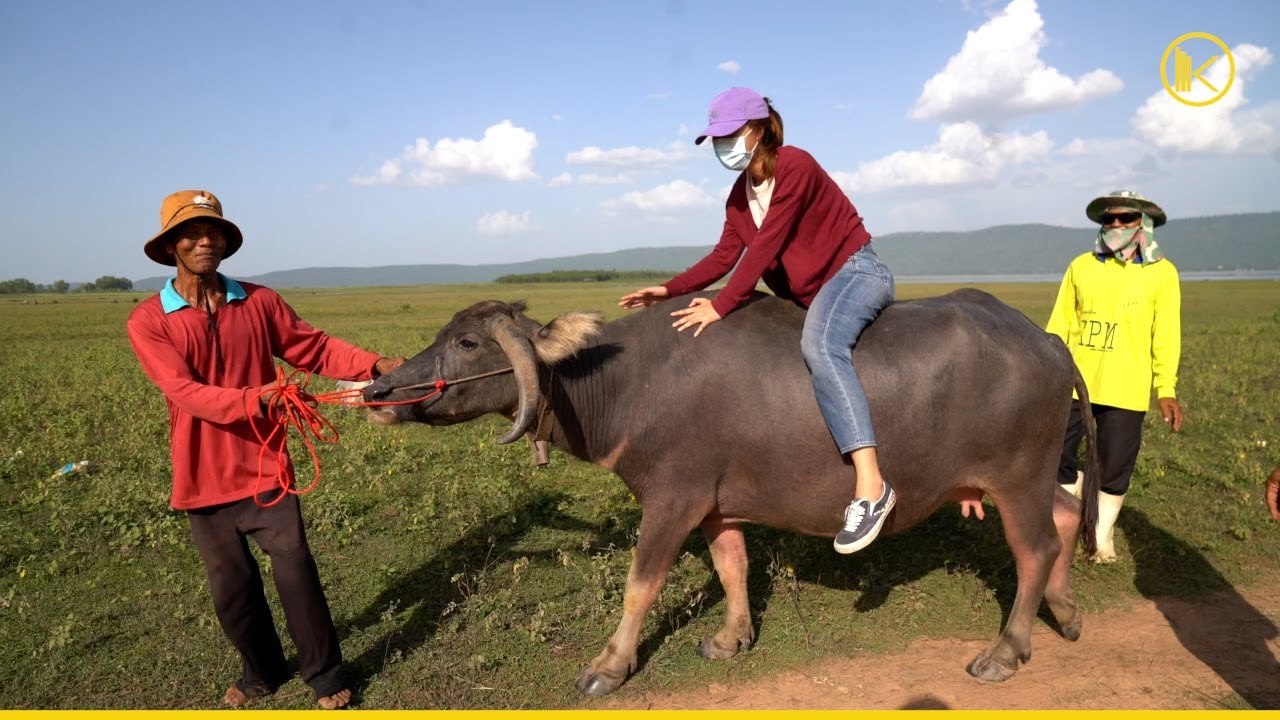
 Click to Access the Navigation Map GPS
Thai Buffalo Conservation Village Map
Recommend

 Art, Culture and Heritage
 Historical Sites and Monuments(7)
 Landmarks and Memorials(3)
 Art, Craft Centres, Tradition(2)
 Museums(4)
 Educational Places
 Museum for Study(2)
 Places of Worship
 Temple(27)
 Other Sacred Sites(5)
 Suburban Living
 Village, Community(3)
 Local Market(1)
 Nature and Wildlife
 National Parks and Marine Reserves(5)
 Mountain (Doi)(1)
 Dam, Reservoir, Lake(4)
 Waterfalls(8)
 Caves(9)
 River, Canal(10)
 Bays and Beaches(3)
 Islands(1)
 Other natural attractions(5)
 Zoos and Aquariums(2)
Animal camps and shows(2)
Zoos and Aquariums(2)
Animal camps and shows(2)
 Farms, Parks and Ecotourism(7)
 Waterpark(3)
 Travel Articles, Recipes
 Travel Review, Food Review(1)


