
lovethailand home >Northeastern Travel Attractions >Kalasin Travel Attractions >Tha Khantho >Yang Um > Lam Pao River
TL;DR: Lam Pao River is located at Eastern Side Of Moo 4, Ban Yang Um, Yang Um Subdistrict, Tha Khantho District, Kalasin Province, Thailand, open Accessible As A Local Public Community Area, hours No Official Opening Hours Announced.
Lam Pao River
Open Days: Accessible As A Local Public Community Area
Opening Hours: No Official Opening Hours Announced
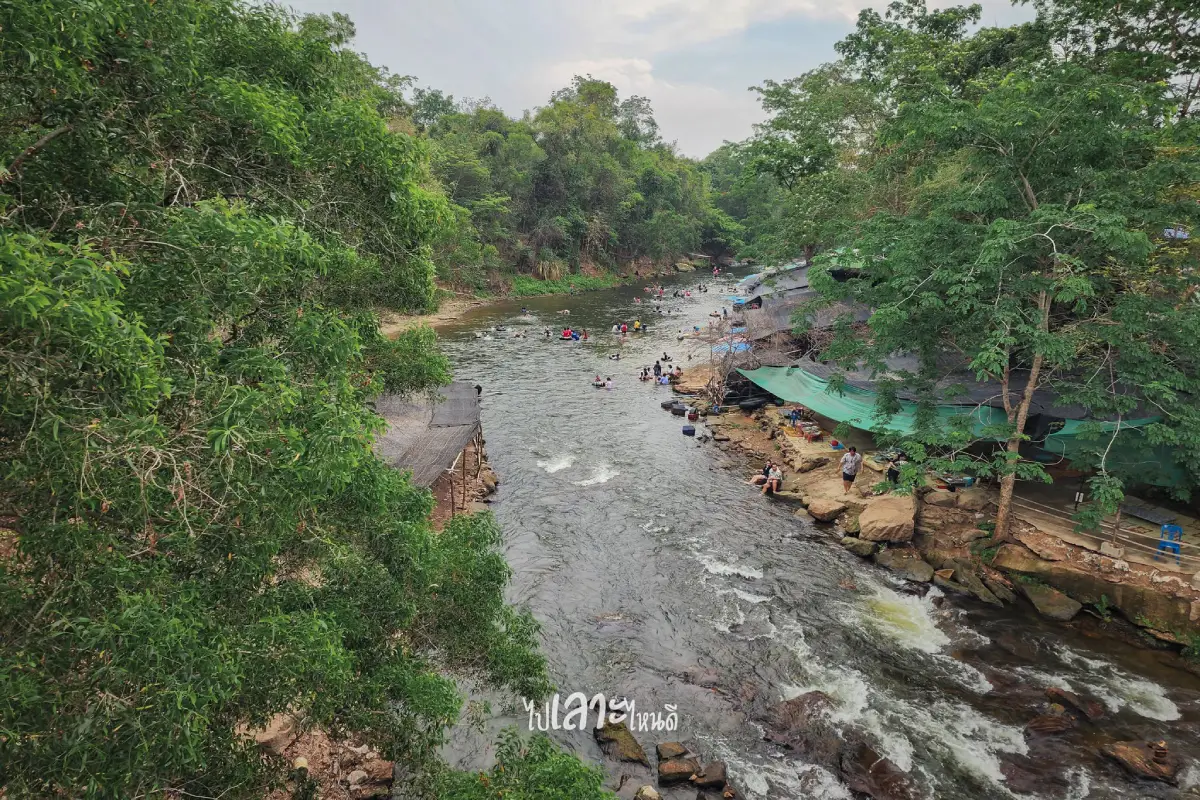
Lam Pao River in Kalasin, near the eastern side of Moo 4, Ban Yang Um, Yang Um Subdistrict, Tha Khantho District, is a meaningful local waterway connected to the everyday life of a rural community in northeastern Thailand. This section of the river is known as a freshwater fish source and a village fishing area. It also offers a peaceful riverside landscape where visitors can observe local fishing practices, learn about community life, and experience the quieter side of Kalasin Province away from heavily developed tourist routes.
For foreign travelers interested in authentic local culture, Lam Pao River at Ban Yang Um is not a conventional sightseeing attraction with ticket counters, large facilities, or organized commercial activities. Its value lies in its connection to real community life. The river supports freshwater fish, local food culture, small-scale fishing, and the daily relationship between villagers and natural resources. Visiting this place is therefore less about entertainment and more about understanding how water, fish, local knowledge, and rural livelihoods are tied together in the Isan region of Thailand.
The riverside scenery is simple but memorable. Visitors can see the open water, natural banks, trees, village paths, and a calm rural atmosphere. In the morning, soft light over the water creates a fresh and gentle mood. In the late afternoon, the reflection on the river surface gives the area a peaceful character suitable for photography and quiet observation. This is a place for slow travel, where the experience comes from watching, listening, and paying attention to small details rather than moving quickly from one landmark to another.
Lam Pao River plays an important role in Kalasin’s local geography and way of life. In many rural communities of northeastern Thailand, rivers, ponds, and wetlands are not simply scenic backgrounds. They are sources of food, seasonal knowledge, local income, and community identity. Around Ban Yang Um, the river is associated with freshwater fish and traditional fishing practices. Villagers may use small-scale local fishing tools and methods that reflect their understanding of water levels, fish behavior, seasons, and the shape of the riverbank. These practices show how local knowledge is created through long experience with the landscape.
For travelers who want to study traditional fishing life, this riverside area offers a useful field-learning experience. Fishing in a village context is not only a way to obtain food. It is also a form of inherited knowledge. Tools such as nets, scoops, traps, and other small fishing equipment are shaped by local conditions and practical wisdom. They require patience, timing, and respect for nature. Visitors should therefore approach the area as a living cultural landscape, not merely as a scenic stop. The river is part of the community’s livelihood and should be treated with care.
One of the most important charms of Lam Pao River at Ban Yang Um is its lack of overdevelopment. The area still feels local and unpolished in the best sense. There may be no large tourist signs, no formal visitor center, and no fixed tourist route. Instead, the experience is shaped by the river, village surroundings, and ordinary life. This makes it suitable for travelers who prefer community-based tourism, rural photography, local food culture, and meaningful observation of everyday life in Thailand’s northeast.
The river is also closely connected to local food culture. Freshwater fish are essential ingredients in many Isan dishes, including grilled fish, steamed fish with herbs, fish soup, minced fish salad, fish curry, and traditional preparations using local vegetables and herbs. When visitors understand where the fish comes from, they can better appreciate the deeper meaning of local cuisine. Food in this context is not just about taste. It reflects geography, seasonal resources, family kitchens, and the knowledge of people who live near the water.
From an environmental perspective, Lam Pao River is part of a larger freshwater ecosystem involving fish, riverside plants, birds, insects, and people. Keeping the area clean is essential. Visitors should avoid littering, should not disturb fishing tools, and should not enter private or working areas without permission. A respectful visit helps protect the waterway and supports the community’s continued use of the river. This is especially important because the site functions primarily as a local living space, not as a fully managed tourist attraction.
Compared with famous attractions in Kalasin such as Lam Pao Dam, Sirindhorn Museum, Phu Phra Forest Park, or Phu Sing Buddhist site, the Lam Pao River area near Ban Yang Um offers a different type of travel experience. It does not stand out because of a large building, museum display, or dramatic viewpoint. It stands out because it reveals the practical relationship between people and water. The beauty of the place is found in its calm scenery, fishing livelihood, and the way a river continues to support a community from one generation to the next.
The best time to visit is in the morning or late afternoon. These hours are more comfortable for walking and photography, and the natural light is better for viewing the river. During the rainy season, the landscape may become greener and more vivid, but visitors should be careful of slippery ground, soft riverbanks, and changing water levels. During the dry season, the scenery may look more open and dry, but the area can still offer insight into rural life and the role of a freshwater river in the local environment.
This place is also suitable for families, students, researchers, and travelers interested in local knowledge. It can be used as a learning stop for topics such as freshwater ecosystems, village fisheries, food security, rural settlement, and the importance of water resources. Children and young visitors can learn why a river matters to a community, how fish become part of household food, and why protecting local waterways is connected to the quality of life. Such learning makes travel more meaningful than simply visiting a location for photographs.
Photographers will find quiet visual details along the river. The most interesting images are often simple: water reflecting the sky, trees along the bank, small fishing tools, local boats, riverside paths, and the soft light of morning or evening. These scenes may not be dramatic, but they are honest and atmospheric. They tell the story of Kalasin from a local perspective and are suitable for travelers who want to capture the everyday beauty of rural northeastern Thailand.
Visitors should prepare for a simple outdoor stop. Bring drinking water, sun protection, comfortable walking shoes, and mosquito repellent, especially if visiting in the late afternoon. Dress modestly and behave respectfully because the area is part of a local community. Avoid entering household areas, private land, or active fishing spaces without permission. If taking photos of local people, always ask first. These small acts of respect help keep community-based travel positive for both visitors and residents.
Getting There is most convenient by private car. Travel to Tha Khantho District in Kalasin Province, then continue to Yang Um Subdistrict and Moo 4, Ban Yang Um. The reference point is the village area near the Lam Pao waterway. Because this is a community riverside area rather than a large formal tourist attraction, visitors should use a navigation map and observe local signs carefully. Asking local residents for directions can be helpful when approaching the river. Travelers unfamiliar with rural roads should plan to visit during daylight hours and avoid leaving the area too late in the evening.
A suitable travel route can combine Lam Pao River at Ban Yang Um with other places in Tha Khantho District. Visitors may start with Tha Khantho City Pillar Shrine or other points in the town area, continue to Hat Khantho, Wat Pa Ariyasap, or Phu Phra Forest Park, and then visit the riverside area in the late afternoon. This kind of route allows travelers to experience local history, religious sites, natural scenery, and fishing community life within a single day.
Lam Pao River at Ban Yang Um is a good example of what community travel can mean. The site does not rely on luxury, entertainment, or large tourism infrastructure. Instead, it invites visitors to understand how one river can support food, income, local knowledge, and community identity. For travelers who wish to see Kalasin in a deeper way, this quiet riverside area offers a thoughtful and grounded experience.
Visitors should not swim in the river unless there is clear local permission and proper safety supervision. Natural rivers can have changing depth, currents, slippery banks, and unstable ground, especially after rain or during high-water periods. The most appropriate activities are sightseeing, learning about village fishing, taking photographs, and resting quietly near the riverside. Families with children should supervise them closely and keep them away from steep or slippery banks.
Overall, Lam Pao River in Kalasin near the eastern side of Moo 4, Ban Yang Um, is a quiet but culturally meaningful destination. Its beauty is not defined by grand tourist infrastructure but by the water that supports the village, the freshwater fish that connect to local food, the peaceful scenery along the river, and the traditional fishing lifestyle that reflects the relationship between people and nature. For travelers who visit respectfully and observe carefully, this place reveals a warm and authentic side of Kalasin Province.
| Name | Lam Pao River, Ban Yang Um |
| Location | Eastern Side Of Moo 4, Ban Yang Um, Yang Um Subdistrict, Tha Khantho District, Kalasin Province, Thailand |
| Address | Moo 4, Ban Yang Um, Yang Um Subdistrict, Tha Khantho District, Kalasin 46190, Thailand |
| Coordinates | 16.917369354214376, 103.29086735844612 |
| Highlights | Freshwater fish source, village fishing area, scenic riverside views, and a learning place for traditional local fishing life |
| Distinctive Features | A natural river landscape on the eastern side of the village, closely connected to freshwater fishing, local food, and rural community life |
| Importance | A local water resource and freshwater fish source for Ban Yang Um, suitable for studying traditional fishing practices and the relationship between people and water |
| Name Origin | Lam Pao is the name of an important waterway associated with Kalasin, while Ban Yang Um is the local village name in Yang Um Subdistrict, Tha Khantho District |
| Recommended Activities | Riverside sightseeing, photography, observing traditional village fishing, studying freshwater fishery knowledge, and quiet community-based travel |
| Travel Information | Travel by private car to Tha Khantho District, then continue to Yang Um Subdistrict and Moo 4, Ban Yang Um. Use a navigation map together with local signs or ask residents for directions near the village area. |
| Current Status | A local waterway and community livelihood area suitable for scenic viewing and learning about traditional fishing life |
| Open Days | Accessible As A Local Public Community Area |
| Opening Hours | No Official Opening Hours Announced |
| Facilities | Suitable for a simple local visit. Travelers should bring drinking water, sun protection, comfortable shoes, and personal essentials. |
| Main Areas / Zones | Riverside View Area Traditional Village Fishing Area Local Fishing Observation Points Natural Riverbank Landscape Ban Yang Um Community Routes |
| Caretaker | Ban Yang Um Community Area Under Yang Um Subdistrict Administrative Organization, Tha Khantho District, Kalasin Province |
| Main Contact Number | Yang Um Subdistrict Administrative Organization, Tel. 043-840561 |
| Official Website / Official Page | www.yangoom.go.th |
| Nearby Tourist Attractions | 1. Tha Khantho City Pillar Shrine, about 6 km 2. Hat Khantho, about 7 km 3. Wat Sang Kaeo, about 11 km 4. Wat Tham Nam Thip, about 12 km 5. Wat Pa Ariyasap, Na Tan Subdistrict, about 14 km 6. Phu Phra Forest Park, about 20 km |
| Nearby Restaurants | 1. PunThai Coffee Road 2322 Tha Khantho, about 7 km, Tel. 061-414-3459 2. Jungle Cafe Tha Khantho Kalasin Branch, about 7 km, Tel. 064-065-6209 3. Café Amazon PTT Tha Khantho, about 7 km, Tel. 095-323-5441 4. Arkin’s Cafe, about 8 km, Tel. 088-548-5369 5. Khontho Cafe & Car Care, about 8 km, Tel. 087-217-9745 6. SukiByBam, about 18 km, Tel. 099-716-1544 |
| Nearby Accommodations | 1. The Boss Place Tha Khantho, about 7 km, Tel. 061-224-1599 2. Phu No Resort Tha Khantho, about 13 km, Tel. 081-061-9855 3. Rim Pao Resort Branch 2, about 10 km 4. Rim Pao Resort Branch 1, about 11 km 5. Nanthasaeng Resort, about 12 km 6. Eidi Homestay, about 24 km |
Frequently Asked Questions (FAQ)
Q: Where Is Lam Pao River At Ban Yang Um Located?
A: It is located on the eastern side of Moo 4, Ban Yang Um, Yang Um Subdistrict, Tha Khantho District, Kalasin Province, Thailand.
Q: What Is Special About This Section Of Lam Pao River?
A: It is a freshwater fish source and a traditional village fishing area with scenic riverside views and opportunities to learn about local fishing life.
Q: What Type Of Travelers Is This Place Suitable For?
A: It is suitable for travelers interested in nature, local community life, traditional fishing, photography, and peaceful rural travel.
Q: When Is The Best Time To Visit Lam Pao River At Ban Yang Um?
A: Morning and late afternoon are the best times because the weather is more comfortable and the natural light is ideal for riverside scenery and photography.
Q: Can Visitors Swim In The River?
A: Visitors should treat the area mainly as a scenic and learning site. Swimming is not recommended unless there is clear local permission and safety supervision.
Q: How Can Travelers Get There?
A: The most convenient way is by private car. Travel to Tha Khantho District, continue to Yang Um Subdistrict and Moo 4 Ban Yang Um, then use a navigation map or ask local residents for the riverside area.
Q: What Nearby Attractions Can Be Combined With This Visit?
A: Nearby places include Tha Khantho City Pillar Shrine, Hat Khantho, Wat Sang Kaeo, Wat Tham Nam Thip, Wat Pa Ariyasap, and Phu Phra Forest Park.
Q: What Should Visitors Prepare Before Going?
A: Bring drinking water, sun protection, comfortable shoes, mosquito repellent, and personal essentials. Visitors should keep the area clean and avoid disturbing local fishing activities.
 Category: ●Nature and Wildlife
 Group: ●River, Canal
Last Update : 2 MonthAgo
 Last Update : 2 MonthAgo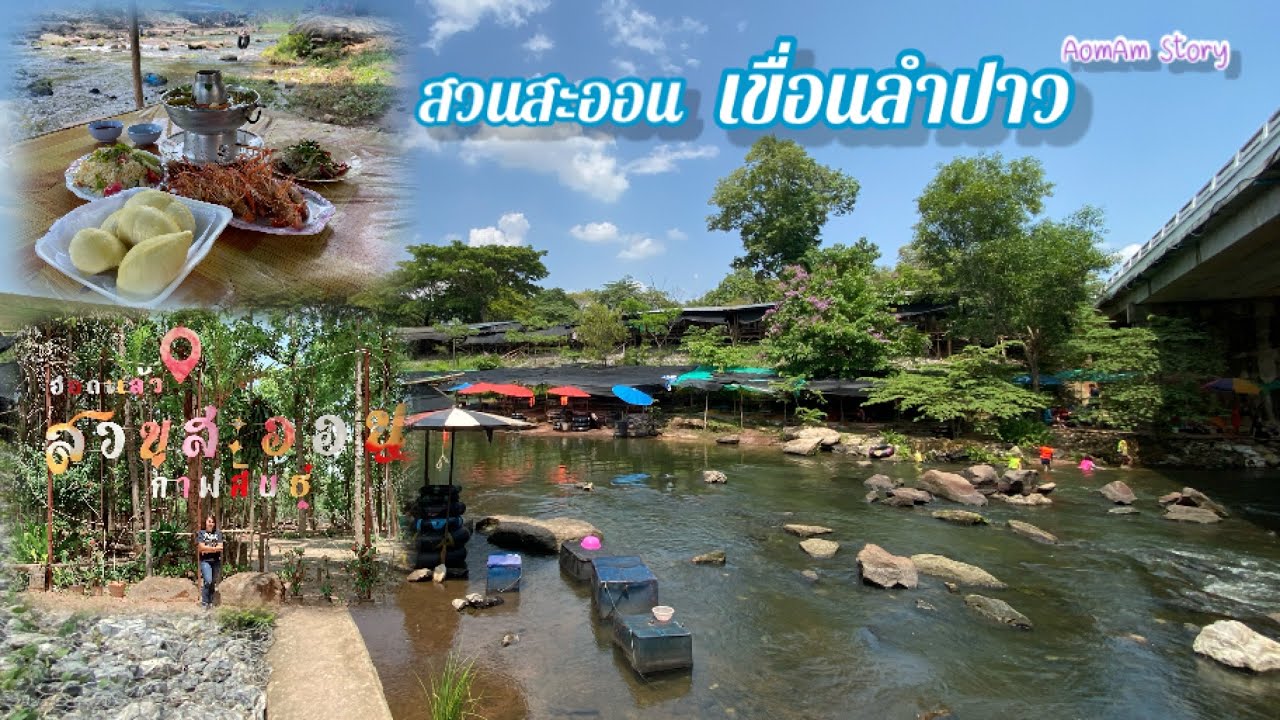
 Click to Access the Navigation Map GPS
 Art, Culture and Heritage
 Historical Sites and Monuments(2)
 Landmarks and Memorials(3)
 Art, Craft Centres, Tradition(4)
 Museums(3)
 Art Gallery(1)
 Educational Places
 Educational Gardens, Farm(1)
 Places of Worship
 Temple(21)
 Other Sacred Sites(6)
 Suburban Living
 Village, Community(3)
 National Parks and Marine Reserves(3)
 Mountain (Doi)(2)
 Dam, Reservoir, Lake(5)
 Waterfalls(4)
 Caves(2)
River, Canal(3)
Caves(2)
River, Canal(3)
 Bays and Beaches(1)
 Other natural attractions(2)
 Entertainment and Agricultural
 Animal camps and shows(1)
 Farms, Parks and Ecotourism(2)


