
lovethailand home >Northeastern Travel Attractions >Buri Ram Travel Attractions >Prakhon Chai >Chorakhe Mak > Prasat Khao Plai Bat
TL;DR: Prasat Khao Plai Bat is located at On Khao Plai Bat, West Of Wiwek Asom Khao Plai Bat Monastic Retreat, Ban Khok Mueang, Chorakhe Mak Subdistrict, Prakhon Chai District, open Daily, hours 09.00 – 16.00.

Prasat Khao Plai Bat
Open Days: Daily
Opening Hours: 09.00 – 16.00
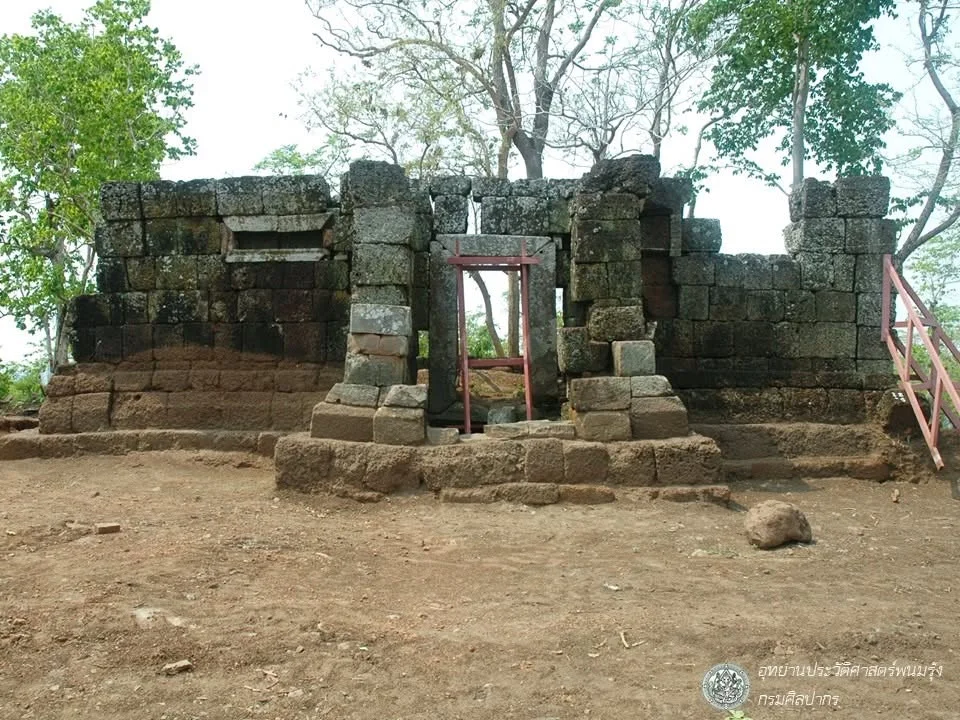
Prasat Khao Plai Bat, also known as Prasat Plai Bat or Khao Prai Bat, is a Khmer archaeological site located on the rim of an extinct volcanic crater in Ban Khok Mueang, Chorakhe Mak Subdistrict, Prakhon Chai District, Buriram Province. The site preserves traces of a brick sanctuary on a laterite base, sandstone door frames, unfinished sandstone lintels, architectural fragments, and a second building resembling a scripture library. It is especially important because of its possible connection with Mahayana Buddhist bronze sculptures from the Prakhon Chai group.
Prasat Khao Plai Bat is an important Khmer archaeological site in Buriram Province, located on Khao Plai Bat, an extinct volcanic hill in Ban Khok Mueang, Chorakhe Mak Subdistrict, Prakhon Chai District. The monument belongs to the same cultural landscape as Phanom Rung Historical Park, Prasat Mueang Tam, Prasat Ban Bu, Kuti Ruesi Ban Khok Mueang, and other archaeological sites around Ban Khok Mueang. For travelers who want to understand Buriram beyond the main historic parks, Khao Plai Bat offers a deeper view of how ancient Khmer sacred sites, volcanic hills, local communities, and Mahayana Buddhist belief were connected.
The site is known by several names, including Prasat Khao Plai Bat, Prasat Plai Bat, Prasat Khao Prai Bat, and Khao Prai Bat. These different spellings reflect official usage, local pronunciation, and older documentary traditions. In this article, the name Prasat Khao Plai Bat is used as the main form because it is commonly found in archaeological and local tourism sources. The variation in naming is meaningful in itself, as it shows how the site has lived in local memory as well as in formal heritage records.
The location of Prasat Khao Plai Bat is one of its most distinctive qualities. It stands on the highest part of the rim of an old volcanic crater, west of Wiwek Asom Khao Plai Bat monastic retreat in Ban Khok Mueang. Visiting the site is therefore different from visiting lowland monuments such as Prasat Mueang Tam. Travelers must approach the hill, pass through a natural landscape, and climb toward the archaeological remains. This physical movement gives a strong sense of a mountain sanctuary, where ascent itself becomes part of the experience.
From the architectural remains, one building can be reconstructed in general form as a sanctuary tower. It stood on a laterite base and was built with sandstone combined with brick. Sandstone was used for door frames, columns, lintels, and other structural parts that required strength or detailed carving, while brick was used for wall lines, pediment-side walls, and inner walls. This combination of laterite, sandstone, and brick reflects the practical intelligence of Khmer builders, who selected each material according to function, strength, and artistic need.
The sanctuary had an entrance on the east side, while the other 3 sides were made as false doors, following Khmer architectural convention. The eastern entrance formed the main axis of approach into the sacred space. In Khmer sacred architecture, the east is commonly associated with sunrise, beginning, purity, and ritual entry. The false doors on the other sides helped balance the form of the shrine and expressed the symbolic completeness of the sacred structure.
One of the most important features of Prasat Khao Plai Bat is the evidence suggesting that the sanctuary may have been left unfinished. Inside the structure are sandstone lintels that were roughed out but not fully carved. Some parts of the door edges contain partial decorative motifs, while other parts appear to remain in a preparatory stage. This is highly valuable because it allows visitors to see the process of Khmer construction and carving, not only the finished result. The site preserves a rare glimpse into the making of a sanctuary.
Another building at the site resembles a scripture library or bannalai. In Khmer sanctuaries, such buildings often stood within the sacred compound and were associated with religious texts, ritual objects, or ceremonial functions. The presence of this second building suggests that Prasat Khao Plai Bat was not simply a single isolated shrine, but a sacred complex with more than one architectural component. Even though only ruins remain today, the surviving layout still allows visitors to understand the broader structure of the sacred area.
Prasat Khao Plai Bat is also significant because of its possible connection with the Prakhon Chai bronze sculpture group, one of the most important groups of Mahayana Buddhist bronze sculptures associated with northeastern Thailand. If the Mahayana Buddhist divine figures that were removed from the area belonged to this sanctuary, the site would have been connected with the worship of Bodhisattvas and other sacred figures in Mahayana Buddhism. This gives the monument a historical importance far beyond its present architectural remains.
The Prakhon Chai bronze sculptures are important in the study of Thai and Southeast Asian art because they show outstanding casting skill, refined iconography, and the role of Mahayana Buddhism in the region. The association of these sculptures with Prasat Khao Plai Bat makes the hilltop sanctuary especially meaningful. It links local archaeology with international discussions about cultural heritage, looted antiquities, and the return of sacred objects to their country of origin.
In its landscape context, Prasat Khao Plai Bat stands near Prasat Mueang Tam and not far from Phanom Rung. These 3 places together reveal different layers of the sacred geography around Ban Khok Mueang. Phanom Rung is the great mountain sanctuary on a volcanic summit. Prasat Mueang Tam is the lowland sanctuary connected with settlement and water. Khao Plai Bat is another volcanic hill sanctuary, possibly related to Mahayana Buddhist imagery and unfinished architecture. Visiting them together gives travelers a broader understanding of Buriram as a landscape of extinct volcanoes and Khmer sacred sites.
The volcanic setting of Khao Plai Bat is essential to the meaning of the site. In Khmer and Indian-influenced religious thought, mountains often symbolized sacred centers, cosmic elevation, and the connection between the human and divine worlds. Building a sanctuary on a volcanic hill was therefore not simply a practical choice for visibility. It transformed the natural landform into a sacred landscape. The climb from the lower area to the hilltop becomes a symbolic movement from ordinary space toward religious space.
Visitors should begin by observing the overall landscape: the hilltop, the crater rim, the approach from Wiwek Asom Khao Plai Bat, and the remaining architectural fragments. Then look more closely at the laterite base, sandstone door frames, unfinished lintels, brick wall lines, and the building that resembles a library. This approach helps travelers understand that the value of Prasat Khao Plai Bat lies not only in beauty, but also in the evidence it preserves about ancient construction, unfinished carving, and religious transformation.
Compared with better-restored monuments in Buriram, Prasat Khao Plai Bat feels more natural and less formal. This is part of its appeal. The route up the hill allows visitors to experience the terrain directly, and the ruins retain a raw archaeological atmosphere. It is best suited for history-focused travelers who enjoy walking, observing details, and reading the relationship between ruins and landscape rather than expecting the full facilities of a large historical park.
The nearby Wiwek Asom Khao Plai Bat monastic retreat gives the place a continuing religious atmosphere. Although the ancient Khmer sanctuary belongs to a much older period, the hill and surrounding area still function as a place of meditation, retreat, and spiritual practice. This continuity shows how sacred meanings can remain attached to the same landscape across different religious traditions and historical periods.
For art and archaeology enthusiasts, Prasat Khao Plai Bat is especially useful for studying unfinished carving, Khmer construction materials, and Mahayana Buddhist traces in lower northeastern Thailand. Small details such as unfinished lintels, partly carved door motifs, and the selective use of sandstone for structurally important areas reveal the technical knowledge of Khmer craftsmen. The site encourages slow observation rather than quick sightseeing.
For travel planning, Prasat Khao Plai Bat fits well with Ban Khok Mueang community tourism, Prasat Mueang Tam, Phanom Rung Historical Park, Prasat Ban Bu, Kuti Ruesi Ban Khok Mueang, and Kuti Ruesi Ban Nong Bua Lai. Starting from Prasat Mueang Tam, travelers can continue to Khao Plai Bat, then proceed toward Phanom Rung or the Phanom Rung – Prakhon Chai route. This itinerary is suitable for those who want to explore Buriram’s Khmer heritage in depth.
There are 2 main ways to reach the hilltop site. Travelers can use a local farm vehicle service from the community when available, or walk from the Wiwek Asom Khao Plai Bat area. The walking distance is about 1 km. The uphill path requires moderate effort, so visitors should wear suitable shoes, bring drinking water, and avoid visiting during heavy rain because the natural trail can become slippery.
The best time to visit is from morning to early afternoon within the community tourism visiting hours. This allows enough time to go up and down the hill safely. Travelers who want to study the remains carefully should allow at least 1 to 2 hours, including walking time, rest stops, and time at the site. It is not advisable to start late in the evening because the trail can become dark quickly and less convenient for descent.
Visitors should not climb on the ruins, move stones, scratch sandstone or brick, dig for artifacts, or leave waste in the natural area. Every architectural fragment is archaeological evidence. Even stones lying on the ground may help specialists understand the original structure and history of the building. Respectful behavior is essential for preserving the site.
For photography, Prasat Khao Plai Bat offers atmospheric images of ruins on a hilltop. Good subjects include the surviving sandstone doorway, brick wall lines, laterite base, unfinished sandstone blocks, and views around the crater rim. Because the terrain is uneven, photographers should watch their footing and avoid standing on fragile architectural remains.
From a local learning perspective, the site gives Ban Khok Mueang community a richer story beyond Prasat Mueang Tam alone. Local interpretation can include the hill route, volcanic landscape, stories of ancient sculpture discoveries, and the connection between the archaeological site and present-day meditation practice. Community-based visits therefore add both archaeological knowledge and local perspective.
Prasat Khao Plai Bat is best understood as a site for deeper cultural travel. It does not have the completeness of a fully restored monument, the wide walkways of a historical park, or extensive visitor facilities. Its value lies in the authenticity of the landscape, the rawness of the ruins, unfinished construction evidence, and its connection with internationally significant Mahayana Buddhist bronze sculptures.
Standing on Khao Plai Bat, visitors can see that Buriram is not only a broad plain but a land of extinct volcanoes, water sources, ancient communities, and sacred monuments. This hilltop sanctuary connects nature, religion, art, archaeology, and cultural heritage recovery into one meaningful place. It is one of the sites that helps reveal the deeper historical layers of the Phanom Rung and Ban Khok Mueang area.
A visit to Prasat Khao Plai Bat is therefore not just a walk up a hill to see ruins. It is an encounter with the history of lower northeastern Thailand in a real landscape. The site shows the work of ancient builders, the sacred character of volcanic hills, the mystery of an unfinished sanctuary, and the importance of protecting cultural heritage for future generations.
| Name | Prasat Khao Plai Bat |
| Alternative Names | Prasat Plai Bat, Prasat Khao Prai Bat, Prasat Khao Plai Bat 1 |
| Location | On Khao Plai Bat, West Of Wiwek Asom Khao Plai Bat Monastic Retreat, Ban Khok Mueang, Chorakhe Mak Subdistrict, Prakhon Chai District, Buriram Province |
| Address | Ban Khok Mueang, Chorakhe Mak Subdistrict, Prakhon Chai District, Buriram 31140, Thailand |
| Highlights | Khmer Hilltop Sanctuary On An Extinct Volcano, With A Laterite Base, Sandstone Door Frames, Unfinished Sandstone Lintels, Brick Wall Remains, And A Building Resembling A Scripture Library |
| History | Associated With Khmer Art And Mahayana Buddhist Belief, With Possible Links To Bodhisattva And Divine Figure Sculptures Of The 10th Century Cultural Context |
| Name Origin | Named After Khao Plai Bat Or Khao Prai Bat, An Extinct Volcanic Hill In The Ban Khok Mueang Area Where The Khmer Sanctuary Is Located |
| Distinctive Features | One Building Was A Sanctuary Tower On A Laterite Base, Built With Sandstone And Brick. Sandstone Was Used For Door Frames, Lintels, Columns, And Strong Structural Elements, While Brick Was Used For Wall Lines. Some Carvings Remain Unfinished. |
| Main Areas / Zones | 1. Trail From Wiwek Asom Khao Plai Bat 2. Laterite Base Of The Sanctuary Tower 3. Sandstone Door Frames And Columns 4. Unfinished Sandstone Lintels 5. Brick Wall Lines And Sandstone Components 6. Building Resembling A Scripture Library 7. Rim Of The Extinct Volcanic Crater 8. Meditation Area Around Wiwek Asom Khao Plai Bat |
| Key Evidence | Laterite Base, Sandstone Door Frames, Unfinished Sandstone Lintels, Partly Carved Door Motifs, A Building Resembling A Library, And The Site’s Connection With The Prakhon Chai Bronze Sculpture Group |
| Travel Information | Located West Of Wiwek Asom Khao Plai Bat On The Rim Of An Extinct Volcanic Crater In Ban Khok Mueang. Visitors Can Walk About 1 Km From The Monastic Retreat Or Use Local Community Farm Vehicle Service When Available. |
| Current Status | Khmer Hilltop Archaeological Site On The Ban Khok Mueang Community Tourism Route, Near Prasat Mueang Tam And Phanom Rung Historical Park |
| Open Days | Daily |
| Opening Hours | 09.00 – 16.00 |
| Fees | No Ticketed Archaeological Admission Fee Listed |
| Facilities | Wiwek Asom Khao Plai Bat Area, Hill Trail, Meditation Area, Rest Stops, And Ban Khok Mueang Community Tourism Services |
| Caretaker | The Fine Arts Department, Together With Wiwek Asom Khao Plai Bat Monastic Area And Ban Khok Mueang Community |
| Nearby Tourist Attractions | 1. Prasat Mueang Tam, About 2 Km 2. Baray Mueang Tam, About 3 Km 3. Kuti Ruesi Ban Khok Mueang, About 3 Km 4. Prasat Ban Bu, About 4 Km 5. Phanom Rung Historical Park, About 6 Km 6. Kuti Ruesi Ban Nong Bua Lai, About 8 Km 7. Wat Khao Angkhan, About 21 Km |
| Nearby Restaurants | 1. NATEE Cafe’ Buriram, About 13 Km, Tel. 098-197-8004 2. Ran Laang Wang Prakhon Chai, About 16 Km, Tel. 084-605-4324, 099-170-9199 3. Sobhlasta Restaurant At Eireann Boutique Hotel, About 17 Km, Tel. 087-493-9919, 044-666-199 4. Le Loft Bar & Restaurant, About 26 Km, Tel. 094-310-9913 5. Steve & Lek Restaurant, About 26 Km |
| Nearby Accommodations | 1. Hotel De L’amour Buriram, About 16 Km, Tel. 098-102-7809, 044-651-555 2. Eireann Boutique Hotel, About 17 Km, Tel. 087-493-9919, 044-666-199 3. Sohground Boutique Resort, About 18 Km, Tel. 080-488-3183 4. Phanomrungpuri Hotel, About 28 Km, Tel. 044-632-222, 086-336-6618 5. Alvarez Hotel Buriram, About 58 Km, Tel. 044-611-555 |
Frequently Asked Questions (FAQ)
Q: Where Is Prasat Khao Plai Bat Located?
A: Prasat Khao Plai Bat is located on Khao Plai Bat, west of Wiwek Asom Khao Plai Bat, in Ban Khok Mueang, Chorakhe Mak Subdistrict, Prakhon Chai District, Buriram Province.
Q: Are Prasat Khao Plai Bat And Khao Prai Bat The Same Place?
A: They refer to the same group of hilltop Khmer archaeological remains. Prasat Khao Plai Bat or Prasat Plai Bat is the common heritage name, while Khao Prai Bat appears as another spelling or local form.
Q: What Are The Main Highlights Of Prasat Khao Plai Bat?
A: The highlights include Khmer ruins on an extinct volcanic hill, a laterite base, sandstone door frames, unfinished sandstone lintels, a building resembling a scripture library, and possible links with the Prakhon Chai bronze sculpture group.
Q: Was Prasat Khao Plai Bat Completed?
A: Surviving evidence such as unfinished sandstone lintels and partly carved door motifs suggests that the sanctuary may have been left unfinished.
Q: How Is The Site Related To Mahayana Buddhism?
A: Historical art references connect the site with divine figures and Bodhisattva sculptures in Mahayana Buddhism, making it important for studying Mahayana Buddhist heritage in lower northeastern Thailand.
Q: How Can Travelers Reach Prasat Khao Plai Bat?
A: Travelers can start from Wiwek Asom Khao Plai Bat and walk uphill for about 1 km, or use a local community farm vehicle service when available.
Q: What Nearby Places Should Be Visited With Prasat Khao Plai Bat?
A: Nearby places include Prasat Mueang Tam, Baray Mueang Tam, Kuti Ruesi Ban Khok Mueang, Prasat Ban Bu, Phanom Rung Historical Park, Kuti Ruesi Ban Nong Bua Lai, and Wat Khao Angkhan.
Q: What Should Visitors Prepare Before Going?
A: Visitors should wear suitable walking shoes, bring drinking water and a hat, avoid visiting during heavy rain, and never climb on or move archaeological fragments.
 Category: ●Art, Culture and Heritage
 Group: ●Historical Sites and Monuments
Last Update : 2 MonthAgo
 Last Update : 2 MonthAgo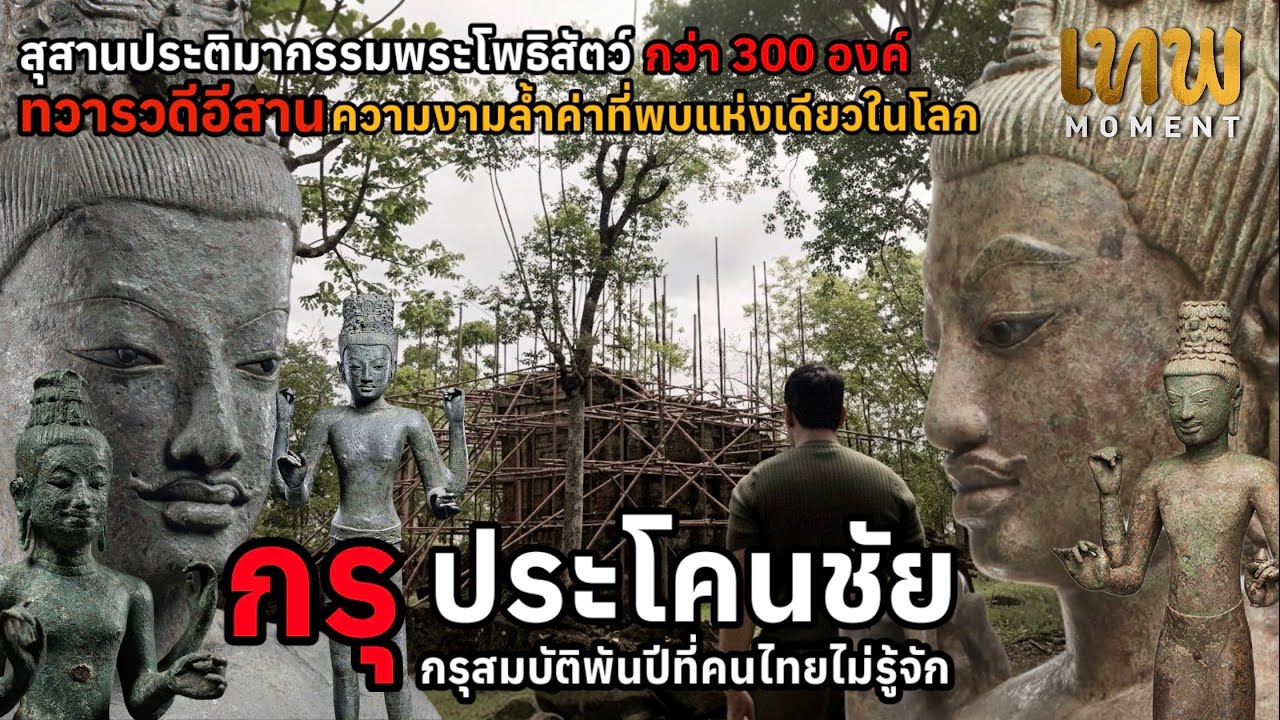
 Click to Access the Navigation Map GPS
Prasat Khao Plai Bat Map
Recommend
 Historical Sites and Monuments(14)
 Landmarks and Memorials(2)
 Art, Craft Centres, Tradition(6)
 Museums(3)
 Educational Places
 Museum for Study(1)
 Places of Worship
 Temple(74)
 Other Sacred Sites(5)
 Suburban Living
 Village, Community(3)
 Nature and Wildlife
 National Parks and Marine Reserves(2)
 Mountain (Doi)(1)
 Dam, Reservoir, Lake(14)
 River, Canal(1)
 Bays and Beaches(1)
 Other natural attractions(2)
 Entertainment and Agricultural
 Animal camps and shows(1)
 Stadium(2)
 Farms, Parks and Ecotourism(2)
 Waterpark(1)


