
lovethailand home >Northeastern Travel Attractions >Buri Ram Travel Attractions >Ban Dan >Ban Dan > Wat Rahan (Ko Kaeo Thudongkhasathan)
TL;DR: Wat Rahan (Ko Kaeo Thudongkhasathan) is located at Moo 18, Ban Dan Subdistrict, Ban Dan District, Buri Ram 31000, open Daily, hours 08.00 – 17.00.
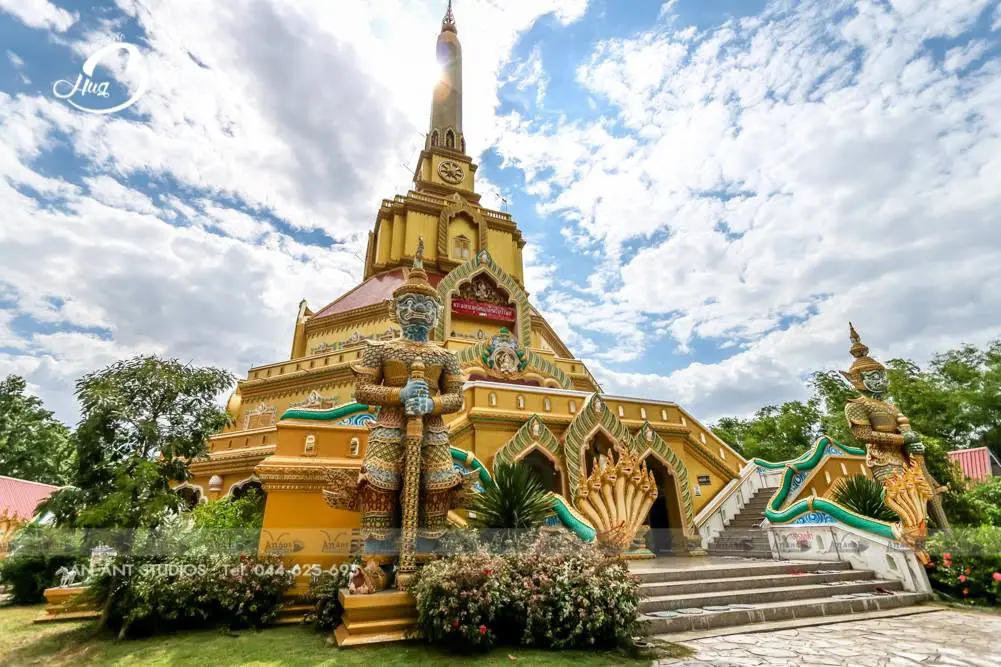
Wat Rahan (Ko Kaeo Thudongkhasathan)
Open Days: Daily
Opening Hours: 08.00 – 17.00
Wat Rahan (Ko Kaeo Thudongkhasathan) is located in Moo 18, Ban Dan Subdistrict, Ban Dan District, Buri Ram Province. It is one of the most meaningful Buddhist temples in the province, known for its peaceful meditation atmosphere and the impressive Phra Maha That Rattanachedi Si Buriram. The temple is a major destination for Buddhist worshippers who come to pay respect to the Buddha relics, make merit, practice meditation, and experience the quiet spiritual atmosphere of Ban Dan District. For foreign travelers, Wat Rahan offers a clear and accessible way to understand Thai Buddhist faith, monastic remembrance, meditation practice, and contemporary religious architecture in Buri Ram.
The temple is widely known by 2 names. Local people often call it Wat Rahan, while the formal name Ko Kaeo Thudongkhasathan reflects its strong connection with Dhamma practice and meditative discipline. The word thudongkhasathan suggests a place associated with ascetic practice, simplicity, and inner training. This name helps visitors understand that the temple should not be treated only as a sightseeing spot. It is a place for quiet worship, reflection, and respect.
Wat Ko Kaeo Thudongkhasathan was built in 1993 and was officially declared a Buddhist temple on 29 September 2000. Compared with many ancient temples in Thailand, Wat Rahan is relatively recent, but its importance comes from the strength of faith behind its creation and from the role of its large sacred monument. The temple developed into a respected religious place through the devotion of monks, disciples, and local communities who wanted to create a meaningful Buddhist center in Buri Ram.
The temple is strongly associated with Phra Khru Khemakhun Sophon, widely known as Luang Pu Chanraem Khemasiri. He was an important meditation monk whose name remains inseparable from Wat Rahan. Many people come to the temple not only to admire the chedi but also to remember Luang Pu Chanraem and his spiritual influence. His life and practice helped shape the temple’s identity as a place of calmness, restraint, and devotion.
Luang Pu Chanraem Khemasiri is remembered for his simple way of life, disciplined practice, and the faith he inspired among disciples. His significance does not come only from buildings or monuments but from the example of a monk dedicated to Dhamma practice. For visitors, understanding his role helps make the temple more meaningful. Wat Rahan is not simply a beautiful religious complex; it is a place connected with the memory of a respected teacher.
The most important landmark of the temple is Phra Maha That Rattanachedi Si Buriram. This large sacred chedi was created as a Buddhist monument in honor of the Buddha. It is about 60 meters high and has 4 levels, each with a different function. The chedi combines religious use, meditation space, museum function, an ordination hall, and a shrine for the Buddha relics. This makes it more than a tall monument. It is a living Buddhist structure designed for worship, learning, meditation, and spiritual reflection.
The first level of the chedi serves as a multipurpose hall. This area supports merit-making, gatherings, ceremonies, Dhamma activities, and temple events. It functions as a welcoming level where visitors and local worshippers can gather before moving into the more sacred upper levels. Its practical use reflects the role of Thai temples as both religious and community spaces.
The second level is used for Vipassana meditation practice. This function is central to the identity of Ko Kaeo Thudongkhasathan. Visitors who come for quiet reflection can understand that the temple values inner practice, not only ritual worship. The meditation level gives the chedi a contemplative character and makes the visit more meaningful for those interested in mindfulness and Buddhist practice.
The third level includes the ordination hall, museum, and images of respected monks known for good practice. This level connects Buddhist discipline, education, and remembrance. The ordination hall is important for monastic ceremonies, while the museum and monk images help visitors learn about the lineage of respected Buddhist teachers. The presence of these images encourages gratitude toward teachers and reflection on the example of disciplined spiritual life.
The fourth level is the most sacred part of the chedi because it enshrines the Buddha relics. These relics are connected with Sri Lanka, an important center of Theravada Buddhism. Reaching the upper level and paying respect to the relics is a deeply meaningful experience for many Buddhist visitors. Foreign travelers should enter this area quietly, dress modestly, and maintain respectful behavior because it is the spiritual heart of the temple.
The temple also has a sacred Bodhi tree grown from a Bodhi sapling connected with the relic tradition. The Bodhi tree has deep meaning in Buddhism because it is associated with the Buddha’s enlightenment. At Wat Rahan, the Bodhi tree area adds another sacred dimension to the temple grounds. Visitors can use this space for quiet reflection and remembrance of the central message of Buddhism: awakening, wisdom, and liberation from suffering.
Wat Rahan is also known for its calm and shaded environment, with many peacocks living in the temple grounds. The presence of peacocks gives the temple a gentle natural atmosphere. Visitors should respect the animals, avoid chasing or disturbing them, and avoid feeding them inappropriately. The coexistence of monks, worshippers, sacred architecture, trees, and birds contributes to the peaceful character of the temple.
Architecturally, Phra Maha That Rattanachedi Si Buriram is a contemporary Buddhist monument with regional character. Buri Ram is known for important Khmer cultural heritage, especially Phnom Rung and other ancient sites. The chedi reflects a contemporary Buddhist form while still harmonizing with the cultural identity of the province. Visitors can therefore appreciate the temple not only as a religious place but also as part of the broader cultural landscape of lower northeastern Thailand.
Wat Rahan is suitable for visitors who want to make merit, pay respect to the Buddha relics, learn about Luang Pu Chanraem, practice meditation, or experience a peaceful temple in Buri Ram. It is not a place to rush through. Each part of the temple has its own meaning: the chedi, the meditation area, the museum, the monk images, the Buddha relics, the Bodhi tree, and the quiet temple grounds.
The current abbot of Wat Ko Kaeo Thudongkhasathan is Phra Achan Boonriap Surakkho. The temple has 8 resident monks, confirming that it remains an active Buddhist temple rather than only a tourist attraction. Resident monks support daily religious life, Buddhist holy day ceremonies, merit-making, Kathin ceremonies, robe offerings, ordinations, memorial ceremonies, and Dhamma practice when appropriate.
Because the temple is a place of practice, visitors should dress modestly, speak quietly, and behave with restraint. This is especially important inside the chedi and near the Buddha relics. Photography should be done respectfully and should not disturb monks, worshippers, or meditation participants. If an area appears private or reserved for monastic use, visitors should ask before entering.
Important temple activities include paying respect to the Buddha relics, Buddhist holy day merit-making, meditation practice, food offerings, Kathin ceremonies, robe offerings, memorial merit-making, and remembrance of Luang Pu Chanraem Khemasiri. These activities give the temple both devotional and educational value. Visitors can learn how Thai Buddhism combines worship, memory of teachers, community support, and personal spiritual practice.
In travel terms, Wat Rahan can be combined with nearby cafés, community sites, and cultural places in Ban Dan District and Buri Ram city. A practical route can begin with worship at Wat Rahan, continue to a café or local restaurant in Ban Dan, and then proceed to the Centre of Southern Northeast Culture or other attractions in Buri Ram city. This makes the temple suitable for a half-day or full-day itinerary.
Ban Dan District has a relaxed rural atmosphere while still being close to Buri Ram city. Visitors who only want to worship at the temple may spend about 1 to 1.5 hours at Wat Rahan. Those who want to explore all levels of the chedi, spend time quietly, take respectful photographs, and continue to nearby places should plan at least half a day.
Getting There from Buri Ram city, travel toward Ban Dan District along the Buri Ram–Satuek route, then continue into Ban Dan Subdistrict and Moo 18. The distance from Buri Ram city is about 17–20 km, depending on the starting point and route. Private car, motorcycle, or locally arranged transport is recommended. When using navigation apps, search for Wat Rahan, Ko Kaeo Thudongkhasathan, Ban Dan District, Buri Ram Province.
Food and café options are available in Ban Dan District and Buri Ram city. Nearby options include Nahug Napang Cafe & Homestay, Jungle Cafe Ban Dan branch, O2 Oxygen Cafe Ban Dan, and Muangpae Cafe. Travelers who want more restaurant choices can continue to Buri Ram city, where Café De Bu and other city restaurants are available. Choosing food stops depends on the travel style: Ban Dan is suitable for a local rural atmosphere, while Buri Ram city offers more variety.
Accommodation options are available in both Ban Dan and Buri Ram city. Nahug Napang Cafe & Homestay is suitable for travelers who want to stay closer to Ban Dan’s rural setting. Those who prefer city hotels can stay at Best Western Royal Buriram Hotel, Ray Hotel Buriram, B2 Buriram Boutique & Budget Hotel, or Amari Buriram United. Staying in Buri Ram city is convenient for travelers who plan to continue to several attractions around the province.
Overall, Wat Rahan (Ko Kaeo Thudongkhasathan) is one of Buri Ram’s most meaningful Buddhist destinations. It is connected with Luang Pu Chanraem Khemasiri, enshrines Buddha relics, contains the 60-meter Phra Maha That Rattanachedi Si Buriram, and offers a calm atmosphere for merit-making and meditation. For foreign travelers, it provides a rare opportunity to experience Thai Buddhist devotion through architecture, relic worship, teacher remembrance, meditation practice, and quiet temple life.
Wat Rahan should be visited with time and respect. The temple rewards slow travel: walking through the chedi levels, reflecting in the meditation space, learning from the museum area, paying respect to the Buddha relics, and spending a quiet moment near the Bodhi tree. It is not only a place to see; it is a place to slow down, make merit, and understand a deeper side of Buddhist culture in Buri Ram Province.
| Name | Wat Rahan (Ko Kaeo Thudongkhasathan) |
| Other Names | Wat Ko Kaeo Thudongkhasathan, Phra Borommathat Chedi Wat Ko Kaeo |
| Location | Moo 18, Ban Dan Subdistrict, Ban Dan District, Buri Ram 31000 |
| Address | Ban Dan Subdistrict, Ban Dan District, Buri Ram Province, Thailand |
| Highlights | Phra Maha That Rattanachedi Si Buriram, a 60-meter 4-level sacred chedi enshrining Buddha relics from Sri Lanka, and a peaceful meditation temple associated with Luang Pu Chanraem Khemasiri |
| History | Built in 1993 and officially declared a Buddhist temple on 29 September 2000 |
| Important Monk | Phra Khru Khemakhun Sophon, also known as Luang Pu Chanraem Khemasiri, an important meditation monk connected with the temple’s development and spiritual identity |
| Phra Maha That Rattanachedi | A contemporary Buddhist chedi about 60 meters high with 4 levels: multipurpose hall, Vipassana meditation area, ordination hall and museum, and the Buddha relic shrine |
| Sacred Objects | Buddha relics, Phra Maha That Rattanachedi, images of respected monks, and the sacred Bodhi tree |
| Distinctive Features | A peaceful meditation temple with shaded grounds, peacocks, and one of Buri Ram’s most important Buddhist chedis |
| Traditions / Rituals | Paying respect to the Buddha relics, Buddhist holy day merit-making, meditation practice, Kathin ceremony, robe offering, memorial merit-making, and remembrance of Luang Pu Chanraem Khemasiri |
| Travel Information | From Buri Ram city, travel toward Ban Dan District along the Buri Ram–Satuek route, then continue to Ban Dan Subdistrict and Moo 18. The distance is about 17–20 km. Private car, motorcycle, or locally arranged transport is recommended |
| Current Status | An active Buddhist temple and important meditation destination in Ban Dan District, Buri Ram Province |
| Open Days | Daily |
| Opening Hours | 08.00 – 17.00 |
| Facilities | Phra Maha That Rattanachedi, multipurpose hall, Vipassana meditation area, ordination hall, museum, Buddha relic shrine, temple courtyard, and quiet resting areas |
| Main Areas / Zones | 1. Level 1: Multipurpose Hall 2. Level 2: Vipassana Meditation Area 3. Level 3: Ordination Hall, Museum, And Images Of Respected Monks 4. Level 4: Buddha Relic Shrine 5. Bodhi Tree Area And Temple Grounds |
| Abbot / Caretaker | Phra Achan Boonriap Surakkho |
| Resident Monks | 8 Monks |
| Local Administrative Contact | Ban Dan Subdistrict Municipality, Tel. 044-664-099 |
| Nearby Tourist Attractions | 1. Muangpae Cafe, Non Khwang Subdistrict, Ban Dan District, about 6 km, Tel. 098-618-4887 2. Nahug Napang Cafe & Homestay, Ban Dan District, about 8 km, Tel. 092-639-9926, 091-655-6297 3. Centre Of Southern Northeast Culture, Buri Ram Rajabhat University, about 18 km, Tel. 044-611-221 Ext. 7601, 088-595-2464 4. Buri Ram City, about 18 km 5. Chang Arena And Buriram Castle, about 23 km |
| Nearby Restaurants | 1. Jungle Cafe Ban Dan Branch, about 4 km, Tel. 089-960-8802 2. O2 Oxygen Cafe Ban Dan, about 5 km, Tel. 094-552-2299 3. Muangpae Cafe, about 6 km, Tel. 098-618-4887 4. Nahug Napang Cafe & Homestay, about 8 km, Tel. 092-639-9926, 091-655-6297 5. Café De Bu Buriram, about 20 km, Tel. 089-057-5857 |
| Nearby Accommodations | 1. Nahug Napang Cafe & Homestay, Ban Dan District, about 8 km, Tel. 092-639-9926, 091-655-6297 2. Best Western Royal Buriram Hotel, about 18 km, Tel. 044-666-600, 098-585-2046 3. Ray Hotel Buriram, about 19 km, Tel. 044-110-767 4. B2 Buriram Boutique & Budget Hotel, about 19 km, Tel. 093-501-0120 5. Amari Buriram United, about 23 km, Tel. 044-111-444 |
Frequently Asked Questions (FAQ)
Q: Where is Wat Rahan (Ko Kaeo Thudongkhasathan) located?
A: Wat Rahan, also known as Ko Kaeo Thudongkhasathan, is located in Moo 18, Ban Dan Subdistrict, Ban Dan District, Buri Ram Province 31000.
Q: What is the main highlight of Wat Rahan?
A: The main highlight is Phra Maha That Rattanachedi Si Buriram, a 60-meter 4-level sacred chedi enshrining Buddha relics from Sri Lanka.
Q: How is Luang Pu Chanraem connected with Wat Rahan?
A: Luang Pu Chanraem Khemasiri, also known as Phra Khru Khemakhun Sophon, was an important meditation monk closely connected with the temple’s development and spiritual identity.
Q: What can visitors see inside Phra Maha That Rattanachedi?
A: The chedi has 4 levels: a multipurpose hall, a Vipassana meditation area, an ordination hall and museum, and the Buddha relic shrine on the upper level.
Q: Who is the current abbot of Wat Rahan?
A: The current abbot of Wat Ko Kaeo Thudongkhasathan is Phra Achan Boonriap Surakkho.
Q: What are the opening days and opening hours of Wat Rahan?
A: The temple is open daily from 08.00 to 17.00. It is suitable for worship, merit-making, visiting the chedi, and meditation practice.
Q: What nearby places can visitors combine with Wat Rahan?
A: Visitors can combine the trip with Muangpae Cafe, Nahug Napang Cafe & Homestay, the Centre of Southern Northeast Culture, Buri Ram city, Chang Arena, and Buriram Castle.
Q: How can travelers get to Wat Rahan?
A: From Buri Ram city, travel toward Ban Dan District along the Buri Ram–Satuek route, then continue to Ban Dan Subdistrict and Moo 18. Private car, motorcycle, or locally arranged transport is recommended.
 Category: ●Places of Worship
 Group: ●Temple
Last Update : 3 MonthAgo
 Last Update : 3 MonthAgo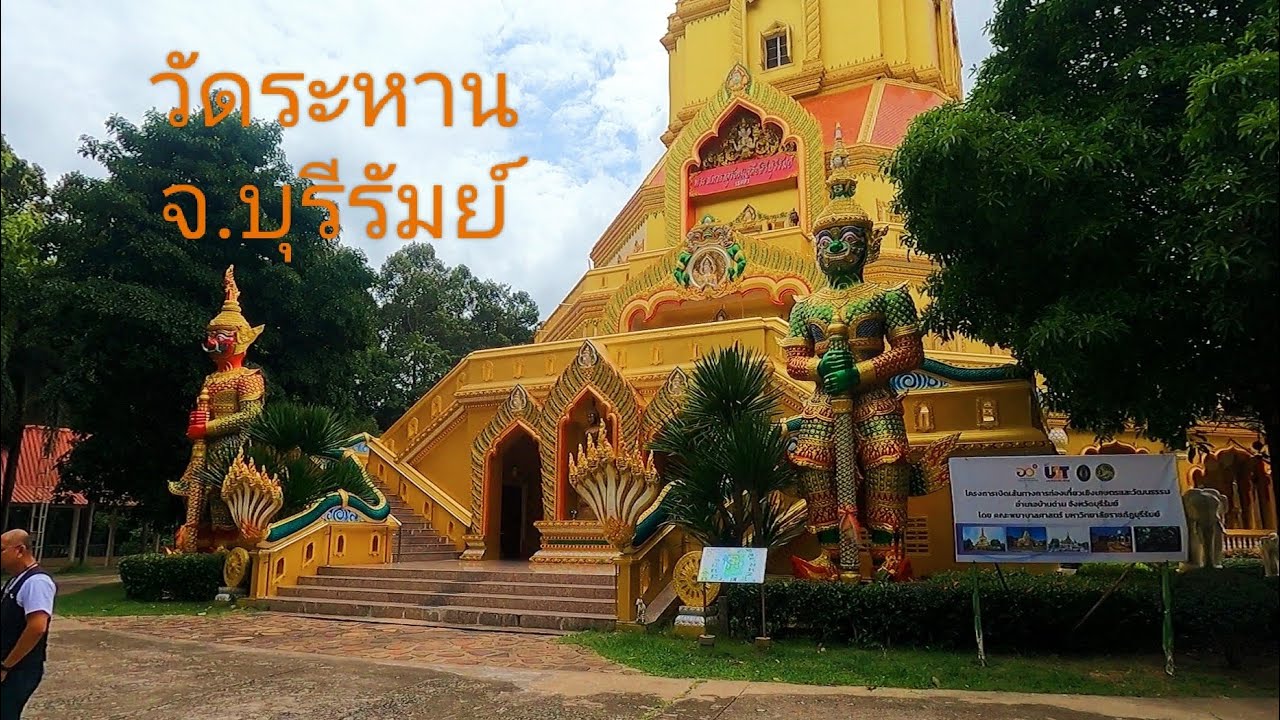
 Click to Access the Navigation Map GPS
Wat Rahan (Ko Kaeo Thudongkhasathan) Map
Recommend

 Art, Culture and Heritage
 Historical Sites and Monuments(14)
 Landmarks and Memorials(2)
 Art, Craft Centres, Tradition(6)
 Museums(3)
 Educational Places
 Museum for Study(1)
Temple(74)
Museum for Study(1)
Temple(74)
 Other Sacred Sites(5)
 Suburban Living
 Village, Community(3)
 Nature and Wildlife
 National Parks and Marine Reserves(2)
 Mountain (Doi)(1)
 Dam, Reservoir, Lake(14)
 River, Canal(1)
 Bays and Beaches(1)
 Other natural attractions(2)
 Entertainment and Agricultural
 Animal camps and shows(1)
 Stadium(2)
 Farms, Parks and Ecotourism(2)
 Waterpark(1)


