
lovethailand home >Northeastern Travel Attractions >Buri Ram Travel Attractions >Ban Kruat >Bueng Charoen > Wat Pa Phra Sabai
TL;DR: Wat Pa Phra Sabai is located at Bueng Charoen Subdistrict, Ban Kruat District, Buri Ram Province, Thailand, open Daily, hours 08.00 – 17.00.

Wat Pa Phra Sabai
Open Days: Daily
Opening Hours: 08.00 – 17.00
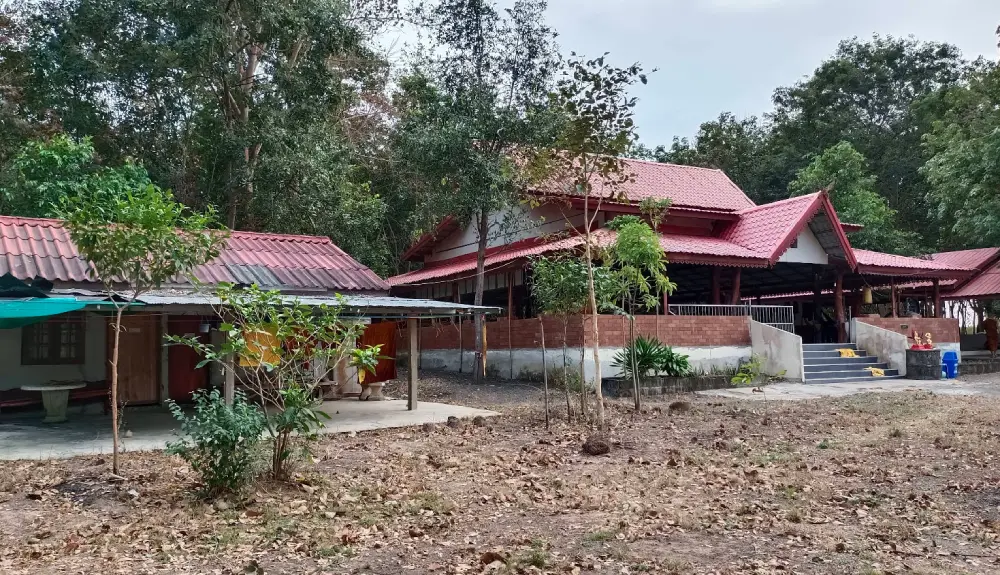
Wat Pa Phra Sabai in Buri Ram Province is an important cultural and archaeological destination in Ban Kruat District. The temple is best known for the Prehistoric Museum of Wat Pa Phra Sabai, also called the 3,000-Year Prehistoric Museum. It preserves ancient human remains, pottery, weapons, household tools, ornaments, and other archaeological objects discovered by local villagers in the surrounding area. For travelers who want to understand Buri Ram beyond Khmer stone sanctuaries, this temple offers a rare look into the prehistoric life of communities in southern Isan.
The museum is located inside Wat Pa Phra Sabai in Bueng Charoen Subdistrict, Ban Kruat District, Buri Ram Province. It is a local museum created through the cooperation of the temple, villagers, and archaeological authorities. Many of the objects now displayed in the museum were first found by local residents while using the land for everyday activities and agriculture. What once lay hidden beneath the soil gradually became evidence of an ancient community that had lived in this area thousands of years before written history.
The story of Wat Pa Phra Sabai became especially important after villagers discovered large numbers of pottery fragments and ancient objects in the area. During agricultural work, local people found broken pottery, ancient tools, and other remains. Phra Ajarn Thongchai Chatapanyo, the abbot of Wat Pa Phra Sabai at that time, encouraged villagers to bring the discovered objects to the temple so that they could be collected, protected, and studied. This decision helped prevent the loss of valuable archaeological evidence and became the starting point of the museum.
Phra Ajarn Thongchai’s role was important because he transformed scattered discoveries into a shared cultural heritage. The objects were not treated as ordinary old items. They became evidence of ancestral life, community identity, and the deep history of Ban Kruat. By collecting them at the temple, he made Wat Pa Phra Sabai a place where Buddhism, community memory, and archaeology could exist together.
After the objects were gathered, the Fine Arts Department was informed and later surveyed the area. Archaeological work confirmed the importance of the site. Human skeletal remains, pottery fragments, tools, and household objects were found. The department helped provide information, registration, and support for the museum displays. As a result, Wat Pa Phra Sabai became more than a temple with old objects. It became a learning center supported by both community memory and archaeological knowledge.
The museum displays a wide range of prehistoric objects, including grey-black pottery, red unglazed pottery, iron tools, ornaments, stone beads, stone bangles, bronze rings, ear ornaments, clay bells, and pottery fragments decorated with cord-marked, incised, or impressed patterns. These objects reveal the skill of ancient people in shaping clay, using heat, making tools, decorating objects, and adapting to the environment around them.
The discovery of ancient human bones makes the site especially meaningful. Human remains connect the present community with people who lived in the same landscape thousands of years ago. In archaeology, skeletal remains can help explain health, burial customs, daily life, and the relationship between humans and their environment. Even for general visitors, seeing these remains makes the past feel real and immediate.
One of the most valuable aspects of Wat Pa Phra Sabai is that the museum was created from local initiative. Villagers found the objects, the temple gathered and protected them, and archaeological authorities helped with study and registration. This makes the museum a living example of community-based heritage preservation. The objects on display are not detached from the community. They belong to the memory and identity of the people of Bueng Charoen and Ban Kruat.
Ban Kruat is already known for ancient pottery and kiln sites connected with later Khmer-period ceramic production. Wat Pa Phra Sabai adds an older layer to this cultural landscape. It shows that the history of the area did not begin with stone sanctuaries or ancient kilns alone. Long before those later developments, people had already lived in the region, made pottery, used tools, created ornaments, and formed communities.
Inside the museum, visitors can see pottery in many forms, including vessel fragments, bowl-like shapes, black-footed vessels, red unglazed pottery, and broken pieces that still show surface decoration. Even incomplete fragments are valuable because they reveal manufacturing techniques, clay preparation, firing methods, and everyday use. These small pieces help tell the larger story of ancient daily life.
Tools and weapons, such as knives, spear-like objects, and iron implements, show that prehistoric people had practical knowledge and organized ways of living. They made tools for daily tasks, food preparation, hunting, protection, and household use. These objects remind visitors that archaeology is not only about monuments. It is also about ordinary human actions repeated across generations.
Ornaments such as stone beads, stone bangles, bronze rings, and ear ornaments reveal another side of ancient life. People did not only create things for survival. They also cared about beauty, identity, belief, and social expression. Personal ornaments show that ancient communities had aesthetic awareness and forms of symbolic communication. This makes the museum especially interesting for visitors who want to understand human culture beyond tools and pottery.
Because the museum is located inside a temple, the atmosphere is quieter and more reflective than many ordinary museums. Visitors should view the objects with respect, especially those related to human remains and burial contexts. These are not simply unusual objects for photography. They are traces of real people who once lived in this region. A respectful attitude helps preserve the dignity of the site.
Wat Pa Phra Sabai is also a strong example of local heritage protection. Without the decision to gather and preserve the objects, many pieces might have been lost, damaged, sold, or removed from the community without record. By keeping them at the temple, the community preserved its own past and turned archaeological evidence into public knowledge. This is one of the most important values of the museum.
The museum is suitable for travelers interested in history, archaeology, prehistoric culture, local museums, and southern Isan heritage. It is also useful for students, teachers, families, and cultural travelers who want to see real objects rather than only read about the past. A visit here offers a direct encounter with ancient evidence from the Ban Kruat area.
For those interested in archaeology, Wat Pa Phra Sabai can be combined with other sites in Ban Kruat, including ancient kiln sites, the stone-cutting site, Ban Kruat Cultural Center, Ban Kruat District Museum, and local reservoirs. This creates a strong cultural route that connects prehistoric settlement, pottery production, later kiln traditions, and the community landscape of Ban Kruat.
Visitors should allow at least one hour to explore the museum. Reading the information, observing the pottery, looking carefully at tools and ornaments, and understanding the story of discovery will make the visit much more meaningful. Groups of students or study visitors should contact the museum caretaker in advance for a more organized visit.
Visitors should not touch, move, or handle archaeological objects without permission. Many pieces are fragile and historically important. Even small fragments have research value. Respectful viewing, careful photography, and quiet behavior are important because the museum is both a learning space and part of an active temple environment.
Getting There is most convenient by private car or rented vehicle. From Buri Ram city, travel toward Ban Kruat District and continue to Bueng Charoen Subdistrict. The museum is located inside Wat Pa Phra Sabai. Travelers without a private car can travel to Ban Kruat town first, then hire local transport to the temple. The route can be combined with other attractions in Ban Kruat.
A practical cultural route can begin at Wat Pa Phra Sabai to study prehistoric objects, then continue to Ban Saitri Eight Archaeological Site, Ban Kruat stone-cutting site, Mekha Reservoir, Ban Kruat Cultural Center, Ban Kruat District Museum, and the ancient kiln sites of Nai Chian and Sawai. This route gives travelers a deeper understanding of Ban Kruat as one of Buri Ram’s important archaeological districts.
Food and accommodation are available in Ban Kruat town and nearby subdistricts. Visitors can find local restaurants, cafés, noodle shops, Thai food restaurants, small resorts, and local accommodations within a practical driving distance. Staying overnight in Ban Kruat allows travelers to explore the area more slowly and visit both the museum and nearby archaeological attractions.
For foreign visitors, Wat Pa Phra Sabai is valuable because it shows a deeper historical layer of Thailand. It is not only about temples, Buddha images, or Khmer stone sanctuaries. It presents evidence of prehistoric people who lived, made pottery, used tools, created ornaments, and built communities in this region thousands of years ago. The museum helps visitors understand that Thailand’s cultural history is much older and more layered than the most famous tourist landmarks.
Wat Pa Phra Sabai should therefore be included in any serious cultural journey through Buri Ram. It connects prehistoric human life, local community memory, temple-based preservation, and archaeological education in one place. The museum reminds visitors that important heritage is not always found only in grand monuments. Sometimes it is preserved in a quiet village temple, protected by local faith and the care of a community that values its own past.
| Name | Wat Pa Phra Sabai / 3,000-Year Prehistoric Museum of Wat Pa Phra Sabai |
| Location | Bueng Charoen Subdistrict, Ban Kruat District, Buri Ram Province, Thailand |
| Address | Wat Pa Phra Sabai, Moo 1, Bueng Charoen Subdistrict, Ban Kruat District, Buri Ram 31180, Thailand |
| Highlights | A local prehistoric museum displaying around 3,000-year-old archaeological objects, including ancient human remains, pottery, tools, weapons, ornaments, and household objects |
| History | Villagers discovered ancient pottery and archaeological objects in the area. Phra Ajarn Thongchai Chatapanyo, the abbot at that time, initiated the collection of these objects at the temple, leading to the creation of the museum with archaeological support |
| Distinctive Features | A community-based museum with more than 300 archaeological objects showing evidence of prehistoric settlement in southern Buri Ram |
| Important Elements | Ancient human skeletons, pottery vessels, cord-marked pottery fragments, iron tools, knives, spear-like objects, stone bangles, colored stone beads, bronze rings, clay bells, and ancient household objects |
| Historical Value | Important evidence of prehistoric communities in southern Buri Ram, connecting Ban Kruat’s history from prehistoric settlement to later ancient kiln and Khmer cultural landscapes |
| Initiator of the Collection | Phra Ajarn Thongchai Chatapanyo, the abbot of Wat Pa Phra Sabai during the early collection and museum formation period |
| Visitor Contact | Khun Samnuan Lomnak, Tel. 089-585-0467, 089-850-3656 |
| Travel Information | Accessible by private car or local transport from Ban Kruat District to Bueng Charoen Subdistrict. Travelers without a private car can first travel to Ban Kruat town and then hire local transport to Wat Pa Phra Sabai |
| Current Status | Open as a temple and local museum for prehistoric archaeological learning |
| Open Days | Daily |
| Opening Hours | 08.00 – 17.00 |
| Admission Fee | Free Admission |
| Facilities | Museum building, display cases, archaeological learning area, temple grounds, temple courtyard, and space for study groups |
| Main Areas / Zones | Archaeological object display zone Pottery and pottery fragment zone Tools, household objects, and ornament zone Discovery and prehistoric community information zone Temple and merit-making area |
| Nearby Tourist Attractions | 1. Ban Saitri Eight Archaeological Site, about 1.2 km 2. Ban Kruat Stone-Cutting Site / Wat Pa Lan Hin Tat, about 6 km 3. Mekha Reservoir, about 6 km 4. Ban Kruat Cultural Center, about 8 km 5. Ban Kruat District Museum, about 8 km 6. Nai Chian Ancient Kiln Site, about 18 km 7. Sawai Ancient Kiln Site, about 20 km 8. Prasat Muang Tam, about 45 km |
| Nearby Restaurants | 1. Coco Cool Cafe’, about 8 km, Tel. 064-778-7799 2. RINTR Plus Cafe Bar Restaurant, about 9 km, Tel. 081-966-1766 3. Jungle Cafe Ban Kruat, about 9 km, Tel. 096-798-1138 4. PunThai Coffee 2445 Road Ban Kruat, about 9 km, Tel. 098-282-1651 5. Tieow Yok Sod by Khon-La-Yum PTT Ban Kruat, about 10 km, Tel. 061-267-1998 6. Pen Tor Ban Kruat, about 13 km, Tel. 098-119-9064, 096-389-2911 |
| Nearby Accommodations | 1. I Din Resort Ban Kruat, about 4 km, Tel. 080-004-0870, 089-925-5453 2. Mekha Resort, about 5 km, Tel. 084-828-9224 3. Muang Sut Bungalow, about 6 km, Tel. 089-832-1875 4. Ban Kruat Garden Resort, about 9 km, Tel. 044-679-263, 086-250-4186 5. Fresh Garden Resort, about 14 km, Tel. 061-038-4295 6. Phrom Suk Resort, about 15 km, Tel. 081-955-5025 |
Frequently Asked Questions (FAQ)
Q: Where is Wat Pa Phra Sabai located?
A: Wat Pa Phra Sabai is located in Bueng Charoen Subdistrict, Ban Kruat District, Buri Ram Province, Thailand. The temple houses the 3,000-Year Prehistoric Museum of Wat Pa Phra Sabai.
Q: Why is Wat Pa Phra Sabai important?
A: It is important because it preserves prehistoric archaeological objects, including ancient human remains, pottery, weapons, tools, ornaments, and household objects estimated to be around 3,000 years old.
Q: Who initiated the collection of ancient objects at Wat Pa Phra Sabai?
A: Phra Ajarn Thongchai Chatapanyo, the abbot of Wat Pa Phra Sabai at that time, initiated the collection of the ancient objects discovered by villagers so they could be preserved and displayed for public learning.
Q: What can visitors see at the museum?
A: Visitors can see ancient human skeletons, pottery vessels, pottery fragments, iron tools, knives, spear-like objects, stone bangles, colored stone beads, bronze rings, clay bells, and ancient household objects.
Q: What are the opening hours of Wat Pa Phra Sabai?
A: Wat Pa Phra Sabai and its prehistoric museum are open daily from 08.00 to 17.00.
Q: Is there an admission fee?
A: No. Admission is free.
Q: What attractions can be visited together with Wat Pa Phra Sabai?
A: Nearby attractions include Ban Saitri Eight Archaeological Site, Ban Kruat Stone-Cutting Site, Mekha Reservoir, Ban Kruat Cultural Center, Ban Kruat District Museum, Nai Chian Ancient Kiln Site, Sawai Ancient Kiln Site, and Prasat Muang Tam.
Q: How should visitors behave at Wat Pa Phra Sabai?
A: Visitors should dress respectfully, keep quiet, avoid touching or moving archaeological objects, take photos carefully, and respect the site as both a temple and a community heritage museum.
 Category: ●Places of Worship
 Group: ●Temple
Last Update : 2 MonthAgo
 Last Update : 2 MonthAgo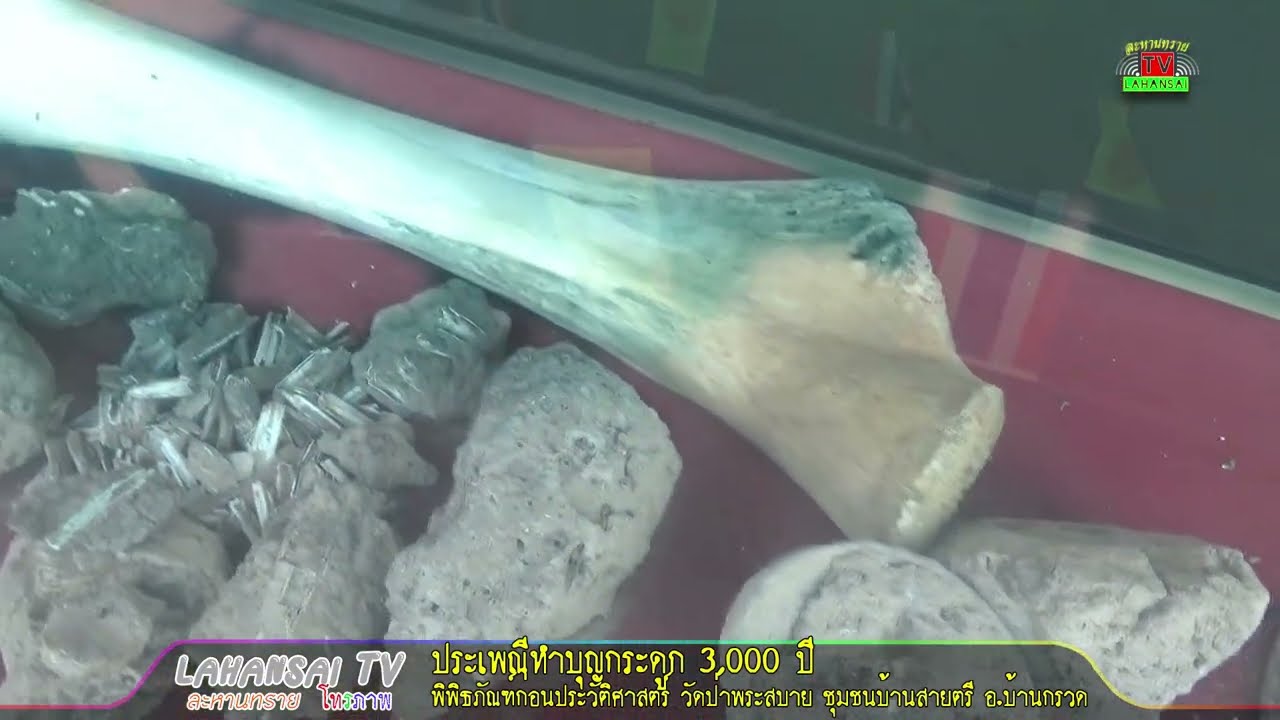
 Click to Access the Navigation Map GPS
Wat Pa Phra Sabai Map
Recommend

 Art, Culture and Heritage
 Historical Sites and Monuments(14)
 Landmarks and Memorials(2)
 Art, Craft Centres, Tradition(6)
 Museums(3)
 Educational Places
 Museum for Study(1)
Temple(74)
Museum for Study(1)
Temple(74)
 Other Sacred Sites(5)
 Suburban Living
 Village, Community(3)
 Nature and Wildlife
 National Parks and Marine Reserves(2)
 Mountain (Doi)(1)
 Dam, Reservoir, Lake(14)
 River, Canal(1)
 Bays and Beaches(1)
 Other natural attractions(2)
 Entertainment and Agricultural
 Animal camps and shows(1)
 Stadium(2)
 Farms, Parks and Ecotourism(2)
 Waterpark(1)


