
lovethailand home >Northeastern Travel Attractions >Buri Ram Travel Attractions >Nang Rong >Ban Sing > Wat Phu Man Fah
TL;DR: Wat Phu Man Fah is located at Moo 7, Rural Road BR.4034, Ban Sing Subdistrict, Nang Rong District, Buriram Province, open Daily, hours 08.00 – 17.00.

Wat Phu Man Fah
Open Days: Daily
Opening Hours: 08.00 – 17.00
Wat Phu Man Fah, officially known as Wat Phra Phutthabat Sila, is a large Buddhist temple and faith-based landmark in Buriram Province. It is located in Ban Nong Bua Rai, Moo 7, Ban Sing Subdistrict, Nang Rong District, on the route connecting Nang Rong, Chamni, and Lam Plai Mat. The temple has become widely known among local communities and travelers because of its monumental sandstone architecture, peaceful atmosphere, and strong connection with Luang Pho Daeng, or Phra Ajarn Somsak Samvarajitto, the monk whose vision and spiritual influence helped shape this remarkable Buddhist site.
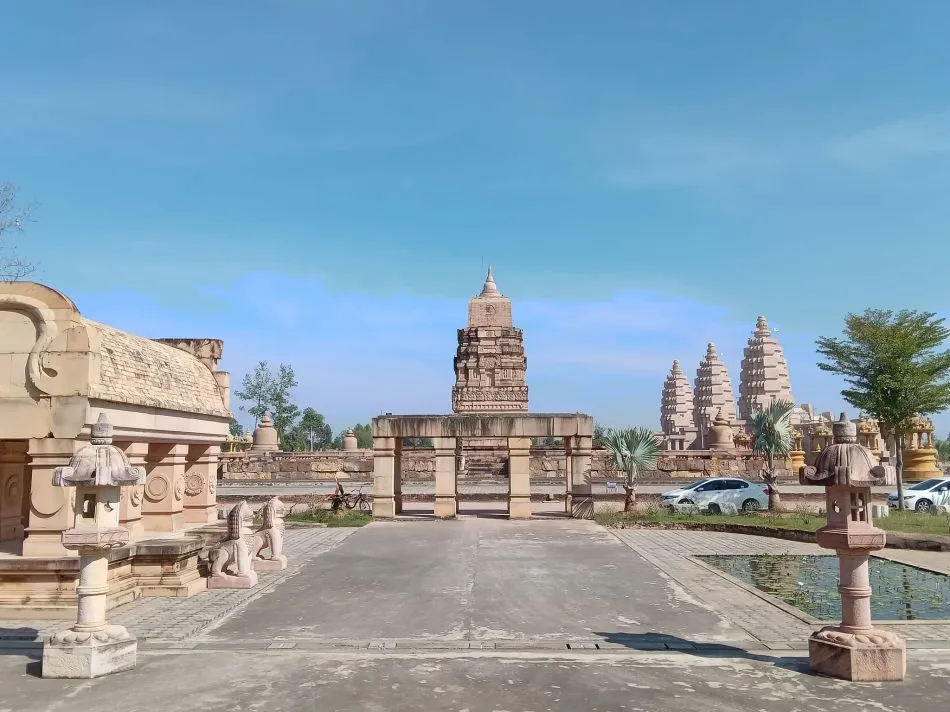
What makes Wat Phu Man Fah stand out is its large-scale use of sandstone in Buddhist art and architecture. Visitors will find carved stone Buddha images, sandstone towers, low-relief panels, symbolic figures, a reclining Buddha, and many religious details inspired by Buddhist teachings. Most visitors begin their visit by paying respect to Luang Pu Hin, a sacred stone Buddha image that has become one of the most important devotional points within the temple. After that, they can continue walking through the wider temple grounds to admire the stone craftsmanship and the growing religious complex.
The temple began as a monastic residence in 1998 at Ban Nong Bua Rai. It was developed through the leadership of Phra Ajarn Somsak Samvarajitto, widely known as Luang Pho Daeng, and through the faith of lay supporters who donated land and resources for Buddhist purposes. The temple received official permission for construction on October 8, 2019, and was officially established as a Buddhist temple on May 31, 2021. Although it is a relatively young temple compared with ancient temples in Buriram, Wat Phu Man Fah has quickly become one of the province’s most distinctive contemporary religious landmarks.
Buriram is famous for ancient Khmer-style stone sanctuaries such as Phanom Rung Historical Park and Prasat Muang Tam. Wat Phu Man Fah belongs to a different period and purpose, but it reflects the same regional fascination with stone architecture. Its sandstone buildings are not ancient ruins; they are contemporary Buddhist creations designed to express faith, devotion, and artistic ambition. This makes the temple especially interesting for travelers who want to see how Buddhist art continues to evolve in the modern era while still drawing inspiration from the cultural landscape of Buriram.
Luang Pho Daeng is deeply respected by people from Nang Rong, Chamni, Lam Plai Mat, and nearby districts. Many devotees remember him as a monk who could deliver Dhamma sermons in a clear, engaging, and meaningful way. His teachings were accessible to local people and helped build a strong spiritual connection between the temple and surrounding communities. For many visitors, Wat Phu Man Fah is therefore not only a place to see impressive architecture, but also a place shaped by faith, memory, and the intention to create a lasting Buddhist sanctuary.
The temple grounds are spacious and open, with shaded areas and wide walking spaces. Even when visitors come in groups, the atmosphere still feels calm enough for a slow and reflective visit. The sandstone structures require time to appreciate because much of their beauty lies in the smaller details: carved patterns, symbolic figures, stacked stone forms, relief panels, and the way each element is placed within the wider religious setting. The experience is less like visiting a completed museum and more like walking through a living Buddhist project that continues to grow.
Luang Pu Hin is usually the first sacred image that visitors pay respect to. This stone Buddha image is considered one of the spiritual anchors of the temple. The area around Luang Pu Hin feels quiet and devotional, making it suitable for prayer, merit-making, or a short moment of stillness before exploring the rest of the temple. For Buddhist travelers, beginning the visit here gives the journey a proper sense of respect and mindfulness.
Another major highlight is Muang Si Nakhon, the large sandstone complex that has become the visual symbol of Wat Phu Man Fah. Its towering forms, layered stonework, and richly carved surfaces create the impression of a grand stone city built for Buddhist devotion. The central Maha Chedi and the surrounding sandstone structures are designed to symbolize faith and long-term dedication. This is the area most visitors remember vividly because of its scale, atmosphere, and photogenic architectural presence.
Muang Si Nakhon is a modern religious construction rather than an archaeological site. Its purpose is to communicate Buddhist faith through stone architecture, craftsmanship, and symbolic design. Several parts of the complex remain under construction or ongoing development, so visitors should view the site as an active temple project. This living quality is part of its character: the place shows not only what has already been built, but also the continuing effort behind a large faith-based undertaking.
Throughout the temple grounds, visitors will see low-relief stone carvings and Buddhist-themed panels. These works make the walking route more meaningful, as they invite travelers to look closely and read religious ideas through visual art. Some carvings refer to Buddhist stories, moral teachings, and symbolic figures such as deities, guardians, humans, and celestial beings. The use of stone gives these ideas a sense of permanence, weight, and dignity.
The reclining sandstone Buddha is another important point to visit. Its base includes carved figures of deities, giants, and humans, creating a symbolic image of different beings supporting and honoring the Buddhist faith. The reclining Buddha has a calm and solemn presence, and it is especially interesting for travelers who appreciate religious sculpture and stone craftsmanship. Because some details are still part of ongoing work, the image also shows the patience required to create large-scale sandstone art.
Wat Phu Man Fah also has a pavilion displaying old objects and local collectibles, including pottery, vases, traditional silk-weaving tools, vintage vehicles, large snake skin, and carved wooden items. This area gives visitors a broader view of local memory and community life. It shows that the temple is not only a place of stone architecture, but also a place where old objects, craftsmanship, and local heritage are preserved for younger generations and curious travelers.
The temple is suitable for visitors who want a quiet religious and cultural experience. Families can walk through the grounds together, children can observe the large stone carvings, adults can pay respect to sacred images, and photography lovers can capture sandstone architecture from many angles. A comfortable visit usually takes about 1 to 2 hours. Travelers should wear modest clothing, walk respectfully, avoid climbing on structures, and be careful around areas that are still under construction.
The best time to visit is in the morning or late afternoon. Much of the temple is outdoors, and the sandstone surfaces can feel hot under strong midday sun. Visitors should bring drinking water, a hat or umbrella, and comfortable walking shoes. Morning light gives the stonework a softer appearance, while late afternoon light adds warmth and depth to the temple’s sandstone tones.
Getting There is easiest by private car. From Nang Rong District, follow Highway 2073 on the Nang Rong–Lam Plai Mat route toward Lam Plai Mat or Chamni. The distance from central Nang Rong is about 10–12 km. If starting from Phanom Rung Puri Hotel, drive toward Chamni or Lam Plai Mat along the Nang Rong–Lam Plai Mat road for about 12 km. The temple can be included in a half-day trip from Nang Rong or combined with other major attractions such as Phanom Rung Historical Park, Prasat Muang Tam, local markets, and nearby restaurants.
For travelers coming from Buriram city, Nang Rong is a practical base because it has hotels, restaurants, markets, and local transport options. Staying in Nang Rong allows visitors to plan an easy route covering Wat Phu Man Fah, Phanom Rung Historical Park, and other cultural sites in southern Buriram. The temple is a strong choice for travelers interested in Buddhist art, local faith, sandstone architecture, and a quieter side of Buriram beyond its better-known sports and ancient historical attractions.
In summary, Wat Phu Man Fah is one of Buriram’s most distinctive contemporary Buddhist destinations. Its key attractions include Luang Pu Hin, Muang Si Nakhon, the Maha Chedi, sandstone towers, the reclining Buddha, carved relief panels, and a pavilion of old objects. Although parts of the temple are still being developed, the scale of the sandstone work and the depth of local faith make it a memorable destination for cultural travelers, Buddhist visitors, photographers, and families seeking a meaningful stop in Nang Rong District.
| Name | Wat Phu Man Fah / Wat Phra Phutthabat Sila |
| Location | Moo 7, Rural Road BR.4034, Ban Sing Subdistrict, Nang Rong District, Buriram Province |
| Address | Ban Nong Bua Rai, Moo 7, Ban Sing Subdistrict, Nang Rong District, Buriram 31110, Thailand |
| Highlights | Luang Pu Hin, Muang Si Nakhon, Maha Chedi, sandstone towers, reclining sandstone Buddha, carved relief panels, and a pavilion of old objects |
| History | Started as a monastic residence in 1998, received permission for temple construction on October 8, 2019, and was officially established as a Buddhist temple on May 31, 2021 |
| Name Origin | The official temple name is Wat Phra Phutthabat Sila, while Wat Phu Man Fah is the popular name widely used by local people and travelers |
| Distinctive Features | A contemporary Buddhist temple using extensive sandstone construction and Buddhist carvings inspired by stone-sanctuary craftsmanship |
| Travel Information | From Nang Rong, take Highway 2073 on the Nang Rong–Lam Plai Mat route toward Lam Plai Mat or Chamni. The temple is about 10–12 km from central Nang Rong |
| Current Status | Open as a Buddhist temple and faith-based attraction; some areas remain under ongoing construction and development |
| Open Days | Daily |
| Opening Hours | 08.00 – 17.00 |
| Facilities | Parking area, worship areas, walking areas around sandstone structures, pavilion, rest areas, and visitor toilets |
| Main Areas / Zones | 1. Luang Pu Hin Shrine 2. Muang Si Nakhon and Maha Chedi 3. Sandstone Tower Area 4. Reclining Sandstone Buddha Court 5. Carved Relief Panels and Sandstone Art Walkway 6. Old Objects Pavilion 7. Activity and Walking Areas Around the Temple |
| Abbot / Caretaker | Phra Preecha Cheewasuttho, Abbot of Wat Phra Phutthabat Sila |
| Main Contact Number | 085-3480973 |
| Official Website / Official Page | Wat Phu Man Fah Phaya Chang Rong Facebook Page and Wat Phra Phutthabat Sila information page by the Nang Rong Sangha |
| Nearby Tourist Attractions | 1. Talat Si Chumchon, about 11 km 2. Nang Rong Walking Street, about 12 km 3. Thung Laem Reservoir, about 12 km 4. Nong Ta Mu, about 12 km 5. Wat Khun Kong, about 12 km 6. Mueang Fai Ancient Objects Museum Center, about 15 km 7. Basalt Columns at the Volcano Area, about 17 km 8. Phanom Rung Historical Park, about 28 km |
| Nearby Restaurants | 1. Aroi Mueang Loei Lom Phat Tueng, Nang Rong Branch, about 9 km 2. Jing Nam Kha Mu, about 12 km, Tel. 044-631473, 081-7904808 3. Kiniku Japanese Curry Rice, Nang Rong Branch, about 12 km, Tel. 099-0055456 4. CHANN Terrace, about 12 km, Tel. 065-5619353 5. Laksana Kha Mu Branch 2, about 12 km, Tel. 044-631319 6. Khao Tom 24 Branch 1, opposite PT Nang Rong Gas Station, about 12 km |
| Nearby Accommodations | 1. Phanom Rung Puri Boutique Hotel & Resort, about 10 km, Tel. 044-632222, 086-3366618 2. La Villa Kieng Na, about 11 km 3. Laksana Boutique Hotel, about 12 km, Tel. 085-7782697 4. The Room@Nangrong, about 12 km, Tel. 044-633366 5. Bumnsaya Place, about 12 km, Tel. 085-4956929 6. C & C Resort Nangrong, about 14 km, Tel. 044-657145-6, 065-9588479 |
Frequently Asked Questions (FAQ)
Q: Where is Wat Phu Man Fah located?
A: Wat Phu Man Fah, officially Wat Phra Phutthabat Sila, is located at Ban Nong Bua Rai, Moo 7, Ban Sing Subdistrict, Nang Rong District, Buriram Province.
Q: What is Wat Phu Man Fah best known for?
A: It is best known for Luang Pu Hin, Muang Si Nakhon, the Maha Chedi, sandstone towers, the reclining sandstone Buddha, carved relief panels, and its large-scale Buddhist sandstone architecture.
Q: Who is Luang Pho Daeng?
A: Luang Pho Daeng, or Phra Ajarn Somsak Samvarajitto, is the respected monk closely associated with the creation and spiritual development of Wat Phu Man Fah.
Q: What are the opening hours of Wat Phu Man Fah?
A: The temple is open daily from 08.00 to 17.00. Morning and late afternoon are the most comfortable times to visit.
Q: Is Wat Phu Man Fah suitable for families?
A: Yes. The temple has spacious grounds, religious sites, sandstone art, and photo spots suitable for families, cultural travelers, and Buddhist visitors.
Q: How long should visitors spend at Wat Phu Man Fah?
A: Most visitors should allow about 1 to 2 hours to pay respect to Luang Pu Hin, walk through Muang Si Nakhon, see the reclining sandstone Buddha, and visit the old objects pavilion.
Q: How can travelers get to Wat Phu Man Fah from Nang Rong?
A: From Nang Rong, take Highway 2073 on the Nang Rong–Lam Plai Mat route toward Lam Plai Mat or Chamni. The temple is about 10–12 km from central Nang Rong.
Q: What nearby attractions can be combined with Wat Phu Man Fah?
A: Travelers can combine the visit with Nang Rong Walking Street, Talat Si Chumchon, the basalt columns, Mueang Fai Ancient Objects Museum Center, and Phanom Rung Historical Park.
 Category: ●Places of Worship
 Group: ●Temple
Last Update : 2 MonthAgo
 Last Update : 2 MonthAgo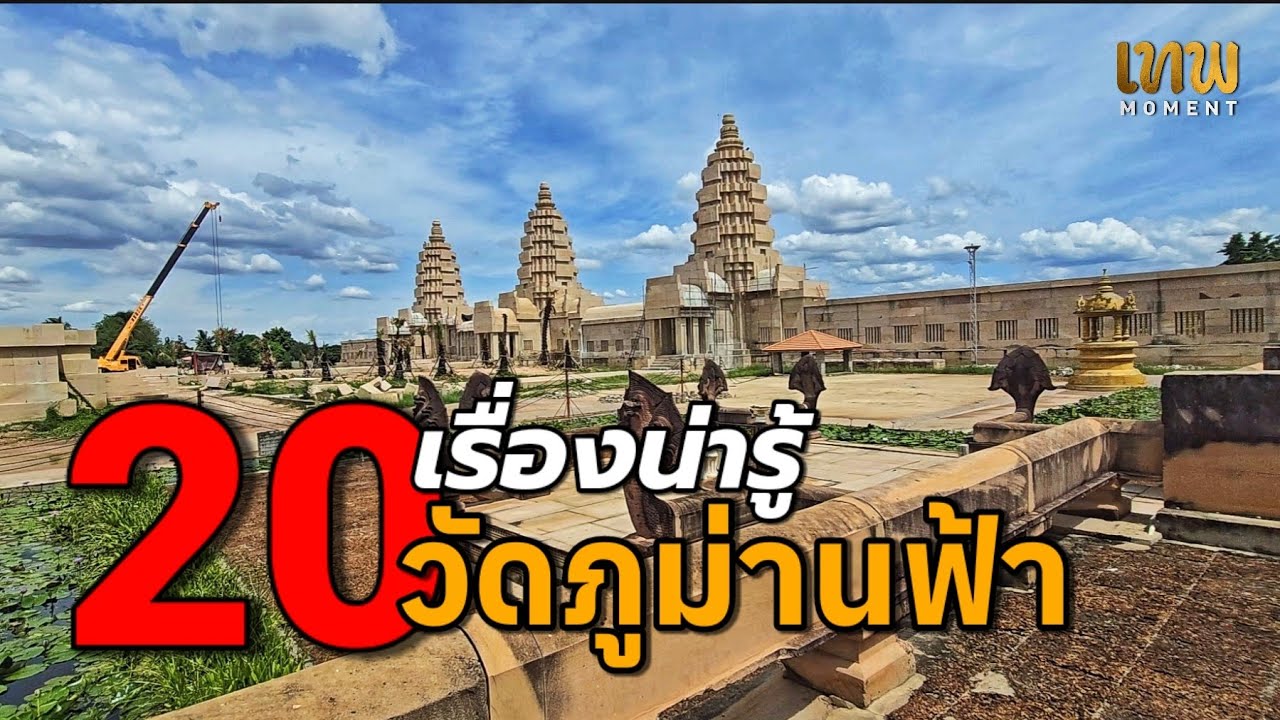
 Click to Access the Navigation Map GPS
Wat Phu Man Fah Map
Recommend

 Art, Culture and Heritage
 Historical Sites and Monuments(14)
 Landmarks and Memorials(2)
 Art, Craft Centres, Tradition(6)
 Museums(3)
 Educational Places
 Museum for Study(1)
Temple(74)
Museum for Study(1)
Temple(74)
 Other Sacred Sites(5)
 Suburban Living
 Village, Community(3)
 Nature and Wildlife
 National Parks and Marine Reserves(2)
 Mountain (Doi)(1)
 Dam, Reservoir, Lake(14)
 River, Canal(1)
 Bays and Beaches(1)
 Other natural attractions(2)
 Entertainment and Agricultural
 Animal camps and shows(1)
 Stadium(2)
 Farms, Parks and Ecotourism(2)
 Waterpark(1)


