
lovethailand home >Northeastern Travel Attractions >Buri Ram Travel Attractions >Prakhon Chai >Prakhon Chai > Sanam Bin Reservoir Non-Hunting Area
TL;DR: Sanam Bin Reservoir Non-Hunting Area is located at Prakhon Chai District, Buriram Province, Along Highway 219 On The Buriram–Prakhon Chai Route, open Daily.

Sanam Bin Reservoir Non-Hunting Area
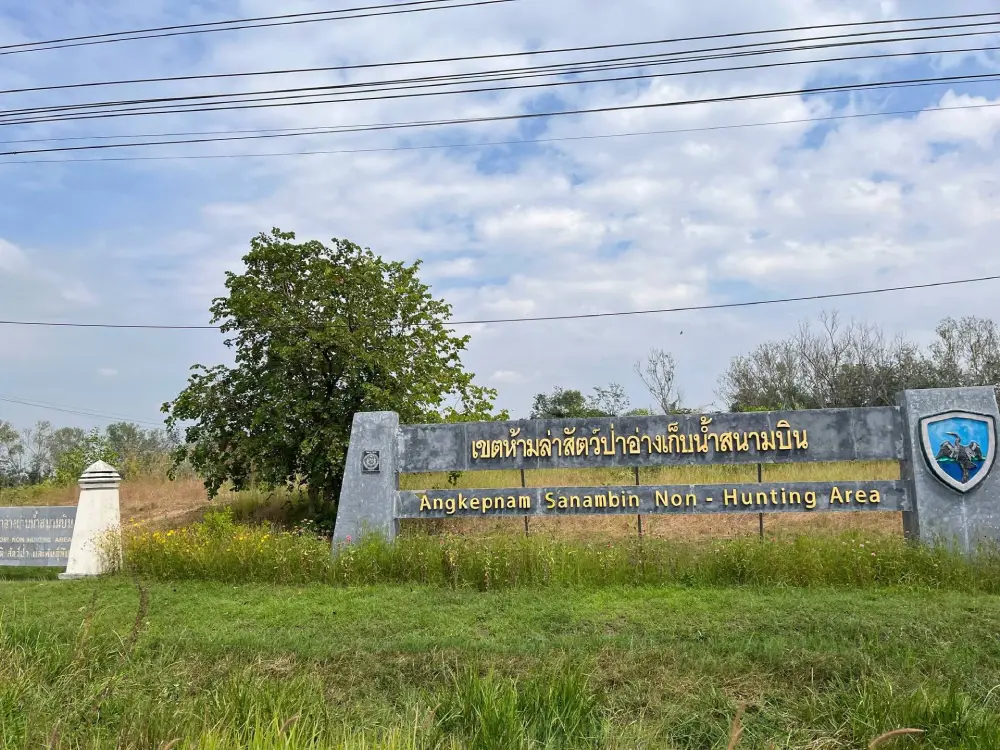
Open Days: Daily
Recommended Visiting Time: Morning To Late Afternoon, Especially During The Birdwatching Season From November To March
Sanam Bin Reservoir Non-Hunting Area in Buriram Province is one of the most meaningful nature-based attractions in Prakhon Chai District. Covering approximately 3,568 rai, the area combines a large reservoir, wetland habitat, waterbird feeding grounds, local recreation space, and historical memory from World War II. It is especially suitable for travelers who enjoy birdwatching, quiet landscapes, nature photography, environmental learning, and slow travel along the Buriram–Prakhon Chai route.
The site has an unusual and important history. During World War II, the Allied forces used this area as an aircraft parking ground for transporting food supplies. After the war ended, the government designated the area for public benefit and local recreation. Over time, because of its extensive water surface, wetland vegetation, and value as a habitat for waterbirds, Sanam Bin Reservoir became an important protected area and a well-known birdwatching site in Buriram Province.
The name Sanam Bin Reservoir directly reflects this historical background. In Thai, sanam bin means airport or airfield. Although the wartime role of the area has long passed, the name preserves the memory of the former airfield. For visitors, this gives the place a deeper identity. It is not only a reservoir or a birdwatching stop, but a landscape that has changed from a wartime support area into a public wetland and wildlife conservation site.
The natural character of the area is defined by open water, wetland edges, aquatic plants, shallow zones, and quiet shoreline habitats. These conditions create feeding and resting areas for many kinds of waterbirds. Small fish, aquatic insects, wetland plants, and organic matter around the reservoir support the food chain. During the cool season and migration period, the reservoir becomes more active as both resident and migratory birds use the area for feeding and resting.
The best time for birdwatching is from November to March, when the weather is cooler and bird activity is easier to observe. Waterbirds recorded or commonly associated with the area include the comb duck, grey duck, ibis, and other wetland birds. Early morning is the best time for serious birdwatchers and photographers because the light is softer, the air is cooler, and birds are more active. Late afternoon is also pleasant for landscape photography and relaxed observation by the water.
The comb duck is one of the most notable bird species connected with Sanam Bin Reservoir Non-Hunting Area. This large waterbird has a distinctive appearance and is not commonly seen in many parts of Thailand. Its presence reflects the ecological value of the reservoir as a safe wetland habitat. Visitors hoping to observe waterbirds should use binoculars or telephoto lenses rather than approaching the birds too closely. Keeping a respectful distance helps prevent disturbance and allows the birds to feed and rest naturally.
Grey ducks and ibises also add interest to the wetland scenery. Ducks are usually seen on open water or shallow areas, while ibises may be observed along muddy edges and wetland vegetation. When several bird species share the same reservoir, visitors can clearly see how the wetland ecosystem works. Some birds swim in open water, some walk along the shoreline, and others stay near aquatic plants. This makes the site valuable for beginners who want to understand wetland bird behavior.
The appeal of Sanam Bin Reservoir lies in its simplicity. It is not a heavily commercialized tourist attraction, but a quiet conservation landscape. Travelers come here to watch birds, enjoy the open view, take photographs, and experience a slower side of Buriram. Those expecting a large developed attraction should adjust their pace and treat the area as a natural observation site. Silence, patience, and respect for wildlife are the key to enjoying this place properly.
The site is also suitable for families, students, and travelers interested in environmental education. It clearly shows why wetlands matter. Children and first-time visitors can learn that waterbirds need safe feeding grounds, clean water, quiet resting areas, and protection from disturbance. Seeing birds in their actual habitat often creates a stronger understanding of conservation than reading about wildlife in a classroom.
For local people in Prakhon Chai, Sanam Bin Reservoir is also a familiar recreation area. Residents use the surroundings for walking, relaxing, enjoying the breeze, and spending quiet time near the water. This local atmosphere gives the place an authentic feeling. Travelers passing through Prakhon Chai on the way to Muang Tam Sanctuary or Phanom Rung Historical Park can stop here to experience a very different side of Buriram: calm water, birdlife, and everyday local scenery.
Wetlands like Sanam Bin Reservoir play an important ecological role. They store water, support biodiversity, provide food sources for wildlife, and help maintain environmental balance in the surrounding area. When water levels are high, aquatic plants and sheltered edges become important habitats. When water levels drop, exposed muddy areas and shallow water can become feeding grounds for shorebirds and waterbirds. These seasonal changes are part of the natural rhythm of the reservoir.
Birdwatchers should prepare basic equipment such as binoculars, a camera, a telephoto lens, a hat, drinking water, and a small notebook for recording sightings. Neutral-colored clothing is recommended. Visitors should avoid loud noises, sudden movements, using bird calls, feeding birds, or walking too close to flocks. Ethical birdwatching means observing from a safe distance and allowing wildlife to behave naturally.
Even for travelers who are not serious birdwatchers, the reservoir is still worth visiting. The broad water surface, open sky, quiet shoreline, and relaxed rural atmosphere make it a pleasant stop. A short visit may take 30 minutes to 1 hour for scenery and photos. Those who come specifically for birdwatching should allow at least 2 to 3 hours, especially in the morning when bird activity is usually higher.
Getting There is straightforward. From Buriram city, take Highway 219 on the Buriram–Prakhon Chai route for about 41 km. The non-hunting area is located on the left-hand side of the road before reaching Prakhon Chai District, approximately 4 km before the district center. Private car, rental car, motorcycle, or hired local transport are the most convenient options. The site is easy to combine with other attractions in southern Buriram.
The location is useful for travel planning because it sits along a key route toward Prakhon Chai, Muang Tam Sanctuary, Phanom Rung Historical Park, and other cultural attractions. A good one-day itinerary can begin in Buriram city, stop at Sanam Bin Reservoir for birdwatching, continue to Prakhon Chai for food, and then visit Muang Tam Sanctuary and Phanom Rung. This route gives travelers a fuller picture of Buriram, combining wetlands, local life, Khmer heritage, and upland historical sites.
Visitors should remember that this is a non-hunting area, not just a viewpoint. Hunting, disturbing wildlife, littering, and entering sensitive habitats are inappropriate. The best way to enjoy the site is to keep the area quiet and clean. If officers or signs provide instructions, visitors should follow them carefully. The purpose of the site is not only recreation but also the protection of wildlife and wetland habitat.
The birdwatching season from November to March is the most rewarding period to visit. Travelers should check the weather, prepare sun protection, and plan for early morning or late afternoon. If visiting after rain, footwear with good grip is recommended because wet or muddy areas may be slippery. Those driving along Highway 219 should park only in safe areas and avoid blocking the road.
From a historical perspective, Sanam Bin Reservoir is a good example of how a place can change its meaning over time. It began as a wartime airfield-related area, later became a public-use reservoir and recreation space, and today is recognized for its ecological value as a waterbird habitat. This layered history makes the site more meaningful than an ordinary reservoir. It reflects memory, public land use, water management, and conservation in one landscape.
For photographers, the best opportunities come from natural light and patience. Morning light works well for birds feeding on the water, while late afternoon is suitable for wide landscape shots, reflections, and atmospheric scenes. A telephoto lens is useful for bird photography because it allows close images without disturbing wildlife. Flash, loud noises, and attempts to force birds to fly should be avoided.
Compared with Buriram’s more famous attractions, Sanam Bin Reservoir Non-Hunting Area is quieter and less dramatic, but it adds an important dimension to travel in the province. Buriram is not only about ancient Khmer temples, football, and motorsport. It also has wetlands, waterbirds, local communities, and natural spaces that support biodiversity. A visit here gives travelers a softer and more peaceful view of the province.
Travelers staying in Prakhon Chai can reach the reservoir easily, especially for early-morning birdwatching. Those staying in Buriram city can also visit as a day trip before continuing to the historical sites in the southern part of the province. The key is to plan around light, weather, and bird activity. A relaxed schedule will make the visit more rewarding than a quick stop.
Sanam Bin Reservoir Non-Hunting Area is therefore a valuable destination for travelers who want to see Buriram through nature, history, and conservation. It preserves the memory of a wartime airfield, serves as a local recreation area, supports the water system of Prakhon Chai, and provides habitat for many waterbirds. The best visit is quiet, respectful, and observant. Its real beauty lies in the open water, the movement of birds, and the calmness of a wetland that continues to support life.
| Name | Sanam Bin Reservoir Non-Hunting Area |
| Location | Prakhon Chai District, Buriram Province, Along Highway 219 On The Buriram–Prakhon Chai Route |
| Address | Along Highway 219, About 4 km Before Prakhon Chai District Center, Buriram Province, Thailand |
| Highlights | Waterbird Watching, Wetland Landscape, Large Reservoir, Former World War II Airfield Area, And Local Recreation Space |
| History | During World War II, The Allied Forces Used The Area As An Aircraft Parking Ground For Food Supply Transport. After The War, It Became Public-Use Land And A Local Recreation Area |
| Name Origin | The Name Sanam Bin Means Airfield Or Airport, Reflecting The Area’s Wartime Use As An Aircraft-Related Site |
| Distinctive Features | Approximately 3,568 rai of reservoir, wetland edges, aquatic vegetation, shoreline habitats, and feeding areas for waterbirds |
| Birdwatching Season | The Main Season Is November–March, With Waterbird Activity Often Continuing Into The Early Hot Season |
| Bird Species | Comb Duck, Grey Duck, Ibis, And Other Waterbirds Using The Reservoir As Feeding And Resting Habitat |
| Travel Information | From Buriram City, Take Highway 219 Toward Prakhon Chai For About 41 km. The Site Is On The Left-Hand Side Before Reaching Prakhon Chai, About 4 km Before The District Center |
| Current Status | A Non-Hunting Area, Waterbird Habitat, Wetland Learning Site, And Nature-Based Recreation Area In Prakhon Chai District |
| Fees | No Admission Fee Information Found |
| Facilities | Reservoir Viewpoints, Resting Areas, Birdwatching Areas, And The Non-Hunting Area Office Near The Main Road |
| Main Areas / Zones | Reservoir Surface, Wetland Zone, Aquatic Plant Zone, Waterbird Observation Area, Shoreline Area, Non-Hunting Area Office, And Local Recreation Area |
| Caretaker | Sanam Bin Reservoir Non-Hunting Area, Department Of National Parks, Wildlife And Plant Conservation |
| Visitor Guidelines | Do Not Hunt, Disturb Birds, Litter, Or Approach Wildlife Too Closely. Observe Birds From A Respectful Distance And Follow Officer Instructions |
| Nearby Tourist Attractions | 1. Marsh Park, About 3 km 2. Prakhon Chai District Center, About 4 km 3. Muang Tam Sanctuary, About 17 km 4. Phanom Rung Historical Park, About 25 km 5. Wat Khao Phra Angkhan, About 32 km 6. Nang Rong District, About 35 km |
| Nearby Restaurants | 1. Laow Fun Prakhon Chai, About 5 km, Tel. 091-020-4464 2. Laangwang Prakhon Chai, About 5 km, Tel. 099-170-9199, 084-605-4324 3. Chai Rad Na, About 5 km, Tel. 091-336-0108 4. Phanarin Roasted Duck Noodles Prakhon Chai, About 5 km, Tel. 095-636-5497, 081-869-6175 5. Kai Yang Lap Ped Huai Thap Than, About 6 km, Tel. 092-453-6163 6. Goody n’ Bakey, About 6 km, Tel. 094-297-8999 |
| Nearby Accommodations | 1. The Village, About 3 km 2. Hotel de l’amour, About 3 km, Tel. 044-651-555 3. Sohground Boutique Resort, About 5 km, Tel. 080-488-3183 4. Eireann Boutique Hotel, About 7 km, Tel. 087-493-9919 5. Phanomrungpuri Boutique Hotel And Resort, About 35 km, Tel. 044-632-222, 086-336-6618 |
Frequently Asked Questions (FAQ)
Q: Where is Sanam Bin Reservoir Non-Hunting Area located?
A: It is located along Highway 219 on the Buriram–Prakhon Chai route, about 4 km before Prakhon Chai District Center and about 41 km from Buriram city.
Q: What kind of travel is Sanam Bin Reservoir suitable for?
A: It is suitable for birdwatching, wetland photography, quiet nature walks, environmental learning, and a short rest stop on the way to Prakhon Chai, Muang Tam, or Phanom Rung.
Q: When is the best time for birdwatching at Sanam Bin Reservoir?
A: The main birdwatching season is from November to March. Early morning and late afternoon are the best times for observing birds and taking photographs.
Q: What birds can be seen at Sanam Bin Reservoir?
A: Birds associated with the area include the comb duck, grey duck, ibis, and other waterbirds that use the reservoir as a feeding and resting habitat.
Q: What is the historical background of Sanam Bin Reservoir?
A: During World War II, the Allied forces used the area as an aircraft parking ground for transporting food supplies. After the war, it became public-use land and a local recreation area.
Q: What should travelers bring when visiting?
A: Travelers should bring binoculars, a camera, drinking water, a hat, comfortable shoes, and neutral-colored clothing for quiet birdwatching without disturbing wildlife.
Q: Which nearby attractions can be combined with a visit?
A: Visitors can combine the trip with Marsh Park, Muang Tam Sanctuary, Phanom Rung Historical Park, Wat Khao Phra Angkhan, and Prakhon Chai District Center.
Q: What should visitors avoid doing in the non-hunting area?
A: Visitors should avoid hunting, disturbing birds, littering, entering sensitive habitats, feeding birds, or getting too close to wildlife.
 Category: ●Nature and Wildlife
 Group: ●National Parks and Marine Reserves
Last Update : 2 MonthAgo
 Last Update : 2 MonthAgo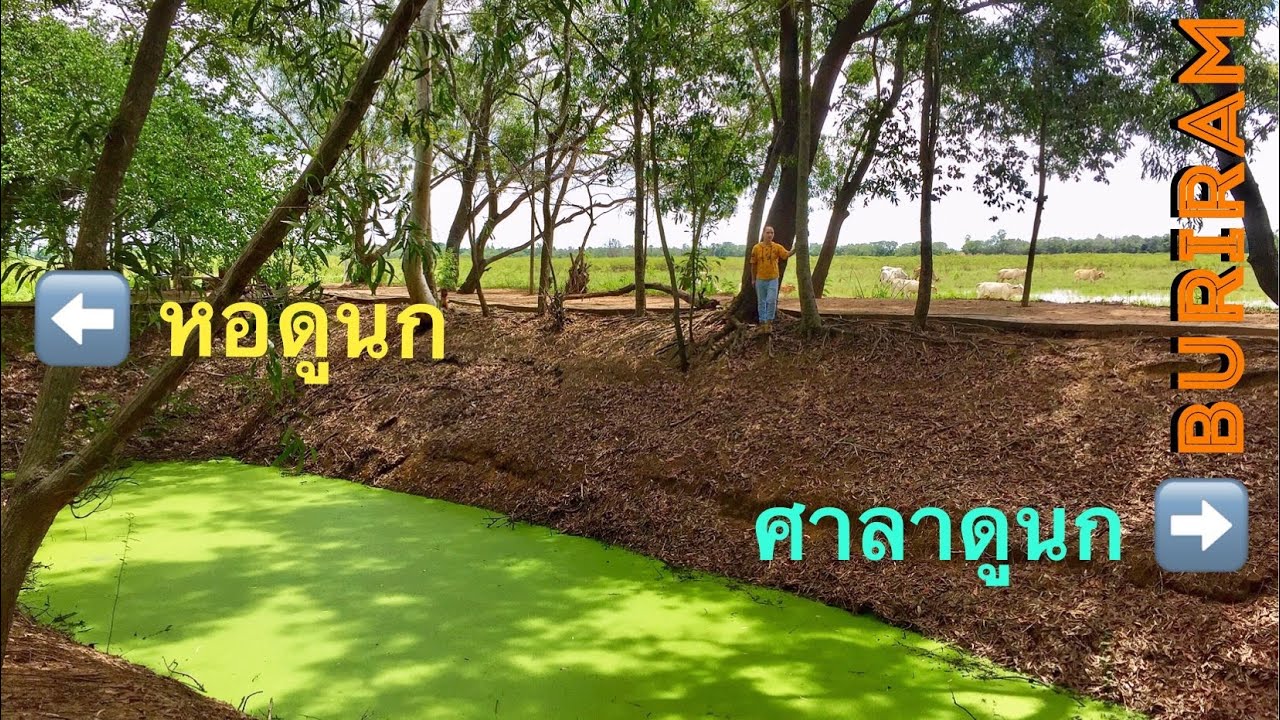
 Click to Access the Navigation Map GPS
Sanam Bin Reservoir Non-Hunting Area Map
Recommend

 Art, Culture and Heritage
 Historical Sites and Monuments(14)
 Landmarks and Memorials(2)
 Art, Craft Centres, Tradition(6)
 Museums(3)
 Educational Places
 Museum for Study(1)
 Places of Worship
 Temple(74)
 Other Sacred Sites(5)
 Suburban Living
 Village, Community(3)
National Parks and Marine Reserves(2)
Village, Community(3)
National Parks and Marine Reserves(2)
 Mountain (Doi)(1)
 Dam, Reservoir, Lake(14)
 River, Canal(1)
 Bays and Beaches(1)
 Other natural attractions(2)
 Entertainment and Agricultural
 Animal camps and shows(1)
 Stadium(2)
 Farms, Parks and Ecotourism(2)
 Waterpark(1)


