
lovethailand home >Northeastern Travel Attractions >Buri Ram Travel Attractions >Muang Buri Ram >Sakae Sam > Bird Park (Suan Nok)
TL;DR: Bird Park (Suan Nok) is located at Sakae Sam Subdistrict, Mueang Buriram District, Buriram Province, open Daily, hours Best Bird-Watching Time 17.00 – 18.00.

Bird Park (Suan Nok)
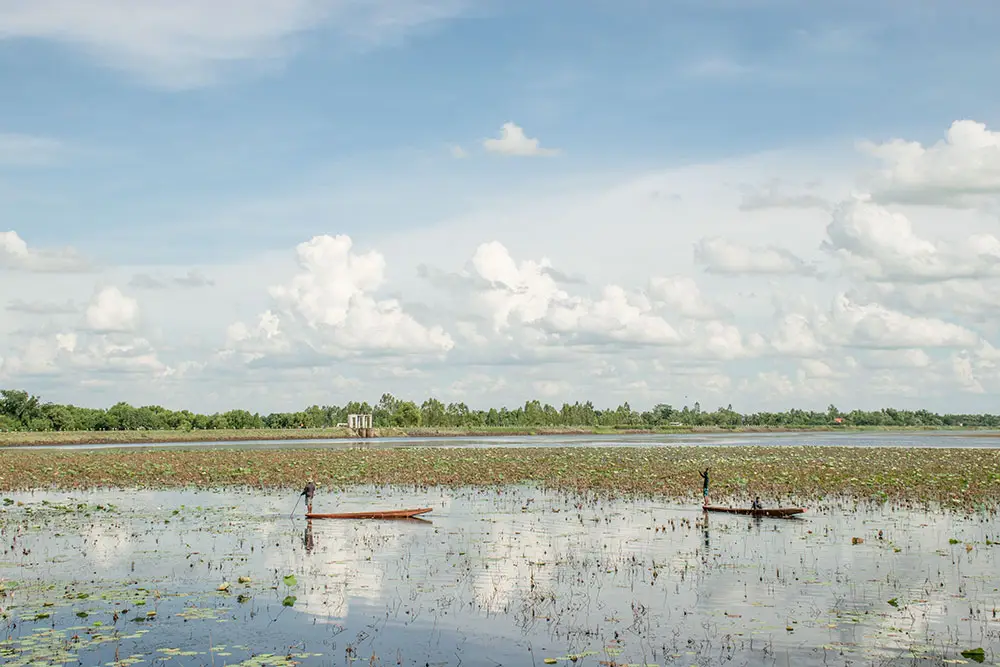
Open Days: Daily
Opening Hours: Best Bird-Watching Time 17.00 – 18.00
Buriram Bird Park, also known as Huai Talat Reservoir and Buriram Bird Park, is located in Sakae Sam Subdistrict, Mueang Buriram District, Buriram Province. The area has been designated as a non-hunting wildlife area since 1992 and is one of the most accessible bird-watching spots near Buriram city. More than 100 bird species have been recorded around the reservoir, especially during the dry season from November to April. The best time to visit is around 17.00 – 18.00, when large flocks of white egrets return to their roosts, creating one of the most memorable natural scenes in Buriram.
Buriram Bird Park is one of the most valuable nature-based attractions in Buriram Province. Located around Huai Talat Reservoir in Sakae Sam Subdistrict, it combines the character of a reservoir, a wetland ecosystem, a local recreation area, and a bird-watching site within a short drive from Buriram city. For foreign travelers, this is a gentle and accessible introduction to the natural side of Buriram. The province is widely known for Khmer stone sanctuaries, football culture, motorsport events, and Phanom Rung Historical Park, but Buriram Bird Park offers a quieter experience shaped by water, birds, evening light, and local community life.
Huai Talat Reservoir is not simply a scenic lake. It is an important wetland landscape that receives water from surrounding areas and supports a wide range of life. The reservoir, its shallow edges, aquatic plants, trees, mudflats, and grass-covered margins create habitats for fish, insects, waterbirds, migratory birds, and other small wildlife. Because the ecosystem offers food, resting areas, and nesting opportunities, many birds use the area throughout the year, with particularly high activity during the dry season from November to April.
The area was designated as a non-hunting wildlife area in 1992, giving it a conservation role beyond local recreation. This designation helps protect birds and other wildlife from hunting and unnecessary disturbance. For travelers, it also means the site should be treated as a living natural habitat, not just a casual picnic spot. The birds seen here are part of a larger wetland system, and their presence reflects the ecological value of the reservoir.
Each year, more than 100 bird species are reported around Buriram Bird Park and Huai Talat Reservoir. The most impressive season is usually from November to April, when dry-season water levels create suitable feeding and resting conditions for many waterbirds. Some birds are common and easy to observe, while others are more unusual and highly valued by birdwatchers. Species associated with the area include egrets, ducks, the lesser whistling duck, the cotton pygmy goose, the Asian openbill, and other wetland birds that may appear depending on season, water level, and habitat conditions.
The best-known scene at Buriram Bird Park happens in the evening. Around 17.00 – 18.00, large numbers of white egrets fly back to their roosts around the reservoir. Visitors who arrive a little earlier can watch the light change over the water, choose a good viewpoint, and wait for the first groups of birds to appear. As the sky softens and the day cools down, lines of birds begin to move across the open air before settling among the trees. This natural rhythm is the main reason many local visitors recommend the evening as the best time to visit.
For travelers who enjoy photography, the late afternoon and early evening light is ideal. The surface of the reservoir reflects the sky, the birds appear in contrast against the fading light, and the wide-open landscape allows clear compositions. A telephoto lens is useful, but even a mobile phone can capture the atmosphere if visitors focus on wide scenes, reflections, silhouettes, and the movement of flocks. The best images usually come from patience rather than speed. Standing quietly and allowing the birds to move naturally produces better results than approaching them too closely.
Buriram Bird Park is also a practical place for beginners who want to learn birdwatching. Unlike remote national parks or deep forest trails, this wetland can be observed from accessible areas around the reservoir. Beginners can start by noticing simple features: body size, color, bill shape, leg length, flight pattern, feeding behavior, and whether birds gather in groups or stay alone. Egrets often move through shallow water, ducks may float or feed on the surface, and migratory birds may appear only in particular seasons. A pair of binoculars makes the experience more rewarding, but it is not essential for enjoying the evening flight.
Although the name emphasizes birds, the destination offers more than birdwatching. Huai Talat Reservoir is also a peaceful recreational area for local residents. People come here to sit by the water, walk, exercise, take photographs, enjoy the breeze, or spend time with family. On some days, especially during weekends or community activity periods, local food stalls and small vendors add a relaxed social atmosphere to the reservoir. This makes the site suitable for travelers who want both nature and an easygoing local experience.
For families, Buriram Bird Park is a useful outdoor learning destination. Children can see how water, aquatic plants, fish, insects, birds, and people are connected in the same environment. The site demonstrates why wetlands matter: they provide food, shelter, breeding areas, and migration support for wildlife. Instead of learning conservation only from books or screens, visitors can see the living system directly. This makes the reservoir a meaningful place for school trips, family outings, and informal environmental education.
Responsible behavior is essential when visiting Buriram Bird Park. Visitors should avoid loud noise, never throw objects into the water, keep a respectful distance from birds and roosting areas, and avoid disturbing nests or resting birds. Flash photography and bright lights should not be used to disturb birds in the evening. Feeding wildlife is also discouraged because it can change natural behavior and create dependence. The best way to enjoy the birds is to watch quietly, take photos from a suitable distance, and leave the area clean.
The wetland atmosphere of Huai Talat Reservoir is simple but memorable. It is not a highly built-up tourist attraction. Its appeal comes from open water, reeds, trees, broad sky, evening wind, and the movement of birds. Travelers who enjoy slow travel will find that the site rewards stillness. The longer one waits, the more details appear: small birds along the edge of the water, groups of egrets shifting positions, the sound of wings, reflections in the water, and the gradual movement of the landscape from day into dusk.
Getting There is straightforward by private car, taxi, or local vehicle. From Buriram city, drive approximately 12 km along Highway 219 on the Buriram-Prakhon Chai route. Near Ban Khok Tan Health Station, turn left and continue for about 2.5 km to reach the Huai Talat Reservoir area. Because the best viewing time is in the late afternoon, many travelers leave Buriram city in the mid-afternoon, arrive early enough to walk around or relax by the water, and stay until the birds return to their roosts.
Travelers using motorcycles should be careful when returning after sunset because light conditions can change quickly. Families with children or older visitors should bring drinking water, hats, mosquito repellent, and comfortable shoes. The reservoir edge can be humid, and some surfaces may be uneven after rain. Simple preparation makes the visit safer and more enjoyable, especially for those who plan to stay until the evening bird movement is complete.
A half-day itinerary can combine Buriram Bird Park with Khao Kradong Forest Park. Visitors can explore the volcanic hill area in the afternoon, then continue to Huai Talat Reservoir for the evening bird flight. Afterward, they can return to Buriram city or the Chang Arena area for dinner. This route is convenient because all stops are relatively close to the city and suitable for travelers with limited time.
A full-day nature and city itinerary can include the Thai Crane Wetland Learning Center, Huai Chorakhe Mak Reservoir, Khao Kradong Forest Park, Chang Arena, Buriram Castle, and Buriram Bird Park. This combination presents Buriram in several layers: wetland conservation, local ecology, volcanic landscape, modern sports culture, and evening nature. It is a good route for travelers who want to experience more than only the famous stone temples.
Buriram Bird Park also helps expand the image of Buriram as a province with both modern energy and quiet natural spaces. While many visitors come for football, racing, or historical parks, Huai Talat Reservoir offers a softer rhythm. It shows that within a short distance from the city, Buriram still has an active wetland where birds gather, local people relax, and travelers can slow down. This contrast makes the destination especially useful for those planning a balanced trip.
The conservation value of the site should not be underestimated. Wetlands may appear ordinary at first glance, but they are among the most productive ecosystems for wildlife. They filter water, support fish, host aquatic plants, attract birds, and provide community benefits. If litter, pollution, excessive noise, or careless tourism increases, the natural balance can decline. For this reason, every visitor plays a small role in protecting the place. Taking rubbish away, staying on suitable paths, and respecting wildlife are simple actions that help keep Buriram Bird Park healthy.
For foreign travelers seeking a local and low-key experience in Buriram, this destination is worth adding to the itinerary. It does not require a full day, expensive equipment, or difficult access. What it requires is timing and attention. Arrive in the late afternoon, slow down by the reservoir, watch the light, and wait for the birds. The reward is a natural scene that feels authentic, peaceful, and closely connected to the landscape of Buriram.
Buriram Bird Park is therefore more than an evening viewpoint. It is a wetland habitat, a bird sanctuary, a community recreation area, and a gentle outdoor classroom. The sight of thousands of white birds returning to their roosts is beautiful, but its deeper meaning lies in the fact that such wildlife still finds a home close to the city. For anyone who wants to understand Buriram beyond sports arenas and ancient temples, Huai Talat Reservoir and Buriram Bird Park offer a calm, meaningful, and memorable natural experience.
| Name | Buriram Bird Park / Huai Talat Reservoir and Buriram Bird Park |
| Location | Sakae Sam Subdistrict, Mueang Buriram District, Buriram Province |
| Address | Sakae Sam Subdistrict, Mueang Buriram District, Buriram 31000, Thailand |
| Highlights | Accessible bird-watching site near Buriram city, famous for evening flocks of white egrets returning to their roosts around Huai Talat Reservoir |
| History | Huai Talat Reservoir was designated as a non-hunting wildlife area in 1992 to protect birds and wetland wildlife |
| Distinctive Features | Wetland and reservoir habitat with more than 100 bird species, especially active during the dry season from November to April |
| Notable Birds | Egrets, ducks, lesser whistling duck, cotton pygmy goose, Asian openbill, and other seasonal wetland birds |
| Best Time to Visit | November – April, especially around 17.00 – 18.00 when birds return to their roosts |
| Travel Information | From Buriram city, drive about 12 km along Highway 219 on the Buriram-Prakhon Chai route, then turn left near Ban Khok Tan Health Station and continue about 2.5 km |
| Current Status | Nature attraction, local recreation area, and important wetland non-hunting area for waterbird conservation |
| Open Days | Daily |
| Opening Hours | Best bird-watching time 17.00 – 18.00 |
| Fees | Free admission |
| Facilities | Reservoir viewpoint, resting areas, parking areas, walking route around parts of the reservoir, and community stalls during some periods |
| Main Areas / Zones | 1. Huai Talat Reservoir area 2. Evening bird-watching area 3. Tree line and bird roosting area 4. Waterfront recreation area 5. Reservoir-side scenic route 6. Community stall and resting area during some periods |
| Caretaker / Related Authorities | Huai Talat Reservoir Non-Hunting Area, local authorities in Sakae Sam Subdistrict, and the bird park area associated with Khun Sawat Khotseni’s residence |
| Main Contact Number | 0 4460 5169 |
| Nearby Tourist Attractions | 1. Khao Kradong Forest Park, about 6 km 2. Thai Crane Wetland Learning Center, about 9 km 3. Huai Chorakhe Mak Reservoir, about 10 km 4. Chang Arena, about 12 km 5. Chang International Circuit, about 12 km 6. Buriram Castle, about 12 km 7. King Rama I Monument, about 14 km |
| Nearby Restaurants | 1. Many Moons Cafe at Huai Talat Reservoir, about 1 km 2. Cha Kafae - Khao Kradong, about 6 km, Tel. 091-137-6933 3. Aroi Ban Lap, about 6 km, Tel. 092-668-2560 4. Idea Mookata, about 7 km, Tel. 093-536-4463, 082-123-3346 5. MehaiMena, about 8 km, Tel. 083-038-6219, 063-952-6195 6. Krua Phu Kong Add, about 9 km, Tel. 084-383-8416 |
| Nearby Accommodations | 1. Tuscany Hotel Buriram, about 6 km, Tel. 088-635-9163 2. Buriram Judy Park & Resort, about 7 km, Tel. 090-249-4402, 044-116-152 3. Cresco Hotel Buriram, about 9 km, Tel. 044-634-901 4. Modena by Fraser Buriram, about 10 km, Tel. 044-118-188 5. Amari Buriram United, about 10 km, Tel. 044-111-444 6. HOP INN Buriram, about 15 km, Tel. 063-205-7360 |
Frequently Asked Questions (FAQ)
Q: Where is Buriram Bird Park located?
A: Buriram Bird Park is located around Huai Talat Reservoir in Sakae Sam Subdistrict, Mueang Buriram District, Buriram Province, about 12 km from Buriram city.
Q: When is the best time to visit Buriram Bird Park?
A: The best season is from November to April, and the best time of day is around 17.00 – 18.00 when large flocks of birds return to their roosts.
Q: What birds can visitors see at Buriram Bird Park?
A: Visitors may see egrets, ducks, lesser whistling ducks, cotton pygmy geese, Asian openbills, and other seasonal wetland birds.
Q: Is there an admission fee for Buriram Bird Park?
A: Admission is free, making it suitable for families, nature lovers, photographers, and travelers looking for an easy nature stop near Buriram city.
Q: How do I get to Buriram Bird Park?
A: From Buriram city, take Highway 219 toward Prakhon Chai for about 12 km, turn left near Ban Khok Tan Health Station, and continue for about 2.5 km to the reservoir area.
Q: Who should visit Buriram Bird Park?
A: The site is ideal for families, beginner birdwatchers, nature photographers, students, and travelers who want a peaceful wetland experience near the city.
Q: What should visitors bring?
A: Visitors should bring drinking water, a hat, mosquito repellent, comfortable shoes, a camera, and binoculars if they want a better bird-watching experience.
Q: What nearby attractions can be combined with Buriram Bird Park?
A: Nearby attractions include Khao Kradong Forest Park, the Thai Crane Wetland Learning Center, Huai Chorakhe Mak Reservoir, Chang Arena, Buriram Castle, and Chang International Circuit.
 Category: ●Entertainment and Agricultural
 Group: ●Animal camps and shows
Last Update : 3 MonthAgo
 Last Update : 3 MonthAgo
 Click to Access the Navigation Map GPS
Bird Park (Suan Nok) Map
Recommend

 Art, Culture and Heritage
 Historical Sites and Monuments(14)
 Landmarks and Memorials(2)
 Art, Craft Centres, Tradition(6)
 Museums(3)
 Educational Places
 Museum for Study(1)
 Places of Worship
 Temple(74)
 Other Sacred Sites(5)
 Suburban Living
 Village, Community(3)
 Nature and Wildlife
 National Parks and Marine Reserves(2)
 Mountain (Doi)(1)
 Dam, Reservoir, Lake(14)
 River, Canal(1)
 Bays and Beaches(1)
 Other natural attractions(2)
Animal camps and shows(1)
Other natural attractions(2)
Animal camps and shows(1)
 Stadium(2)
 Farms, Parks and Ecotourism(2)
 Waterpark(1)


