
lovethailand home >Northeastern Travel Attractions >Buri Ram Travel Attractions >Muang Buri Ram >Chum Het > Wat Nong Phai Noi (Chum Het)
TL;DR: Wat Nong Phai Noi (Chum Het) is located at Ban Nong Phai Noi, Chum Het Subdistrict, Mueang Buri Ram District, Buri Ram Province, open Daily, hours 08.00 – 17.00.
Wat Nong Phai Noi (Chum Het)
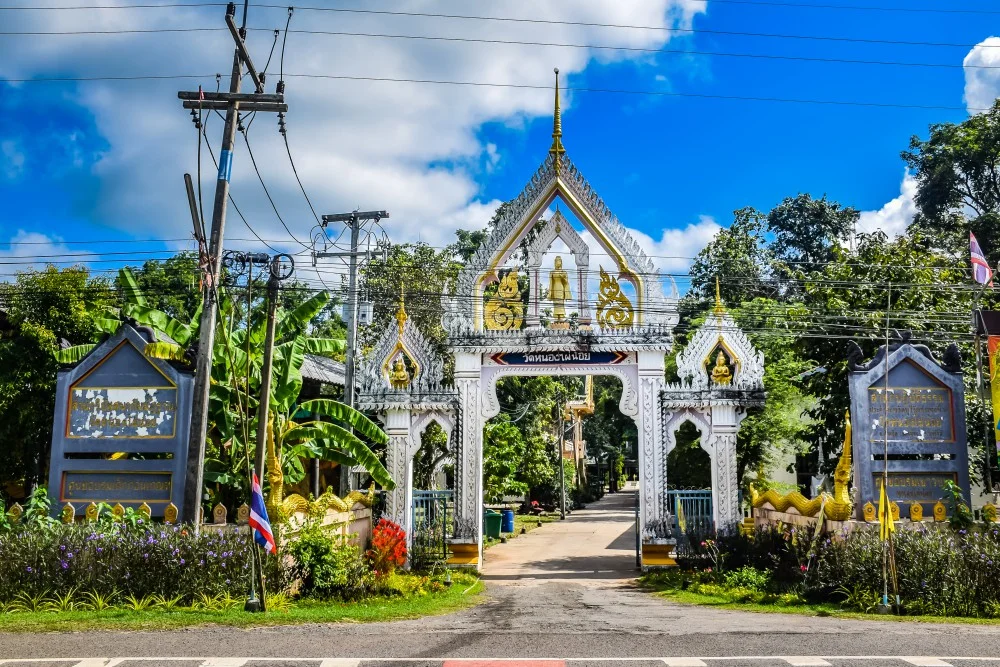
Open Days: Daily
Opening Hours: 08.00 – 17.00
Wat Nong Phai Noi (Chum Het) is an important community temple in Ban Nong Phai Noi, Chum Het Subdistrict, Mueang Buri Ram District, Buri Ram Province. Belonging to the Maha Nikaya Buddhist order, the temple is known for its strong role in religious practice, Buddhist education, community learning, early childhood care, provincial meditation activities, Dhamma and Pali studies, and a Thai cultural community project with a local folk museum. It is a meaningful place for travelers who want to experience a quieter, more community-based side of Buri Ram beyond the city’s major stadiums, volcanic hills, and historical landmarks.
Wat Nong Phai Noi (Chum Het) is located in Ban Nong Phai Noi, Moo 5, Chum Het Subdistrict, Mueang Buri Ram District, Buri Ram Province. It is a local Buddhist temple under the Maha Nikaya order and has long served as a spiritual and social centre for the Nong Phai Noi community. The temple is not only a place for merit-making and Buddhist ceremonies, but also a community institution connected with education, meditation, cultural preservation, early childhood development, and local learning. For visitors, this temple offers an opportunity to understand how a Thai community temple continues to function in daily life.
The temple stands within Chum Het Subdistrict, a semi-urban area close to Buri Ram city. From here, travelers can easily continue to other important places in the city, including Buriram Rajabhat University, the King Rama I Monument, Buri Ram City Pillar Shrine, Chang Arena, Buriram Castle, Chang International Circuit, and Khao Kradong Forest Park. This convenient location makes Wat Nong Phai Noi suitable for a half-day cultural visit or as part of a broader Buri Ram city itinerary that combines temples, local communities, food, history, sports culture, and nature.
Wat Nong Phai Noi has a significant role within the Buddhist community of Mueang Buri Ram District. Local cultural records identify the temple as a residence connected with the district ecclesiastical leadership of Mueang Buri Ram under the Maha Nikaya order. The current abbot is Phra Khru Sathit Silawat, also known as Theeraphat Phatthasilo. Because of this connection, the temple is known not only as a village temple but also as a Buddhist centre with wider responsibilities in religious and community activities.
The name “Nong Phai Noi” reflects the identity of the village where the temple is located. In Thai place names, the word “nong” often refers to a pond, marsh, or local water source, while “phai” refers to bamboo. The name therefore carries a sense of local landscape and community memory. Rather than being named after a grand monument or royal event, the temple takes its name from the village itself, showing how closely it is tied to the people and environment of Chum Het.
One of the most distinctive aspects of Wat Nong Phai Noi is its multi-functional role. Within the same temple compound, visitors can find spaces for Buddhist ceremonies, community gatherings, provincial meditation activities, early childhood care, Dhamma and Pali education for monks and novices, a Thai cultural community project, and a local folk museum. These functions make the temple more than a place of worship. It is a learning space for children, youth, monks, novices, local residents, and visitors who want to understand Thai community life.
The temple’s role as a provincial meditation centre is especially important. Meditation centres in Thai temples provide a place for people to train mindfulness, practise calmness, and study Buddhist principles in a peaceful environment. Wat Nong Phai Noi offers the kind of quiet temple atmosphere that supports reflection and self-discipline. Visitors should therefore behave respectfully, speak softly, and avoid disturbing those who may be practising meditation or participating in temple activities.
The early childhood training centre within the temple reflects another important function of Thai temples in community life. In many local communities, temples have long been connected with education and social care. At Wat Nong Phai Noi, young children are introduced to discipline, basic learning, community values, and Thai cultural foundations within a temple environment. This connection between home, temple, school, and local administration remains one of the important social structures in Thai communities.
The temple also serves as a school for Dhamma and Pali studies. This function is significant for monks and novices who are pursuing Buddhist education. Dhamma and Pali studies help preserve Buddhist teachings, monastic discipline, scriptural knowledge, and the intellectual traditions of Thai Buddhism. Wat Nong Phai Noi therefore contributes to religious education at the local level, allowing monks and novices to continue learning while remaining connected with the community.
Another valuable feature of Wat Nong Phai Noi is its Thai cultural community project and local folk museum. A folk museum inside a community temple is more than a display of old objects. It is a place where local memory, traditional tools, photographs, stories, and community knowledge are gathered for future generations. For travelers, this offers a deeper view of Buri Ram as a lived cultural landscape, not only as a province of ancient Khmer temples, sports venues, or volcanic attractions.
From a community perspective, Wat Nong Phai Noi brings together several groups of people. On ordinary days, it is a place for worship, merit-making, and monastic routines. During Buddhist festivals, it becomes a gathering point for villagers. During educational activities, it serves children, monks, and novices. During cultural events, it becomes a space for preserving local memory. This layered role makes the temple a meaningful place for those who want to see how Buddhism and community life are still closely connected in Thailand.
The atmosphere of Wat Nong Phai Noi is best appreciated slowly. It is not a temple designed primarily for quick photo stops or large-scale tourism. Its value lies in simplicity, continuity, and real community use. Visitors can walk quietly through the compound, observe the ceremonial spaces, see the community activity areas, and experience the calm rhythm of a local temple. This kind of visit is especially rewarding for travelers interested in cultural depth rather than only major landmarks.
For those interested in Buddhism, Wat Nong Phai Noi is a good example of a Maha Nikaya community temple with several working functions. It supports ceremonies, meditation, Buddhist education, early childhood care, cultural preservation, and public activities. Temples like this are important because they make Buddhism accessible to everyday people. Local residents come to the temple not only for rituals but also for learning, community support, and social connection.
Travelers who visit for merit-making can pay respect, join Buddhist observances, or participate in temple activities on important religious days. Events such as Makha Bucha Day, Visakha Bucha Day, Asalha Bucha Day, Buddhist Lent, the End of Buddhist Lent, and the Kathin season are especially important in Thai temple life. During such occasions, visitors should dress modestly, arrive with respect, and follow the guidance of monks and local organizers.
The Kathin ceremony is one of the most important annual events for Thai Buddhist temples, and Wat Nong Phai Noi continues to play a role in this tradition. Kathin takes place after the Buddhist Lent period and involves the offering of robes and donations to support the monastery. Beyond its religious meaning, the ceremony shows the strength of community faith, cooperation, food sharing, and collective merit-making. Visitors who come during a temple festival will see a livelier and more communal side of the temple.
The local folk museum and cultural project give the temple another layer of meaning. They allow visitors to see how community knowledge can be preserved within a temple setting. The objects and stories connected with the museum represent daily life, local wisdom, traditional tools, and the memories of villagers. In this way, the temple becomes both a sacred place and a cultural archive for Chum Het.
Wat Nong Phai Noi is suitable for travelers who want to experience Buri Ram beyond the most famous attractions. Buri Ram is widely known for its Khmer heritage, volcanic landscapes, football culture, and large public landmarks. A community temple like Wat Nong Phai Noi adds another perspective: the everyday cultural life of local people. Visiting the temple helps travelers understand how faith, education, and community identity are woven into ordinary life.
Families can also find value in visiting the temple. Adults can make merit and learn about the community, while children can see how a temple can also be connected with education and culture. Elderly visitors may appreciate the quieter atmosphere compared with crowded tourist spots. A typical visit may take 30 minutes to 1 hour, but travelers who want to learn more about the folk museum or join temple activities should allow extra time and contact the temple in advance.
Geographically, Wat Nong Phai Noi is located along Provincial Highway 2151 in Chum Het Subdistrict. Its coordinates are 15.02858, 103.06574. Travelers with private cars can easily navigate to the temple by name or coordinates. Those without private vehicles can use local taxis, ride-hailing services, or hired transport from Buri Ram city. It is advisable to agree on the fare and return arrangement before departure, especially when traveling outside the main city area.
Getting There from Buri Ram city is straightforward. Head toward Chum Het Subdistrict and connect to Provincial Highway 2151, then continue to Ban Nong Phai Noi, Moo 5. The journey from the city centre is short and suitable for a morning or afternoon visit. Travelers starting from Buri Ram Railway Station or the provincial bus terminal can hire local transport into Chum Het. Those planning to continue sightseeing can combine the temple with the King Rama I Monument, Buri Ram City Pillar Shrine, Chang Arena, Buriram Castle, or Khao Kradong Forest Park.
The best time to visit Wat Nong Phai Noi is in the morning or late afternoon, when the weather is more comfortable and the temple atmosphere is calm. Visitors who wish to join religious activities may choose Buddhist holy days or important festival periods. Those seeking a quiet visit should come on ordinary weekdays, when the temple is less crowded. Since the temple also includes educational and community-use areas, visitors should be mindful of children, monks, and local residents using the space.
Appropriate dress and behaviour are important. Shoulders and knees should be covered, voices should be kept low, and shoes should be removed before entering sacred buildings. Visitors should avoid entering classrooms, meditation areas, or community rooms without permission. Photography should be done respectfully, especially when monks, children, or local residents are present. Such consideration helps preserve the peaceful atmosphere of the temple.
Those interested in the folk museum should contact the temple or caretaker before visiting. Community museums may open according to local schedules or during specific activities. Contacting ahead can help visitors receive more accurate information and may also provide an opportunity to hear stories from local people, which often makes the visit far more meaningful than simply viewing objects.
The main areas of Wat Nong Phai Noi include the Buddhist ceremonial zone, the community activity hall, the provincial meditation centre, the early childhood training centre, the Dhamma and Pali study area, the Thai cultural community project, the folk museum, and festival or food-offering areas used during important merit-making events. These zones show how one temple can serve many functions at once: worship, education, meditation, childcare, culture, and community gathering.
When included in a Buri Ram city itinerary, Wat Nong Phai Noi can be visited before or after the main city landmarks. A practical route may begin with a quiet morning visit to the temple, followed by the King Rama I Monument and Buri Ram City Pillar Shrine, then lunch at a local restaurant or café, and later continue to Chang Arena, Buriram Castle, or Khao Kradong Forest Park. This route gives travelers a balanced experience of local faith, city identity, food, sports culture, and nature.
For travelers who prefer meaningful cultural experiences, Wat Nong Phai Noi works well as a case study of a community temple in the lower northeastern region of Thailand. It combines monastic leadership, education, meditation, early childhood care, and cultural preservation in one place. These elements show that Thai temples are not separate from everyday life. They are places of learning, memory, social care, and spiritual refuge.
The area around Wat Nong Phai Noi has several restaurants, cafés, and accommodations in Chum Het and Buri Ram city. After visiting the temple, travelers can continue to cafés near Buriram Rajabhat University, local noodle shops, Thai restaurants, or casual dining venues in town. Those staying overnight can choose accommodation in Chum Het or the city centre depending on budget, transport, and travel plans.
Because the temple is close to the city but still retains a community atmosphere, Wat Nong Phai Noi is a good choice for travelers who want to avoid crowded landmark-based travel. It offers a quieter and more grounded experience. Visitors can see how a temple continues to support community life, how monks remain connected with local residents, and how cultural heritage can be preserved within a village temple rather than only in large museums.
Wat Nong Phai Noi deserves a place in cultural travel routes around Buri Ram, especially for those interested in temples, Buddhist practice, community culture, local education, and folk museums. Its strength lies in its many roles: a temple residence connected with ecclesiastical leadership, a provincial meditation centre, an early childhood training centre, a Dhamma and Pali school, and a community cultural learning space. A visit here is therefore not only about worship, but also about understanding the social and cultural structure of a Thai community.
In summary, Wat Nong Phai Noi (Chum Het) is a valuable community temple with religious, educational, and cultural importance. It is easy to reach from Buri Ram city and offers a peaceful insight into local Buddhist life. With its meditation centre, early childhood training centre, Dhamma and Pali education, Thai cultural project, and folk museum, the temple is a meaningful destination for travelers who want to experience Buri Ram in a slower, deeper, and more community-oriented way.
| Name | Wat Nong Phai Noi (Chum Het) |
| Location | Ban Nong Phai Noi, Chum Het Subdistrict, Mueang Buri Ram District, Buri Ram Province |
| Address | Moo 5, Ban Nong Phai Noi, Provincial Highway 2151, Chum Het Subdistrict, Mueang Buri Ram District, Buri Ram Province 31000, Thailand |
| Coordinates | 15.02858, 103.06574 |
| Highlights | Maha Nikaya community temple, provincial meditation centre, early childhood training centre, Dhamma and Pali school, Thai cultural community project, and local folk museum |
| History / Key Role | An important temple of Ban Nong Phai Noi and Chum Het Subdistrict, connected with Buddhist leadership in Mueang Buri Ram District and serving as a centre for religion, education, meditation, and community culture |
| Name Origin | The temple name comes from Ban Nong Phai Noi, reflecting local landscape, water sources, bamboo-related memory, and community identity in Chum Het |
| Distinctive Features | A multi-functional temple that serves as a sacred site, learning centre, youth training space, meditation venue, and folk culture repository |
| Travel Information | From Buri Ram city, head toward Chum Het Subdistrict and connect to Provincial Highway 2151, then continue to Ban Nong Phai Noi, Moo 5. The temple is accessible by private car, local taxi, or hired transport from the city. |
| Current Status | An active community temple open for worship, merit-making, Buddhist activities, and local community use |
| Open Days | Daily |
| Opening Hours | 08.00 – 17.00 |
| Facilities | Parking area, ceremonial hall, community activity space, children’s learning area, meditation area, Dhamma and Pali study area, and local folk museum |
| Main Areas / Zones | 1. Buddhist Ceremonial Zone 2. Community Hall And Activity Area 3. Provincial Meditation Centre 4. Early Childhood Training Centre / Wat Nong Phai Noi Child Development Centre 5. Dhamma And Pali Study School 6. Thai Cultural Community Project 7. Local Folk Museum 8. Merit-Making And Food-Offering Areas During Festivals |
| Abbot / Caretaker | Phra Khru Sathit Silawat (Theeraphat Phatthasilo) |
| Caretaker Contact Number | 089-426-1599 |
| Official Website / Official Page | Facebook Page: Wat Nong Phai Noi, Buri Ram Province |
| Nearby Tourist Attractions | 1. Buriram Rajabhat University, about 3 km 2. King Rama I Monument, about 5 km 3. Buri Ram City Pillar Shrine, about 6 km 4. Chang Arena, about 9 km 5. Buriram Castle, about 9 km 6. Chang International Circuit, about 10 km 7. Khao Kradong Forest Park, about 14 km |
| Nearby Restaurants | 1. Unique Cafe' Buriram Rajabhat University, about 3 km, Tel. 064-449-4464 2. Suki Desu Bakery Buriram, about 5 km, Tel. 090-995-6765 3. Chef Plus Cafe'&Bistro, about 6 km, Tel. 083-077-7800, 095-604-1487 4. Yen Ta Fo Chao Kao BAAC Branch, about 6 km, Tel. 095-616-4472, 082-133-8799 5. Ruean Saen Suk Restaurant Buriram, about 7 km, Tel. 091-871-8464 6. Kai Jeaw Pa La Chum Het, about 7 km, Tel. 064-182-9790 |
| Nearby Accommodations | 1. Pattara House, about 3 km, Tel. 044-111-182 2. Lemon Resort Buriram, about 4 km, Tel. 044-621-447, 085-479-1422 3. Kesorn Boutique Hotel, about 5 km, Tel. 091-020-9442 4. Boss Resort, about 5 km, Tel. 088-595-1516 5. Nuanrudee Resort, about 5 km, Tel. 080-474-1137 6. Rungnatee Place & Boutique Hotel, about 6 km, Tel. 098-587-0878 |
Frequently Asked Questions (FAQ)
Q: Where is Wat Nong Phai Noi (Chum Het) located?
A: Wat Nong Phai Noi is located in Ban Nong Phai Noi, Moo 5, Chum Het Subdistrict, Mueang Buri Ram District, Buri Ram Province, along Provincial Highway 2151.
Q: Why is Wat Nong Phai Noi important?
A: It is an active Maha Nikaya community temple with roles in Buddhist worship, meditation, early childhood training, Dhamma and Pali education, and local cultural preservation.
Q: Who is the abbot of Wat Nong Phai Noi?
A: The abbot is Phra Khru Sathit Silawat, also known as Theeraphat Phatthasilo.
Q: What are the opening hours of Wat Nong Phai Noi?
A: The temple is open daily from 08.00 to 17.00. Visitors who want to see the folk museum or join specific activities should contact the temple in advance.
Q: What can visitors see inside Wat Nong Phai Noi?
A: Visitors can see the Buddhist ceremonial areas, provincial meditation centre, early childhood training centre, Dhamma and Pali study area, Thai cultural community project, and local folk museum.
Q: How can travelers get to Wat Nong Phai Noi from Buri Ram city?
A: Travelers can head toward Chum Het Subdistrict, connect to Provincial Highway 2151, and continue to Ban Nong Phai Noi. The temple is accessible by private car, local taxi, or hired transport from the city.
Q: What type of travelers should visit Wat Nong Phai Noi?
A: The temple is suitable for travelers interested in community temples, Buddhism, meditation, local education, folk culture, and a quieter side of Buri Ram.
Q: What nearby attractions can be combined with Wat Nong Phai Noi?
A: Visitors can combine the temple with Buriram Rajabhat University, King Rama I Monument, Buri Ram City Pillar Shrine, Chang Arena, Buriram Castle, Chang International Circuit, and Khao Kradong Forest Park.
 Category: ●Places of Worship
 Group: ●Temple
Last Update : 2 MonthAgo
 Last Update : 2 MonthAgo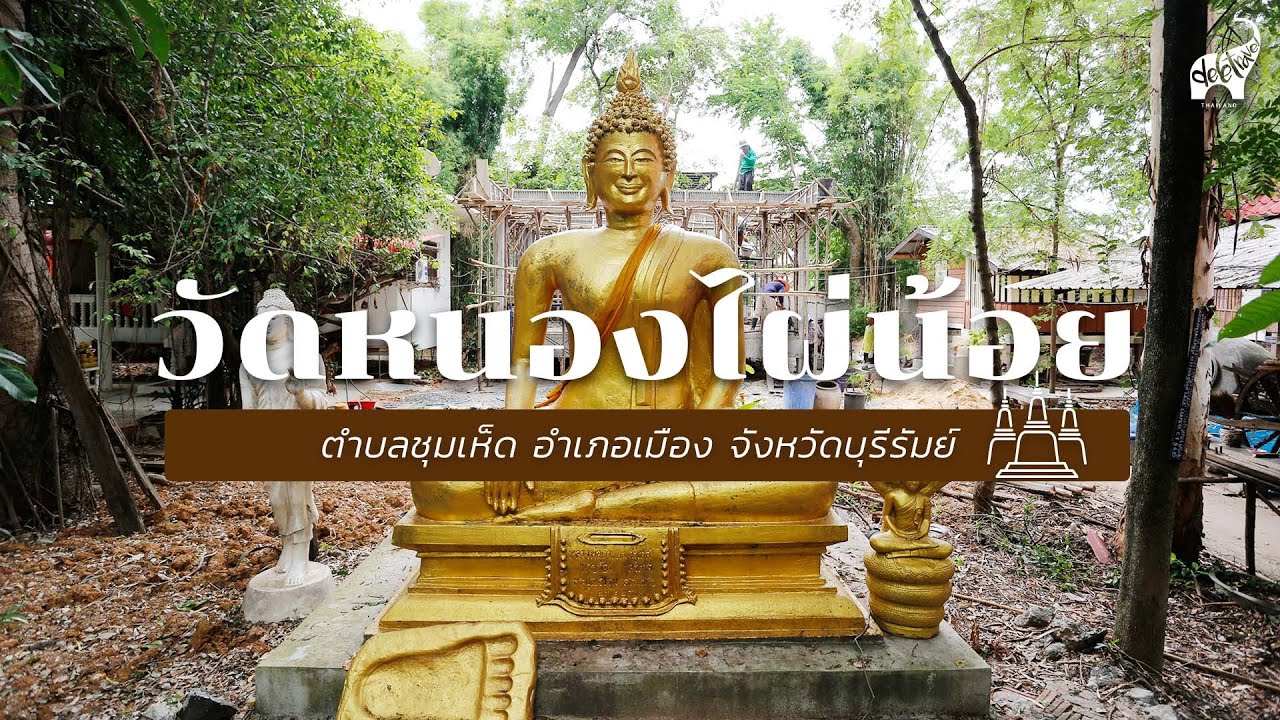
 Click to Access the Navigation Map GPS
Wat Nong Phai Noi (Chum Het) Map
Recommend

 Art, Culture and Heritage
 Historical Sites and Monuments(14)
 Landmarks and Memorials(2)
 Art, Craft Centres, Tradition(6)
 Museums(3)
 Educational Places
 Museum for Study(1)
Temple(74)
Museum for Study(1)
Temple(74)
 Other Sacred Sites(5)
 Suburban Living
 Village, Community(3)
 Nature and Wildlife
 National Parks and Marine Reserves(2)
 Mountain (Doi)(1)
 Dam, Reservoir, Lake(14)
 River, Canal(1)
 Bays and Beaches(1)
 Other natural attractions(2)
 Entertainment and Agricultural
 Animal camps and shows(1)
 Stadium(2)
 Farms, Parks and Ecotourism(2)
 Waterpark(1)


