
lovethailand home >Northeastern Travel Attractions >Amnat Charoen Travel Attractions >Chanu Man >Pa Ko > Palm Garden
TL;DR: Palm Garden is located at Pa Ko Subdistrict, Chanuman District, Amnat Charoen Province, open Advance contact is required before visiting, hours Advance contact is required before visiting.
Palm Garden
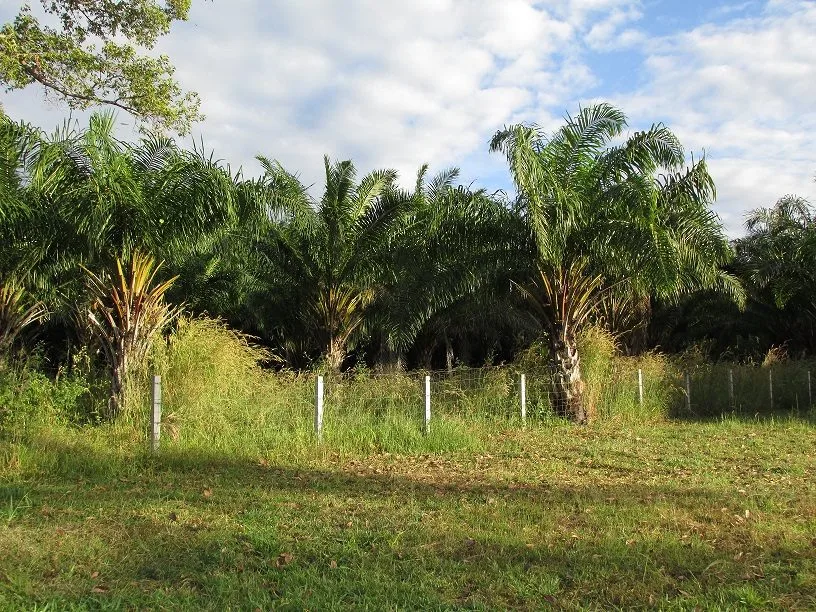
Open Days: Advance contact is required before visiting
Opening Hours: Advance contact is required before visiting
The Palm Gardens of Pa Ko Subdistrict in Amnat Charoen Province represent an important agricultural landscape in Chanuman District. Palm has become one of the economic crops that many local farmers in Pa Ko increasingly choose to grow. These gardens are not a typical commercial tourist attraction with fixed gates and ticket booths. Instead, they are working agricultural areas that reflect local livelihoods, rural economic adaptation, and the changing face of farming in northeastern Thailand. For travelers interested in agro-tourism, community life, and real farming landscapes, the palm gardens of Pa Ko offer a meaningful way to understand Amnat Charoen beyond temples and city landmarks.
Pa Ko Subdistrict is located in Chanuman District, Amnat Charoen Province. The area has a rural character and is strongly connected to agriculture. The growing interest in palm cultivation shows how local farmers are adapting their land use to new economic opportunities. Rather than relying only on traditional crops, farmers are exploring long-term economic plants that may provide future income and diversify local production. Palm cultivation in Pa Ko therefore reflects both agricultural decision-making and the resilience of local communities.
The palm gardens are interesting as agricultural learning spaces. Visitors can observe rows of palm trees, tall trunks, broad fronds, and the structure of a working plantation. A palm garden may look calm and orderly from the outside, but behind that landscape is a continuous process of land preparation, planting, fertilizing, watering, pruning, weed control, and harvest planning. Seeing the garden in person helps visitors understand that economic crops require knowledge, patience, and long-term management.
Palm grows well in tropical climates and requires sufficient sunlight. In regions where rainfall is not evenly distributed throughout the year, farmers must pay careful attention to water management, soil condition, drainage, and nutrition. This is one reason palm cultivation in northeastern Thailand requires thoughtful planning. The gardens in Pa Ko provide an opportunity to understand how farmers adapt crop choices to local conditions, manage natural limitations, and work with the land they have.
From an agro-tourism perspective, the palm gardens of Pa Ko are best understood as real farming areas rather than staged tourist gardens. Their value lies in authenticity. Visitors are not simply looking at decorative plants; they are seeing a crop that local people grow as part of their livelihood. This makes the visit suitable for travelers who want to understand community-based agriculture, economic crops, rural land use, and the local economy of Amnat Charoen.
The atmosphere of a palm garden is different from that of a flower garden or fruit orchard. Palm trees create a strong vertical landscape, with long fronds forming repeated patterns across the field. The rows of trees create depth and rhythm, making the area suitable for agricultural photography and rural landscape images. Morning and late afternoon are the best times to visit because the light is softer, the weather is more comfortable, and the shadows of the palm fronds add dimension to photographs.
The gardens also reveal the close relationship between farmers and their land. Palm cultivation involves decisions at every stage, from selecting planting material and preparing the soil to arranging planting distance, managing weeds, applying fertilizer, pruning fronds, and planning harvest cycles. Palm is not a short-term crop that produces immediate results. It is a long-term investment that requires capital, labor, patience, and careful risk management. Visiting a palm garden helps travelers appreciate the work behind agricultural production.
In Pa Ko Subdistrict, the increasing popularity of palm cultivation has made the crop part of the local economic landscape. The presence of palm gardens across the area shows how farmers respond to market opportunities and search for income stability. In some cases, palm may exist alongside other crops or mixed farming systems, allowing farmers to diversify land use and reduce dependence on a single source of income. This makes the area useful for learning about rural economic adaptation.
Visitors should approach the palm gardens as agricultural learning areas. These are working farms and may be privately owned. Travelers should contact local farmers, garden owners, or Pa Ko Subdistrict Administrative Organization before visiting. Advance coordination helps visitors know which gardens can be visited, what time is appropriate, and what guidelines should be followed. It also prevents disruption to farm work and protects the privacy of local farmers.
Travel within Pa Ko Subdistrict is most convenient by private car or motorcycle. The area consists of local roads, villages, and agricultural fields, so having flexible transportation makes the visit easier. Travelers coming from Chanuman town can enter Pa Ko via local routes, while those coming from Amnat Charoen city should allow enough travel time because Chanuman is a border district located some distance from the provincial town. A private vehicle is the best choice for combining several stops in one day.
The palm gardens can be included in a wider Chanuman itinerary. Chanuman District is notable because it is the district of Amnat Charoen connected to the Mekong River. Travelers can visit the palm gardens to learn about agriculture, then continue to Mekong viewpoints, Kaeng Khan Sung, Kaeng Tang Lang, or riverside community areas. This combination creates a balanced trip that includes agriculture, nature, river scenery, and local borderland culture.
One of the strengths of Pa Ko’s palm gardens is that they are real farming spaces. Visitors may see paths between rows of trees, soil conditions, trimmed fronds, young palms, mature palms, and other signs of actual agricultural work. These details make the visit educational. They show that agricultural products come from ongoing effort, not from an instant process. For students and study groups, this direct observation can be more effective than classroom learning alone.
The palm gardens are suitable for students, agricultural groups, and visitors interested in economic crops. Topics that can be learned from the area include crop selection, land-use planning, field layout, soil care, water management, weed control, harvest preparation, and the connection between agricultural production and markets. A visit can help learners understand why farmers choose certain crops and how rural communities respond to economic change.
For international travelers, the palm gardens of Pa Ko offer a deeper view of rural Thailand. Many visitors associate Thai agriculture with rice fields and fruit orchards, but economic crops such as palm are also part of the agricultural landscape. Seeing palm gardens in Amnat Charoen helps travelers understand that Thai farming is diverse and shaped by local climate, market demand, land resources, and farmer experience. This makes the visit meaningful for travelers who want to understand Thailand beyond well-known tourist routes.
Photography in the palm gardens should be done respectfully. Visitors should not enter private plantations without permission, step on young plants, break fronds, disturb farm work, or take photos of people without consent. If photos will be published online or used commercially, permission should be requested in advance. Responsible agro-tourism should create understanding and respect between visitors and local communities.
The best time to visit is usually in the morning or late afternoon. Morning weather is cooler and suitable for walking outdoors. Late afternoon light is good for photography, especially when sunlight passes through palm fronds. During the rainy season, visitors should wear appropriate shoes because the ground may be wet or muddy. During the hot season, drinking water, a hat, and sun protection are recommended.
Good preparation makes the visit smoother. Travelers should check the route, contact a local coordinator or garden owner, prepare suitable transport, and carry some cash for local expenses. Since the palm gardens are not a fixed commercial attraction, there is no standard admission system. Any visit should be arranged in a way that respects the landowner and the working nature of the agricultural area.
Pa Ko Subdistrict and Chanuman District also offer nearby places that can make the trip more complete. Klang Na Cafe in Pa Ko is a local stop for food and relaxation. Fruit gardens, Ban Nong Maeng Da Community Forest, Mekong viewpoints, Kaeng Khan Sung, and Kaeng Tang Lang can also be combined with a palm garden visit. This allows travelers to experience agriculture, forest, river scenery, and local community life in one route.
For food, visitors can find cafés and restaurants in Pa Ko and Chanuman. Klang Na Cafe is located within Pa Ko Subdistrict and is a convenient local stop. Travelers can also continue to Ban Ya Cafe Chanuman, Ban Suan Rim Khong Khrua Je Muk, and riverside cafés in Chanuman. These places make it easier to plan a half-day or full-day trip around the palm gardens and nearby attractions.
For accommodation, travelers can stay in Chanuman District or return to Amnat Charoen city, depending on the travel plan. If the trip focuses on the Mekong River and Chanuman’s local communities, staying in Chanuman is convenient. Options include Smile Resort Chanuman and Kaeng Tang Lang Resort. If travelers prefer city services, restaurants, and easier onward travel to other districts, hotels in Amnat Charoen city are suitable alternatives.
The main caretakers of the palm gardens are the local farmers and garden owners in Pa Ko Subdistrict. Pa Ko Subdistrict Administrative Organization serves as a local public body that provides information about the area and local attractions. Visitors should coordinate in advance, especially when traveling as a group. It is useful to provide the number of visitors, the purpose of the visit, and the preferred time so that local hosts can prepare properly.
The palm gardens of Pa Ko may not have the facilities of a major tourist attraction, but they have strong educational value. They help visitors see how local farmers use land, manage economic crops, and respond to changing agricultural opportunities. For those interested in rural livelihoods, crop production, and community-based travel, the gardens offer an authentic and thoughtful experience in Amnat Charoen Province.
With proper planning, a visit to the palm gardens in Pa Ko can be simple, educational, and rewarding. Travelers can see palm trees in real agricultural fields, understand why farmers choose this crop, learn about the conditions of farming in northeastern Thailand, and connect the visit with other attractions in Chanuman District. This is the appeal of agro-tourism: it is not about spectacle, but about understanding the relationship between people, land, water, crops, and community.
Getting There is easiest by private car or motorcycle within Pa Ko Subdistrict, Chanuman District, Amnat Charoen Province. Visitors coming from Chanuman town can use local roads to enter Pa Ko and should coordinate the exact visiting point with the garden owner or local authority. Travelers coming from Amnat Charoen city should allow enough time and combine the trip with nearby attractions such as Klang Na Cafe, Kaeng Khan Sung, Mekong viewpoints, and Kaeng Tang Lang to make the journey more worthwhile.
| Name | Palm Gardens, Pa Ko Subdistrict, Amnat Charoen Province |
| Location | Pa Ko Subdistrict, Chanuman District, Amnat Charoen Province |
| Address | Pa Ko Subdistrict, Chanuman District, Amnat Charoen Province 37210, Thailand |
| Highlights | Working palm plantations that represent an economic crop of Pa Ko Subdistrict and offer insight into local farming life in Chanuman District |
| Distinctive Features | Real agricultural fields with rows of palm trees, suitable for learning about economic crops, rural livelihoods, and community-based agro-tourism |
| Importance | Palm is an economic crop increasingly grown by farmers in Pa Ko Subdistrict and can serve as a local agricultural learning resource |
| Main Areas / Zones | 1. Palm planting plots 2. Palm row and agricultural photography areas 3. Economic crop learning area 4. Community farming landscape of Pa Ko Subdistrict 5. Route connection to Chanuman District attractions |
| Main Activities | Palm garden viewing, rural photography, economic crop learning, agricultural land-use observation, and community-based travel in Chanuman District |
| Travel Information | Travel within Pa Ko Subdistrict by private car or motorcycle. Visitors should coordinate with the garden owner or local authority before visiting. |
| Current Status | A local palm-growing area and agricultural information point in Pa Ko Subdistrict, Chanuman District, Amnat Charoen Province |
| Open Days | Advance contact is required before visiting |
| Opening Hours | Advance contact is required before visiting |
| Caretaker | Local palm garden owners in Pa Ko Subdistrict, with Pa Ko Subdistrict Administrative Organization serving as the local public information body |
| Local Contact | Pa Ko Subdistrict Administrative Organization, Chanuman District, Amnat Charoen Province |
| Nearby Tourist Attractions | 1. Klang Na Cafe, Suan Pho Sanan Butphakdi, Pa Ko Subdistrict, about 3 km 2. Fruit Gardens, Pa Ko Subdistrict, about 5 km 3. Ban Nong Maeng Da Community Forest, Pa Ko Subdistrict, about 8 km 4. Mekong Viewpoint, Chanuman District, about 18 km 5. Kaeng Khan Sung, Chanuman District, about 20 km 6. Kaeng Tang Lang, Chanuman District, about 22 km |
| Nearby Restaurants | 1. Klang Na Cafe, Pa Ko Subdistrict, about 3 km, Tel. 081-137-7037 2. Ban Ya Cafe Chanuman, about 18 km, Tel. 095-894-9255 3. Ban Suan Rim Khong Khrua Je Muk, about 20 km, Tel. 084-429-3646 4. Huen Coffee by the Mekong, Chanuman District, about 20 km 5. T&P Café&Coffee, Chanuman District, about 18 km |
| Nearby Accommodations | 1. Smile Resort Chanuman, about 16 km, Tel. 099-459-9333, 090-739-9399 2. Kaeng Tang Lang Resort, Chanuman District, about 22 km, Tel. 061-535-5198 3. Ramiarndao Boutique Place Hotel, Amnat Charoen, about 78 km, Tel. 081-067-4149, 093-390-9383 4. Baan Ing Daan Hotel, Amnat Charoen, about 79 km, Tel. 090-405-5504, 090-268-7597 5. Fai Kid Hotel, Amnat Charoen, about 80 km |
Frequently Asked Questions (FAQ)
Q: Where are the palm gardens of Pa Ko located?
A: They are located within Pa Ko Subdistrict, Chanuman District, Amnat Charoen Province, where local farmers grow palm as an economic crop.
Q: What makes the palm gardens of Pa Ko interesting?
A: They are real working agricultural areas that reflect local farming life, economic crop cultivation, and rural adaptation in Chanuman District.
Q: Can visitors enter the palm gardens directly?
A: Visitors should contact the garden owner, local farmers, or Pa Ko Subdistrict Administrative Organization before visiting because the gardens are working agricultural areas and may be privately owned.
Q: Who should visit the palm gardens?
A: They are suitable for travelers interested in agriculture, students, study groups, community-based tourism visitors, and anyone who wants to learn about economic crops in Amnat Charoen.
Q: How can travelers get to the palm gardens?
A: Travel by private car or motorcycle within Pa Ko Subdistrict, Chanuman District. Advance coordination is recommended to confirm the exact visiting point.
Q: Is there an admission fee?
A: There is no confirmed standard admission fee for the palm gardens. Visitors should ask the garden owner or local authority before traveling.
Q: What is the best time to visit?
A: Morning and late afternoon are the best times because the weather is more comfortable and the light is better for photography.
Q: What nearby attractions can be visited together with the palm gardens?
A: Nearby places include Klang Na Cafe, fruit gardens in Pa Ko, Ban Nong Maeng Da Community Forest, Mekong viewpoints, Kaeng Khan Sung, and Kaeng Tang Lang.
 Category: ●Entertainment and Agricultural
 Group: ●Farms, Parks and Ecotourism
Last Update : 2 MonthAgo
 Last Update : 2 MonthAgo
 Click to Access the Navigation Map GPS
 Art, Culture and Heritage
 Historical Sites and Monuments(1)
 Art, Craft Centres, Tradition(3)
 Museums(1)
 Places of Worship
 Temple(30)
 Other Sacred Sites(7)
 Suburban Living
 Village, Community(3)
 Nature and Wildlife
 National Parks and Marine Reserves(3)
 Mountain (Doi)(5)
 Dam, Reservoir, Lake(5)
 Waterfalls(3)
 Caves(2)
 River, Canal(3)
 Other natural attractions(5)
 Zoos and Aquariums(1)
Farms, Parks and Ecotourism(4)
Zoos and Aquariums(1)
Farms, Parks and Ecotourism(4)
 Shopping
 Shopping and Night Market(1)


