
lovethailand home >Northeastern Travel Attractions >Amnat Charoen Travel Attractions >Chanu Man >Kham Khuean Kaeo > Wat Pa Phu Ma Rong
TL;DR: Wat Pa Phu Ma Rong is located at Kham Khuean Kaeo Subdistrict, Chanuman District, Amnat Charoen Province, open Daily, hours Daytime visits are recommended for the temple and surrounding natural area.
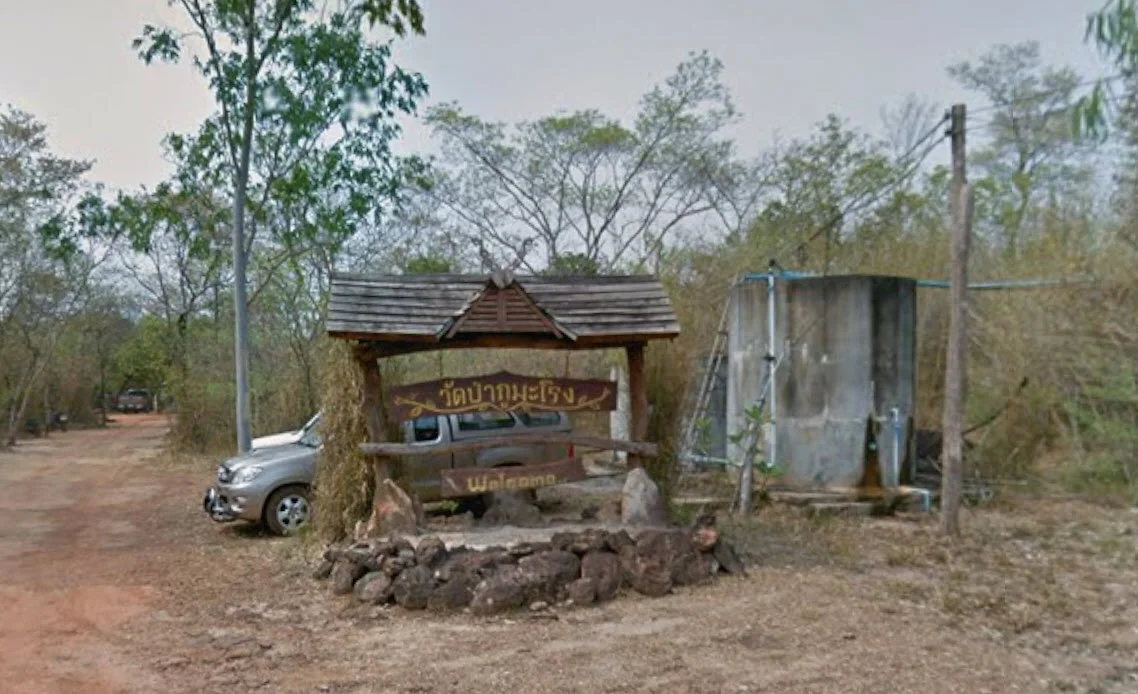
Wat Pa Phu Ma Rong
Open Days: Daily
Opening Hours: Daytime visits are recommended for the temple and surrounding natural area
Wat Pa Phu Ma Rong in Amnat Charoen Province is a forest temple located in Kham Khuean Kaeo Subdistrict, Chanuman District. The temple sits in an area locally known as Phu Ma Rong or Khao Khiri Wongkot Phu Ma Rong, a long mountain and rock formation west of Ban Kham Kaeo. Surrounded by woodland, natural rock formations, small wildlife, and a quiet rural landscape, this temple is well suited for eco-tourism, nature walks, Buddhist reflection, and travelers who prefer peaceful places away from crowded tourist routes.
The charm of Wat Pa Phu Ma Rong does not come from grand architecture or large-scale decoration. Its true value lies in the calm atmosphere of a forest temple. Visitors can experience shaded paths, the sound of wind through trees, the stillness of the hills, and the feeling of being close to nature. The surrounding Phu Ma Rong area includes large rock formations, cliffs, natural stone channels, and forested slopes, giving the site a distinctive landscape rarely found in typical city temples.
Wat Pa Phu Ma Rong is a local Buddhist temple in northeastern Thailand. It is classified as a community temple in Kham Khuean Kaeo Subdistrict, Chanuman District, Amnat Charoen Province. The current abbot is Phra Khru Phawana Saratham. The temple serves the religious life of nearby communities while also preserving the quiet character of a forest temple. For travelers, it offers an opportunity to pay respect to the Buddha in a natural setting and to understand how Thai forest temples can exist in harmony with mountains and woodland.
Phu Ma Rong, also known as Khao Khiri Wongkot Phu Ma Rong, is one of the important natural areas of Kham Khuean Kaeo Subdistrict. The wider area covers about 2,000 rai and lies between several local villages, including Ban Mueang Kao, Ban Kham Kaeo, Ban Kham Dueai, Ban Lao Kaeo Maeng, and Ban Song Yang. The landscape includes forested hills, stone caves, large rock outcrops, steep cliffs, and unusual natural formations. Some rocks extend outward like ledges, some rise up to about 15 meters, and some areas contain deep natural gaps that require caution when walking.
The name Phu Ma Rong reflects the local geography. In northeastern Thai usage, “phu” refers to a mountain or hill, while “Ma Rong” is the local name associated with this rocky forested area. Combined with the word “wat pa,” meaning forest temple, the name Wat Pa Phu Ma Rong immediately suggests a temple deeply connected to the mountain and forest landscape. This identity makes the temple different from urban religious sites and gives visitors a strong sense of place.
The atmosphere inside and around the temple encourages slow and respectful exploration. Visitors should take time to observe the entrance area, the trees, the religious structures, the natural rock formations, and the forested surroundings. A visit here is not only about sightseeing. It is also a chance to slow down, reflect, and experience the peaceful relationship between Buddhist practice and nature. The sound of leaves, birds, and small animals helps create a calm atmosphere that is very different from busier temples in urban areas.
For eco-tourism travelers, Wat Pa Phu Ma Rong is a meaningful place to learn how local communities, temples, and forests can support one another. The surrounding woodland provides shelter for small wildlife, supports plant diversity, and creates a natural environment suitable for meditation and quiet walking. Visitors should avoid littering, collecting plants or stones, disturbing wildlife, or making loud noise. Responsible travel is essential here because the value of the place depends on the preservation of both its natural and spiritual qualities.
One of the most distinctive features of the Phu Ma Rong landscape is its maze-like arrangement of rocks and forest. The area can feel like a natural stone labyrinth, with changing views depending on where one stands. Some parts include stone platforms, some have narrow channels, and some are covered with trees growing between rocks. Travelers should walk carefully, especially after rain when stone surfaces may become slippery. It is best to stay within commonly used paths and avoid entering dense forest areas without local guidance.
Because Wat Pa Phu Ma Rong is located in a forested and mountainous area, it is best suited for visitors who appreciate quiet nature rather than urban convenience. Travelers should bring drinking water, wear comfortable shoes, and protect themselves from sun and insects. Families with children or elderly visitors should choose only easy-access areas and avoid steep or slippery sections. These simple preparations help make the visit safer and more enjoyable.
The best time to visit Wat Pa Phu Ma Rong is in the morning or late afternoon, when the weather is more comfortable and the light is softer. The rainy season and the period after rainfall bring fresh green scenery, but paths and rocks can be slippery. The cool season is especially pleasant for walking, photography, and quiet reflection. Visitors should avoid entering the forested area after dark because lighting and access can be limited.
As a Buddhist temple, Wat Pa Phu Ma Rong is also a place for merit-making and respectful spiritual practice. Visitors can pay respect, make merit according to their faith, and spend quiet time in the temple area before exploring the surrounding nature. Modest clothing and polite behavior are expected. Even though the temple is also a natural attraction, it remains an active religious site, so photography and movement should be done with care and respect.
Wat Pa Phu Ma Rong also reveals another side of Amnat Charoen. Many travelers know the province through Phra Mongkhon Ming Mueang, Wat Tham Saeng Phet, Kaeng Khan Sung, or riverside attractions along the Mekong. Phu Ma Rong adds a different dimension: forested hills, natural stone formations, and a community-based eco-tourism landscape. A visit here helps travelers understand that Amnat Charoen is not only a province of temples and rivers but also a place with quiet hills, woodland, and natural heritage.
Getting There is most convenient by private car, pickup truck, rental car, or local hired transport. From Mueang Amnat Charoen, travel toward Chanuman District, enter Kham Khuean Kaeo Subdistrict, continue to Ban Kham Kaeo, and then head west toward the Phu Ma Rong area. The final section is a rural route near forest and hill terrain, so road conditions should be checked in advance, especially during the rainy season. Travelers who are unfamiliar with the area should ask local residents or local authorities for guidance before entering the site.
Public transport access is limited, so travelers without a private vehicle should plan carefully. One option is to travel to Chanuman District by local bus or van, then hire local transport to Kham Khuean Kaeo Subdistrict and Ban Kham Kaeo. It is important to agree on the fare, waiting time, and return arrangement before departure. This type of trip is best for travelers who have enough time and prefer a slower rural travel experience.
Wat Pa Phu Ma Rong can be combined with other nearby natural attractions in Chanuman District. Travelers may continue to Phu Kham Dueai, Phu Tham Phra, Kaeng Khan Sung, Kaeng Hin Khan, or the Mekong riverside area in Chanuman. This route is suitable for visitors who want to experience Amnat Charoen through forests, rock formations, hills, and riverside scenery in one itinerary.
Wat Pa Phu Ma Rong is therefore a meaningful destination for travelers who want more than a quick photo stop. It offers Buddhist calm, natural beauty, and local ecological value in one place. A respectful visit supports both the temple and the idea of eco-tourism, allowing the site to remain peaceful and valuable for the local community and future visitors.
| Name | Wat Pa Phu Ma Rong, also known as Wat Khao Khiri Wongkot Phu Ma Rong |
| Location | Kham Khuean Kaeo Subdistrict, Chanuman District, Amnat Charoen Province |
| Address | Phu Ma Rong area, west of Ban Kham Kaeo, Kham Khuean Kaeo Subdistrict, Chanuman District, Amnat Charoen Province |
| Highlights | A peaceful forest temple surrounded by hills, woodland, natural rocks, and an eco-tourism atmosphere |
| Distinctive Features | Large rocky hill area with forest cover, cliffs, stone channels, and small wildlife such as squirrels and wild chickens |
| History | A local Buddhist temple in Kham Khuean Kaeo Subdistrict, Chanuman District, and a natural area associated with Ban Kham Kaeo and nearby villages |
| Name Origin | The name Phu Ma Rong refers to the local hill and rock formation, while “Wat Pa” reflects its identity as a forest temple. |
| Main Areas / Zones | Temple area, natural forest zone, Phu Ma Rong rocky hill, rock outcrops and cliffs, and nature walking areas around the temple |
| Abbot / Caretaker | Phra Khru Phawana Saratham |
| Travel Information | From Mueang Amnat Charoen, travel to Chanuman District, enter Kham Khuean Kaeo Subdistrict, continue to Ban Kham Kaeo, and head west toward the Phu Ma Rong area. Private cars, pickup trucks, rental cars, or local hired transport are recommended. |
| Current Status | Active local Buddhist temple and eco-tourism natural area in Kham Khuean Kaeo Subdistrict |
| Open Days | Daily |
| Opening Hours | Daytime visits are recommended, especially morning or late afternoon for safety and comfort. |
| Fees | No admission fee |
| Facilities | Temple area for worship and merit-making, parking space, and natural areas for quiet walking |
| Nearby Tourist Attractions | 1. Phu Kham Dueai, about 8 km 2. Phu Tham Phra, about 10 km 3. Kaeng Khan Sung, about 28 km 4. Kaeng Hin Khan, about 30 km 5. Wat Tham Saeng Phet, about 75 km |
| Nearby Restaurants | 1. Krua Mae Rampai Pla Khong, about 25 km 2. Rung Ratree Restaurant, about 26 km 3. Krua Lanna Pla Khong, about 26 km 4. Baan Suan Rim Khong Krua Jae Muk, about 27 km, Tel. 084-429-3646 5. Pun Pun Krua Pla Khong, about 27 km |
| Nearby Accommodations | 1. Smile Resort Chanuman Branch, about 22 km, Tel. 099-459-9333, 090-739-9399 2. Kaeng Tang Lang Resort, about 28 km, Tel. 061-535-5198 3. Kieng Khong Resort, about 30 km, Tel. 097-945-3665 4. Ingna Resort, about 25 km 5. Baan Rim Khong Resort, about 30 km |
Frequently Asked Questions (FAQ)
Q: Where is Wat Pa Phu Ma Rong located?
A: Wat Pa Phu Ma Rong is located in Kham Khuean Kaeo Subdistrict, Chanuman District, Amnat Charoen Province, in the Phu Ma Rong area west of Ban Kham Kaeo.
Q: What type of travel is Wat Pa Phu Ma Rong suitable for?
A: It is suitable for eco-tourism, peaceful temple visits, nature walks, and travelers who enjoy quiet forest landscapes.
Q: Who is the abbot of Wat Pa Phu Ma Rong?
A: The abbot of Wat Pa Phu Ma Rong is Phra Khru Phawana Saratham.
Q: Is there an admission fee?
A: No. Visitors can enter the temple and natural area without an admission fee.
Q: What is the best time to visit Wat Pa Phu Ma Rong?
A: Morning and late afternoon are recommended because the weather is more comfortable and safer for walking around forested and rocky areas.
Q: What kind of vehicle is recommended?
A: A private car, pickup truck, rental car, or local hired transport is recommended because the final route is rural and close to forested terrain.
Q: Can visitors see wildlife around Wat Pa Phu Ma Rong?
A: The surrounding forest is home to small wildlife such as squirrels and wild chickens. Visitors should observe quietly and avoid disturbing animals.
Q: What nearby places can travelers visit after Wat Pa Phu Ma Rong?
A: Nearby options include Phu Kham Dueai, Phu Tham Phra, Kaeng Khan Sung, Kaeng Hin Khan, and the Mekong riverside area in Chanuman District.
 Category: ●Places of Worship
 Group: ●Temple
Last Update : 2 MonthAgo
 Last Update : 2 MonthAgo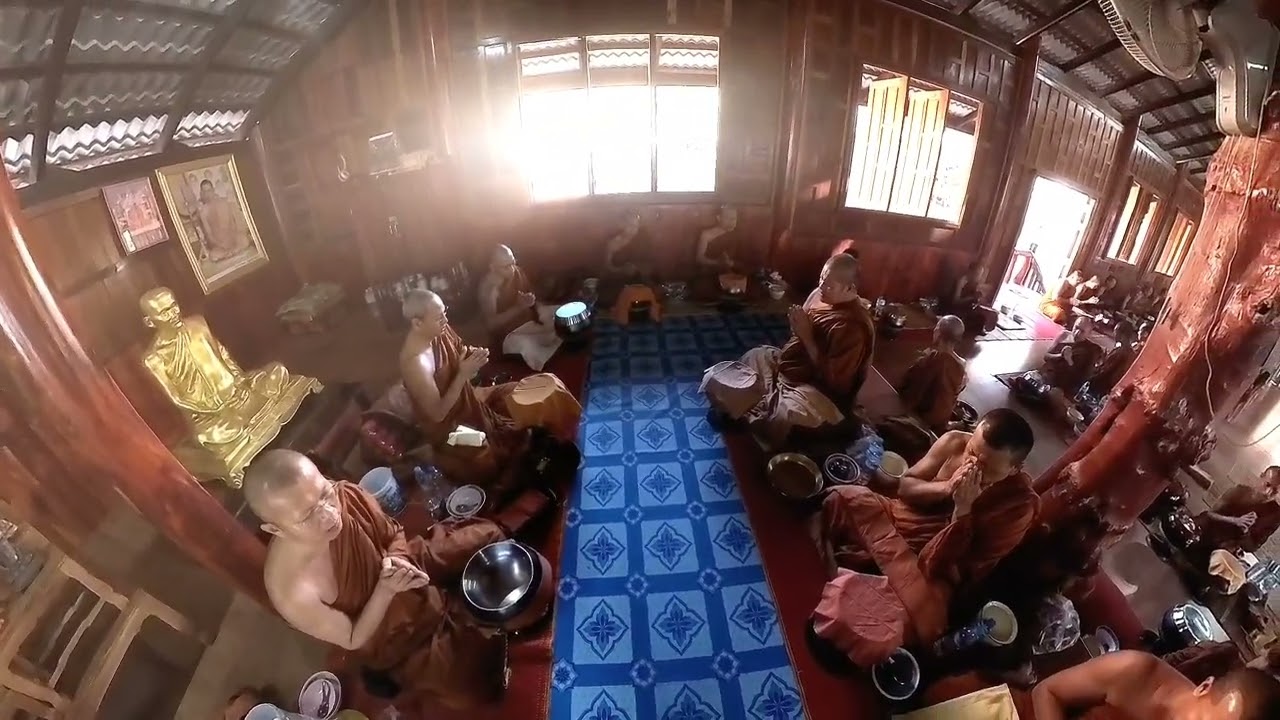
 Click to Access the Navigation Map GPS
Wat Pa Phu Ma Rong Map

 Art, Culture and Heritage
 Historical Sites and Monuments(1)
 Art, Craft Centres, Tradition(3)
 Museums(1)
Temple(30)
Museums(1)
Temple(30)
 Other Sacred Sites(7)
 Suburban Living
 Village, Community(3)
 Nature and Wildlife
 National Parks and Marine Reserves(3)
 Mountain (Doi)(5)
 Dam, Reservoir, Lake(5)
 Waterfalls(3)
 Caves(2)
 River, Canal(3)
 Other natural attractions(5)
 Entertainment and Agricultural
 Zoos and Aquariums(1)
 Farms, Parks and Ecotourism(4)
 Shopping
 Shopping and Night Market(1)


