
lovethailand home >Northeastern Travel Attractions >Amnat Charoen Travel Attractions >Muang Amnat Charoen >Pla Khao > Nong Pla Khao Mor Lam Village
TL;DR: Nong Pla Khao Mor Lam Village is located at Pla Khao Subdistrict, Mueang Amnat Charoen District, Amnat Charoen Province, open Daily, hours Advance Contact Recommended Before Joining Community Activities.
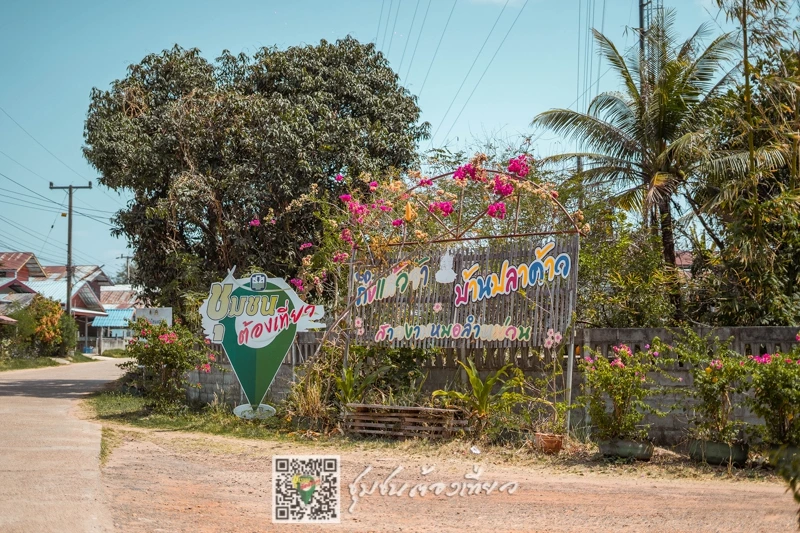
Nong Pla Khao Mor Lam Village
Open Days: Daily
Opening Hours: Advance Contact Recommended Before Joining Community Activities
Nong Pla Khao Mor Lam Village, or Ban Pla Khao, in Pla Khao Subdistrict, Mueang Amnat Charoen District, Amnat Charoen Province, is one of the most remarkable cultural tourism communities in northeastern Thailand. The village is known for its strong Phu Thai heritage, its long history of around 200 years, and its extraordinary concentration of Mor Lam performing troupes. With around 20 Mor Lam groups in the community, Ban Pla Khao is widely recognized as one of Thailand’s most important living centers of Mor Lam, the traditional Isan performance art that combines singing, poetic improvisation, khaen music, dance, storytelling, humor, and community identity.
The value of Ban Pla Khao lies in the fact that Mor Lam is not presented here only as a staged show for tourists. It remains part of everyday life, local pride, family economy, and cultural inheritance. Visitors who come to the village can learn not only about the performance itself, but also about the people behind it: singers, dancers, khaen players, musicians, costume teams, sound technicians, instrument makers, teachers, families, and community organizers. Together, they make Mor Lam a living cultural system rather than a museum display.
Ban Pla Khao is especially interesting because it preserves and develops several forms of Mor Lam. These include Mor Lam Klon, which emphasizes poetic singing and verbal skill; Mor Lam Phuen, which focuses on narrative and traditional stories; Mor Lam Ching Chu, known for dramatic and entertaining themes; Mor Lam Mu, which involves larger group performances with characters and storylines; Mor Lam Sing, a modern energetic style; and Mor Lam combined with full musical bands. This diversity allows the village’s troupes to perform at many kinds of events, from temple fairs and merit-making ceremonies to community celebrations and entertainment stages across Thailand.
Before a Mor Lam troupe from Ban Pla Khao leaves to perform at an event, it may hold a teacher-respecting ceremony known locally as wai khru or poet wong, meaning the opening of the troupe. This ceremony is highly significant. It is not merely a rehearsal, but a ritual of respect toward teachers, past artists, ancestors of the art, and sacred forces believed to protect the troupe. Some troupes involve large teams of 80 to 200 people, reflecting the scale and complexity of Mor Lam as a performing profession. For visitors, watching an opening ceremony offers a rare opportunity to see the spiritual and organizational side of Mor Lam before the performance reaches the public stage.
Mor Lam from Ban Pla Khao also plays an important economic role. Local accounts state that Mor Lam brings at least 20 million baht per year into the subdistrict. This income supports not only lead performers, but also many related occupations, including musicians, costume makers, makeup artists, sound crews, stage workers, instrument makers, food vendors, families, and local businesses. Ban Pla Khao is therefore an example of cultural economy in action, where local knowledge and artistic identity generate both income and pride for the community.
One of the most meaningful forms of cultural transmission in the village is the training of young Mor Lam performers, often called Mor Lam Noi. Children and youth learn to sing improvised verses, project their voices rhythmically, dance correctly, and understand stage etiquette. Both boys and girls participate in this learning process. Mor Lam Noi is not simply a cute performance for visitors; it is a vital system for passing the art to the next generation. Through this training, young people learn confidence, language, rhythm, discipline, and pride in their cultural roots.
Travelers who visit Ban Pla Khao should allow enough time to experience the community slowly. The village is best understood through listening, observing, and speaking with local people. Hearing the khaen, watching a young performer practice a verse, seeing dancers prepare for a show, and learning how a troupe is organized all help visitors understand why this village has become famous as a Mor Lam village. The experience is deeper than watching a short performance; it is a chance to understand the life behind the art.
Beyond Mor Lam, Ban Pla Khao has several important cultural and religious sites. Wat Si Pho Chai is one of the key landmarks in the village. Within the temple stands the Vietnamese-style viharn, an old religious building created through the combined artistic influence of Thai, Lao, and Vietnamese craftsmanship. The viharn was built in 1927 and enshrines Phra Chao Yai Si Pho Chai, a revered Buddha image that is around 200 years old and deeply respected by the local community.
Wat Si Pho Chai adds historical depth to Ban Pla Khao. The village is not only a center of performing arts, but also a place where Buddhist heritage, old architecture, sacred images, and local memory are preserved. The temple contains ancient wooden Buddha images, a naga-shaped water trough used in Buddhist rituals, an old wooden scripture cabinet, palm-leaf manuscripts in ancient Khmer script, and old silk textiles. These objects are preserved within the temple’s local museum and show the long cultural depth of the village.
Local craftsmanship is another important part of Ban Pla Khao. Villagers produce traditional musical instruments such as phin, carved wooden objects, woven textiles, and other handmade products. The village’s woven textiles often feature the dok sabaeng motif, inspired by the sabaeng tree and its cultural presence in the local landscape. Some textile designs include images of Mor Lam singers, khaen players, and sabaeng flowers, turning cloth into a visual record of community identity. These crafts allow visitors to see how music, nature, memory, and handwork are connected in Ban Pla Khao.
The community also operates homestay accommodation for visitors. Local information refers to around 25 homestay houses, allowing travelers to stay with village families and experience community life more closely. A homestay stay may include local meals, conversation with hosts, Mor Lam activities, temple visits, craft learning, and participation in village routines. This type of accommodation is most suitable for travelers who want a genuine cultural experience rather than a standard hotel stay.
Getting There from Amnat Charoen city is convenient because Ban Pla Khao is located within Mueang Amnat Charoen District. Travelers can drive from the city center toward Pla Khao Subdistrict. Those arriving from Ubon Ratchathani Airport can take Highway 212 toward Amnat Charoen, then continue to the village by local road. Private car or hired local transport is the most convenient option, especially for travelers who want to combine the village with Buddha Park and Phra Mongkhon Ming Mueang, Wat Si Pho Chai, and other attractions in Mueang Amnat Charoen.
Visitors who want to watch Mor Lam performances, join a cultural program, or stay overnight should contact the community in advance. Mor Lam activities depend on troupe schedules, rehearsal days, opening ceremonies, community programs, and the availability of local hosts. Advance contact helps the village prepare appropriately and gives visitors a more complete experience. The Ban Pla Khao Homestay and Culture Group can be contacted through the community coordinator, Achan Rianchai Photharin, at 081-878-7833.
Respectful behavior is important when visiting Ban Pla Khao. Visitors should ask before photographing people, rehearsals, homes, instruments, or costumes. They should avoid interrupting performers during practice and should not touch musical instruments or stage items without permission. During a wai khru or opening ceremony, visitors should dress modestly and follow the instructions of the hosts, because the ceremony is a sacred act of respect, not simply a show.
The best time to visit depends on the purpose of the trip. General community visits can be arranged throughout the year, while Mor Lam performances and opening ceremonies should be checked in advance. Travelers interested in homestays should book early, especially during festivals, long holidays, or study-visit periods. Because homestays are community homes rather than large hotels, availability may be limited.
Ban Pla Khao is also suitable for students, researchers, cultural travelers, and anyone interested in intangible cultural heritage. Studying Mor Lam in the village helps visitors understand the relationship between language, music, rhythm, dance, costume, economy, and Phu Thai identity in Amnat Charoen. Those conducting academic or cultural research should contact the community beforehand to arrange interviews or learning sessions respectfully.
In a broader sense, Ban Pla Khao shows how cultural tourism can remain connected with real community life. Mor Lam is still a profession, weaving is still practiced, temples still serve as spiritual centers, and homestays are still real homes. Visitors who come with respect and patience will discover that the joy of Mor Lam is not only in its lively sound, but also in the discipline of performers, the pride of Phu Thai families, and the collective effort of a village that continues to keep its art alive.
Overall, Nong Pla Khao Mor Lam Village is one of the most meaningful cultural destinations in Amnat Charoen Province. It offers Mor Lam troupes, young performer training, wai khru ceremonies, Wat Si Pho Chai, the Vietnamese-style viharn, Phra Chao Yai Si Pho Chai, local museum collections, textile weaving, traditional instrument making, and community homestays. With proper planning and respectful travel, Ban Pla Khao offers a rich and memorable experience of Isan culture that goes far beyond ordinary sightseeing.
| Name | Nong Pla Khao Mor Lam Village / Ban Pla Khao |
| Location | Pla Khao Subdistrict, Mueang Amnat Charoen District, Amnat Charoen Province |
| Address | Ban Pla Khao, Pla Khao Subdistrict, Mueang Amnat Charoen District, Amnat Charoen Province 37000, Thailand |
| Highlights | A Phu Thai cultural tourism village with around 20 Mor Lam troupes, widely recognized as one of Thailand’s most important Mor Lam communities |
| History / Importance | A community with around 200 years of history, known for preserving and developing several forms of Mor Lam and for maintaining Phu Thai cultural identity in Amnat Charoen |
| Name Origin | Ban Pla Khao refers to the village in Pla Khao Subdistrict, while the name Mor Lam Village comes from the large number of Mor Lam troupes and continuous transmission of the art |
| Distinctive Features | Mor Lam Klon, Mor Lam Phuen, Mor Lam Ching Chu, Mor Lam Mu, Mor Lam Sing, Mor Lam with band music, Mor Lam Noi training, wai khru ceremony, weaving, musical instruments, and community homestays |
| Travel Information | From Amnat Charoen city, travel to Pla Khao Subdistrict in Mueang Amnat Charoen District. From Ubon Ratchathani Airport, take Highway 212 toward Amnat Charoen, then continue by local road to Ban Pla Khao. |
| Current Status | Active cultural tourism village and Mor Lam learning community in Amnat Charoen Province |
| Open Days | Daily |
| Opening Hours | Advance Contact Recommended Before Joining Community Activities |
| Fees | Depends on activities, performances, and homestay programs arranged with the community |
| Facilities | Community homestays, Mor Lam performance areas, weaving learning areas, craft and instrument-making areas, Wat Si Pho Chai, and local museum facilities |
| Main Areas / Zones | Mor Lam performance area, Mor Lam Noi learning group, Ban Pla Khao Homestay Group, Wat Si Pho Chai, Vietnamese-style Viharn, Phra Chao Yai Si Pho Chai, local museum, weaving group, and traditional instrument-making area |
| Caretaker / Coordinator | Ban Pla Khao Homestay and Culture Group / Achan Rianchai Photharin, Tel. 081-878-7833 |
| Main Contact Number | Ban Pla Khao Homestay Group, Tel. 081-878-7833 |
| Related Tradition / Ritual | Wai Khru Mor Lam or poet wong, the teacher-respecting and troupe-opening ceremony before Mor Lam groups leave for performances, along with Mor Lam Noi training and local Buddhist merit-making traditions |
| Nearby Tourist Attractions | 1. Wat Si Pho Chai / Vietnamese-style Viharn, about 0.5 km 2. Chaloem Ratch Cultural Center / Wat Si Pho Chai Museum, about 0.5 km 3. Buddha Park and Phra Mongkhon Ming Mueang, about 18 km 4. Amnat Charoen City Pillar Shrine / Ming Mueang Chaloem Phrakiat Park, about 20 km 5. Huai Sitho Reservoir, about 25 km |
| Nearby Restaurants | 1. Local Restaurants in Ban Pla Khao, about 0.5 km 2. Local Restaurants in Pla Khao Subdistrict, about 2 km 3. Baan Pinto 1984, Mueang Amnat Charoen, about 18 km, Tel. 097-141-6966 4. Damnoen Saduak Amnat Charoen, about 20 km, Tel. 097-330-9666 5. Mum Ocha, Mueang Amnat Charoen, about 20 km, Tel. 080-150-5666, 097-057-1678 |
| Nearby Accommodations | 1. Ban Pla Khao Homestay, about 0 km, Tel. 081-878-7833 2. Community Homestays in Ban Pla Khao, about 0.5 km, Tel. 081-878-7833 3. Nakarin Hotel, Mueang Amnat Charoen, about 20 km 4. Faikid Hotel, Mueang Amnat Charoen, about 20 km 5. L.J. The Emerald Hotel Amnat Charoen, about 21 km |
Frequently Asked Questions (FAQ)
Q: Where is Nong Pla Khao Mor Lam Village located?
A: Nong Pla Khao Mor Lam Village, or Ban Pla Khao, is located in Pla Khao Subdistrict, Mueang Amnat Charoen District, Amnat Charoen Province.
Q: Why is Ban Pla Khao known as a Mor Lam village?
A: The village has around 20 Mor Lam troupes and preserves many forms of Mor Lam, including Mor Lam Klon, Mor Lam Phuen, Mor Lam Mu, Mor Lam Sing, and Mor Lam with band music.
Q: What else can visitors see besides Mor Lam?
A: Visitors can see Wat Si Pho Chai, the Vietnamese-style viharn, Phra Chao Yai Si Pho Chai, the local museum, wooden Buddha images, traditional ritual objects, weaving, instrument making, and community homestays.
Q: Can visitors watch Mor Lam performances every day?
A: Performances should be arranged in advance because activities depend on troupe schedules, rehearsals, opening ceremonies, and community tourism programs.
Q: What is the wai khru or poet wong ceremony?
A: It is a teacher-respecting and troupe-opening ceremony held before Mor Lam groups leave for performances, honoring teachers, past artists, and sacred protectors of the troupe.
Q: Are homestays available in Ban Pla Khao?
A: Yes. Ban Pla Khao has community homestays. Visitors should contact the homestay group in advance at 081-878-7833.
Q: What is Mor Lam Noi?
A: Mor Lam Noi refers to young performers who train in singing improvised verses, voice control, rhythm, dance, and stage manners to inherit the village’s Mor Lam tradition.
Q: How should travelers plan a visit to Ban Pla Khao?
A: Travelers should contact the community in advance to arrange Mor Lam activities, homestay stays, visits to Wat Si Pho Chai, weaving workshops, and nearby attractions in Amnat Charoen.
Mobile : 0818787833
 Mobile : 0818787833
 Category: ●Suburban Living
 Group: ●Village, Community
Last Update : 3 MonthAgo
 Last Update : 3 MonthAgo
 Click to Access the Navigation Map GPS
Nong Pla Khao Mor Lam Village Map

 Art, Culture and Heritage
 Historical Sites and Monuments(1)
 Art, Craft Centres, Tradition(3)
 Museums(1)
 Places of Worship
 Temple(30)
 Other Sacred Sites(7)
Village, Community(3)
Other Sacred Sites(7)
Village, Community(3)
 Nature and Wildlife
 National Parks and Marine Reserves(3)
 Mountain (Doi)(5)
 Dam, Reservoir, Lake(5)
 Waterfalls(3)
 Caves(2)
 River, Canal(3)
 Other natural attractions(5)
 Entertainment and Agricultural
 Zoos and Aquariums(1)
 Farms, Parks and Ecotourism(4)
 Shopping
 Shopping and Night Market(1)


