
lovethailand home >Central Travel Attractions >Saraburi Travel Attractions >Sao Hai >Sao Hai > Sao Rong Hai at Wat Sung
TL;DR: Sao Rong Hai at Wat Sung is located at Chao Mae Takhian Thong Shrine, Wat Sung, Sao Hai Subdistrict, Sao Hai District, Saraburi, open Daily, hours 08:30 – 16:30.
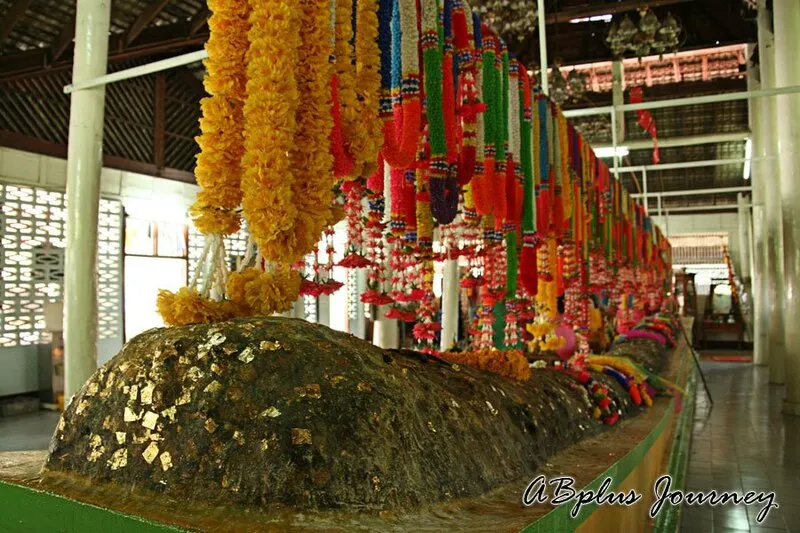
Sao Rong Hai at Wat Sung
Open Days: Daily
Opening Hours: 08:30 – 16:30
Sao Rong Hai at Wat Sung is one of the most distinctive sacred landmarks in Sao Hai District, Saraburi, because it is not simply a large takhian wood pillar kept inside a shrine. It is a place bound to one of the best-known local legends in the province and is closely associated with the origin of the district name “Sao Hai.” Located within the Chao Mae Takhian Thong shrine at Wat Sung in Sao Hai Subdistrict, this site sits only about 500 meters from the Sao Hai District Office and along Highway 3041, making it an easy stop for visitors interested in local belief, history, and cultural travel in Saraburi.
The central object of worship here is a large takhian pillar known locally as “Sao Rong Hai,” which literally means “the crying pillar.” Local people regard it as a female sacred presence, often referred to as Chao Mae Takhian Thong, or the Golden Takhian Lady. This belief is reflected in the offerings brought to the shrine. Many of the items placed before the pillar are traditionally feminine, including Thai dresses, skirts, perfume, cosmetics, and accessories. That detail gives the shrine a very specific identity and immediately distinguishes it from ordinary village spirit shrines or temple structures.
According to the local legend that has been told for generations, during the time when Bangkok was being established as the capital, fine pillars were collected from different regional centers for selection as the principal ceremonial pillar. Saraburi sent an especially beautiful takhian pillar by floating it down the Pa Sak River toward the capital. The pillar was said to be exceptionally large and elegant, so people believed it would almost certainly have become the main pillar if it had arrived in time. However, it reached Bangkok slightly too late, and the main pillar had already been selected.
Because it did not arrive on time, the Saraburi pillar became only a secondary pillar, despite its remarkable size and beauty. The legend says that the pillar was heartbroken by this disappointment. In sorrow, it floated back upstream and eventually sank in the area that later became Sao Hai. The remembered measurements of the pillar add to the power of the story: it is traditionally described as around 13 meters long and about 0.75 meters wide. These details help explain why local people believed it was worthy of becoming the main pillar of the capital in the first place.
The emotional core of the story is what makes this place so memorable. Sao Rong Hai is not seen merely as a piece of old timber. In local belief, it became a sacred object with feeling, grief, and presence. Villagers said they heard the sound of a woman crying at night from the area where the pillar had sunk. Because of that, the place became known as “Sao Rong Hai,” and over time the name evolved into “Sao Hai,” which is the district name used today. This means the legend is not just a temple story. It also functions as an explanation of local identity and place naming.
In 1958, the pillar was finally brought up from the water and enshrined at Wat Sung, where it remains today. That moment became an important event in local memory because it transformed a long-standing legend into a visible sacred landmark that people could directly visit and worship. From then on, the crying pillar was no longer only a story connected to the river. It became a permanent focus of devotion inside the temple, and generations of residents as well as outside visitors have continued to come here to pay respect, make offerings, and ask for blessings.
One of the reasons this site stands out is that its significance lies not only in the object itself, but in the layers of meaning surrounding it. The pillar is tied to royal-era memory, river travel, disappointment, supernatural presence, and the naming of an entire district. For cultural travelers, this makes Sao Rong Hai much more than a spiritual stop. It is a living example of how local communities preserve their past through oral tradition, sacred objects, and annual ritual practices.
Inside the Chao Mae Takhian Thong shrine, the atmosphere remains deeply devotional. Visitors often come to make offerings, pray for good fortune, or return to fulfill vows after receiving what they believe to be answered blessings. Even so, the setting does not feel theatrical. Because the shrine is located within Wat Sung, the broader environment remains that of an active local temple. People can pay respect to the pillar, visit the temple grounds, and experience the calm rhythm of a real community temple rather than a purely commercial attraction.
Another major reason for the site’s continuing importance is the annual ritual connected to the sacred pillar. Every year on 23 April, Wat Sung holds a traditional ceremony for bathing the Takhian Lady pillar. This ceremony is one of the clearest expressions of local faith, bringing together villagers and visitors in an event that combines devotion, custom, and shared community memory. It is not simply a ritual act, but an annual tradition that keeps the story of Sao Rong Hai active and meaningful in the present day.
From the perspective of Thai folk religion, Sao Rong Hai is especially interesting because it shows how local spirit belief and Buddhism coexist in the same space. The sacred pillar is associated with the Takhian Lady spirit, yet it is housed within a Buddhist temple setting. Many visitors therefore combine merit-making, temple worship, and respect for the spirit shrine in the same visit. For foreign travelers, this offers an especially clear example of how Thai religious life often blends formal Buddhism with older local traditions in a natural and practical way.
As a travel experience, Sao Rong Hai does not require a full day, but it offers much more cultural depth than its modest physical scale might suggest. Visitors can see the large takhian pillar, learn the legend, observe the offerings, and then continue walking through Wat Sung. Because it is located close to the center of Sao Hai, it works very well as part of a half-day or one-day cultural route in Saraburi, especially for travelers interested in sacred places, local legends, and community traditions.
Reaching the site is relatively easy. From Saraburi town, travelers can head toward Sao Hai District and follow the route to Wat Sung along Highway 3041. The temple is very close to the district office, so it is convenient both for private vehicles and for those who first arrive in central Sao Hai and continue by local transport. This accessibility makes Sao Rong Hai a practical stop for day-trippers from Bangkok as well as travelers already exploring Saraburi Province.
Getting There is straightforward by car. If you are using a navigation app, searching for Wat Sung or the Chao Mae Takhian Thong Shrine in Sao Hai will usually bring you directly to the correct location. Because the temple lies near the district center, it can also be combined easily with nearby markets, cafés, and other cultural attractions in the Sao Hai and Saraburi areas.
Overall, Sao Rong Hai at Wat Sung is far more than a local shrine. It is a place where legend, sacred belief, district identity, and annual ritual all come together. Visitors do not come only to see a massive wooden pillar. They come to encounter a story that still shapes the memory of the community today. For anyone looking for a meaningful cultural destination in Saraburi with strong local character, deep-rooted folklore, and a peaceful temple atmosphere, Sao Rong Hai is a place well worth visiting.
| Name | Sao Rong Hai at Wat Sung |
| Location | Chao Mae Takhian Thong Shrine, Wat Sung, Sao Hai Subdistrict, Sao Hai District, Saraburi |
| Address | Wat Sung, No. 1, Moo 6, Phichai Ronnarong Songkhram Road, Sao Hai Subdistrict, Sao Hai District, Saraburi 18160 |
| Highlights | A giant sacred takhian pillar linked to the origin legend of Sao Hai District, enshrined within a temple shrine and associated with an annual water-pouring ritual |
| History | According to local legend, the pillar was sent from Saraburi for selection as a principal pillar when Bangkok became the capital, arrived too late, drifted back upstream, sank in the Sao Hai area, and was raised from the water in 1958 |
| Name Origin | Local people believed they heard a woman crying at night from the area where the pillar sank, leading to the name Sao Rong Hai, later shortened to Sao Hai |
| Distinctive Features | A large takhian wood pillar worshipped as a female sacred presence, with offerings typically consisting of women’s items such as Thai dresses, perfume, and cosmetics |
| Travel Information | From Saraburi town, drive toward Sao Hai District and follow Highway 3041 to Wat Sung, which is located very close to the Sao Hai District Office |
| Current Status | Open for worship and visits |
| Open Days | Daily |
| Opening Hours | 08:30 – 16:30 |
| Facilities | Shrine area within the temple, parking subject to local conditions, and nearby worship item stalls |
| Main Areas / Zones | Chao Mae Takhian Thong Shrine, front area of the ordination hall at Wat Sung, annual ritual zone for the bathing ceremony |
| Official Website / Official Page | Local activity updates are commonly published through Sao Hai district channels and Saraburi tourism publicity pages |
| Nearby Tourist Attractions | 1) Sao Hai Old Market, about 1 km 2) Wat Sao Hai, about 2 km 3) Ban Ton Tan Ancient Floating Market, about 7 km 4) Saraburi City Pillar Shrine, about 11 km 5) Wat Phra Phutthabat Noi, about 14 km |
| Nearby Restaurants | 1) Arunee Fish Ball Noodle, about 1 km, Tel. 064-069-9366, 083-138-4946 2) Lalil Cooked-to-Order Food, about 2 km, Tel. 061-591-3555, 087-154-6465 3) Pila Cafe Sao Hai, about 3 km, Tel. 092-818-0660 4) Tom Khwae Pa Sak, about 7 km, Tel. 036-391-078, 081-851-1840, 081-365-6056 5) Cuppe' Café, about 9 km, Tel. 084-141-5541 |
| Nearby Accommodations | 1) Saraburi Garden Resort, about 12 km, Tel. 083-465-1464, 036-222-228 2) Glai Gan Place Hotel, about 12 km, Tel. 090-249-2497 3) Plai Tawan Apartment, about 13 km, Tel. 036-231-169 to 7 4) Hi Hotel & Mansion Saraburi, about 14 km, Tel. 036-390-116, 036-379-456 5) Chuan Chom The High Resort Saraburi, about 15 km, Tel. 036-222-533, 084-220-1999 |
Frequently Asked Questions (FAQ)
Q: Where is Sao Rong Hai located?
A: It is located inside the Chao Mae Takhian Thong Shrine at Wat Sung in Sao Hai Subdistrict, Sao Hai District, Saraburi Province.
Q: What is Sao Rong Hai?
A: It is a large sacred takhian wood pillar worshipped as Chao Mae Takhian Thong and regarded as one of the most important local spiritual landmarks in Sao Hai.
Q: Why is it called the Crying Pillar?
A: According to local legend, villagers heard the sound of a woman crying at night from the place where the pillar had sunk, which led to the name Sao Rong Hai.
Q: How is Sao Rong Hai connected to the founding of Bangkok?
A: The local legend says the pillar was sent from Saraburi to be selected as a principal pillar when Bangkok became the capital, but it arrived too late and was not chosen.
Q: Is there an annual ceremony related to the pillar?
A: Yes. A traditional bathing ceremony for the Takhian Lady pillar is held every year on 23 April at Wat Sung.
Q: What offerings do people usually bring?
A: Many worshippers bring women’s items such as Thai dresses, perfume, cosmetics, and other feminine offerings because the pillar is believed to be a female sacred presence.
Q: What kind of travelers would enjoy visiting Sao Rong Hai?
A: It is especially suitable for travelers interested in Thai folklore, sacred places, local legends, and cultural tourism in Saraburi.
 Category: ●Places of Worship
 Group: ●Other Sacred Sites
Last Update : 3 MonthAgo
 Last Update : 3 MonthAgo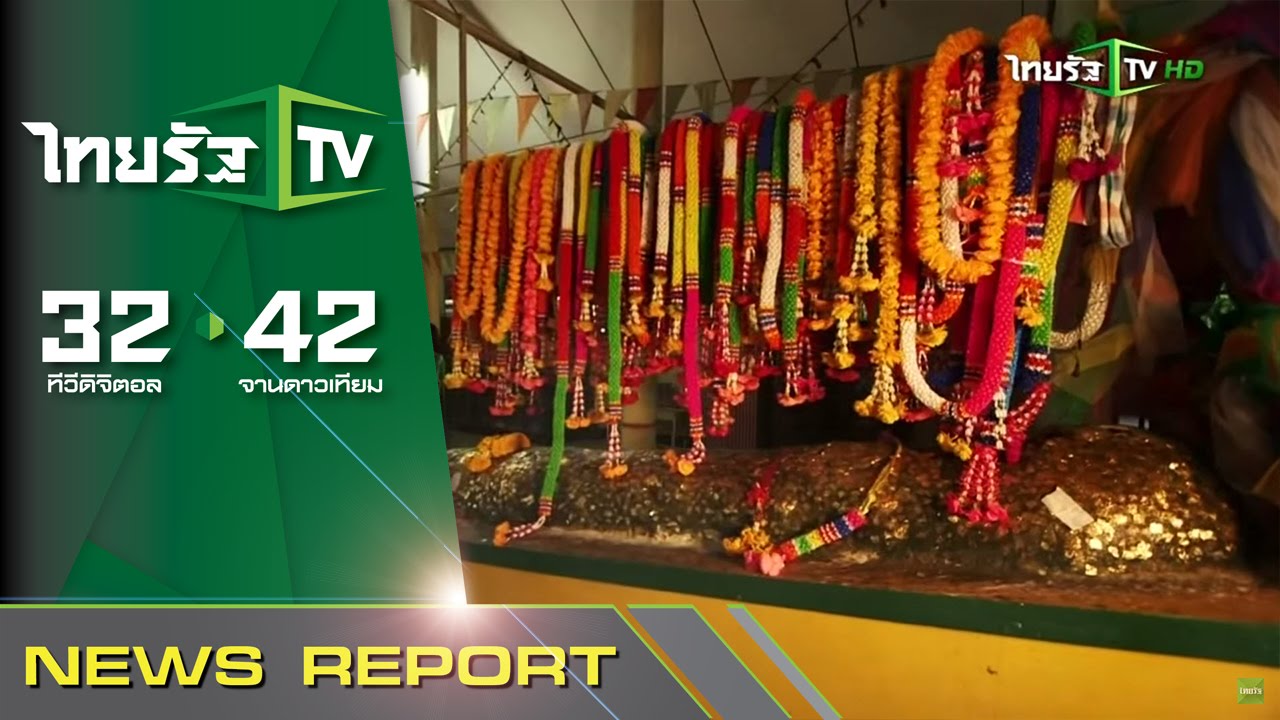
 Click to Access the Navigation Map GPS
Sao Rong Hai at Wat Sung Map
Recommend

 Art, Culture and Heritage
 Historical Sites and Monuments(2)
 Landmarks and Memorials(2)
 Royal Palace(4)
 Art, Craft Centres, Tradition(4)
 Museums(1)
 Educational Places
 Museum for Study(1)
 Educational Gardens, Farm(2)
 Temple(8)
Other Sacred Sites(5)
Temple(8)
Other Sacred Sites(5)
 Research and Development
 Royal Project(1)
 Suburban Living
 Village, Community(3)
 Nature and Wildlife
 National Parks and Marine Reserves(3)
 Mountain (Doi)(3)
 Waterfalls(5)
 Caves(6)
 Flower Field(1)
 River, Canal(1)
 Bays and Beaches(1)
 Other natural attractions(2)
 Entertainment and Agricultural
 Zoos and Aquariums(1)
 Animal camps and shows(1)
 Farms, Parks and Ecotourism(8)
 Outdoor and Adventure Activities(1)


