
lovethailand home >Central Travel Attractions >Samut Prakan Travel Attractions >Phra Pra Daeng >Samrong Tai > Chao Por Thap Shrine
TL;DR: Chao Por Thap Shrine is located at Samrong Nuea, Mueang Samut Prakan District, Samut Prakan, open Daily, hours 08:00 – 17:00. Highlights include Historic Chinese shrine of Samrong, annual Chao Pho Thap procession, and canal-side sacred folklore.
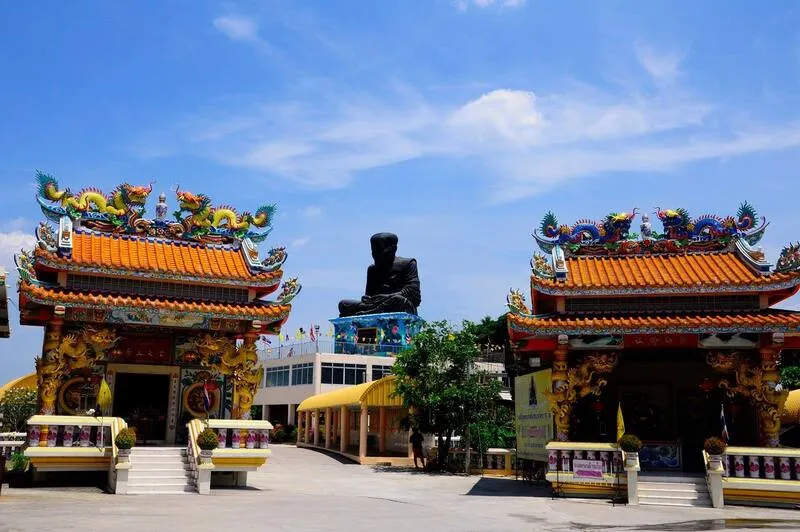
Chao Por Thap Shrine
Open Days: Daily
Opening Hours: 08:00 – 17:00
Chao Pho Thap Shrine in Samut Prakan is a long-revered Chinese shrine in Samrong Nuea, Mueang Samut Prakan District. Hidden at the end of Soi Mahawong behind Imperial World Samrong, near the old waterway of Khlong Samrong, the shrine remains one of the area’s most meaningful spiritual landmarks for local Chinese-Thai communities and worshippers who continue to visit for blessings and protection.
The shrine is closely tied to the memory of old Samrong as a canal-side trading community. According to local oral tradition, villagers found the image of Chao Pho Thap floating along Khlong Samrong. After witnessing the sacred power associated with the image, the local people invited it to be enshrined and built a shrine for worship. From then on, the shrine became a spiritual center for Chinese residents in the Samrong area and for those who made their living through commerce and transport.
Local belief holds that Chao Pho Thap helps worshippers build prosperity, improve business, and achieve greater financial stability. For this reason, many traders, shop owners, and families in Samrong have long regarded the shrine as a place to pray for good fortune, successful work, and steady income. This belief remains strong today and continues to shape the shrine’s importance in the community.
The shrine is also deeply connected with river travel and local canal culture. In the past, people passing by this section of Khlong Samrong would stop to pay respect and ask for a safe journey. A well-known local story tells of a rice boat whose crew behaved disrespectfully while passing the shrine. The boat then became unable to continue, turning back amid unusual water movement until the crew apologized and paid proper respect. Only then could the boat move forward again. Stories like this strengthened the shrine’s sacred reputation and encouraged generations of travelers to show respect when passing the area.
One of the shrine’s most distinctive cultural roles is its annual procession, organized by the Samrong community association for more than 30 years. The event usually takes place on a Sunday around late January or early February. The procession includes a marching band from Dan Samrong Secondary School and moves through Samrong before returning via Sukhumvit Road and Pu Chao Road to the shrine. This has become one of the best-known local Chinese-Thai religious traditions in the district.
The annual celebration lasts for three days and three nights and includes Chinese opera, films, and other traditional entertainment. Shop owners along the route welcome the procession, offer donations, and join the merit-making atmosphere. Many participants believe that taking part in this celebration brings prosperity and success throughout the year, which helps explain why the tradition continues to attract strong local support.
Another interesting aspect of the shrine’s history is the discussion about relocating it. As land travel gradually replaced canal travel, reaching the original shrine became more difficult. Because the access lane is narrow, the shrine committee once tried to move the shrine to a more convenient roadside location. However, according to traditional divination, Chao Pho Thap did not permit the relocation. A later attempt to move the shrine in 2005 also failed in the same way, leading instead to the idea of creating a branch shrine for easier access. This story adds another layer to the shrine’s reputation and highlights how strongly local belief continues to shape decisions about the site.
For travelers interested in cultural heritage, local belief, and lesser-known shrines in Samut Prakan, Chao Pho Thap Shrine offers far more than a quick stop for worship. It presents a vivid connection to Samrong’s canal history, Chinese-Thai community life, and living ritual traditions that still matter to people today. The site may not be large or easy to access, but that is part of its appeal: it still feels rooted in the original community rather than redesigned purely for tourism.
Getting There is easiest via BTS Samrong, followed by a short local ride or walk into Soi Mahawong behind Imperial World Samrong. Drivers can approach through Sukhumvit Road or the old tram route area, but the final access lane is quite narrow, so extra time should be allowed. Visitors should be prepared for a more local neighborhood setting rather than a standard roadside attraction.
| Name | Chao Pho Thap Shrine, Samrong |
| Location | Samrong Nuea, Mueang Samut Prakan District, Samut Prakan |
| Address | At the end of Soi Mahawong, behind Imperial World Samrong, near Khlong Samrong |
| Highlights | Historic Chinese shrine of Samrong, annual Chao Pho Thap procession, and canal-side sacred folklore |
| History | Local tradition says the sacred image floated along Khlong Samrong and was later enshrined by villagers who recognized its spiritual power |
| Name Origin | Named after Chao Pho Thap, the revered deity worshipped by local Chinese communities in Samrong |
| Distinctive Features | Canal-related sacred stories, strong trader devotion, annual parade tradition, and an original hidden shrine setting inside the old community |
| Travel Information | Accessible from BTS Samrong and Soi Mahawong behind Imperial World Samrong; the final access lane is narrow |
| Current Status | Open for worship |
| Open Days | Daily |
| Opening Hours | 08:00 – 17:00 |
| Main Contact Number | 092-410-8778 |
| Official Website / Official Page | Chao Pho Thap Samrong pages / local Samut Prakan media pages |
| Nearby Tourist Attractions | 1. Imperial World Samrong 0.8 km 2. Wat Mahawong 1 km 3. Samrong Market 1 km 4. Erawan Museum 5 km 5. Ancient City 13 km |
| Nearby Restaurants | 1. Rim Khuean Seafood 1 km Tel. 081-401-8953 2. Kabkhaw Paknam 1 km Tel. 098-428-1446 3. Noey Bakery Paknam 1 km Tel. 02-173-7901, 081-925-6553 4. P. Prasong Roast Duck 1 km Tel. 098-955-6105 5. P. Prasong Roast Duck Phra Samut Chedi Branch 1 km Tel. 083-979-7556 |
| Nearby Accommodations | 1. Warila Hotel 2 km Tel. 02-182-7312, 088-992-8448 2. Relax Villa Hotel 2 km Tel. 083-616-3928 3. Clef Hotel 4 km Tel. 02-744-5999 4. Carnation Residence 7 km Tel. 02-748-3650, 088-874-2368 5. The Best Place 7 km Tel. 063-625-4978 |
Frequently Asked Questions (FAQ)
Q: Where is Chao Pho Thap Shrine located?
A: It is at the end of Soi Mahawong, behind Imperial World Samrong, in Samrong Nuea, Samut Prakan, near Khlong Samrong.
Q: What do people usually pray for here?
A: Many worshippers come to pray for prosperity, business success, wealth, and safe travel.
Q: Is there an annual festival?
A: Yes. The shrine has an annual Chao Pho Thap procession and a three-day, three-night celebration around late January to early February.
Q: Is the shrine open every day?
A: Yes. It is open daily from 08:00 to 17:00.
Q: Why is the shrine connected to canal travelers?
A: The shrine has long been associated with Khlong Samrong, and travelers traditionally paid respect there for safe journeys.
Q: Is it easy to reach?
A: Reaching the Samrong area is easy, but the final lane into the shrine is narrow, so visitors should allow a bit of extra time.
 Category: ●Places of Worship
 Group: ●Other Sacred Sites
Last Update : 6 MonthAgo
 Last Update : 6 MonthAgo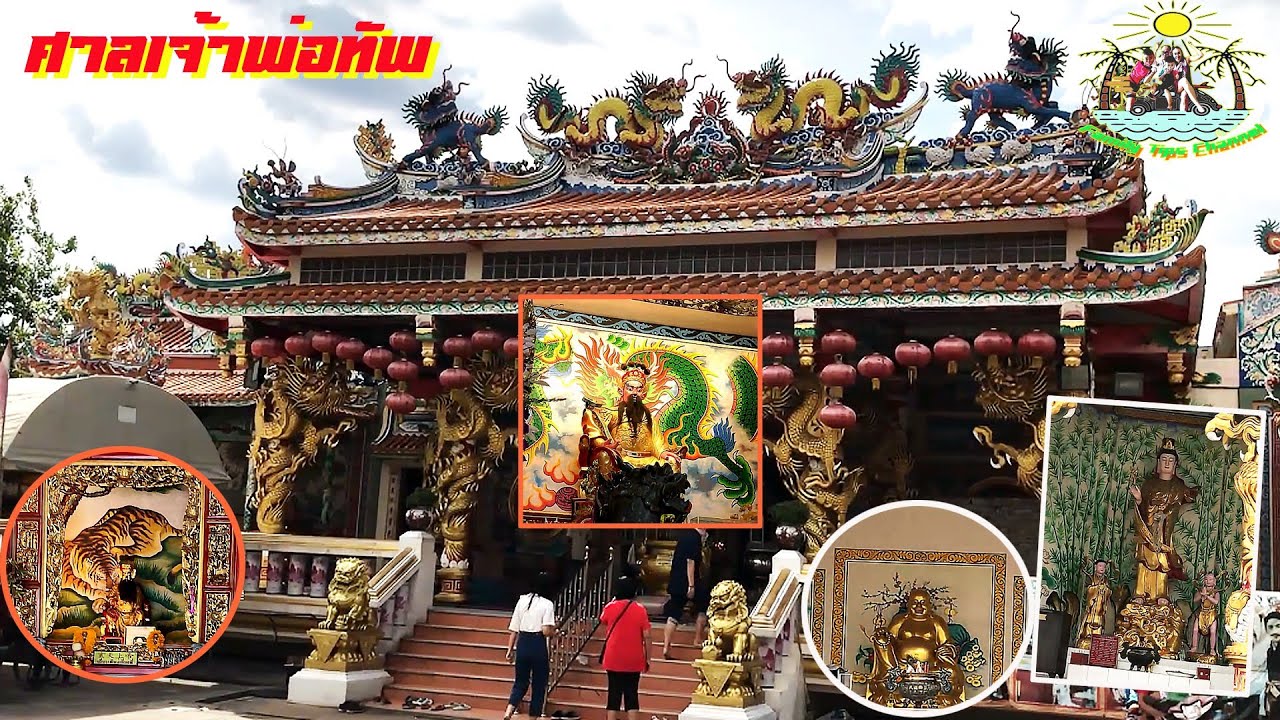
 Click to Access the Navigation Map GPS
Chao Por Thap Shrine Map
Gellery
Recommend

 Art, Culture and Heritage
 Historical Sites and Monuments(2)
 Landmarks and Memorials(1)
 Art, Craft Centres, Tradition(9)
 Museums(5)
 Historic Homes and Cities(1)
 Temple(30)
 Mosque(1)
Other Sacred Sites(9)
Mosque(1)
Other Sacred Sites(9)
 Suburban Living
 Local Market(1)
 Floating Market(3)
 Nature and Wildlife
 River, Canal(1)
 Bays and Beaches(2)
 Entertainment and Agricultural
 Zoos and Aquariums(1)
 Animal camps and shows(1)
 Farms, Parks and Ecotourism(1)
 Outdoor and Adventure Activities(1)
 Travel Articles, Recipes
 Travel Review, Food Review(1)


