
lovethailand home >Central Travel Attractions >Samut Prakan Travel Attractions >Bang Bo >Khlong Dan > Wat Srang Sok
TL;DR: Wat Srang Sok is located at No. 1, Ban Khlong Dan, Moo 8, Khlong Dan, Bang Bo, Samut Prakan 10550, open Open Daily, hours 08:00 – 17:00.
Wat Srang Sok
Open Days: Open Daily
Opening Hours: 08:00 – 17:00
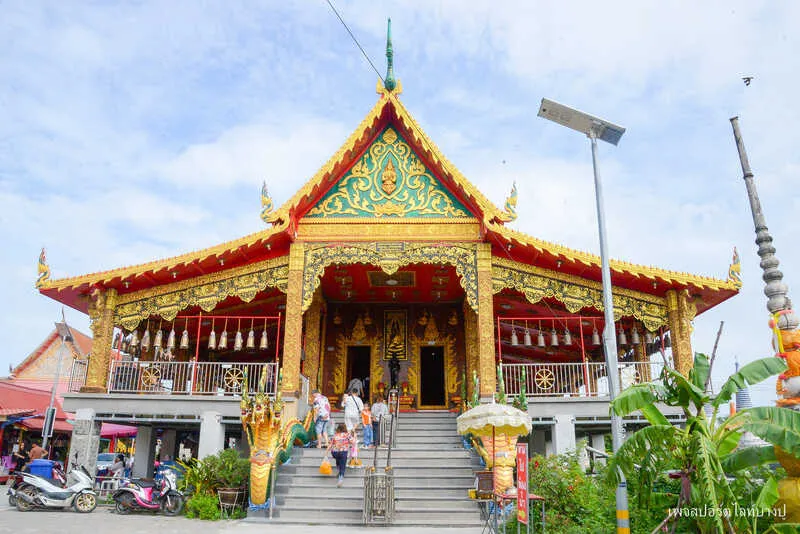
Wat Srang Sok, widely known by locals as Wat Mon, is a long-established community temple in Khlong Dan, Bang Bo District, Samut Prakan. Located at No. 1, Ban Khlong Dan, Moo 8, this Maha Nikaya temple has served as a religious and cultural center for the local community for generations. More than just a place for worship, it is a living part of local history, closely tied to Mon heritage, riverside settlement patterns, and the collective memory of people in the Khlong Dan area.
In simple terms, Wat Srang Sok stands out for three main reasons. First, it is an old Mon-associated temple with a long local history. Second, it is connected through local tradition to stories about King Taksin the Great. Third, it remains an active temple where visitors come not only to make merit, but also to pay respect to sacred images, seek blessings, and experience a temple atmosphere that still feels deeply rooted in the surrounding community.
The temple is believed to have been established around 1757, although no clear record survives regarding its original founder. In earlier times it was known as Wat Pak Ao, a name that reflected its estuary-side setting. Local people, however, often called it Wat Mon because the temple stood close to Khlong Mon and an old Mon community. That local name remains important even today, as many travelers still search for the temple using the phrase “Wat Mon Khlong Dan.”
Over time, the temple became associated with several historical names. One of them was Wat Atthawararam, linked in local memory to the presence of eight monk residences. Another was Wat Asawaram, based on a long-told tradition that this area once served as a cavalry station connected to King Taksin the Great. Whether visitors come for history, faith, or local culture, these names reveal how the temple has been remembered differently across generations, each name preserving a layer of the temple’s identity.
In 1939, the temple came to be known as Wat Srang Sok, the name it uses today. The name carries a meaningful emotional tone, suggesting the easing of sorrow and the restoration of calm, which fits the role of a temple as a place of spiritual refuge. This makes Wat Srang Sok more than an old site with historical value. It is also a place that reflects how communities understand religion not only through ritual, but through comfort, memory, and continuity.
Originally, the temple stood on the canal side, which was typical of old waterside settlements in central Thailand. Later, because of recurring flood problems, the main temple area was moved from the canal bank to the road side in 1994. This relocation is one of the most important turning points in the temple’s modern history. It shows how the temple adapted to environmental change while continuing to serve the same community. Rather than becoming abandoned or frozen in the past, the temple evolved with local life.
The temple also went through restoration and development across different periods. One major renovation is associated with 1817, and later improvements helped preserve the temple as an active religious center. This long pattern of renewal is important because it explains why Wat Srang Sok still feels alive today. It is not simply an old monument to be looked at from a distance. It remains a functioning temple used for worship, ceremonies, local gatherings, and community support.
A major landmark within the temple is the monument of King Taksin the Great, built in 2002 as a symbol of courage, leadership, and devotion. This monument strengthens the temple’s historical image and gives physical form to the local stories that connect the site to King Taksin’s era. For many visitors, this is one of the most memorable points within the temple grounds, especially for those interested in Thai history and the layers of local tradition preserved in community temples.
Wat Srang Sok is also known for the sacred points that attract devotees throughout the year. These include Luang Pho U-Thong, revered former masters, hermit figures, and other respected images that reflect a blend of Buddhist devotion and local spiritual culture. Because of this, the temple appeals to a wide range of visitors: traditional merit-makers, local residents, people seeking blessings, and travelers who enjoy visiting lesser-known temples with a strong sense of place.
Beyond religion, the temple has played an educational role in the community. It supported monastic learning through a Buddhist school for monks and novices, and it also contributed land for the establishment of a primary school for local children. This shows that the temple’s importance has never been limited to ritual life alone. Like many historic community temples in Thailand, Wat Srang Sok grew alongside the people around it and became part of the broader social foundation of Khlong Dan.
One of the temple’s most appealing qualities is its atmosphere. It does not feel overly commercial or detached from local life. Instead, it offers a sense of age, calm, and familiarity. Visitors can still feel the presence of the old community around it, which gives the temple a very different mood from large city temples or heavily commercialized religious destinations. For travelers interested in cultural depth, local memory, and old temple heritage in Samut Prakan, this makes Wat Srang Sok especially worthwhile.
Today the temple continues to hold religious events and public merit-making activities, and its public page still posts updates about temple life and community events. This confirms that Wat Srang Sok remains active and relevant. It is both a heritage site and a working temple, still woven into everyday life in Khlong Dan.
Getting There is easiest by private car. Travelers can approach via old Sukhumvit Road or the Bangkok–Chonburi motorway, then turn into Khlong Dan. The temple is located in Soi Wat Srang Sok and is not far from the main Khlong Dan community area. Driving is the most practical choice, especially for visitors who want to combine this stop with nearby temples, the local market, and seafood restaurants in the same coastal district. Morning or late afternoon is usually the most comfortable time to visit, especially if you want a quieter atmosphere for walking and worship.
What makes Wat Srang Sok memorable is not only its age or its sacred objects, but the way it reflects the identity of Khlong Dan itself. Mon heritage, local faith, environmental adaptation, historical storytelling, and community life all meet here in one place. That is why Wat Srang Sok continues to stand not only as a temple, but as a cultural landmark and a lasting source of faith for the people of this district.
| Name | Wat Srang Sok (Wat Mon) |
| Location | No. 1, Ban Khlong Dan, Moo 8, Khlong Dan, Bang Bo, Samut Prakan 10550 |
| Address | 1 Moo 8, Old Sukhumvit Road, Khlong Dan Subdistrict, Bang Bo District, Samut Prakan 10550, Thailand |
| Highlights | Historic Mon-associated temple of Khlong Dan, Luang Pho U-Thong, King Taksin the Great Monument, old community temple atmosphere |
| History | Believed to have been established around 1757; formerly known as Wat Pak Ao and widely remembered as Wat Mon; later used the name Wat Srang Sok |
| Name Origin | The old name Wat Mon came from its location near Khlong Mon and the former Mon settlement in the area |
| Distinctive Features | A long-established community temple linked with Mon local heritage, local historical narratives, and the faith life of Khlong Dan residents |
| Travel Information | Best reached by private car via old Sukhumvit Road or the Bangkok–Chonburi motorway, then turning into Khlong Dan and Soi Wat Srang Sok |
| Current Status | Open for worship, merit-making, and temple activities as usual |
| Open Days | Open Daily |
| Opening Hours | 08:00 – 17:00 |
| Abbot / Caretaker | Phra Ajarn Phonchai |
| Main Contact Number | 02-707-4682, 086-823-0732, 096-979-4159 |
| Official Website / Official Page | Facebook: Wat Srang Sok - Wat Mon Khlong Dan |
| Nearby Tourist Attractions | 1. Wat Mongkhon Kothawas (Wat Luang Pho Pan) about 4 km 2. Wat Sawang Arom about 6 km 3. Wat Pheeka Floating Market about 7 km 4. Khlong Dan Market about 3 km 5. Bang Pu Recreation Center about 27 km |
| Nearby Restaurants | 1. Dan Rim Lay about 2 km, Tel. 095-097-4515 2. Ko Tae Seafood about 5 km, Tel. 061-590-9664 3. Khrua Naka about 6 km, Tel. 089-786-7388 4. Khlong Dan Restaurant about 4 km, Tel. 099-156-1012 5. Kinnomnoi Khlong Dan about 5 km, Tel. 098-663-3365 |
| Nearby Accommodations | 1. Khlong Dan Apartment about 4 km, Tel. 084-768-5350 2. Phet Resort Khlong Dan about 6 km, Tel. 081-355-0649 3. First Resort Khlong Dan about 7 km, Tel. 087-510-6377 4. Phraewa Luxury Serviced Residence about 16 km, Tel. 02-183-7000 5. The Leisure Hotel about 24 km, Tel. 02-707-1177 |
Frequently Asked Questions (FAQ)
Q: Where is Wat Srang Sok located?
A: The temple is located at No. 1, Ban Khlong Dan, Moo 8, Khlong Dan Subdistrict, Bang Bo District, Samut Prakan.
Q: Is Wat Srang Sok the same as Wat Mon?
A: Yes. Local people have long called it Wat Mon because it stood near Khlong Mon and an old Mon community.
Q: What is Wat Srang Sok known for?
A: It is known for its long local history, Mon cultural association, Luang Pho U-Thong, the King Taksin monument, and its peaceful old-community atmosphere.
Q: How is the temple connected to King Taksin the Great?
A: Local tradition says the area was once associated with King Taksin’s cavalry, which is why the temple now has a monument honoring him.
Q: What time is the temple open?
A: It is open daily from 08:00 to 17:00.
Q: What is the easiest way to get there?
A: The easiest way is by private car via old Sukhumvit Road or the Bangkok–Chonburi motorway, then turning into Khlong Dan.
 Category: ●Places of Worship
 Group: ●Temple
Last Update : 2 MonthAgo
 Last Update : 2 MonthAgo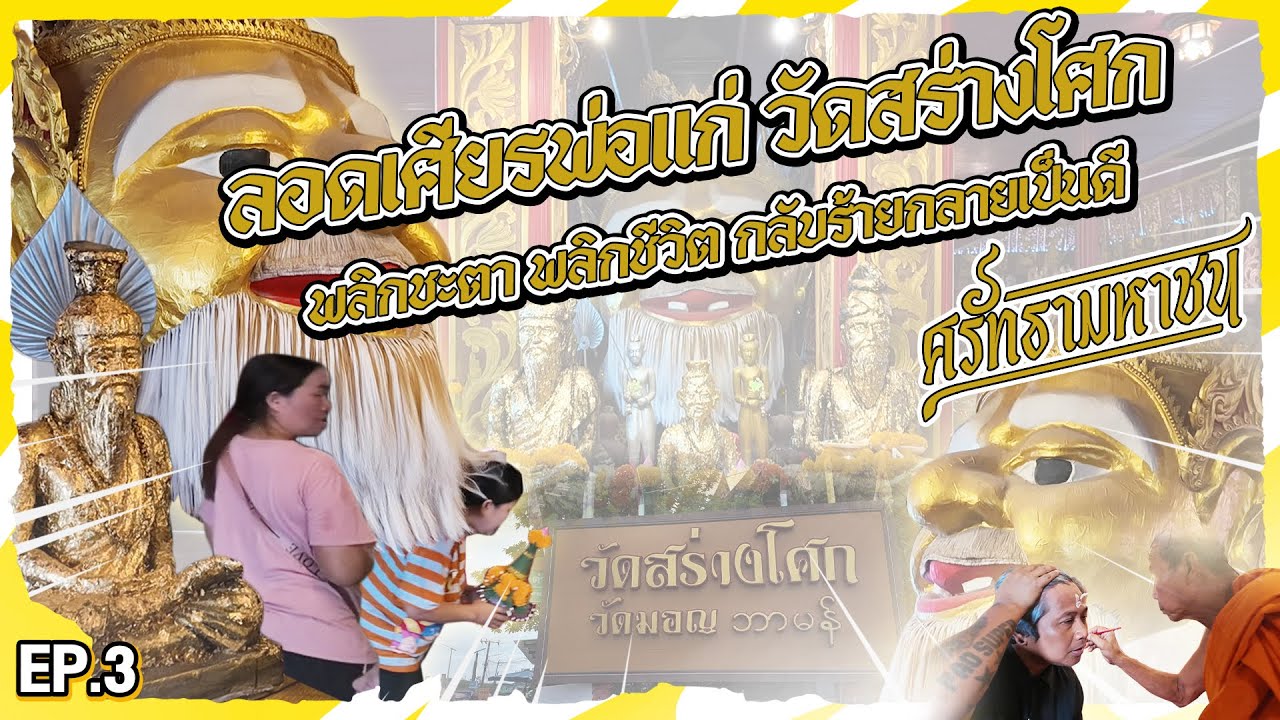
 Click to Access the Navigation Map GPS
Wat Srang Sok Map
Recommend
 Art, Culture and Heritage
 Historical Sites and Monuments(2)
 Landmarks and Memorials(1)
 Art, Craft Centres, Tradition(9)
 Museums(5)
 Historical Houses and The Ancient City(1)
Temple(30)
Historical Houses and The Ancient City(1)
Temple(30)
 Mosque(1)
 Other religious and spiritural sites(9)
 Suburban Living
 Local Market(1)
 Floating Market(3)
 Nature and Wildlife
 River, Canal(1)
 Bays and Beaches(2)
 Entertainment and Agricultural
 Zoos and Aquariums(1)
 Animal camps and shows(1)
 Farm, Parks, Gardens and Ecotourism(1)
 Outdoor and Adventure Activities(1)


