
lovethailand home >Central Travel Attractions >Samut Prakan Travel Attractions >Muang Samut Prakan >Thai Ban > Wat Asokaram
TL;DR: Wat Asokaram is located at Thai Ban Subdistrict, Mueang Samut Prakan District, Samut Prakan, Thailand, open Daily, hours 08:00 AM – 04:30 PM.
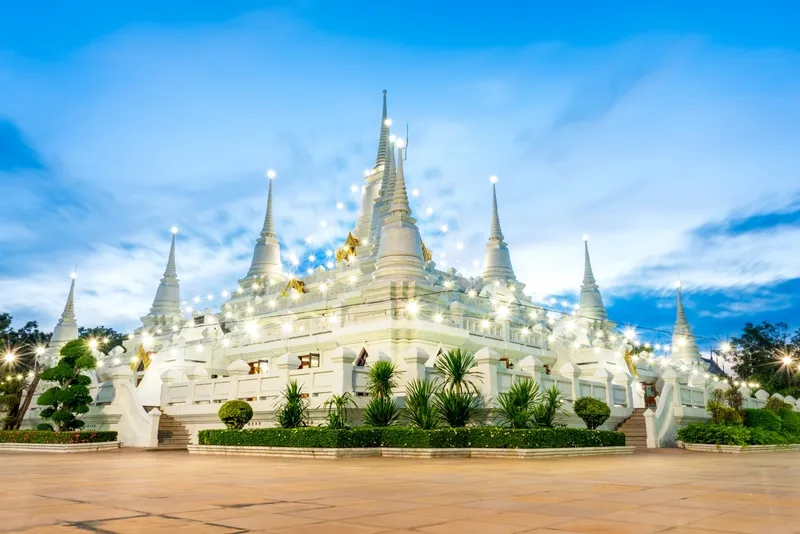
Wat Asokaram
Open Days: Daily
Opening Hours: 08:00 AM – 04:30 PM
Wat Asokaram is one of the most distinctive temples in Samut Prakan and a highly respected destination for Buddhist meditation practice. Located in Thai Ban Subdistrict, Mueang Samut Prakan District, the temple is best known for its striking group of 13 white chedis called the Phra Thutangkha Chedi. It was founded through the vision of Phra Suthi Thammarangsi, better known as Luang Por Lee Dhammadharo, and remains deeply associated with the forest meditation tradition. For visitors, this is not just a beautiful temple near Bangkok, but a place with a quiet spiritual identity that can still be felt throughout the grounds.
One of the first things people notice at Wat Asokaram is the atmosphere. Although it stands not far from the old Sukhumvit Road and the Bang Pu area, the temple feels calm, spacious, and sheltered from the outside world. The name itself carries a meaningful message. “Asoka” means free from sorrow, while “aram” refers to a pleasant or peaceful place. Together, the name suggests a serene place untouched by sadness, and that description fits the temple especially well.
The land where the temple stands today was originally known as Na Mae Khao. The site, covering about 53 rai, was donated by Nang Kimhong and Nai Sumet Kraikan so that a temple could be established there in 1954. In 1955, the monastic residence began formally with six monks, including Phra Kru Baidika That, who initially looked after the new center on behalf of Luang Por Lee. Later, after the cremation ceremony for Somdet Phra Maha Wirawong had concluded, Luang Por Lee himself came to stay at Wat Asokaram during the rains retreat.
This foundation period is crucial to understanding the temple. Wat Asokaram was not created as a conventional community temple focused mainly on ceremonies. It was built with a clear spiritual purpose. Luang Por Lee Dhammadharo was an important meditation master in the lineage of Luang Pu Mun Bhuridatto, and the temple was shaped around discipline, contemplation, and the serious training of the mind. That identity still defines Wat Asokaram today and explains why it feels different from many other temples in the province.
As the temple developed, it became an important center for meditation practice in Samut Prakan. Luang Por Lee had already been thinking for years about building a place that would support a strong Dhamma environment. His plans continued through the period leading up to the celebration of the 25th Buddhist Century in 1957. Even after his death in 1961, the temple kept growing in line with the foundation he had laid. Additional land to the east was later developed, and the Suthithammarangsi Viharn was built in the expanded section of the temple.
The most famous landmark of the temple is the Phra Thutangkha Chedi, a remarkable group of 13 white chedis designed according to the pattern set by Luang Por Lee. The chedi complex enshrines relics of the Buddha and stands as the most recognizable symbol of Wat Asokaram. Its bright white form gives the place an atmosphere of both purity and solemn beauty. Many visitors come specifically to see this monument, and it has become one of the most photographed temple landmarks in Samut Prakan.
What makes the chedi group especially meaningful is that it is not only beautiful. It also reflects the spiritual discipline of the meditation tradition. The 13 chedis are linked to the concept of dhutanga, the ascetic practices observed by monks seeking simplicity, detachment, and inner purification. Because of this, the monument has a deeper significance than ordinary temple decoration. It represents a way of life centered on renunciation and mindfulness, which is why Wat Asokaram continues to attract both meditators and general travelers.
Another characteristic that sets Wat Asokaram apart is its approach to temple use. Unlike many temples in Thailand, it does not maintain a standard crematorium for ordinary funeral rites and does not emphasize the usual festive temple fair atmosphere. This reflects the temple’s original purpose as a place rooted in contemplation and the forest meditation tradition. The result is a temple environment that feels quieter, more disciplined, and more inward-looking than most urban temples.
Every year, an important annual observance takes place from 24 to 26 April, marking the death anniversary of Luang Por Lee Dhammadharo, the temple’s founding abbot. This annual event is unusual because it is not centered on entertainment. Instead, it focuses on ordination as a brahmin, meditation, Dhamma teaching, merit-making, and community support through free food offerings. The character of this event perfectly reflects the identity of the temple itself: practice comes before spectacle.
The natural setting of Wat Asokaram also contributes to its charm. The broad temple grounds, open walking areas, trees, and quiet layout make it an ideal place for a slow visit. It is not a temple that depends on crowded attractions. Its appeal lies in the overall feeling of peace, the white chedis, and the spiritual seriousness that still lingers in the atmosphere. Many visitors find that even a short walk through the grounds changes the pace of the day and invites a more reflective state of mind.
The temple’s line of abbots also shows the continuity of its legacy. The first abbot was Phra Suthi Thammarangsi (Lee Dhammadharo), followed by Phra Yanasitthachan (Sim Phutthajaro), Phra Thep Moli (Samrong Khunawuttho), Phra Yanawisit (Thong Chantasiri), and the current abbot, Phra Phawana Watcharasutthachan Vi. (Samruean Punnasako, Pali Scholar Grade 3). This continuity helps explain why the temple remains active and spiritually consistent rather than becoming only a memorial site for its founder.
For travelers, Wat Asokaram is highly convenient. It can easily be included in a day trip around Samut Prakan together with Bang Pu Recreation Center, Ancient City, the Erawan Museum, or seafood restaurants and cafés around Bang Pu. This makes the temple suitable not only for devout Buddhists but also for visitors who want a meaningful cultural stop near Bangkok that feels more peaceful than the capital’s major tourist temples.
Travel Information is simple. Drivers can enter via the old Sukhumvit Road and turn into Thetsaban Bang Pu Soi 60, where the temple is located. Visitors using the BTS can get off at Kheha Station and continue by taxi or local transport to the temple. Because it is close to Bang Pu, many people combine a temple visit in the morning with seaside dining or sunset views later in the day.
The best time to visit is usually in the morning or late morning, when the weather is more comfortable and the temple feels especially quiet. Visitors interested in photography often prefer clear daylight because it highlights the clean white lines of the chedi complex beautifully. Those who come for meditation or personal reflection may wish to stay longer, since Wat Asokaram is most rewarding when experienced at a slower pace.
In the end, Wat Asokaram is more than a beautiful temple. It is a place where architecture, meditation heritage, spiritual discipline, and historical continuity come together. Anyone looking for a serene temple near Bangkok, a meaningful stop in Samut Prakan, or a place with a strong forest tradition legacy will find Wat Asokaram deeply worthwhile.
| Name | Wat Asokaram |
| Location | Thai Ban Subdistrict, Mueang Samut Prakan District, Samut Prakan, Thailand |
| Address | 136 Moo 2, Thetsaban Bang Pu Soi 60, Old Sukhumvit Road, Thai Ban, Mueang Samut Prakan, Samut Prakan 10280 |
| Highlights | 13 white Phra Thutangkha Chedis, meditation temple founded by Luang Por Lee Dhammadharo, peaceful grounds, Suthithammarangsi Viharn, spacious 53-rai setting |
| History | The temple began as a monastic center in 1954–1955 on land formerly known as Na Mae Khao and was founded by Phra Suthi Thammarangsi (Lee Dhammadharo) |
| Name Origin | “Asokaram” combines the meanings of freedom from sorrow and a pleasant retreat, giving the sense of a peaceful place free from sadness |
| Distinctive Features | Dhammayut meditation temple, iconic 13-chedi complex, calm atmosphere, strong forest tradition identity, emphasis on contemplation over festivity |
| Travel Information | Drive via the old Sukhumvit Road and enter Thetsaban Bang Pu Soi 60, or take the BTS to Kheha Station and continue by taxi or local transport |
| Current Status | Open and active as a temple for worship, visiting, and meditation practice |
| Open Days | Daily |
| Opening Hours | 08:00 AM – 04:30 PM |
| Fees | No admission fee |
| Facilities | Parking, walking areas, viharn, meditation-related spaces, and nearby restaurants and local services |
| Main Areas / Zones | Phra Thutangkha Chedi, Suthithammarangsi Viharn, meditation areas, memorial-related spaces connected with Luang Por Lee |
| Abbot / Caretaker | Phra Phawana Watcharasutthachan Vi. (Samruean Punnasako, Pali Scholar Grade 3) |
| Main Contact Number | 081-148-9285 |
| Official Website / Official Page | www.watasokaram.org, Facebook: watasokaram |
| Nearby Tourist Attractions | 1. Bang Pu Recreation Center – 2 km 2. Ancient City – 3 km 3. The Erawan Museum – 9 km 4. Wat Phra Samut Chedi – 14 km 5. Samut Prakan Observation Tower – 10 km |
| Nearby Restaurants | 1. Baan Chidlom Bang Pu – 1 km. Tel. 080-999-0512, 061-978-3628 2. Sailom Bangpu – 1 km. Tel. 061-682-0892 3. Afternoon Bangpu – 1 km. Tel. 095-773-6759, 02-038-7992 4. Plearn Cafe Bangpu – 1 km. Tel. 064-989-6696 5. The Camp Moo Kata Miami Bangpu – 1 km |
| Nearby Accommodations | 1. 444 Hotel Bangpu – 3 km. Tel. 065-930-7677, 02-323-1655 2. Rimkhobfa Urban Resort – 3 km. Tel. 02-026-8815 3. Baan Paknam Budget Hotel – 8 km. Tel. 091-525-1999 4. Samutprakarn Hotel – 10 km. Tel. 02-780-9888 5. Coco Hotel – 13 km. Tel. 02-101-6768 |
Frequently Asked Questions (FAQ)
Q: Where is Wat Asokaram located?
A: Wat Asokaram is located at 136 Moo 2, Thetsaban Bang Pu Soi 60, Old Sukhumvit Road, Thai Ban, Mueang Samut Prakan, Samut Prakan.
Q: What is Wat Asokaram famous for?
A: It is best known for the Phra Thutangkha Chedi, a striking group of 13 white chedis, and for its strong meditation tradition connected with Luang Por Lee Dhammadharo.
Q: When was Wat Asokaram founded?
A: The monastic center began in 1954–1955 on land formerly known as Na Mae Khao.
Q: What are the opening hours of Wat Asokaram?
A: The temple is open daily from 08:00 AM to 04:30 PM.
Q: Is there an entrance fee?
A: No. Visitors can enter the temple free of charge.
Q: Can I get there by BTS?
A: Yes. You can take the BTS to Kheha Station and continue to the temple by taxi or local transport.
Website : www.watasokaram.org
 Website :
 Tel : 023892299
 Tel : 023892299
Mobile : 0811489285
 Mobile : 0811489285
 Category: ●Places of Worship
 Group: ●Temple
Last Update : 6 MonthAgo
 Last Update : 6 MonthAgo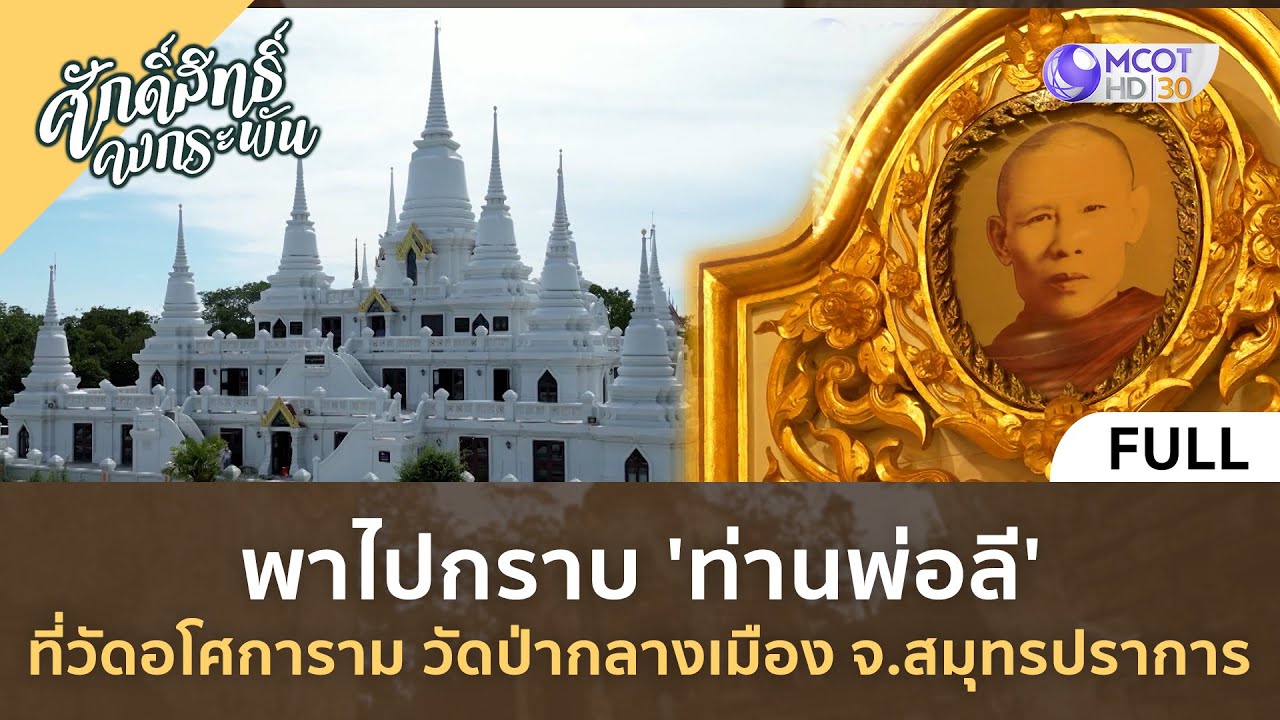
 Click to Access the Navigation Map GPS
Wat Asokaram Map
Gellery
Recommend

 Art, Culture and Heritage
 Historical Sites and Monuments(2)
 Landmarks and Memorials(1)
 Art, Craft Centres, Tradition(9)
 Museums(5)
 Historic Homes and Cities(1)
Temple(30)
Historic Homes and Cities(1)
Temple(30)
 Mosque(1)
 Other Sacred Sites(9)
 Suburban Living
 Local Market(1)
 Floating Market(3)
 Nature and Wildlife
 River, Canal(1)
 Bays and Beaches(2)
 Entertainment and Agricultural
 Zoos and Aquariums(1)
 Animal camps and shows(1)
 Farms, Parks and Ecotourism(1)
 Outdoor and Adventure Activities(1)
 Travel Articles, Recipes
 Travel Review, Food Review(1)


