
lovethailand home >North Travel Attractions >Lampang Travel Attractions >Mueang Lampang >Suan Dok > Than Khan Khao Tradition
TL;DR: Than Khan Khao Tradition, open Held During Important Lanna Buddhist Festivals, hours Usually Around 06.30 – 08.00. is one of the most important merit-making traditions of northern Thailand and reflects the values of gratitude, family connection, and.
Than Khan Khao Tradition
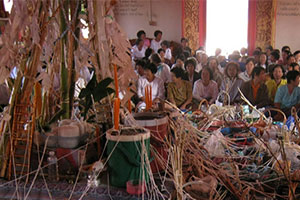
Open Days: Held During Important Lanna Buddhist Festivals
Opening Hours: Usually Around 06.30 – 08.00
Than Khan Khao Tradition is one of the most important merit-making traditions of northern Thailand and reflects the values of gratitude, family connection, and spiritual remembrance within Lanna culture. The tradition centers on making merit and dedicating blessings to deceased relatives and ancestors through food offerings presented to Buddhist monks. It has long been practiced in northern provinces such as Chiang Mai, Lamphun, Lampang, Phrae, Nan, and Chiang Rai, especially during important Buddhist festivals including Songkran, Buddhist Lent, and the end of Buddhist Lent.
The phrase “Than Khan Khao” literally refers to offering food containers or prepared meal sets to monks. In Lanna culture, “Khan Khao” means a food tray or meal arrangement carefully prepared by family members. The tradition therefore represents much more than ordinary merit-making. It symbolizes the continuing bond between the living and the deceased through Buddhist belief and northern Thai cultural practices.
In traditional northern Thai belief, deceased family members and ancestors remain spiritually connected to their descendants. Making merit and dedicating blessings to them is therefore considered an important act of gratitude and remembrance. Older generations often teach younger family members that participating in Than Khan Khao is not only a religious duty but also a moral responsibility toward parents, grandparents, and ancestors who passed away.
Preparation for the ceremony usually begins one day before the merit-making event. Family members help prepare both savory and sweet foods, flowers, incense, candles, and ritual items. One important element is the making of “Suai,” or decorative banana-leaf cones used to hold flowers and incense. These handmade items reflect the craftsmanship and cultural detail characteristic of Lanna traditions.
Another important ritual object is “Nam Yat,” water used during the merit dedication ceremony. The water is usually placed in a small bottle or ceremonial container and later poured into a bowl placed before the monks while participants mentally dedicate merit to deceased relatives. This symbolic act reflects the Lanna Buddhist belief in transferring merit to departed souls.
On the morning of the ceremony, families wake early to warm food and carefully arrange it in traditional food carriers or tiffin containers. Some households prepare elaborate meal sets including local northern dishes, desserts, and fruits. The atmosphere in the early morning is often warm and peaceful as family members help carry food offerings to the temple together.
Upon arriving at the temple, villagers place their food containers in areas prepared by the monks. Flowers and incense are attached to the food carriers as symbols of devotion and sincerity. Some families also write the names of deceased relatives on pieces of paper attached to the offerings so monks can mention their names during the merit-making prayers.
Once enough villagers have gathered, the monks begin the ceremony by praising the local community for preserving ancient traditions and cultural practices. If written names of deceased individuals are included, the monks read them aloud during the ceremony. When no names are provided, monks typically dedicate the merit broadly to ancestors, wandering spirits, guardian spirits, local deities, and all living beings according to Lanna Buddhist beliefs.
One of the most spiritually meaningful moments of the ceremony occurs when monks symbolically invite the spirits of deceased relatives to receive the merit offerings. If the spirits cannot personally receive the merit, the monks request that spiritual messengers deliver the blessings on their behalf. This reflects the Lanna belief that emotional and spiritual bonds between families continue even after death.
Following the dedication ritual, monks chant blessings for participants. During the final part of the chanting, villagers respond together with “Sathu” after hearing the phrase “Ayu Vanno Sukhang Phalang.” This shared response creates a calm and deeply spiritual atmosphere within the temple community. Afterward, novice monks or temple assistants remove the food from the containers to prepare it for the monks’ meal, marking the completion of the ceremony.
Than Khan Khao has important social value because it encourages families to spend meaningful time together. Preparing food, traveling to the temple, and participating in the ceremony collectively strengthen family relationships. Children learn gratitude and cultural responsibility by observing older generations practice these traditions rather than through formal instruction.
The tradition also strengthens community relationships because villagers from many households gather together at the temple. The temple therefore functions not only as a religious center but also as a social and cultural gathering place where local identity and shared values are reinforced.
During the Songkran Festival, Than Khan Khao is often combined with other important northern Thai traditions such as pouring water for elders, bathing Buddha images, and merit-making ceremonies for ancestors. During Buddhist Lent and the end of Buddhist Lent, the tradition becomes more focused on spiritual reflection and religious merit-making.
Although modern lifestyles have changed significantly, Than Khan Khao remains actively practiced in many northern communities, especially in areas where traditional Lanna culture remains strong. Many temples and cultural organizations encourage younger generations to participate in order to preserve northern Thai heritage and maintain cultural continuity.
For international visitors interested in Thai culture, witnessing a Than Khan Khao ceremony provides valuable insight into authentic northern Thai spiritual life. Unlike performances arranged specifically for tourists, this ceremony remains part of everyday community practice and reflects genuine religious devotion, family connection, and cultural identity.
In a broader cultural sense, the Than Khan Khao tradition clearly reflects the Thai concept of gratitude. Remembering deceased relatives through merit-making demonstrates respect, appreciation, and emotional continuity between generations. These values remain deeply important within Thai society and are especially visible in northern cultural traditions.
Getting There depends on the location of participating temples. The tradition can be found throughout northern Thailand, especially in Chiang Mai, Lamphun, Lampang, Phrae, and Nan Provinces. Travelers interested in observing or participating in the ceremony should contact local temples or provincial cultural offices in advance because dates and schedules may vary by community. Most ceremonies take place early in the morning between approximately 06.30 and 08.00.
The Than Khan Khao tradition therefore represents much more than ordinary Buddhist merit-making. It embodies the spiritual values, family relationships, and cultural identity of the Lanna people. Even as society changes over time, the tradition continues to survive because it preserves essential ideas of gratitude, remembrance, and community connection that remain meaningful to northern Thai families today.
| Tradition Name | Than Khan Khao Tradition |
| Category | Lanna Buddhist Merit-Making Tradition |
| Region | Northern Thailand |
| Main Festival Periods | Songkran Festival, Buddhist Lent, End of Buddhist Lent, and other important merit-making occasions |
| Main Activity | Offering food containers to monks and dedicating merit to deceased ancestors |
| Cultural Importance | Represents gratitude, family unity, ancestor remembrance, and preservation of Lanna traditions |
| Main Rituals | Preparing food, making banana-leaf cones, pouring dedication water, and offering food to monks |
| Tradition Caretakers | Lanna communities, local temples, and northern provincial cultural offices |
| Ceremony Time | Usually Around 06.30 – 08.00 |
| Main Areas of Practice | Chiang Mai, Lamphun, Lampang, Phrae, Nan, and other northern provinces |
| Travel Information | Visitors should contact local temples or provincial cultural offices in advance for ceremony schedules |
| Related Temples and Cultural Sites | 1. Wat Phra Singh Woramahawihan, Chiang Mai 2. Wat Chedi Luang Worawihan, Chiang Mai 3. Wat Phra That Hariphunchai, Lamphun 4. Wat Phra That Lampang Luang, Lampang 5. Wat Phumin, Nan |
| Nearby Northern Thai Restaurants | 1. Huen Phen Chiang Mai, Tel. 053-277103 2. Khao Soi Lamduan Fa Ham Chiang Mai, Tel. 053-242092 3. Krua Hlong Khao Chiang Mai, Tel. 083-7641490 4. Wiang Lakon Restaurant Lampang, Tel. 054-222111 5. Huan Hom Nan, Tel. 054-710428 |
| Nearby Accommodations | 1. Wiang Inn Hotel Chiang Rai, Tel. 053-711533 2. U Nimman Chiang Mai, Tel. 052-005111 3. Lampang River Lodge, Lampang, Tel. 054-209999 4. Sasidara Resort Nan, Tel. 054-774777 5. Grand PA Hotel Lamphun, Tel. 053-093699 |
Frequently Asked Questions (FAQ)
Q: What is the Than Khan Khao tradition?
A: It is a northern Thai merit-making tradition in which food offerings are presented to monks and merit is dedicated to deceased relatives and ancestors.
Q: When is the tradition usually held?
A: The tradition is commonly practiced during Songkran, Buddhist Lent, the end of Buddhist Lent, and other important merit-making occasions.
Q: What does “Khan Khao” mean?
A: “Khan Khao” refers to food trays or food containers prepared for religious offerings.
Q: What is the purpose of pouring dedication water?
A: The water is symbolically used to dedicate merit and blessings to deceased relatives according to Lanna Buddhist beliefs.
Q: Why is this tradition important for families?
A: It strengthens family relationships and teaches younger generations about gratitude and respect for ancestors.
Q: Can foreign visitors participate in the ceremony?
A: Yes. Visitors are welcome to observe or participate respectfully while following local temple customs.
Q: Is the tradition still practiced today?
A: Yes. Than Khan Khao remains actively practiced in many northern Thai communities.
 Category: ●Art, Culture and Heritage
 Group: ●Art, Craft Centres, Tradition
Last Update : 4 MonthAgo
 Last Update : 4 MonthAgo
Recommend

 Historical Sites and Monuments(2)
 Landmarks and Memorials(5)
Art, Craft Centres, Tradition(10)
Landmarks and Memorials(5)
Art, Craft Centres, Tradition(10)
 Museums(4)
 Historic Homes and Cities(1)
 Places of Worship
 Temple(86)
 Other Sacred Sites(9)
 Research and Development
 Royal Project(2)
 Suburban Living
 Village, Community(3)
 Local Market(2)
 Nature and Wildlife
 National Parks and Marine Reserves(5)
 Mountain (Doi)(4)
 Dam, Reservoir, Lake(11)
 Waterfalls(15)
 Hot Springs(1)
 Caves(12)
 Flower Field(1)
 River, Canal(1)
 Bays and Beaches(1)
 Other natural attractions(4)
 Entertainment and Agricultural
 Animal camps and shows(1)
 Farms, Parks and Ecotourism(2)
 Outdoor and Adventure Activities(2)
 Shopping
 Shopping and Night Market(2)
 Spas and Wellness
 Spas and Wellness(1)


