
lovethailand home >North Travel Attractions >Lampang Travel Attractions >Muang Pan >Ban Kho > Wat Phra That Chom Koi
TL;DR: Wat Phra That Chom Koi is located at Ban Muang, Moo 8, Ban Kho Subdistrict, Mueang Pan District, Lampang Province, open Daily, hours Daytime.
Wat Phra That Chom Koi

Open Days: Daily
Opening Hours: Daytime
Wat Phra That Chom Koi, also known as Phra That Chom Koi Monastic Residence, is a sacred Buddhist site in Ban Muang, Moo 8, Ban Kho Subdistrict, Mueang Pan District, Lampang Province. It is highly respected by local residents of Ban Kho and by visitors who travel there to pay homage. The site is known for Phra That Chom Koi, the sacred stupa of the community, and for a remarkable large reclining Buddha image woven from bamboo strips, known locally as Phra Chao Tok San or Phra Chao In San. This makes the temple a meaningful destination for travelers interested in local Buddhist devotion, Lanna craft wisdom, and lesser-known cultural sites in Lampang.
Wat Phra That Chom Koi is important both as a religious place and as a cultural attraction of Ban Kho Subdistrict. Visitors come not only to pay respect to the stupa but also to see the unique woven Buddha image, which reflects local craftsmanship and faith. Unlike ordinary Buddha images made from stucco, metal, wood, or brick, Phra Chao Tok San was created by weaving bamboo strips into the form of a large reclining Buddha. The result is a rare combination of Buddhist art, folk craft, and community devotion.
The name Chom Koi suggests a sacred point in the local landscape, while the word Phra That refers to a Buddhist stupa or sacred relic monument. In northern Thai culture, many sacred places are located on hills, ridges, or elevated areas and serve as spiritual landmarks for local communities. Wat Phra That Chom Koi follows this wider Lanna pattern, where geography, faith, and memory are closely connected.
The spiritual importance of Phra That Chom Koi comes from long-standing local belief. The site is a place of worship for the people of Ban Kho and nearby communities, especially during the annual relic-bathing ceremony held in the eighth northern lunar month, known as Duean Paet Peng. During this period, villagers and devotees gather to make merit, bathe the sacred stupa, and express reverence for the sacred site. The event connects the temple with the community and helps preserve local Buddhist tradition.
Duean Paet Peng is an important time in the Lanna ritual calendar. The word Peng refers to the full moon, and the eighth northern lunar month is associated with major Buddhist observances and relic-bathing traditions in many northern Thai communities. At Wat Phra That Chom Koi, the annual bathing of the stupa is both a religious act and a cultural gathering. It expresses purification, devotion, gratitude, and the continuity of local heritage from one generation to the next.
The most distinctive feature of Wat Phra That Chom Koi is the large reclining woven Buddha image. The image is about 12.2 meters long and is made from woven bamboo strips. Creating such a large Buddha image from bamboo strips requires exceptional skill, patience, and understanding of both structure and form. The craftsmen had to shape the reclining body, the curves, the facial expression, and the overall surface through the careful arrangement of countless strips.
Phra Chao Tok San reflects the relationship between Buddhism and local craft culture. Bamboo weaving is familiar in rural northern Thai life, used for household tools, baskets, and everyday objects. At Wat Phra That Chom Koi, this everyday material was elevated into a sacred Buddha image. The result is both a devotional object and a cultural artwork that demonstrates how community craft wisdom can become Buddhist art.
The reclining Buddha posture is associated with the Buddha’s final passing into parinirvana. It reminds worshippers of impermanence, peace, and liberation. When this posture is created through woven bamboo strips, the image also expresses patience, discipline, and collective faith. Visitors should therefore view the Buddha image not only as something unusual but as a work that embodies spiritual meaning and the devotion of those who created it.
The temple also reflects the role of rural monastic sites in northern Thailand. It may not have the scale or facilities of major tourist temples, but its value lies in its sincerity, local faith, and living tradition. Visitors can experience a quieter and more authentic atmosphere than at crowded attractions. The site remains meaningful because local people continue to use it for worship, merit-making, and annual ceremonies.
A meaningful visit should begin with paying respect to Phra That Chom Koi, followed by a calm visit to Phra Chao Tok San. This order helps visitors understand that the site is not only famous for the woven Buddha image but also rooted in the sacred stupa and the faith of Ban Kho community. The temple should be experienced as a place of worship, not merely as a sightseeing spot.
Ban Kho Subdistrict and Mueang Pan District are known for their combination of Buddhist sites, mountain scenery, and rural communities. A visit to Wat Phra That Chom Koi can be combined with other cultural and natural attractions, such as Wat Phra That Doi Phra Chan, Chae Son National Park, Chae Son Hot Springs, Chae Son Waterfall, and Ban Pa Miang. This makes the temple a good stop for travelers who want to explore the quieter cultural side of Lampang.
Getting There is best by private car or rental car. From Lampang city, take Highway 1157 toward Mueang Pan District for about 45 km. Then turn left at Soi Huai Tham in Ban Muang, Moo 8, Ban Kho Subdistrict, Mueang Pan District. Since some sections are local village roads, daytime travel is recommended, and visitors should use navigation together with local signs.
Travelers starting from Lampang city should allow at least half a day for the trip. The route to Mueang Pan passes through communities and natural scenery, and the temple can be combined with nearby attractions. Those who want to include Chae Son National Park in the same itinerary should start early to allow enough time for both the temple and the natural sites.
The best time to visit is in the morning or late afternoon, when the weather is more comfortable. Visitors who want to experience the temple during a living local tradition should plan a trip during the Duean Paet Peng relic-bathing ceremony. Those who prefer a quiet atmosphere may visit on weekdays or outside the festival period.
Visitors should dress modestly and behave respectfully because Wat Phra That Chom Koi is a sacred place for the local community. They should avoid climbing on religious structures, touching the woven Buddha image unnecessarily, making loud noise, or leaving litter. Photography should be done with care and without disturbing worshippers or ceremonies.
Wat Phra That Chom Koi is suitable for many types of travelers. Devotees can come to pay respect to the stupa. Families can introduce children to bamboo-weaving wisdom and local Buddhist culture. Photographers can capture the woven Buddha image and the quiet atmosphere. Cultural travelers can study the relationship between craft, faith, and Buddhist art in a local Lanna community.
Overall, Wat Phra That Chom Koi is one of the distinctive sacred sites of Mueang Pan District. It combines a respected local stupa, the annual Duean Paet Peng relic-bathing ceremony, and a large reclining Buddha image woven from bamboo strips. A visit here is not only an act of worship but also an opportunity to appreciate community faith, Lanna craft wisdom, and the cultural landscape of rural Lampang.
| Name | Wat Phra That Chom Koi / Phra That Chom Koi Monastic Residence |
| Location | Ban Muang, Moo 8, Ban Kho Subdistrict, Mueang Pan District, Lampang Province |
| Highlights | Sacred stupa of Ban Kho community and the large reclining woven Buddha image known as Phra Chao Tok San |
| Distinctive Features | A reclining Buddha image about 12.2 meters long, woven from bamboo strips, representing an outstanding local Buddhist artwork in Lampang |
| Religious Importance | A respected sacred site for residents of Ban Kho Subdistrict and devotees who travel to pay homage |
| Main Areas / Zones | Phra That Chom Koi stupa, Phra Chao Tok San reclining Buddha image, worship area, and community sacred ground |
| Important Tradition | Annual relic-bathing ceremony during Duean Paet Peng, the eighth northern lunar month |
| Travel Information | From Lampang city, take Highway 1157 toward Mueang Pan for about 45 km, then turn left at Soi Huai Tham in Ban Muang, Moo 8, Ban Kho Subdistrict |
| Current Status | Open as a sacred Buddhist site and cultural attraction in Ban Kho Subdistrict, Mueang Pan District, Lampang Province |
| Open Days | Daily |
| Opening Hours | Daytime |
| Fees | Free Admission |
| Nearby Tourist Attractions | 1. Wat Phra That Doi Phra Chan, about 12 km 2. Chae Son National Park, about 24 km, Tel. 089-851-3355 3. Chae Son Hot Springs, about 24 km 4. Chae Son Waterfall, about 25 km 5. Ban Pa Miang, about 34 km |
| Nearby Restaurants | 1. NIYA Cuisine Mueang Pan, about 12 km, Tel. 094-227-7207 2. The First Valley Coffee Academy, about 14 km 3. Trai Khun Mueang Pan, about 14 km 4. Chae Son National Park Shop, about 24 km 5. Krua Rai Ya, about 24 km |
| Nearby Accommodations | 1. Pimpisa Garden, about 15 km, Tel. 064-984-3389 2. Chae Son Vintage, about 23 km 3. Chae Son National Park Accommodation, about 24 km, Tel. 089-851-3355 4. Sherpa Chae Son, about 25 km 5. The Little Earth Farm View, about 34 km |
Frequently Asked Questions (FAQ)
Q: Where is Wat Phra That Chom Koi located?
A: Wat Phra That Chom Koi is located in Ban Muang, Moo 8, Ban Kho Subdistrict, Mueang Pan District, Lampang Province.
Q: What is Wat Phra That Chom Koi known for?
A: The site is known for Phra That Chom Koi, a sacred stupa of Ban Kho community, and a large reclining Buddha image woven from bamboo strips.
Q: What is Phra Chao Tok San?
A: Phra Chao Tok San is a reclining Buddha image made from woven bamboo strips, representing a distinctive local Buddhist artwork at Wat Phra That Chom Koi.
Q: When is the relic-bathing ceremony held?
A: The annual relic-bathing ceremony is held during Duean Paet Peng, the eighth northern lunar month.
Q: How can travelers get to Wat Phra That Chom Koi?
A: From Lampang city, take Highway 1157 toward Mueang Pan for about 45 km, then turn left at Soi Huai Tham in Ban Muang, Moo 8, Ban Kho Subdistrict.
Q: Is there an admission fee?
A: Admission is free. Daytime visits are recommended.
Q: What nearby attractions can be combined with this temple?
A: Nearby attractions include Wat Phra That Doi Phra Chan, Chae Son National Park, Chae Son Hot Springs, Chae Son Waterfall, and Ban Pa Miang.
Q: What should visitors keep in mind when visiting?
A: Visitors should dress modestly, behave respectfully, avoid touching the woven Buddha image unnecessarily, and help keep the sacred site clean.
 Category: ●Places of Worship
 Group: ●Temple
Last Update : 1 MonthAgo
 Last Update : 1 MonthAgo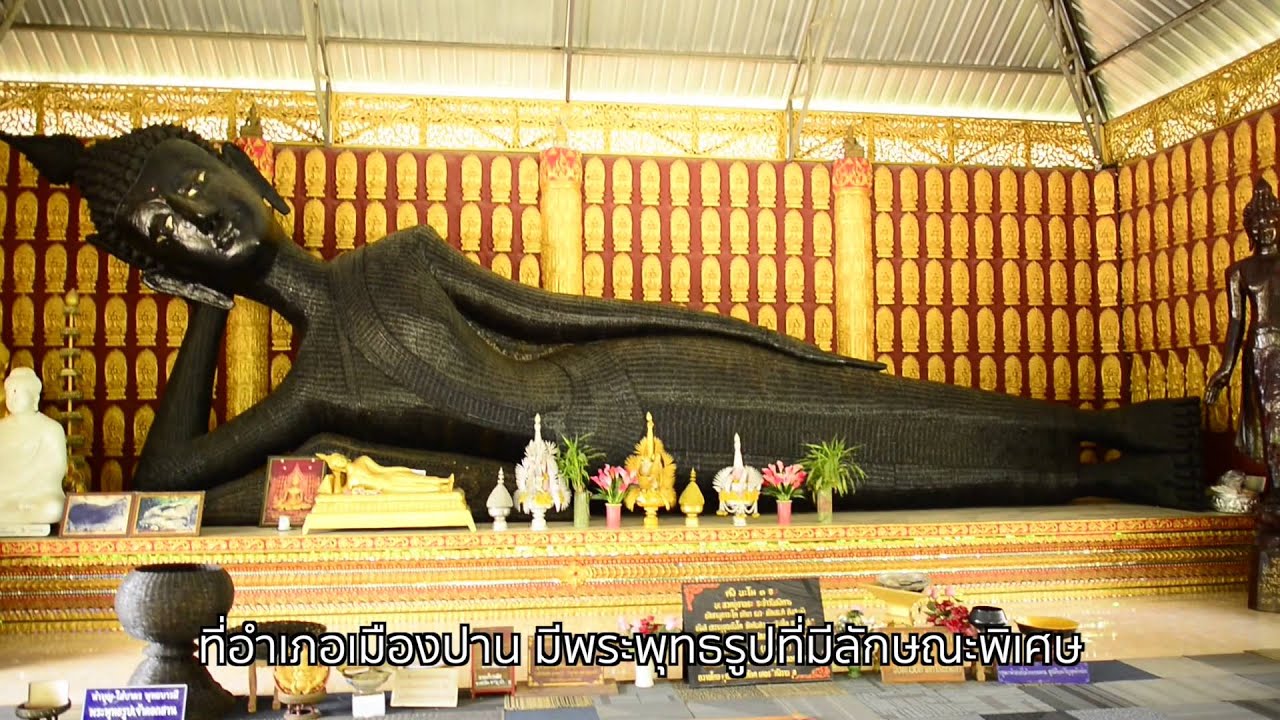
 Click to Access the Navigation Map GPS
Wat Phra That Chom Koi Map
Recommend

 Art, Culture and Heritage
 Historical Sites and Monuments(2)
 Landmarks and Memorials(5)
 Art, Craft Centres, Tradition(10)
 Museums(4)
 Historic Homes and Cities(1)
Temple(86)
Historic Homes and Cities(1)
Temple(86)
 Other Sacred Sites(9)
 Research and Development
 Royal Project(2)
 Suburban Living
 Village, Community(3)
 Local Market(2)
 Nature and Wildlife
 National Parks and Marine Reserves(5)
 Mountain (Doi)(4)
 Dam, Reservoir, Lake(11)
 Waterfalls(15)
 Hot Springs(1)
 Caves(12)
 Flower Field(1)
 River, Canal(1)
 Bays and Beaches(1)
 Other natural attractions(4)
 Entertainment and Agricultural
 Animal camps and shows(1)
 Farms, Parks and Ecotourism(2)
 Outdoor and Adventure Activities(2)
 Shopping
 Shopping and Night Market(2)
 Spas and Wellness
 Spas and Wellness(1)


