
lovethailand home >North Travel Attractions >Lampang Travel Attractions >Mae Tha >Hua Suea > Chao Pho Wang Ngoen Shrine
TL;DR: Chao Pho Wang Ngoen Shrine is located at Ban Pang Ma-O, Village No. 8, Wang Ngoen Subdistrict, Mae Tha District, Lampang Province, open Daily, hours 08.00 – 17.00.

Chao Pho Wang Ngoen Shrine
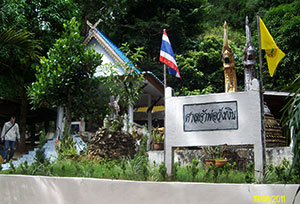
Open Days: Daily
Opening Hours: 08.00 – 17.00
Chao Pho Wang Ngoen Shrine is located at Ban Pang Ma-O, Village No. 8, Wang Ngoen Subdistrict, Mae Tha District, Lampang Province. It is a sacred historical site and local heritage park where visitors can pay respect to the monument of Chao Pho Khun Wang, also known as Chao Pho Wang Ngoen. Local people honor him as an ancestral guardian connected with the period of warfare between Ayutthaya and Burma. The shrine is also surrounded by a rich mountain forest landscape, making it a place where faith, local history, and nature come together.
Ban Pang Ma-O lies along the Lampang – Den Chai route, about 38 km from Lampang city. The village is part of Wang Ngoen Subdistrict in Mae Tha District and is known for its cool mountain setting, fertile environment, and proximity to the forested area near Wiang Kosai National Park. The atmosphere around the shrine is peaceful and deeply local. Visitors who come here can experience both the sacred presence of the monument and the quiet charm of a mountain community.
The legend of Chao Pho Wang Ngoen is connected with Khun Wang, a heroic figure believed by local people to have protected the area during a time of conflict with Burmese forces. Because Ban Pang Ma-O and Wang Ngoen Subdistrict are located near routes linking Lampang and Phrae, the area has long been remembered as a strategic mountain passage. Chao Pho Wang Ngoen is therefore respected as a guardian of the hills, forests, and the local community.
The name “Chao Pho Wang Ngoen” carries both spiritual and geographical meaning. Local stories describe him as a protective figure associated with guarding important possessions or treasures of the land during wartime. This belief fits the landscape of the area, which consists of mountains, forest, and old travel routes. For many local residents, the shrine functions as a spiritual landmark that protects travelers and honors the courage of ancestors who defended the land.
The monument of Chao Pho Khun Wang is the central point of worship within the shrine area. Visitors often come to pray for safe travel, protection, career success, family well-being, and stability in life. Some visitors are local descendants or devotees who maintain long-standing faith in the shrine, while others are travelers passing through the Lampang – Den Chai route who stop to pay respect before continuing their journey.
Chao Pho Wang Ngoen Shrine also plays an important role in local ceremonies. In April, the community holds worship and offering activities for Chao Pho Wang Ngoen. These ceremonies are connected with northern Thai traditions of respect, gratitude, and communal blessing. Local authorities, the Wang Ngoen Cultural Council, village leaders, and residents take part in the event to honor the guardian spirit and strengthen unity within the community.
One of the most interesting aspects of the shrine is its location in Ban Pang Ma-O. This mountain village has a cool climate and a strong agricultural identity. It is known for shiitake mushrooms, coffee, and local farming activities. The village has also been promoted as a conservation-based and community-based tourism destination. A visit to the shrine can therefore be combined with learning about local agriculture, mountain scenery, and the quiet way of life in Pang Ma-O.
From a local history perspective, Chao Pho Wang Ngoen Shrine shows how community memory can be preserved outside formal museums. Many local stories live through shrines, monuments, rituals, and oral traditions. Even when some historical details are passed down through legend, the cultural meaning remains strong. The shrine continues to be important because people still worship there, hold ceremonies, and pass the story of Chao Pho Wang Ngoen to younger generations.
For cultural travelers, the shrine is a meaningful stop on the route from Lampang city toward Mae Tha District and Phrae Province. The Lampang – Den Chai road offers a different experience from the old-town attractions of Lampang city. Instead of temples, museums, and markets, this route introduces travelers to mountain communities, forest scenery, and sacred places that are deeply rooted in local belief.
The surrounding forest gives the shrine a calm and solemn atmosphere. Visitors should behave respectfully, dress politely, avoid loud noise, keep the area clean, and respect both the sacred space and the natural environment. If visiting as a group, it is best to manage time and movement carefully so as not to disturb worshippers or local residents.
Paying respect at Chao Pho Wang Ngoen Shrine can be simple. Visitors may bring flowers, incense, candles, or appropriate offerings, but the most important part is a respectful mind. Many people pray for safe travel because the shrine is located along a mountain route. This makes the shrine especially meaningful as a spiritual stop for drivers and travelers.
For nature lovers, Ban Pang Ma-O is also worth exploring. The village’s mountain climate supports agriculture such as shiitake mushrooms and coffee. Visitors can continue from the shrine to local cafes, homestays, and agricultural learning spots. This turns the visit into a broader community travel experience, not just a short stop at a shrine.
As a cultural landscape, Chao Pho Wang Ngoen Shrine has three important elements: the monument of Chao Pho Khun Wang as a symbol of local heroism, the surrounding forest as the natural environment of the community, and Ban Pang Ma-O as a mountain village with a distinctive agricultural identity. Together, these elements make the shrine more than a worship site. It is a place where history, belief, and environment are closely connected.
The shrine is suitable for several types of travelers. Those seeking blessings can pay respect to the guardian spirit. History lovers can learn about a local heroic legend connected with warfare and border routes. Community-based travelers can explore Ban Pang Ma-O, its agriculture, and its mountain atmosphere. Visitors who prefer lesser-known destinations will find the shrine quiet, meaningful, and different from mainstream attractions in Lampang.
The best time to visit is in the morning or late afternoon, when the air is cooler and the light is comfortable for walking and photography. During the rainy season, travelers should check road conditions because mountain routes may have rain, fog, or slippery surfaces. The late rainy season and cool season are especially pleasant for visiting Ban Pang Ma-O, as the village atmosphere becomes greener and fresher.
Photography should be done respectfully. Good subjects include the shrine area, the monument of Chao Pho Khun Wang, the surrounding forest, and the rural mountain atmosphere. Visitors should avoid disturbing people who are praying or participating in ceremonies. If a community ritual is taking place, photography should be done from an appropriate distance unless permission is given.
Getting There is easiest by private car. From Lampang city, take the Lampang – Den Chai route toward Mae Tha District and Wang Ngoen Subdistrict, then continue to Ban Pang Ma-O, Village No. 8. The distance from Lampang city is about 38 km. The road is suitable for cars, but drivers should use caution on curves, slopes, rainy sections, and foggy weather.
Travelers starting from Mae Tha District can continue toward Wang Ngoen Subdistrict and Ban Pang Ma-O. The shrine can be combined with other attractions in Mae Tha, such as Wat Phra That Doi Phra Chan, Wat Phra That San Don and its bamboo bridge, Mae Chok Hot Spring, Wiang Kosai National Park, and the Ban Pang Ma-O conservation tourism community. This makes the route suitable for a full-day cultural and nature trip.
A half-day route can begin from Lampang city in the morning, stop at Chao Pho Wang Ngoen Shrine for worship, continue to Ban Pang Ma-O community or a local cafe, and return to Lampang in the afternoon. This route is suitable for travelers with limited time who still want to experience mountain scenery and a rural community. A full-day route can continue to Wat Phra That Doi Phra Chan or Wiang Kosai National Park, depending on road conditions and weather.
For overnight travel, staying in Ban Pang Ma-O or Mae Tha District allows visitors to enjoy the cool morning atmosphere and the slower rhythm of the community. Local options include homestays, cafe homestays, and resorts along the Lampang – Mae Tha route. Travelers who prefer more convenience can stay in Lampang city and make a day trip to the shrine.
In community-based tourism, Chao Pho Wang Ngoen Shrine connects naturally with the story of Ban Pang Ma-O. The village is known for its higher elevation, cool climate, shiitake mushrooms, and coffee cultivation. Visiting the shrine can lead to a broader understanding of mountain agriculture, local products, and the relationship between belief and livelihood.
Symbolically, Chao Pho Wang Ngoen represents courage and protection, while Ban Pang Ma-O represents life in the mountains and the community’s effort to develop conservation-based tourism. When visitors understand both dimensions, the shrine becomes more meaningful. It is not only a monument, but a living place where belief, history, and everyday life are preserved together.
Visitors should respect both the shrine and the community. Do not litter, make loud noise, block local roads, or enter farmland without permission. When photographing local people, farms, or private areas, asking permission first is the proper approach. Responsible travel helps maintain a positive relationship between visitors and the community.
Overall, Chao Pho Wang Ngoen Shrine is worth visiting for travelers who want to understand Lampang beyond its famous temples and old-town attractions. The shrine introduces visitors to a local heroic legend, community rituals, mountain guardianship beliefs, Ban Pang Ma-O’s agricultural identity, and a forested landscape that remains closely tied to local life. A visit here shows that local history is not found only in museums, but also in shrines, ceremonies, and the continuing faith of the people.
| Name | Chao Pho Wang Ngoen Shrine |
| Location | Ban Pang Ma-O, Village No. 8, Wang Ngoen Subdistrict, Mae Tha District, Lampang Province |
| Address | Ban Pang Ma-O, Village No. 8, Wang Ngoen Subdistrict, Mae Tha District, Lampang 52150 |
| Coordinates | 3MF6+MP2, Wang Ngoen Subdistrict, Mae Tha District, Lampang Province |
| Highlights | Historical shrine and heritage park with the monument of Chao Pho Khun Wang, or Chao Pho Wang Ngoen, set amid forested mountain scenery in Ban Pang Ma-O |
| History | Associated with the legend of Chao Pho Khun Wang, a local ancestral hero from the Ayutthaya-period conflict with Burma, respected as a guardian of hills, forests, and old border routes between Lampang and Phrae |
| Name Origin | The name Chao Pho Wang Ngoen is linked with local belief in a guardian spirit who protected the area and important possessions of the land during wartime, located in Wang Ngoen Subdistrict. |
| Distinctive Features | Monument of Chao Pho Khun Wang, worship area, peaceful forest surroundings, and connection with the Ban Pang Ma-O conservation tourism community |
| Travel Information | From Lampang city, take the Lampang – Den Chai road toward Mae Tha District and Wang Ngoen Subdistrict, then continue to Ban Pang Ma-O. The distance is about 38 km and private car travel is recommended. |
| Current Status | Open to visitors and worshippers as a sacred historical attraction of Wang Ngoen Subdistrict |
| Open Days | Daily |
| Opening Hours | 08.00 – 17.00 |
| Fees | No Admission Fee |
| Facilities | Worship area, monument area, parking where available, access road to Ban Pang Ma-O community, and nearby community shops or cafes |
| Main Areas / Zones | Chao Pho Khun Wang monument, worship area, Chao Pho Wang Ngoen shrine, surrounding forest area, and Ban Pang Ma-O community |
| Caretaker | Wang Ngoen Subdistrict Administrative Organization, Wang Ngoen Cultural Council, and Ban Pang Ma-O community |
| Main Contact Number | Wang Ngoen Subdistrict Administrative Organization, Tel. 054-828-149 |
| Important Tradition | Annual worship and offering ceremony for Chao Pho Wang Ngoen in April, supported by local authorities, Wang Ngoen Cultural Council, and residents |
| Visitor Guidelines | Dress politely, respect the sacred area, avoid loud noise, do not litter, do not block local roads, and avoid disturbing community ceremonies. |
| Nearby Tourist Attractions | 1. Ban Pang Ma-O Conservation Tourism Community, about 0 km 2. Pang Ma-O Shiitake Mushroom And Coffee Learning Area, about 1 km 3. Homdoi Cafe & Homestay Pang Ma-O, about 2 km 4. Wiang Kosai National Park, about 15 km 5. Wat Phra That Doi Phra Chan, about 40 km 6. Wat Phra That San Don And Bamboo Bridge, about 42 km 7. Mae Chok Hot Spring, about 55 km |
| Nearby Restaurants | 1. Homdoi Cafe & Homestay Pang Ma-O, about 2 km 2. Phu Doi Fresh Shiitake Mushroom Farm, about 3 km 3. Local Food Shops In Ban Pang Ma-O, about 1 – 3 km 4. Ton Ja Phochana Mae Tha, about 35 km, Tel. 062-562-5119 5. Ros Dang Mae Tha Lampang, about 36 km, Tel. 088-261-2461 6. Na Nom Lampang – Mae Tha Road, about 38 km, Tel. 097-934-1777 |
| Nearby Accommodations | 1. Homdoi Cafe & Homestay Pang Ma-O, about 2 km 2. Bon Doi Lampang, Ban Pang Ma-O, about 2 km 3. Phorpun Resort Lampang, about 30 km, Tel. 095-661-4296 4. KEPT CABANA, about 35 km, Tel. 063-941-6426, 096-419-8928 5. Lampang Vintage Hotel, about 40 km, Tel. 093-131-2111 6. ABIZZ Hotel Lampang, about 40 km, Tel. 054-209-794-5, 097-923-4994 |
Frequently Asked Questions (FAQ)
Q: Where is Chao Pho Wang Ngoen Shrine located?
A: It is located at Ban Pang Ma-O, Village No. 8, Wang Ngoen Subdistrict, Mae Tha District, Lampang Province, along the Lampang – Den Chai route.
Q: Why is Chao Pho Wang Ngoen Shrine important?
A: It is a sacred historical site with a monument of Chao Pho Khun Wang, or Chao Pho Wang Ngoen, respected as a local guardian and heroic ancestral figure of Wang Ngoen Subdistrict.
Q: What are the opening hours of Chao Pho Wang Ngoen Shrine?
A: The shrine is open daily from 08.00 to 17.00.
Q: Is there an admission fee?
A: No. Visitors can enter and pay respect without an admission fee.
Q: What important ceremony is connected with the shrine?
A: The community holds an annual worship and offering ceremony for Chao Pho Wang Ngoen in April, with participation from local authorities, the cultural council, and residents.
Q: How can travelers get to the shrine?
A: From Lampang city, take the Lampang – Den Chai road toward Mae Tha District and Wang Ngoen Subdistrict, then continue to Ban Pang Ma-O. Private car travel is the most convenient option.
Q: What do people usually pray for at the shrine?
A: Visitors often pray for safe travel, protection, career success, family well-being, stability, and success in important duties.
Q: What nearby attractions can be visited after Chao Pho Wang Ngoen Shrine?
A: Nearby places include Ban Pang Ma-O Conservation Tourism Community, Pang Ma-O mushroom and coffee learning areas, Homdoi Cafe & Homestay, Wiang Kosai National Park, Wat Phra That Doi Phra Chan, and Wat Phra That San Don.
 Category: ●Places of Worship
 Group: ●Other Sacred Sites
Last Update : 5 MonthAgo
 Last Update : 5 MonthAgo
 Click to Access the Navigation Map GPS
Chao Pho Wang Ngoen Shrine Map
Recommend

 Art, Culture and Heritage
 Historical Sites and Monuments(2)
 Landmarks and Memorials(5)
 Art, Craft Centres, Tradition(10)
 Museums(4)
 Historic Homes and Cities(1)
 Temple(86)
Other Sacred Sites(9)
Temple(86)
Other Sacred Sites(9)
 Research and Development
 Royal Project(2)
 Suburban Living
 Village, Community(3)
 Local Market(2)
 Nature and Wildlife
 National Parks and Marine Reserves(5)
 Mountain (Doi)(4)
 Dam, Reservoir, Lake(11)
 Waterfalls(15)
 Hot Springs(1)
 Caves(12)
 Flower Field(1)
 River, Canal(1)
 Bays and Beaches(1)
 Other natural attractions(4)
 Entertainment and Agricultural
 Animal camps and shows(1)
 Farms, Parks and Ecotourism(2)
 Outdoor and Adventure Activities(2)
 Shopping
 Shopping and Night Market(2)
 Spas and Wellness
 Spas and Wellness(1)


