
lovethailand home >North Travel Attractions
>Lampang Travel Attractions >Mae Tha
>Mae Tha
> Weluwanaram Monastic Residence (Wat Suen Sang Tang..
TL;DR: Weluwanaram Monastic Residence (Wat Suen Sang Tang) is located at Mae Tha Subdistrict, Mae Tha District, Lampang Province, open Daily, hours Open During Regular Temple Activity Hours.
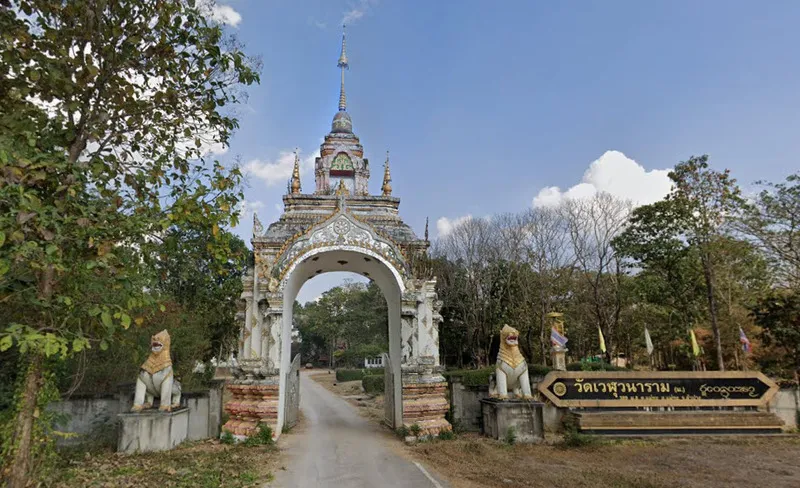
Weluwanaram Monastic Residence (Wat Suen Sang Tang)
Open Days: Daily
Opening Hours: Open During Regular Temple Activity Hours
Weluwanaram Monastic Residence, also known locally as Wat Soon Sang Thang, is located in Mae Tha Subdistrict, Mae Tha District, Lampang Province, near the Lampang Road Construction Center and the Lampang–Den Chai route. It is a peaceful Buddhist site on a hillside, known for its hilltop Buddha image, Phra Phuttha Siri Rattanamongkhon, where visitors can walk up to pay respect and enjoy a panoramic view of Mae Tha Subdistrict. For travelers passing through Mae Tha or heading toward Wang Chin District in Phrae Province, this temple is a meaningful stop for worship, rest, and scenic views.
This place is especially suitable for travelers who enjoy quiet local temples rather than crowded tourist attractions. Its location near the main road makes it easy to visit by private car, while its hillside setting gives the temple a distinctive atmosphere. Visitors can come to make merit, pay respect to the Buddha image, observe the surrounding landscape, and experience a more local side of Lampang’s Buddhist culture.
The local name “Wat Soon Sang Thang” is connected to its location near the Lampang Road Construction Center. In Thai, “Soon Sang Thang” means road construction center, and this nearby landmark has become a practical way for local people and travelers to identify the temple. The name shows how temples in Thai communities are often remembered through their relationship with roads, neighborhoods, public offices, and local geography.
The main spiritual focus of the temple is Phra Phuttha Siri Rattanamongkhon, a Buddha image enshrined on the hill. The act of walking up to pay respect creates a quiet and contemplative experience. It gives visitors time to slow down, prepare their minds, and approach the sacred area with respect. From the upper area, visitors can also enjoy views of Mae Tha, including local communities, roads, green areas, and the surrounding hills.
Mae Tha Subdistrict has a calm rural atmosphere, with Buddhist temples, agricultural land, communities, and natural scenery. Because of its hillside position, Weluwanaram offers a broad view of this local landscape. The temple is therefore not only a place of worship, but also a viewpoint where travelers can understand the geography and atmosphere of Mae Tha District more clearly.
Another important identity of Wat Weluwanaram is its role in caring for stray dogs and cats. The temple has become widely known for providing shelter and care for many abandoned animals. This work reflects Buddhist compassion in a very practical form. The temple’s merit-making culture is not limited to rituals; it also includes kindness toward living beings that need protection, food, and care.
The animal-care role gives the temple a distinctive identity in Lampang Province. Monks and supporters are involved in feeding, sheltering, and caring for the animals within the temple area. For visitors, this adds another layer of meaning to the visit. The temple is not only a site for worship and scenic views, but also a living example of compassion in action.
The abbot of Wat Weluwanaram is Phra Khru Weluwan Sutthawat, also known as Wichai Akkawamso, Pali Studies Level 4. His role is important in temple administration, Buddhist activities, community relations, and the ongoing care of the animals sheltered at the temple. Visitors who wish to make merit, support the temple, or donate items should contact the temple directly through its public contact channels.
For cultural travelers, Wat Weluwanaram is a good stop on a Mae Tha route. It can be combined with other places in Lampang, such as Wat Nakot Luang, Wat Phra That Doi Phra Chan, Wat Phra That Lampang Luang, and Wat Lai Hin Luang. This type of route allows visitors to see different aspects of Lampang’s temple culture, from hilltop viewpoints and local community temples to historically important Lanna sites.
Visitors who walk up to the Buddha image should do so carefully, especially during hot weather or after rain. Comfortable footwear is recommended, and visitors should bring drinking water if they plan to spend time on the hill. The upper area is suitable for worship, quiet reflection, photography, and viewing the Mae Tha landscape, but visitors should remain respectful because it is a religious site.
Those who wish to support the temple should contact the temple before donating items. Since the temple cares for many animals, food, supplies, bedding, cleaning materials, or financial support may be useful, but the needs can change over time. Direct contact helps ensure that any donation is genuinely useful and matches the temple’s current situation.
Wat Weluwanaram also reflects the changing role of Thai temples in contemporary society. While temples remain places for prayer, merit-making, and Buddhist ceremonies, some temples also respond to social issues. In this case, the temple’s care for abandoned animals makes it a place where Buddhist compassion is expressed through daily responsibility and long-term service.
Visitors should remember that the temple is both a religious place and an animal-care area. It is best not to feed animals without asking the caretakers, not to enter restricted areas, and not to disturb monks, volunteers, or temple staff. Respectful behavior helps protect the temple’s work and keeps the visit meaningful for everyone.
The viewpoint is one of the main reasons to visit. From the hilltop area, travelers can see the landscape of Mae Tha Subdistrict, including roads, villages, green areas, and surrounding hills. The best time to visit is usually in the morning or late afternoon when the sunlight is softer and the weather is more comfortable.
Getting There is convenient by private car from Lampang City. Travelers can head toward Mae Tha District and continue along the Lampang–Den Chai route or the road toward Wang Chin District in Phrae Province. The temple is located near the Lampang Road Construction Center, which serves as a useful landmark. Visitors can also search for Wat Weluwanaram on online maps to navigate directly to the temple.
Public transport may require additional local connections, so a private car is the most practical choice, especially for travelers planning to visit several places in Mae Tha on the same day. Daytime travel is recommended for safety, visibility, and more comfortable walking conditions.
The temple is also suitable for photography, especially around the hill path, the Buddha image, the viewpoint, and the temple landscape. Photography should be done respectfully, without disturbing worshippers, monks, or restricted animal-care zones. Visitors should avoid entering any private monastic areas without permission.
In summary, Weluwanaram Monastic Residence, or Wat Soon Sang Thang, is a meaningful Buddhist site in Mae Tha District, Lampang Province. It combines hilltop worship, a scenic viewpoint, local identity, and a strong role in caring for stray animals. For travelers looking for a peaceful stop in Mae Tha, this temple offers both spiritual value and a deeper understanding of compassion in Thai Buddhist practice.
| Name | Weluwanaram Monastic Residence / Wat Soon Sang Thang |
| Location | Mae Tha Subdistrict, Mae Tha District, Lampang Province |
| Address | 389 Wachirawut Damnoen Road, Mae Tha Subdistrict, Mae Tha District, Lampang Province 52150 |
| Highlights | Hilltop Phra Phuttha Siri Rattanamongkhon Buddha image, Mae Tha viewpoint, and a temple known for caring for stray dogs and cats |
| Distinctive Features | A hillside Buddhist site near the Lampang Road Construction Center, suitable for worship, scenic views, and a peaceful stop during travel |
| Important Areas | Phra Phuttha Siri Rattanamongkhon, hilltop worship area, Mae Tha viewpoint, and the temple’s stray animal care area |
| Travel Information | Travel from Lampang City toward Mae Tha District, using the Lampang–Den Chai route or the road toward Wang Chin District, Phrae Province. The temple is near the Lampang Road Construction Center |
| Current Status | Active Buddhist temple in Mae Tha Subdistrict, open for worship, scenic visits, merit-making, and animal-care support |
| Open Days | Daily |
| Opening Hours | Open During Regular Temple Activity Hours |
| Abbot / Caretaker | Phra Khru Weluwan Sutthawat (Wichai Akkawamso, Pali Studies Level 4) |
| Main Contact Number | 095-239-5647 |
| Official Website / Official Page | Facebook: Wat Weluwanaram |
| Nearby Tourist Attractions | 1. Wat Nakot Luang, about 11 km 2. Wat Phra That Doi Phra Chan, about 13 km 3. Wat Phra That Lampang Luang, about 18 km 4. Wat Lai Hin Luang, about 19 km 5. Kad Kong Ta Walking Street, about 26 km |
| Nearby Restaurants | 1. Ran Ahan Rot Dang Mae Tha, about 6 km, Tel. 088-261-2461 2. Phu Doi Shiitake Mushroom Farm, about 9 km 3. Homdoi Cafe & Homestay, about 10 km 4. Baan Khot Kat Tong, about 11 km 5. KEPT Horizonline, about 19 km, Tel. 086-428-0223 |
| Nearby Accommodations | 1. Bunnum Homestay, about 12 km 2. Bon Doi Lampang, about 13 km 3. Phorpun Resort Lampang, about 17 km, Tel. 095-661-4296 4. KEPT CABANA, about 19 km, Tel. 063-941-6426, 096-419-8928 5. ABIZZ Hotel, about 22 km |
Frequently Asked Questions (FAQ)
Q: Where is Weluwanaram Monastic Residence or Wat Soon Sang Thang located?
A: It is located in Mae Tha Subdistrict, Mae Tha District, Lampang Province, near the Lampang Road Construction Center on the Lampang–Den Chai route.
Q: What is the main highlight of Wat Soon Sang Thang?
A: The main highlight is Phra Phuttha Siri Rattanamongkhon, a Buddha image enshrined on the hill, where visitors can pay respect and enjoy views of Mae Tha.
Q: Who is the abbot of Wat Weluwanaram?
A: The abbot is Phra Khru Weluwan Sutthawat, also known as Wichai Akkawamso, Pali Studies Level 4.
Q: What is the main contact number of Wat Weluwanaram?
A: The main contact number is 095-239-5647.
Q: How can visitors get to Wat Weluwanaram?
A: The most convenient way is by private car from Lampang City toward Mae Tha District, using the Lampang–Den Chai route or the road toward Wang Chin District in Phrae Province.
Q: What type of travelers should visit this temple?
A: It is suitable for travelers who want to pay respect to a hilltop Buddha image, enjoy a peaceful viewpoint, make merit, and learn about a temple known for compassion toward stray animals.
Q: What nearby attractions can visitors combine with this temple?
A: Nearby attractions include Wat Nakot Luang, Wat Phra That Doi Phra Chan, Wat Phra That Lampang Luang, Wat Lai Hin Luang, and Kad Kong Ta Walking Street.
 Category: ●Places of Worship
 Group: ●Temple
Last Update : 2 WeekAgo
 Last Update : 2 WeekAgo
 Click to Access the Navigation Map GPS
Weluwanaram Monastic Residence (Wat Suen Sang Tang) Map
Recommend
 Art, Culture and Heritage
 Historical Sites and Monuments(2)
 Landmarks and Memorials(5)
 Art, Craft Centres, Tradition(10)
 Museums(4)
 Historical Houses and The Ancient City(1)
 University Temple(86/684)
 Other religious and spiritural sites(9)
 Research and Development
 Royal Project(2)
 Suburban Living
 Village, Community(3)
 Local Market(2)
 Nature and Wildlife
 National Parks and Marine Reserves(5)
 Mountain (Doi)(4)
 Dam, Reservoir, Lake(11)
 Waterfalls(15)
 Hot Springs(1)
 Caves(12)
 Flower Field(1)
 River, Canal(1)
 Bays and Beaches(1)
 Other natural attractions(4)
 Entertainment and Agricultural
 Animal camps and shows(1)
 Farm, Parks, Gardens and Ecotourism(2)
 Outdoor and Adventure Activities(2)
 Shopping
 Shopping and Night Market(2)
 Spas and Wellness
 Spas and Wellness(1)


