
lovethailand home >North Travel Attractions >Lampang Travel Attractions >Mae Phrik >Mae Phrik > Wat Phra Phutthabat Wang Tuang
TL;DR: Wat Phra Phutthabat Wang Tuang is located at Phrabat Wang Tuang Subdistrict, Mae Phrik District, Lampang Province, open Daily, hours 08.00 - 17.00.

Wat Phra Phutthabat Wang Tuang
Open Days: Daily
Opening Hours: 08.00 - 17.00
Wat Phra Phutthabat Wang Tuang in Lampang Province is an important Buddhist temple in Mae Phrik District, known for its sacred Buddha footprint, marble viharn, naga staircase, hilltop viewpoint, and legends connected with the Wang River. The temple is suitable for travelers who want to combine merit-making, local history, Lanna cultural beliefs, and a quiet natural setting in one meaningful stop.
The temple is located in Phrabat Wang Tuang Subdistrict, Mae Phrik District, Lampang Province, close to the Wang River. The Wang River is one of the important rivers of northern Thailand, together with the Ping, Yom, and Nan rivers. Its presence gives the area a calm and rooted atmosphere, linking the temple with the long-standing settlement patterns of local communities. For visitors, Wat Phra Phutthabat Wang Tuang offers not only a religious site, but also a chance to understand how temples, rivers, hills, and village life are closely connected in northern Thai culture.
One of the most visually impressive features of the temple is its marble viharn. The use of marble gives the building a bright, refined, and dignified appearance. During the day, natural light reflects softly on the marble surface, creating a calm and elegant atmosphere. The viharn is especially attractive for visitors who appreciate temple architecture, craftsmanship, and peaceful spaces for prayer and reflection.
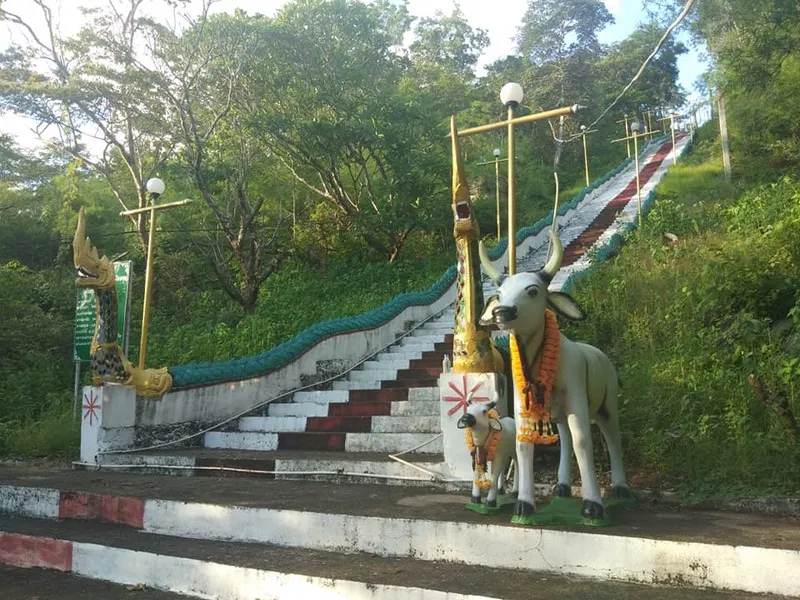
The temple is also highly respected because of the Buddha footprint enshrined on the hill within the temple grounds. To reach the sacred footprint area, visitors climb a naga staircase of more than 100 steps. This climb is both physical and spiritual. Each step gradually leads visitors away from the lower temple area toward the more sacred hilltop space where the footprint is enshrined.
The naga staircase is an important part of the experience. In Thai and Lanna Buddhist art, the naga is a symbolic guardian of sacred places and a protector of Buddhism. Walking up the naga staircase gives visitors a sense of transition from an ordinary temple courtyard into a more contemplative and sacred environment. The climb should be taken slowly and respectfully, especially for elderly visitors or anyone not used to stairs.
At the top of the hill, visitors can pay respect to the Buddha footprint and enjoy a broad view over Mae Phrik District. On a clear day, the viewpoint reveals the surrounding community, green landscape, and the natural setting of the district. This makes the hilltop area meaningful not only for worship, but also for quiet appreciation of the scenery. The combination of faith and landscape is one of the strongest charms of Wat Phra Phutthabat Wang Tuang.
Historically, Wat Phra Phutthabat Wang Tuang was established in 1937 and belongs to the Mahanikaya order of Thai Buddhism. Historical temple records describe the temple as having a viharn, sermon hall, monk residences, and a mondop covering the Buddha footprint. The important sacred objects include the Buddha footprint and the footprint of Phra Ananda. These details show that the temple has served as a religious center of the local community for many decades.
The temple is also associated with the Phra Chao Liap Lok legend, a well-known northern Buddhist narrative about the Buddha’s journey through different places. According to the local legend, the Buddha once came to this hill and subdued naga beings connected with the Wang River. After receiving the Buddha’s teaching, the naga requested a Buddha footprint for humans, deities, and all beings to worship. The legend also mentions a footprint of Phra Ananda, adding another sacred layer to the identity of the temple.
The name “Wang Tuang” is also meaningful. In the local northern Thai language, the word “tuang” is linked with the idea of struggling or moving about. The legend explains that the naga was subdued by the Buddha’s spiritual power and moved restlessly in the Wang River area. Over time, the name “Wang Tuang” became attached to the place. This makes the temple name not only a geographic label, but also a vessel of local belief and memory.
Another story connected with the temple concerns a mysterious glowing orb said to have appeared above Doi Phra Bat Wang Tuang on Buddhist holy days in earlier times. For local people, this story strengthens the sense that the hill is a sacred place. Whether visitors approach it as belief, folklore, or cultural memory, the story adds depth to the temple and helps explain why the site continues to be respected by the community.
For travelers interested in Lanna culture, Wat Phra Phutthabat Wang Tuang clearly demonstrates the relationship between Buddhism and the natural landscape. Many northern temples are located near hills, rivers, or important community routes, because these places have long been seen as spiritually meaningful. Here, the hill, the Wang River, the Buddha footprint, and the marble viharn all work together to create a sacred landscape rooted in local identity.
An important annual tradition at the temple is the ritual of bathing the Buddha footprint. This ceremony takes place around the eighth lunar month according to Lanna tradition. Local residents and devotees gather for merit-making, almsgiving, and a walk up the hill to pay respect to the sacred footprint. The footprint is ritually bathed with turmeric water, sompoi water, fragrant water, and perfume, reflecting the Lanna belief in purification, respect, and auspiciousness.
The bathing of the Buddha footprint is more than a ceremonial act. It expresses devotion to the Buddha and strengthens the connection between the community and the sacred place. For many participants, the ritual is a way to cleanse the mind, renew faith, and maintain a tradition handed down through generations. Visitors who have the opportunity to witness this event can gain a deeper understanding of local Buddhist practice in Mae Phrik District.
As a travel destination, Wat Phra Phutthabat Wang Tuang is ideal for those who prefer quiet, meaningful temples rather than crowded tourist sites. Visitors can appreciate the marble viharn, pay respect to the Buddha footprint, climb the naga staircase, see the view over Mae Phrik, and learn about local legends in one visit. The site suits Buddhist pilgrims, cultural travelers, history lovers, and nature-oriented visitors.
The temple can also be included in a wider Mae Phrik travel route. Nearby places include Wat Tham Nam Pha Pha Ngam, Wat Phra That Nam Bo Kaew, Mae Phrik Market, Mae Wa National Park, and Mae Wa Waterfall. A half-day or full-day route can begin with worship and hilltop views at Wat Phra Phutthabat Wang Tuang, followed by a cave temple, local market, or natural attraction nearby.
Getting There is most convenient by private car. From Lampang city, follow Highway 1 toward Thoen and Mae Phrik District, then continue into Phrabat Wang Tuang Subdistrict. This route is part of the main road connection between Lampang and Tak, making the temple suitable both for visitors intentionally exploring Mae Phrik and for travelers who want to stop for worship while driving through southern Lampang.
Travelers using public transport can get off in Mae Phrik District or near Phrabat Wang Tuang Subdistrict and arrange a local vehicle to the temple. However, private car travel is recommended because it allows visitors to combine the temple with nearby attractions and manage their time more comfortably, especially if they plan to climb the staircase and spend time at the viewpoint.
The best time to visit is in the morning or late afternoon when the temperature is more comfortable. Since visitors need to climb more than 100 steps to reach the Buddha footprint, avoiding the strongest midday heat will make the visit more pleasant. Morning light also suits photography around the viharn and temple grounds, while late afternoon offers a softer atmosphere for viewing the surrounding district.
Visitors should dress modestly because the temple is an active religious site. Quiet behavior, respectful photography, and proper conduct around sacred objects are important. Those who plan to climb the hill should wear comfortable shoes and take breaks as needed. Elderly visitors can still enjoy the lower temple area and marble viharn even if they choose not to climb all the way to the Buddha footprint.
The marble viharn deserves careful attention. Its clean surfaces, graceful appearance, and cool visual tone distinguish it from many rural temples. The building reflects the devotion of local people and supporters who contributed to the creation of a temple structure worthy of the sacred Buddha footprint. Visitors interested in architecture should take time to observe the proportions, atmosphere, and interaction between the viharn and the surrounding landscape.
Wat Phra Phutthabat Wang Tuang is also a good place to learn about local place names. The name of the subdistrict and the temple are both connected with the Buddha footprint and the Wang River. Seeing the real landscape while learning the legend helps visitors understand why this place is meaningful not only as a temple, but also as part of the cultural memory of Mae Phrik District.
Overall, Wat Phra Phutthabat Wang Tuang is one of the most meaningful temple attractions in Mae Phrik District. It offers sacred worship, local history, hilltop views, Lanna legends, and a peaceful atmosphere close to the Wang River. For travelers exploring southern Lampang, it is a rewarding stop that reveals a quieter and more spiritual side of the province.
| Name | Wat Phra Phutthabat Wang Tuang |
| Location | Phrabat Wang Tuang Subdistrict, Mae Phrik District, Lampang Province |
| Address | Ban Phrabat Wang Tuang, Moo 5, Phrabat Wang Tuang Subdistrict, Mae Phrik District, Lampang Province |
| Highlights | Marble viharn, sacred Buddha footprint on the hill, naga staircase with more than 100 steps, Mae Phrik viewpoint, and Phra Chao Liap Lok legend |
| History / Period | Established in 1937 and affiliated with the Mahanikaya order; an important temple of Phrabat Wang Tuang community and Mae Phrik District |
| Sacred Objects | The Buddha footprint and the footprint of Phra Ananda enshrined in a mondop on the hill |
| Name Origin | According to local legend, “Wang Tuang” is linked with the northern Thai word “tuang,” meaning to struggle or move about, connected with the naga legend of the Wang River |
| Distinctive Features | A riverside temple near the Wang River with a sacred hill, naga staircase, hilltop Buddha footprint, and elegant marble viharn |
| Tradition / Ritual | Annual bathing ceremony of the Buddha footprint around the eighth lunar month, with almsgiving, a walk up the hill, and ritual bathing using turmeric water, sompoi water, fragrant water, and perfume |
| Travel Information | Private car travel is most convenient. Follow Highway 1 on the Lampang-Thoen-Mae Phrik route and continue into Phrabat Wang Tuang Subdistrict |
| Current Status | Open as a Buddhist temple and cultural-nature attraction in Mae Phrik District, Lampang Province |
| Open Days | Daily |
| Opening Hours | 08.00 - 17.00 |
| Facilities | Temple grounds, viharn, sacred worship area, staircase to the Buddha footprint, and viewpoint area |
| Main Areas / Zones | Marble viharn, Doi Phra Bat, mondop covering the Buddha footprint, naga staircase, viewpoint, and riverside temple area near the Wang River |
| Abbot / Caretaker | Phra Ekkarat Akkadhammo, abbot of Wat Phra Phutthabat Wang Tuang |
| Official Website / Official Page | Facebook page: Wat Phra Phutthabat Wang Tuang |
| Nearby Tourist Attractions | 1. Wat Tham Nam Pha Pha Ngam, about 9 km 2. Wat Phra That Nam Bo Kaew, about 7 km 3. Mae Phrik Market, about 5 km 4. Mae Wa National Park, about 20 km 5. Mae Wa Waterfall, about 22 km |
| Nearby Restaurants | 1. Kin Khao Ban Na Pha Pang, about 7 km, Tel. 062-250-5161 2. Kuay Tiew Ruea Khum Khun Ya Pitchayakul, about 5 km, Tel. 096-592-4599 3. Krua Suwanna, about 5 km 4. Phu Pha Ngam, about 5 km 5. Ban Suan Him Wang Homestay, about 22 km, Tel. 089-939-9687 |
| Nearby Accommodations | 1. Fatima Homestay & Cafe, about 6 km, Tel. 082-915-2546 2. Ban Suan Him Wang Homestay, about 22 km, Tel. 089-939-9687 3. Mae Phrik Valley, about 7 km 4. Nakornthoen Hotel, about 40 km 5. Thoen Park 2454, about 41 km |
Frequently Asked Questions (FAQ)
Q: Where is Wat Phra Phutthabat Wang Tuang located?
A: Wat Phra Phutthabat Wang Tuang is located at Ban Phrabat Wang Tuang, Moo 5, Phrabat Wang Tuang Subdistrict, Mae Phrik District, Lampang Province.
Q: What is Wat Phra Phutthabat Wang Tuang known for?
A: The temple is known for its marble viharn, sacred Buddha footprint on the hill, naga staircase of more than 100 steps, Mae Phrik viewpoint, and local Phra Chao Liap Lok legend.
Q: How many steps lead to the Buddha footprint?
A: Visitors climb a naga staircase of more than 100 steps to reach the sacred Buddha footprint on the hill.
Q: What legend is connected with Wat Phra Phutthabat Wang Tuang?
A: The temple is connected with the Phra Chao Liap Lok legend, the naga of the Wang River, and the origin of the name Wang Tuang from a northern Thai word meaning to move or struggle.
Q: What important tradition takes place at the temple?
A: The annual bathing ceremony of the Buddha footprint takes place around the eighth lunar month, when local people make merit, climb the hill, and ritually bathe the footprint with turmeric water, sompoi water, fragrant water, and perfume.
Q: When is the best time to visit Wat Phra Phutthabat Wang Tuang?
A: Morning or late afternoon is best because the weather is more comfortable for climbing the staircase and enjoying the viewpoint.
Q: Is the temple suitable for elderly visitors?
A: Elderly visitors can enjoy the lower temple area and marble viharn, but climbing the staircase of more than 100 steps should depend on personal health and should be done with assistance if needed.
Q: What nearby attractions can be visited with this temple?
A: Nearby attractions include Wat Tham Nam Pha Pha Ngam, Wat Phra That Nam Bo Kaew, Mae Phrik Market, Mae Wa National Park, and Mae Wa Waterfall.
 Category: ●Places of Worship
 Group: ●Temple
Last Update : 4 MonthAgo
 Last Update : 4 MonthAgo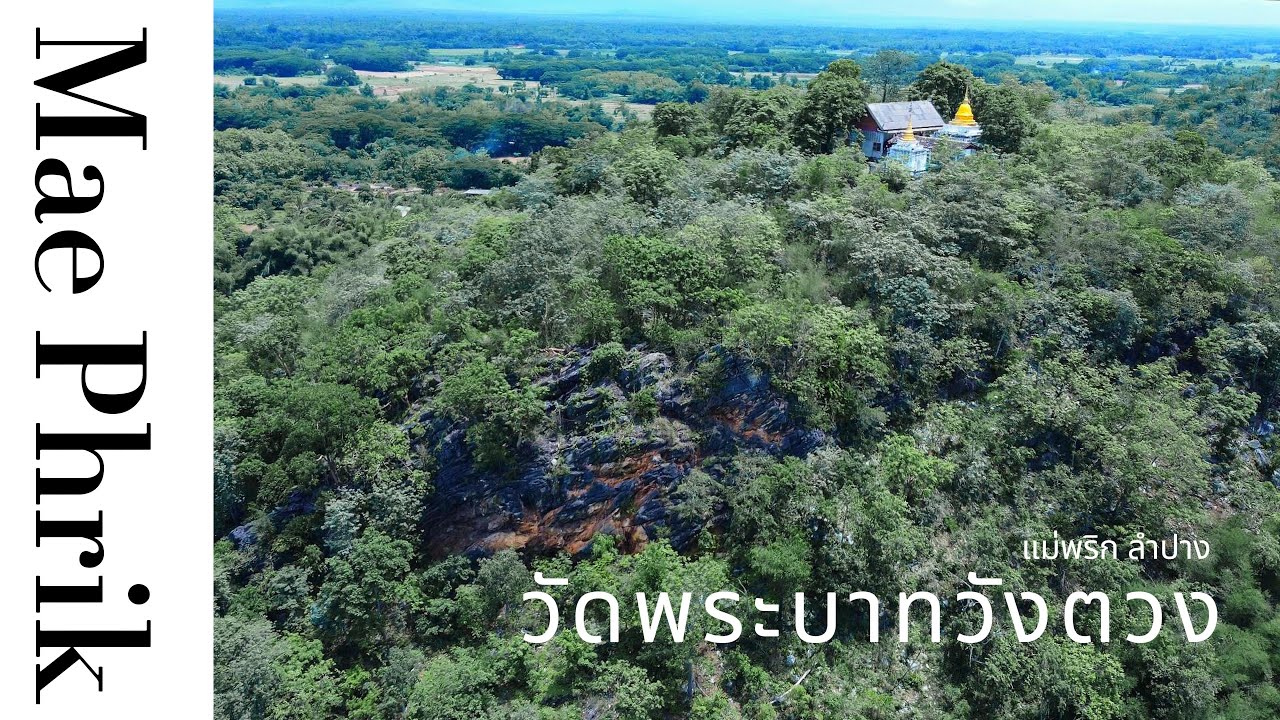
 Click to Access the Navigation Map GPS
Wat Phra Phutthabat Wang Tuang Map
Recommend

 Art, Culture and Heritage
 Historical Sites and Monuments(2)
 Landmarks and Memorials(5)
 Art, Craft Centres, Tradition(10)
 Museums(4)
 Historic Homes and Cities(1)
Temple(86)
Historic Homes and Cities(1)
Temple(86)
 Other Sacred Sites(9)
 Research and Development
 Royal Project(2)
 Suburban Living
 Village, Community(3)
 Local Market(2)
 Nature and Wildlife
 National Parks and Marine Reserves(5)
 Mountain (Doi)(4)
 Dam, Reservoir, Lake(11)
 Waterfalls(15)
 Hot Springs(1)
 Caves(12)
 Flower Field(1)
 River, Canal(1)
 Bays and Beaches(1)
 Other natural attractions(4)
 Entertainment and Agricultural
 Animal camps and shows(1)
 Farms, Parks and Ecotourism(2)
 Outdoor and Adventure Activities(2)
 Shopping
 Shopping and Night Market(2)
 Spas and Wellness
 Spas and Wellness(1)


