
lovethailand home >North Travel Attractions >Lampang Travel Attractions >Mueang Lampang >Phichai > Wat Pu Lueang
TL;DR: Wat Pu Lueang is located at Lampang – Ngao Road, approximately 12 km north of Lampang city, Lampang Province, open Daily, hours 06.00 – 18.00. Highlights include 49-meter pagoda and traditional Lanna-style viharn.

Wat Pu Lueang
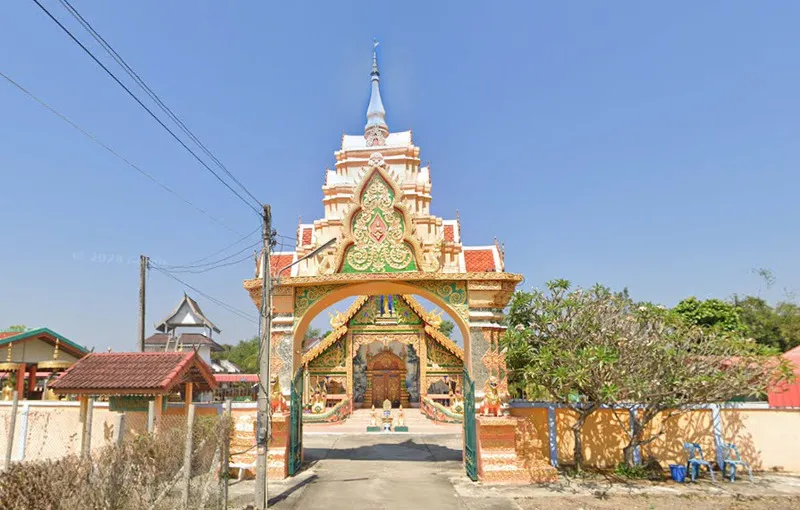
Open Days: Daily
Opening Hours: 06.00 – 18.00
Wat Pu Lueang in Lampang Province is an old temple that was abandoned for many years before being restored by local devotees and people with strong faith in Buddhism. Today, the temple has become a peaceful cultural attraction known for its towering 49-meter pagoda and beautiful Lanna-style viharn, which reflect the artistic identity of northern Thailand. Located about 12 kilometers north of Lampang city along the Lampang – Ngao Road, the temple is easy to visit as part of a day trip or a cultural route through Lampang Province.
Although Wat Pu Lueang is not as widely known as some of the major temples in northern Thailand, it has a quiet charm that attracts travelers looking for peaceful spiritual places away from busy tourist crowds. The atmosphere inside the temple remains calm and simple, surrounded by greenery and local community life. Visitors arriving at the temple can immediately notice the large golden pagoda standing prominently above the surrounding landscape, especially during the early morning and late afternoon when sunlight reflects beautifully across the structure.
The history of Wat Pu Lueang represents the story of restoration and faith within local northern Thai communities. In the past, the temple served as an important religious center for nearby residents. Over time, however, the number of monks and caretakers gradually decreased, causing the temple to become neglected and partially abandoned. Several structures deteriorated naturally with age and lack of maintenance. Eventually, local villagers and Buddhist devotees joined together to restore the temple, renovate damaged areas, improve the grounds, and rebuild the sacred structures until the temple once again became an active spiritual center.
The most remarkable feature of Wat Pu Lueang is its large pagoda, which rises approximately 49 meters high. The pagoda combines traditional Lanna artistic influences with more contemporary Buddhist architectural elements. Its golden exterior and decorative details make it highly visible even from a distance. Around the pagoda, visitors can find prayer areas and walking paths used during important Buddhist ceremonies and candlelight processions. Local residents frequently visit the temple to make merit, pray for blessings, and participate in religious activities during holy days and annual festivals.
Another important highlight is the Lanna-style viharn, which preserves the distinctive architectural style of northern Thailand. The layered roof structure, wooden decorative carvings, and traditional design elements all reflect classic Lanna craftsmanship. Inside the viharn, visitors can pay respect to the principal Buddha image while enjoying the quiet and peaceful environment. Many people visit the temple not only for sightseeing but also for meditation and personal reflection.
One of the reasons Wat Pu Lueang feels different from larger tourist temples is its authentic local atmosphere. Visitors can still experience the lifestyle of nearby communities and observe how the temple continues to serve as a center for spiritual and cultural activities. The temple grounds remain relatively uncrowded, allowing travelers to enjoy a more relaxed experience compared to more commercialized destinations.
The temple also reflects the traditional role of Buddhist temples in Lanna society. In northern Thailand, temples have historically served not only as places of worship but also as gathering places for community activities, ceremonies, education, and cultural preservation. Wat Pu Lueang continues this role today through local merit-making events and religious celebrations organized throughout the year.
For photography enthusiasts, Wat Pu Lueang offers several attractive photo opportunities. Early morning light creates a soft atmosphere around the pagoda, while the golden structure becomes particularly striking during sunset. The combination of traditional Lanna architecture, peaceful surroundings, and natural scenery makes the temple appealing for cultural and architectural photography.
Despite once being abandoned, Wat Pu Lueang has now become a successful example of community-driven restoration. The temple continues to receive maintenance and improvements from local supporters who wish to preserve it as an important cultural and spiritual landmark of Lampang Province. Visitors can clearly feel the dedication and pride of the local community in maintaining the temple’s peaceful atmosphere and historical identity.
Wat Pu Lueang can easily be included in a broader Lampang travel itinerary because of its convenient location near the city. Travelers often combine a visit here with other famous attractions such as Wat Phra Kaew Don Tao Suchadaram, Wat Phra That Lampang Luang, Kad Kong Ta Walking Street, and the historic Ratsadaphisek Bridge. The surrounding area also offers several local restaurants, cafés, and accommodations suitable for different travel styles and budgets.
The temple is especially suitable for travelers interested in Buddhist culture, northern Thai architecture, and peaceful local destinations. Because the temple still functions as an active religious site, visitors are encouraged to dress respectfully and maintain proper behavior while exploring the grounds. The calm atmosphere, shaded trees, and open spaces also make it a pleasant stop for travelers looking for relaxation during a longer road trip through northern Thailand.
Another reason many travelers stop at Wat Pu Lueang is its location along the Lampang – Ngao highway, a route commonly used by people traveling toward Phayao and Chiang Rai. Because of this, the temple often serves as a quiet spiritual stop for drivers and pilgrims traveling through the region. Many people choose to stop briefly to pray, rest, and enjoy the peaceful surroundings before continuing their journey.
During important Buddhist holidays such as Makha Bucha Day, Visakha Bucha Day, and Asalha Bucha Day, the temple becomes much more active as local residents gather for merit-making ceremonies and candlelight processions around the pagoda. These events demonstrate the continuing connection between the temple and the surrounding community, bringing life back to a place that once stood abandoned.
Besides the main pagoda and viharn, the temple grounds also provide pleasant walking areas surrounded by large trees and natural scenery. The peaceful environment and fresh air make the temple an ideal destination for visitors wanting to escape busy urban areas and experience the slower pace of local northern Thai life.
For travelers interested in local history and cultural preservation, Wat Pu Lueang represents the story of many community temples across northern Thailand that have survived periods of decline before being revived through faith and cooperation. The restoration of the temple reflects not only the repair of buildings but also the preservation of local traditions and spiritual identity.
Getting There is relatively easy from Lampang city. Travelers can follow the Lampang – Ngao Road north for approximately 12 kilometers. The route is convenient for private vehicles and rental cars, while local transportation services from Lampang city may also be available. Because the temple is located close to the city, it works well as part of a half-day or full-day cultural trip around Lampang Province.
| Name | Wat Pu Lueang |
| Location | Lampang – Ngao Road, approximately 12 km north of Lampang city, Lampang Province |
| Highlights | 49-meter pagoda and traditional Lanna-style viharn |
| History | An old temple that was abandoned for many years before being restored by Buddhist devotees and local residents |
| Distinctive Features | Peaceful atmosphere, large golden pagoda, and authentic northern Thai architecture |
| Travel Information | Accessible via the Lampang – Ngao Road; convenient for private cars and rental vehicles |
| Current Status | Open for worship and tourism |
| Open Days | Daily |
| Opening Hours | 06.00 – 18.00 |
| Fees | No admission fee |
| Facilities | Parking area, resting spaces, and pagoda worship area |
| Abbot / Caretaker | Maintained by the local monastic community and nearby residents |
| Nearby Tourist Attractions | 1. Wat Phra Kaew Don Tao Suchadaram, about 11 km 2. Wat Phra That Lampang Luang, about 23 km 3. Kad Kong Ta Walking Street, about 13 km 4. Ratsadaphisek Bridge, about 13 km 5. Thai Elephant Conservation Center, about 30 km |
| Nearby Restaurants | 1. Krua Nua Hom Lampang, about 9 km, Tel. 054-323999 2. Organic Farm Lampang, about 10 km 3. Aroi Baht Diao Rice Soup Restaurant, about 11 km 4. Long Jim New York Pizza, about 12 km, Tel. 054-010555 5. Baan Phraya Suren by Madame Musur, about 12 km, Tel. 054-222317 |
| Nearby Accommodations | 1. Wienglakor Hotel Lampang, about 10 km, Tel. 054-225501 2. Hop Inn Lampang City Center, about 11 km, Tel. 02-6592899 3. The Coconut Hotel Lampang, about 11 km, Tel. 054-821999 4. B2 Lampang City Boutique & Budget Hotel, about 12 km, Tel. 052-009161 5. Tree Tara Hotel Lampang, about 13 km, Tel. 054-019699 |
Frequently Asked Questions (FAQ)
Q: Where is Wat Pu Lueang located?
A: Wat Pu Lueang is located along the Lampang – Ngao Road, approximately 12 kilometers north of Lampang city.
Q: What is the main highlight of Wat Pu Lueang?
A: The temple is best known for its 49-meter pagoda and traditional Lanna-style viharn.
Q: Was Wat Pu Lueang really abandoned in the past?
A: Yes. The temple was abandoned for many years before local devotees restored and revived it.
Q: Is there an entrance fee to visit the temple?
A: No. Visitors can enter the temple free of charge.
Q: Can visitors take photographs inside the temple?
A: Yes. Photography is generally allowed, especially around the pagoda and viharn, but respectful behavior is encouraged.
Q: What other attractions can travelers visit nearby?
A: Visitors often combine the trip with Wat Phra Kaew Don Tao, Wat Phra That Lampang Luang, Kad Kong Ta Walking Street, and the historic Ratsadaphisek Bridge.
Q: What is the best time to visit Wat Pu Lueang?
A: Early morning and late afternoon are ideal because the weather is cooler and the lighting around the pagoda is especially beautiful.
 Category: ●Places of Worship
 Group: ●Temple
Last Update : 4 MonthAgo
 Last Update : 4 MonthAgo
 Click to Access the Navigation Map GPS
Wat Pu Lueang Map
Recommend

 Art, Culture and Heritage
 Historical Sites and Monuments(2)
 Landmarks and Memorials(5)
 Art, Craft Centres, Tradition(10)
 Museums(4)
 Historic Homes and Cities(1)
Temple(86)
Historic Homes and Cities(1)
Temple(86)
 Other Sacred Sites(9)
 Research and Development
 Royal Project(2)
 Suburban Living
 Village, Community(3)
 Local Market(2)
 Nature and Wildlife
 National Parks and Marine Reserves(5)
 Mountain (Doi)(4)
 Dam, Reservoir, Lake(11)
 Waterfalls(15)
 Hot Springs(1)
 Caves(12)
 Flower Field(1)
 River, Canal(1)
 Bays and Beaches(1)
 Other natural attractions(4)
 Entertainment and Agricultural
 Animal camps and shows(1)
 Farms, Parks and Ecotourism(2)
 Outdoor and Adventure Activities(2)
 Shopping
 Shopping and Night Market(2)
 Spas and Wellness
 Spas and Wellness(1)


