
lovethailand home >North Travel Attractions >Lampang Travel Attractions >Mueang Lampang >Phra Bat > Wat Phra That Mon Cham Sin
TL;DR: Wat Phra That Mon Cham Sin is located at Wat Mon Cham Sin Road, Phra Bat Subdistrict, Mueang Lampang District, Lampang Province, open Daily, hours 06.00 – 18.00.

Wat Phra That Mon Cham Sin
Open Days: Daily
Opening Hours: 06.00 – 18.00
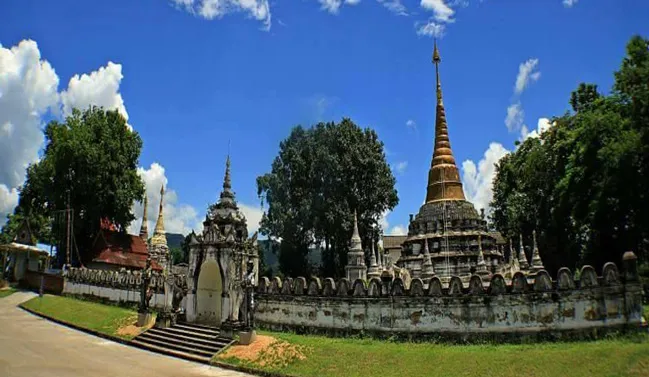
Wat Phra That Mon Cham Sin, also known as Wat Mon Cham Sin, is a historic Buddhist temple located on a hill in Phra Bat Subdistrict, Mueang Lampang District, Lampang Province. The temple is widely admired for its rare old Burmese-style architecture, sacred golden pagoda, teakwood viharn, Eight-Direction Arahant Chedi, Hermit Chedi, and the revered Luang Pho Than Jai Buddha image.
This temple is more than a place of worship. It is a cultural landmark that reflects the historical relationship between the Lanna people and Burmese communities who once settled and traded in Lampang. Its architecture, sacred objects, legends, and community projects make it one of the most meaningful temples for travelers interested in northern Thai history and Burmese-Lanna Buddhist art.
The name “Mon Cham Sin” reflects both the landscape and the spiritual history of the place. “Mon” refers to a hill, while “Cham Sin” means observing precepts or practicing religious discipline. According to local legend, Chao Luang Kham Yai of Kuka Nakhon in Burma fled from war and came to this hill to observe precepts and dedicate merit to 542 soldiers who had died in battle. The hill later became associated with meditation, merit-making, and spiritual practice.
Inside the temple are three important chedis: the Golden Relic Chedi, the Eight-Direction Arahant Chedi, and the Hermit Chedi. Each structure carries religious meaning and artistic value. The Golden Relic Chedi is believed to enshrine a hair relic of the Lord Buddha. Its Burmese-style form features a golden conical spire, mosaic decoration, and mythical narasingha figures around the base.
The Eight-Direction Arahant Chedi has an octagonal base surrounded by Buddha images representing the eight directions. This design reflects the belief in spiritual protection in all directions. The Hermit Chedi was built in memory of U Suay La, a hermit associated with meditation, herbal healing, and spiritual assistance to local people in the past.
One of the temple’s most valuable structures is the teakwood viharn, which is more than 130 years old. It was built by craftsmen from Mandalay, Burma, and displays a rare Tai Yai architectural style. The multi-tiered roof, carved wooden details, mirror decorations, and refined wooden patterns make this viharn one of the temple’s most important artistic treasures.
Inside the teakwood viharn are three white Mandalay-style Buddha images wearing golden robes. The atmosphere is calm, elegant, and deeply devotional. The carved wooden details and mirror decorations reveal the skill of Burmese craftsmen and the artistic refinement of the period when Burmese merchant families played an important role in Lampang.
Another major sacred focus is Luang Pho Than Jai, a revered Buddha image associated with quick blessings. In Thai and northern Buddhist belief, a Than Jai Buddha image is traditionally completed within a single day and is believed to respond swiftly to sincere prayers. Visitors commonly come to pray for success, health, protection, work, and good fortune.
The temple also contains a Than Jai Buddha viharn built over a large ancient tree stump, creating a rare and memorable sacred space. This architectural feature reflects the close relationship between nature, faith, and local religious imagination. The old Burmese-style entrance arch is another rare element that adds historical value to the temple grounds.
During the late reign of King Rama IV and the early reign of King Rama V, Burmese benefactors including Pho Liang Prakasiri and Min Mai Taka supported major restoration works at the temple. Craftsmen from Mandalay were brought to construct chedis, walls, a teakwood viharn, and Burmese-style entrance structures. These works transformed Mon Cham Sin into one of Lampang’s most beautiful Burmese-influenced temples.
The temple area once covered more than 300 rai, but today it covers about 70 rai and 98 square wah due to later infrastructure development and land division. Even with a smaller area, the temple continues to preserve its historical, spiritual, and cultural identity as an important religious site in Lampang.
Wat Phra That Mon Cham Sin also plays an active role in community service and Buddhist education. The temple has hosted projects such as a traditional Thai medicine clinic, a dhamma learning center, an Abhidhamma study center, and a Pariyatti Dhamma School for novice monks. These activities show that the temple continues to serve the community in spiritual, educational, and social dimensions.
Important annual traditions include the relic bathing ceremony during the Lanna seventh lunar month and the Tak Bat Thewo ceremony after Buddhist Lent. These events attract many Buddhist devotees and help preserve the living traditions of northern Thai Buddhism.
The temple’s hilltop setting creates a peaceful atmosphere with views of the surrounding Lampang area. Visitors can walk through the temple grounds, pay respect to sacred images, admire Burmese-style architecture, study teakwood craftsmanship, and experience a calm spiritual environment away from the busier parts of the city.
Getting There is convenient from Lampang city. Travelers can use Highway 1 and Rural Road 7075. The temple is located near Lampang Polytechnic College, about 3 km from the city center. It is suitable for travel by private car, rental car, or local transport, and can easily be included in a cultural temple route around Lampang.
Visitors should dress respectfully, speak quietly in worship areas, and avoid touching old wooden carvings, stucco work, or ancient decorative elements. These practices help preserve the temple’s sacred atmosphere and protect its historic Burmese-Lanna artistic heritage for future generations.
Wat Phra That Mon Cham Sin is therefore an important destination for travelers who want to understand Lampang beyond its better-known landmarks. It brings together sacred faith, old Burmese architecture, Lanna cultural memory, community service, and living Buddhist traditions in one remarkable hilltop temple.
| Name | Wat Phra That Mon Cham Sin |
| Location | Wat Mon Cham Sin Road, Phra Bat Subdistrict, Mueang Lampang District, Lampang Province |
| Address | No. 15 Mon Cham Sin Road, Ban Pa Kham Community, Moo 1, Phra Bat Subdistrict, Mueang Lampang District, Lampang Province, Thailand |
| Highlights | Golden Relic Chedi, Eight-Direction Arahant Chedi, Hermit Chedi, 130-year-old teakwood viharn, Luang Pho Than Jai, and rare old Burmese architecture |
| History | Associated with the legend of Chao Luang Kham Yai of Kuka Nakhon and restored by Burmese benefactors during the late reign of King Rama IV to the early reign of King Rama V |
| Name Origin | “Mon” means hill, while “Cham Sin” refers to observing precepts or practicing religious discipline |
| Distinctive Features | Old Burmese and Lanna artistic styles, golden chedis, Tai Yai teakwood viharn, carved wooden details, and peaceful hilltop temple atmosphere |
| Travel Information | Accessible via Highway 1 and Rural Road 7075; located near Lampang Polytechnic College, about 3 km from Lampang city center |
| Current Status | Active Buddhist temple and cultural attraction featuring Burmese-Lanna religious art |
| Open Days | Daily |
| Opening Hours | 06.00 – 18.00 |
| Fees | No admission fee |
| Facilities | Worship areas, parking area, restrooms, resting pavilions, meditation areas, and cultural viewing spots |
| Main Areas / Zones | Golden Relic Chedi, Eight-Direction Arahant Chedi, Hermit Chedi, teakwood viharn, Luang Pho Than Jai viharn, Burmese entrance arch, Thai traditional medicine clinic, and dhamma learning areas |
| Abbot / Caretaker | Phra Khru Phisan Suphatrakit |
| Main Contact Number | 054-223-291 |
| Official Website / Official Page | facebook.com/monjumseen |
| Nearby Tourist Attractions | 1. Wat Phra Kaew Don Tao Suchadaram, about 4 km 2. Kad Kong Ta Walking Street, about 5 km 3. Ratsadaphisek Bridge, about 5 km 4. Wat Pong Sanuk Nuea, about 5 km 5. Dhanabadee Ceramic Museum, about 6 km |
| Nearby Restaurants | 1. The Riverside Restaurant Lampang, about 5 km, Tel. 054-221861, 088-2519818 2. Aroy One Baht Restaurant, about 5 km, Tel. 054-219233 3. Long Jim New York Pizza, about 5 km, Tel. 082-8925009 4. Niyom Ocha Kuai Tiao Pu Yong, about 5 km, Tel. 054-218251 5. Khrua Mook Da, about 6 km, Tel. 086-6251722 |
| Nearby Accommodations | 1. Lampang Residence, about 4 km, Tel. 054-209860 2. Hop Inn Lampang City Center, about 5 km, Tel. 063-2057363 3. The Coconut Hotel Lampang, about 5 km, Tel. 054-821789, 089-9886027 4. Wienglakor Hotel Lampang, about 6 km, Tel. 054-316430 5. Le Neuf Nakorn Lampang, about 6 km, Tel. 093-1323534 |
Frequently Asked Questions (FAQ)
Q: Where is Wat Phra That Mon Cham Sin located?
A: The temple is located on Wat Mon Cham Sin Road in Phra Bat Subdistrict, Mueang Lampang District, Lampang Province, near Lampang Polytechnic College.
Q: What is Wat Phra That Mon Cham Sin famous for?
A: It is famous for its Golden Relic Chedi, Eight-Direction Arahant Chedi, Hermit Chedi, old teakwood viharn, Luang Pho Than Jai, and rare Burmese-style architecture.
Q: What are the opening hours?
A: The temple is open daily from 06.00 to 18.00.
Q: Is there an admission fee?
A: No. Visitors can enter the temple free of charge.
Q: Why is Luang Pho Than Jai important?
A: Luang Pho Than Jai is a revered Buddha image believed to grant blessings quickly to those who pray with sincere faith.
Q: What kind of travelers should visit this temple?
A: It is ideal for merit-makers, cultural travelers, history enthusiasts, and visitors interested in old Burmese-Lanna Buddhist architecture.
Q: What nearby attractions can be visited with this temple?
A: Visitors can combine the trip with Wat Phra Kaew Don Tao Suchadaram, Kad Kong Ta Walking Street, Ratsadaphisek Bridge, Wat Pong Sanuk Nuea, and Dhanabadee Ceramic Museum.
 Category: ●Places of Worship
 Group: ●Temple
Last Update : 5 MonthAgo
 Last Update : 5 MonthAgo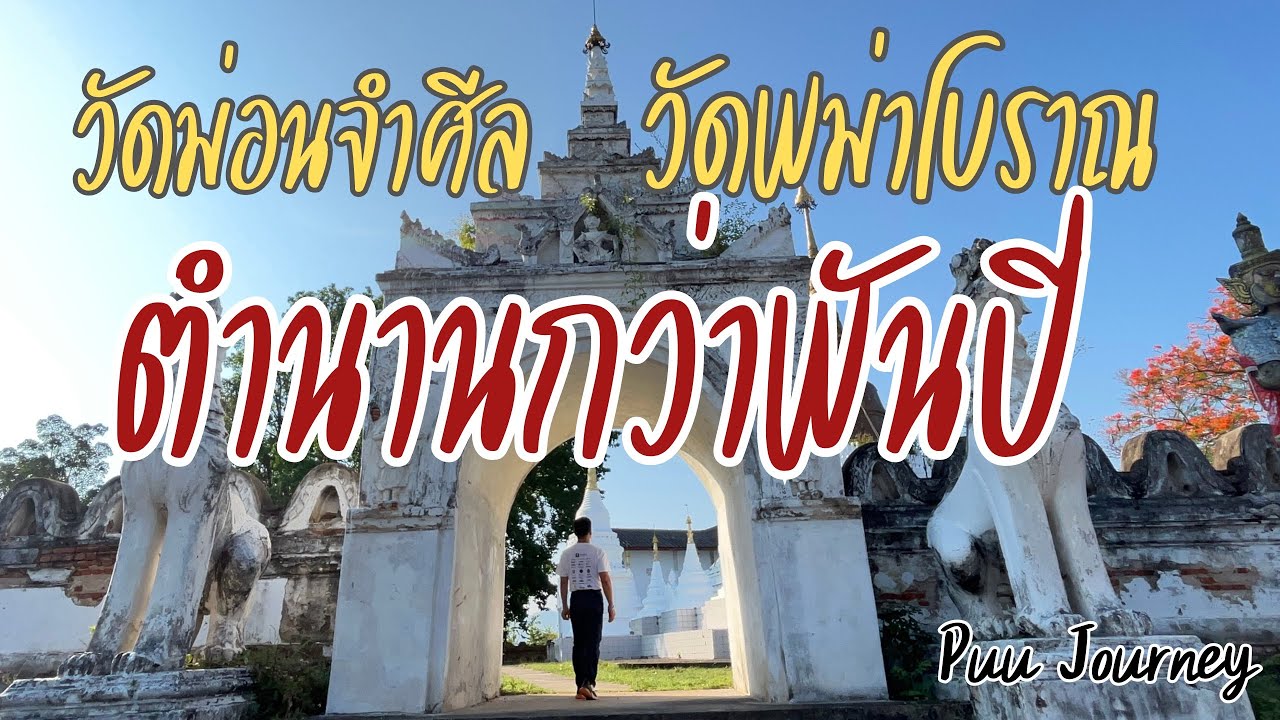
 Click to Access the Navigation Map GPS
Wat Phra That Mon Cham Sin Map
Gellery
Recommend

 Art, Culture and Heritage
 Historical Sites and Monuments(2)
 Landmarks and Memorials(5)
 Art, Craft Centres, Tradition(10)
 Museums(4)
 Historic Homes and Cities(1)
Temple(86)
Historic Homes and Cities(1)
Temple(86)
 Other Sacred Sites(9)
 Research and Development
 Royal Project(2)
 Suburban Living
 Village, Community(3)
 Local Market(2)
 Nature and Wildlife
 National Parks and Marine Reserves(5)
 Mountain (Doi)(4)
 Dam, Reservoir, Lake(11)
 Waterfalls(15)
 Hot Springs(1)
 Caves(12)
 Flower Field(1)
 River, Canal(1)
 Bays and Beaches(1)
 Other natural attractions(4)
 Entertainment and Agricultural
 Animal camps and shows(1)
 Farms, Parks and Ecotourism(2)
 Outdoor and Adventure Activities(2)
 Shopping
 Shopping and Night Market(2)
 Spas and Wellness
 Spas and Wellness(1)


