
lovethailand home >North Travel Attractions >Lampang Travel Attractions >Mueang Lampang >Suan Dok > Wat Suan Dok
TL;DR: Wat Suan Dok is located at Ban Suan Dok, Ton Thong Chai Subdistrict, Mueang Lampang District, Lampang Province, open Daily, hours 06.00 – 18.00. Highlights include Historic Ayutthaya-era temple, Buddhist education center, and peaceful Lanna community temple.

Wat Suan Dok
Open Days: Daily
Opening Hours: 06.00 – 18.00
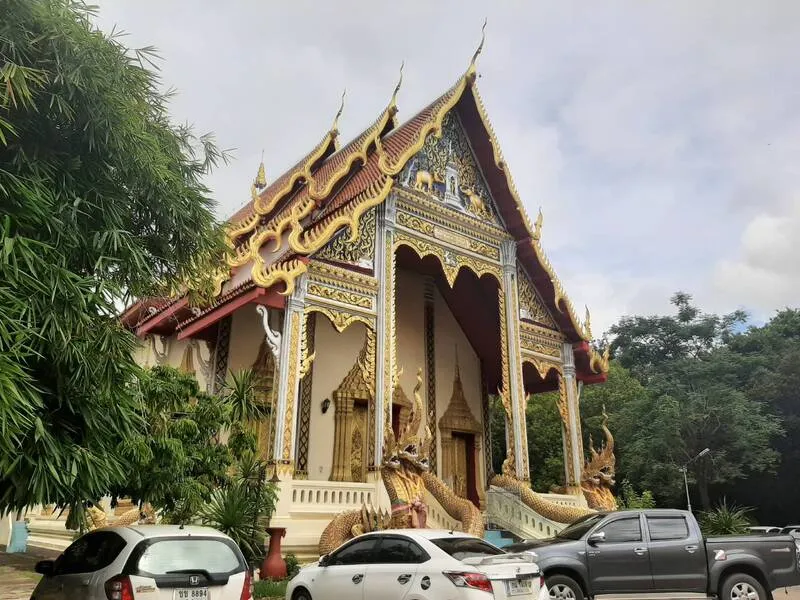
Wat Suan Dok in Ban Suan Dok, Ton Thong Chai Subdistrict, Mueang Lampang District, Lampang Province, is an old Lanna community temple with a long history dating back to the Ayutthaya period. The temple has served as an important center of Buddhism, local culture, religious education, and community life for generations in northern Thailand.
Visitors to Wat Suan Dok can experience the peaceful atmosphere of a traditional northern Thai temple surrounded by a quiet local community. Unlike major tourist temples crowded with visitors, this temple preserves the calm and authentic character of a local Lanna religious site where Buddhism remains closely connected to everyday village life.
The temple was established in 1713 during the Ayutthaya era, giving it a history of more than 300 years. Over the centuries, Wat Suan Dok has remained an important spiritual center for local residents in the Ban Suan Dok area and nearby communities. Its historical value reflects the long continuity of Buddhism in Lampang Province and the role of temples in preserving northern Thai traditions.
The name “Suan Dok” refers to the former landscape of the area, which was believed to contain flower gardens and agricultural land belonging to the local Lanna community. The temple name therefore reflects both the natural environment and the traditional way of life that once surrounded the area.
Throughout its history, Wat Suan Dok has functioned not only as a place for religious ceremonies but also as a community gathering space. Local residents regularly visit the temple to make merit, listen to sermons, participate in Buddhist ceremonies, and preserve local traditions. This close relationship between the temple and the community remains visible today.
An important milestone in the temple’s history occurred on August 4, 1913, when Wat Suan Dok officially received royal Wisungkhamasima status. This royal recognition confirmed the temple’s formal status within Thai Buddhism and allowed it to fully conduct important monastic ceremonies according to Buddhist tradition.
Inside the temple grounds, visitors can find a traditional ordination hall, Buddhist structures, shaded temple areas, and educational facilities related to Buddhist studies. The architecture and atmosphere reflect the simple and peaceful style of local northern Thai temples rather than highly commercialized tourist destinations.
One of the most important roles of Wat Suan Dok is its contribution to Buddhist education. In 1974, the temple established a Buddhist Pariyatti Dhamma School offering studies in Dhamma and Pali for monks, novices, and interested learners. The temple therefore became an important educational institution helping preserve Buddhist teachings and monastic scholarship in Lampang Province.
The Pariyatti Dhamma School has helped educate many monks and novices over the years. In addition, local residents also visit the temple to attend religious teachings and community Buddhist activities. This educational role strengthens the temple’s importance beyond its religious functions alone.
During major Buddhist holy days such as Makha Bucha Day, Visakha Bucha Day, Asalha Bucha Day, and Buddhist Lent, the temple becomes lively with local worshippers participating in merit-making ceremonies, candle processions, almsgiving, and listening to sermons. These activities continue to preserve the strong Buddhist traditions of the local community.
Wat Suan Dok also reflects the traditional Lanna way of life in Lampang Province. The surrounding community still maintains local customs, cultural practices, and a slower rural atmosphere. Travelers interested in authentic northern Thai culture can therefore gain a deeper understanding of local life by visiting this temple.
The peaceful atmosphere is one of the temple’s greatest attractions. Visitors can hear the sound of temple bells, Buddhist chanting, and the quiet rhythm of local village life. The calm environment makes the temple suitable for meditation, merit-making, photography, and cultural exploration.
Travelers who enjoy cultural tourism will appreciate the opportunity to learn about the connection between Buddhism and community life in northern Thailand. Wat Suan Dok demonstrates how local temples continue to function as centers of education, spirituality, and social activities even in modern times.
The temple is particularly suitable for visitors who prefer less crowded destinations and authentic local experiences. Rather than focusing on large-scale tourism infrastructure, Wat Suan Dok preserves the simple atmosphere of a traditional community temple where visitors can quietly observe local religious life.
Photography enthusiasts may also enjoy the temple’s atmosphere, especially during the early morning or late afternoon when natural light creates a peaceful and warm setting around the temple buildings and surrounding trees.
Wat Suan Dok remains an important religious center where villagers continue to gather for merit-making, local ceremonies, and Buddhist festivals throughout the year. This continuous community participation helps preserve both Buddhism and local Lanna traditions for future generations.
For travelers exploring Lampang Province, the temple can easily be included in a cultural route alongside other important attractions in the city. Because of its convenient location near Lampang city, visitors can combine the trip with famous temples, local markets, and riverside attractions.
Getting There is convenient by private car, rental car, or local transport from Lampang city center. The route is accessible and suitable for a short cultural trip or a half-day visit. Visitors traveling around Lampang Province can easily include Wat Suan Dok in their northern Thailand temple itinerary.
Today, Wat Suan Dok continues to preserve its role as a center of faith, education, and community life in Lampang Province. The temple represents the enduring relationship between Buddhism and local culture in northern Thailand and remains a meaningful destination for travelers seeking a peaceful cultural experience.
| Name | Wat Suan Dok |
| Location | Ban Suan Dok, Ton Thong Chai Subdistrict, Mueang Lampang District, Lampang Province |
| Address | Ban Suan Dok, Ton Thong Chai Subdistrict, Mueang Lampang District, Lampang 52000, Thailand |
| Coordinates | 18.2487, 99.4551 |
| Highlights | Historic Ayutthaya-era temple, Buddhist education center, and peaceful Lanna community temple |
| History | Established in 1713 during the Ayutthaya period and officially granted Wisungkhamasima status on August 4, 1913 |
| Name Origin | The name is associated with the flower gardens and traditional agricultural landscape that once surrounded the community |
| Distinctive Features | Peaceful local atmosphere, Buddhist education facilities, and traditional northern Thai community setting |
| Travel Information | Accessible by private car, rental car, or local transport from Lampang city center |
| Current Status | Active Buddhist temple and community religious center |
| Open Days | Daily |
| Opening Hours | 06.00 – 18.00 |
| Fees | No admission fee |
| Facilities | Parking area, restrooms, merit-making area, and resting pavilion |
| Main Areas / Zones | Ordination hall, sermon hall, Pariyatti Dhamma School, and ceremonial areas |
| Abbot / Caretaker | Phra Khru Sangkarak Somkiat Sumetho |
| Nearby Tourist Attractions | 1. Wat Phra Kaew Don Tao Suchadaram, about 6 km 2. Wat Si Rong Mueang, about 7 km 3. Kad Kong Ta Walking Street, about 8 km 4. Ratsadaphisek Bridge, about 8 km 5. Wat Pong Sanuk Nuea, about 7 km |
| Nearby Restaurants | 1. Wiang Lakon Restaurant, about 6 km, Tel. 054-323699 2. Krua Nuea Hom Lampang, about 5 km, Tel. 089-7559197 3. Organic Farm Cafe, about 4 km 4. Khao Tom Aroi Baht Diao Restaurant, about 7 km 5. The Riverside Lampang, about 8 km, Tel. 054-010555 |
| Nearby Accommodations | 1. Wienglakor Hotel Lampang, about 6 km, Tel. 054-222455 2. The Coconut Hotel Lampang, about 7 km, Tel. 054-821999 3. Hop Inn Lampang City Center, about 8 km, Tel. 02-6592899 4. Lampang River Lodge, about 9 km, Tel. 054-209999 5. Tree Tara Hotel Lampang, about 7 km, Tel. 054-019919 |
Frequently Asked Questions (FAQ)
Q: When was Wat Suan Dok established?
A: Wat Suan Dok was established in 1713 during the Ayutthaya period.
Q: Why is Wat Suan Dok important?
A: The temple is an important historical community temple and a center for Buddhist Pariyatti education in Lampang Province.
Q: When did Wat Suan Dok receive Wisungkhamasima status?
A: The temple officially received Wisungkhamasima status on August 4, 1913.
Q: Is Wat Suan Dok open daily?
A: Yes. The temple is open daily from 06.00 to 18.00.
Q: What can visitors see inside the temple?
A: Visitors can see the ordination hall, peaceful temple grounds, Buddhist educational facilities, and traditional northern Thai atmosphere.
Q: Is the temple suitable for cultural travelers?
A: Yes. Wat Suan Dok is suitable for travelers interested in local culture, Buddhism, history, and peaceful community temples.
Q: How can travelers get to Wat Suan Dok?
A: Travelers can reach the temple by private car, rental car, or local transport from Lampang city center.
 Category: ●Places of Worship
 Group: ●Temple
Last Update : 4 MonthAgo
 Last Update : 4 MonthAgo
 Click to Access the Navigation Map GPS
Wat Suan Dok Map
Recommend

 Art, Culture and Heritage
 Historical Sites and Monuments(2)
 Landmarks and Memorials(5)
 Art, Craft Centres, Tradition(10)
 Museums(4)
 Historic Homes and Cities(1)
Temple(86)
Historic Homes and Cities(1)
Temple(86)
 Other Sacred Sites(9)
 Research and Development
 Royal Project(2)
 Suburban Living
 Village, Community(3)
 Local Market(2)
 Nature and Wildlife
 National Parks and Marine Reserves(5)
 Mountain (Doi)(4)
 Dam, Reservoir, Lake(11)
 Waterfalls(15)
 Hot Springs(1)
 Caves(12)
 Flower Field(1)
 River, Canal(1)
 Bays and Beaches(1)
 Other natural attractions(4)
 Entertainment and Agricultural
 Animal camps and shows(1)
 Farms, Parks and Ecotourism(2)
 Outdoor and Adventure Activities(2)
 Shopping
 Shopping and Night Market(2)
 Spas and Wellness
 Spas and Wellness(1)


