
lovethailand home >North Travel Attractions >Lampang Travel Attractions >Mae Mo >Ban Dong > Chao Pho Lak Mueang Shrine
TL;DR: Chao Pho Lak Mueang Shrine is located at In front of Lampang Provincial Hall, southwestern side, Mueang Lampang District, Lampang Province, open Daily, hours 06.00 – 17.00.

Chao Pho Lak Mueang Shrine
Open Days: Daily
Opening Hours: 06.00 – 17.00
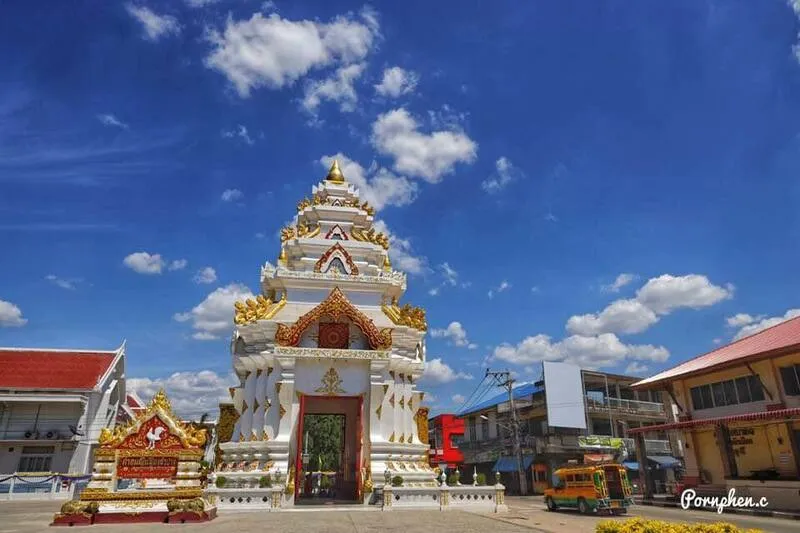
Chao Pho Lak Mueang Shrine in Lampang is one of the most meaningful sacred sites in the historic heart of Lampang city. Located in front of the Lampang Provincial Hall on the southwestern side, the shrine enshrines 3 teak city pillars that are deeply connected with the history, identity, and spiritual foundation of Lampang. Unlike many city pillar shrines in Thailand that have only one pillar, Lampang’s shrine is distinctive because it preserves 3 pillars from different historical periods, making it both a place of worship and a living marker of the city’s development.
The city pillars are made of teak wood and are believed to have been created more than a century ago. The first pillar was built around 1857, during the time of Chao Worayan Rangsi. The second pillar was built in 1873, during the time of Phra Chao Phromphiphong Thada. The third pillar was built in 1886 and is associated with the area near Ratchawong Market beside the old Ratchawong residence, which was once an important riverside part of Lampang. Later, when the provincial hall was built in 1897, the city pillars were moved to the front of the hall. In 1968, a mandapa was constructed to shelter and protect all 3 pillars.
The importance of Chao Pho Lak Mueang Shrine goes beyond its age. In Thai and Lanna cultural belief, a city pillar represents the spiritual center of a city. It symbolizes stability, protection, prosperity, and the sacred bond between the land and its people. Lampang is an old northern city with a long history of trade, teak, horse carriages, ceramics, temples, and river communities. The shrine therefore serves as a symbolic anchor that gathers many layers of Lampang’s memory into one small but powerful sacred space.
Inside the shrine, the 3 teak pillars stand within a modest but dignified mandapa. The atmosphere is calm and respectful, suitable for visitors who wish to pay homage before exploring the old town. Local residents often come to pray for stability in life, career success, safe travel, family well-being, and auspicious beginnings. Travelers visiting Lampang also commonly stop here before continuing to temples, museums, old markets, and historic neighborhoods nearby.
The shrine’s location is especially meaningful because it stands close to the old provincial administrative area and Lampang Museum. This area is part of the city’s historic core, surrounded by old communities, cultural roads, temples, and commercial quarters. As a result, the shrine is not an isolated spiritual site; it is part of a larger walking and cultural route that helps travelers understand Lampang beyond its famous horse carriages and temples.
For travelers who want to understand Lampang more deeply, Chao Pho Lak Mueang Shrine is an ideal starting point. The 3 pillars reflect different moments in the city’s history: the era of local rulers, the expansion of urban communities, the movement of the city’s administrative center, and the later effort to preserve the pillars within a formal shrine structure. This makes the shrine valuable not only as a sacred site but also as a compact lesson in Lampang’s urban history.
The first city pillar, created around 1857, is associated with the period of Chao Worayan Rangsi, when Lampang was still closely connected with Lanna-style local governance. The second pillar, created in 1873, continued the role of the city pillar as a guardian of civic life. The third pillar, created in 1886, is linked with the Ratchawong Market area near the old Ratchawong residence, showing how the shrine’s history is connected with both political and commercial spaces of the old city.
The relocation of the city pillars to the front of the provincial hall in 1897 was an important moment. It placed the sacred foundation of the city beside the administrative center, reflecting the relationship between governance and public faith. When the mandapa was built in 1968, the shrine became more clearly defined as a protected sacred landmark. The structure helped preserve the pillars and created a proper place for residents and visitors to worship.
Architecturally, the shrine is simple and respectful rather than grand. Its purpose is to protect and emphasize the significance of the pillars themselves. Visitors can see the 3 pillars together in one sacred enclosure, making it easy to understand the continuity of Lampang’s history at a glance. These are not objects displayed only as museum pieces; they remain sacred pillars that people continue to honor in daily life.
Traditional ceremonies also keep the shrine active in the cultural life of Lampang. The city pillar worship ceremony and the city life-extension ritual are important events held for the well-being and auspiciousness of the city. Such ceremonies reflect Lanna beliefs about protection, renewal, collective merit, and the spiritual health of a community. The continued involvement of local authorities and residents shows that the shrine remains meaningful in contemporary Lampang society.
Visitors usually bring flowers, incense, candles, garlands, or other simple offerings. Some come to pray before beginning a new job, starting a business, taking an examination, traveling, or making an important personal decision. Others visit as travelers who want to pay respect to the guardian spirit of Lampang before exploring the province. Because the shrine is a living place of worship, visitors should behave quietly, dress politely, avoid disturbing worshippers, and keep the area clean.
One of the best things about this shrine is its walkable location. From the shrine, travelers can easily continue to Lampang Museum, the Luang Por Kasem Khemako Mondop, Louis House, Wat Pong Sanuk, Wat Pratu Pong, Wat Phra Kaeo Don Tao Suchadaram, and the Kad Kong Ta old market area. This makes the shrine a convenient starting point for a half-day or full-day cultural route through Lampang’s old town.
Lampang Museum is a particularly good place to visit after the shrine because it helps explain the broader history of the city. Through old photographs, documents, objects, and exhibitions, visitors can better understand how Lampang developed over time. After seeing the museum, the city pillars become more meaningful because they can be understood as sacred symbols standing within a much larger story of people, trade, administration, and faith.
Kad Kong Ta is another nearby area that pairs well with a visit to the shrine. This old riverside commercial district is known for its historic wooden houses, Chinese-influenced architecture, Lanna details, old shopfronts, food stalls, and evening walking street atmosphere. A good itinerary is to visit the city pillar shrine in the afternoon, explore the museum and old temples, then continue to Kad Kong Ta for food, local snacks, and a relaxed evening by the Wang River.
Nearby temples such as Wat Pong Sanuk, Wat Pratu Pong, and Wat Phra Kaeo Don Tao Suchadaram help complete the cultural route around the shrine. Wat Pong Sanuk is known for its Lanna architecture and heritage value. Wat Pratu Pong is part of the old-town temple network. Wat Phra Kaeo Don Tao Suchadaram is one of Lampang’s most important royal temples and a major religious landmark for visitors to the province.
Chao Pho Lak Mueang Shrine is suitable for different types of travelers. It is meaningful for those who want to pay respect to Lampang’s guardian shrine, for history lovers interested in the development of the old city, for cultural travelers walking through the historic district, and for international visitors who want to understand the concept of a Thai city pillar shrine. The site is small, but its meaning is deep.
For foreign travelers, a city pillar shrine can be understood as a symbolic spiritual center of a Thai city. It is not merely a landmark or a historical marker. It represents protection, stability, civic identity, and the relationship between the people and the place where they live. Lampang’s shrine is especially interesting because it contains 3 city pillars, allowing visitors to see how local history can be preserved through sacred objects.
The best time to visit is in the morning or late afternoon, when the weather is more comfortable and the old-town area is pleasant for walking. Visitors who wish to take photos should do so respectfully and avoid photographing people closely while they are praying. Although the shrine is not a temple, it is a sacred place, so modest clothing and calm behavior are appropriate.
Getting There is easy because the shrine is located in central Lampang near the provincial hall and Lampang Museum. Travelers can arrive by private car, local songthaew, taxi, horse carriage, or on foot from nearby old-town areas depending on where they are staying. A practical route is to begin at the shrine, continue to Lampang Museum, visit the Luang Por Kasem Khemako Mondop, walk toward Louis House and Wat Pong Sanuk, then end the day around Kad Kong Ta.
A short visit to the shrine may take only 15 to 30 minutes for worship and photos. However, travelers who want to explore the surrounding historic district should allow at least 1 to 2 hours. The area is rich in architectural and cultural details, and the nearby attractions are close enough to make slow walking enjoyable.
In cultural terms, Chao Pho Lak Mueang Shrine brings together 3 important elements: public faith, the history of city foundation, and the memory of Lampang’s administrative center. This gives the shrine a role that is greater than its physical size. It provides Lampang with a spiritual center and gives visitors a meaningful way to begin their understanding of the city.
When combined with nearby attractions, restaurants, and accommodations, the shrine becomes an excellent starting point for exploring Lampang old town. Travelers can stay in the city, visit the shrine in the morning, explore museums and temples during the day, and enjoy Kad Kong Ta in the evening. This route works well for first-time visitors as well as those returning to Lampang for a slower cultural trip.
Overall, Chao Pho Lak Mueang Shrine is worth visiting for residents, Thai travelers, and foreign visitors alike. Its 3 teak city pillars, the mandapa built to protect them, the history of their relocation to the front of the provincial hall, and the ceremonies still held today all make the shrine a living sacred space. It connects Lampang’s past, present, and future in a quiet but powerful way.
| Name | Chao Pho Lak Mueang Shrine, Lampang |
| Location | In front of Lampang Provincial Hall, southwestern side, Mueang Lampang District, Lampang Province |
| Address | Wachirawut Damnoen Road, Phra Bat Subdistrict, Mueang Lampang District, Lampang 52000 |
| Highlights | Sacred city pillar shrine enshrining 3 teak city pillars from different historical periods of Lampang |
| History | The first pillar was built around 1857, the second in 1873, and the third in 1886. The pillars were moved to the front of the provincial hall in 1897, and a mandapa was built to cover them in 1968. |
| Name Origin | The name refers to the city pillars, sacred symbols of stability, protection, and the spiritual center of Lampang. |
| Distinctive Features | Three teak city pillars are enshrined together inside one mandapa, reflecting multiple periods in the city’s development. |
| Travel Information | Located in central Lampang near Lampang Museum and the provincial hall; accessible by private car, local songthaew, taxi, horse carriage, or walking from nearby old-town areas. |
| Current Status | Open to visitors and worshippers as a sacred historical site in central Lampang. |
| Open Days | Daily |
| Opening Hours | 06.00 – 17.00 |
| Fees | No Admission Fee |
| Facilities | Worship area, nearby old-town walking route, nearby restaurants and cafes, and parking in nearby areas where available. |
| Main Areas / Zones | City pillar mandapa, 3 teak city pillars, worship area, and the historic district around Lampang Provincial Hall. |
| Caretaker | Lampang Province and local authorities in Lampang City Municipality area |
| Main Contact Number | Lampang City Municipality, Tel. 054-237237 / Lampang Province, Tel. 054-265014, 054-265070 |
| Nearby Tourist Attractions | 1. Luang Por Kasem Khemako Mondop, about 0.1 km 2. Lampang Museum, about 0.1 km 3. Louis House, about 0.7 km 4. Wat Pratu Pong, about 0.7 km 5. Wat Pong Sanuk Tai, about 0.8 km 6. Wat Phra Kaeo Don Tao Suchadaram, about 1.5 km 7. Kad Kong Akong / Kad Kong Ta Area, about 2.8 km |
| Nearby Restaurants | 1. Jok Lak Mueang Khun Ek, about 0 km, Tel. 091-497-9564 2. Pae Yim Traditional Soy Milk, about 0.4 km 3. Pad Thai Pa Pong Lampang, about 0.5 km 4. Krua Mukda, about 0.5 km 5. Ko Jue Noodles, about 0.2 km 6. Ban Khao Tom, about 0.5 km |
| Nearby Accommodations | 1. The Riverside Guest House, about 0.8 km, Tel. 054-227005 2. Lampang Wiengthong Hotel, about 1.2 km, Tel. 054-225801, 054-224120, 054-223258 3. Wienglakor Hotel, about 1.7 km, Tel. 054-224470, 054-228095-6, 054-316430-5 4. Hop Inn Lampang, about 1.8 km, Tel. 054-227899, 087-590-5115 5. Hop Inn Lampang City Center, about 2.4 km, Tel. 054-226299, 063-205-7363 6. Le Neuf Nakorn Lampang, about 2.5 km, Tel. 093-132-3534 |
Frequently Asked Questions (FAQ)
Q: Where is Chao Pho Lak Mueang Shrine in Lampang located?
A: It is located in front of Lampang Provincial Hall on the southwestern side, along Wachirawut Damnoen Road in Mueang Lampang District.
Q: How many city pillars are inside Lampang City Pillar Shrine?
A: The shrine enshrines 3 teak city pillars built in different historical periods: around 1857, in 1873, and in 1886.
Q: What are the opening hours of Chao Pho Lak Mueang Shrine?
A: The shrine is open daily from 06.00 to 17.00.
Q: Is there an admission fee?
A: No. Visitors can enter and pay respect without an admission fee.
Q: What do people usually pray for at the shrine?
A: Visitors often pray for stability in life, career success, safe travel, family well-being, and auspicious beginnings.
Q: Are there important ceremonies at the shrine?
A: Yes. Lampang holds city pillar worship and city life-extension rituals, which are important cultural ceremonies for the well-being of the city.
Q: How can travelers get to the shrine?
A: The shrine is in central Lampang and can be reached by private car, local songthaew, taxi, horse carriage, or walking from nearby old-town areas.
Q: What nearby attractions can visitors see after the shrine?
A: Nearby attractions include Lampang Museum, Luang Por Kasem Khemako Mondop, Louis House, Wat Pong Sanuk, Wat Pratu Pong, Wat Phra Kaeo Don Tao Suchadaram, and Kad Kong Ta.
 Category: ●Places of Worship
 Group: ●Other Sacred Sites
Last Update : 4 MonthAgo
 Last Update : 4 MonthAgo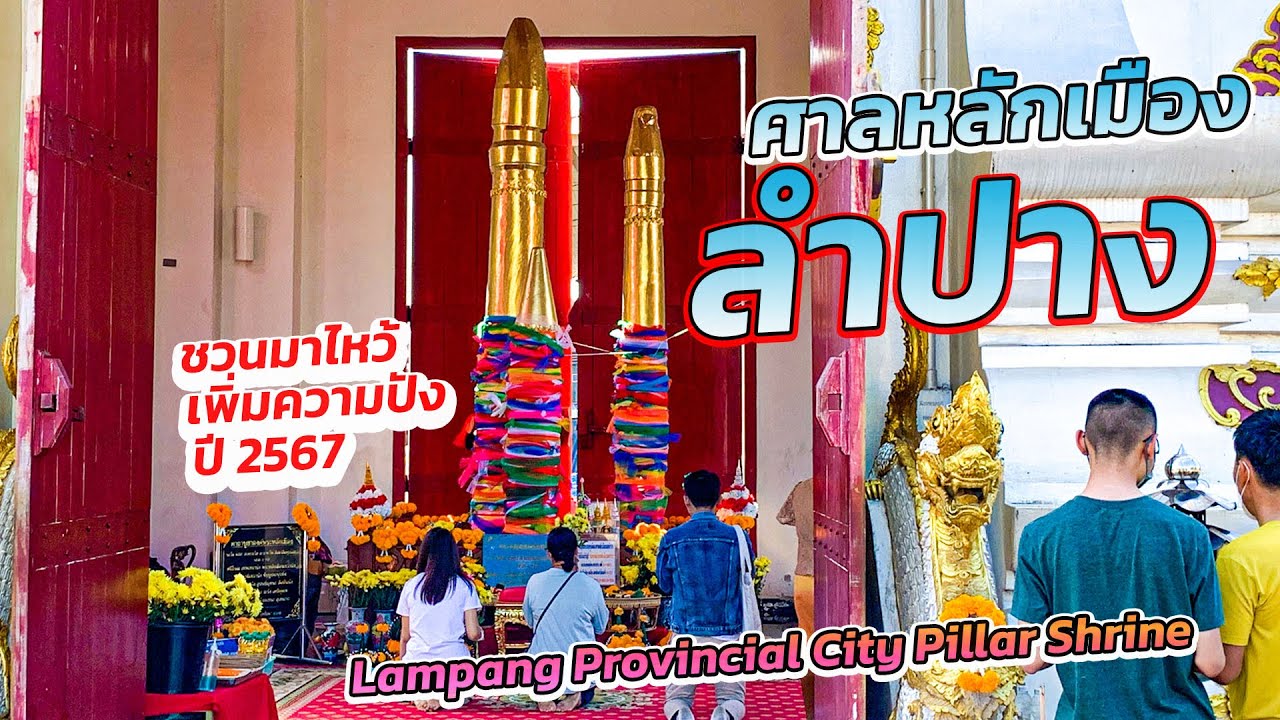
 Click to Access the Navigation Map GPS
Chao Pho Lak Mueang Shrine Map
Recommend

 Art, Culture and Heritage
 Historical Sites and Monuments(2)
 Landmarks and Memorials(5)
 Art, Craft Centres, Tradition(10)
 Museums(4)
 Historic Homes and Cities(1)
 Temple(86)
Other Sacred Sites(9)
Temple(86)
Other Sacred Sites(9)
 Research and Development
 Royal Project(2)
 Suburban Living
 Village, Community(3)
 Local Market(2)
 Nature and Wildlife
 National Parks and Marine Reserves(5)
 Mountain (Doi)(4)
 Dam, Reservoir, Lake(11)
 Waterfalls(15)
 Hot Springs(1)
 Caves(12)
 Flower Field(1)
 River, Canal(1)
 Bays and Beaches(1)
 Other natural attractions(4)
 Entertainment and Agricultural
 Animal camps and shows(1)
 Farms, Parks and Ecotourism(2)
 Outdoor and Adventure Activities(2)
 Shopping
 Shopping and Night Market(2)
 Spas and Wellness
 Spas and Wellness(1)


