
lovethailand home >North Travel Attractions >Lampang Travel Attractions >Ko Kha >Lai Hin > Wat Selarattanapapphataram (Wat Lai Hin Luang)
TL;DR: Wat Selarattanapapphataram (Wat Lai Hin Luang) is located at Lai Hin Subdistrict, Ko Kha District, Lampang Province, open Daily, hours 07.00 – 17.00.

Wat Selarattanapapphataram (Wat Lai Hin Luang)
Open Days: Daily
Opening Hours: 07.00 – 17.00
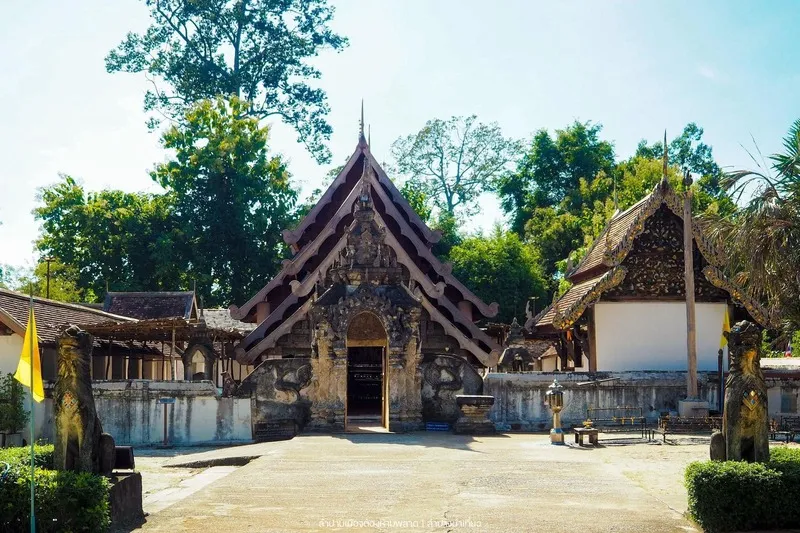
Wat Selarattanapapphataram, also known as Wat Lai Hin Luang Kaew Chang Yuen, is an important ancient temple in Lai Hin Subdistrict, Ko Kha District, Lampang Province. It is one of the finest cultural sites in northern Thailand for travelers who want to experience authentic Lanna art, old wooden architecture, and the quiet atmosphere of a historic Buddhist temple. The temple is especially known for its old viharn, created with the craftsmanship of Chiang Tung artisans, and for its refined decorative details on the gable, entrance arch, carved wooden brackets, and traditional stucco motifs.
The temple stands within an old local community, surrounded by the calm rural landscape of Lampang. Its atmosphere is peaceful, understated, and deeply rooted in northern Thai culture. Unlike large tourist temples, Wat Lai Hin Luang Kaew Chang Yuen preserves a strong sense of age and authenticity. Visitors can walk slowly through the temple grounds and observe the relationship between religious architecture, village life, and Lanna craftsmanship that has been passed down through generations.
The most remarkable feature of the temple is its ancient wooden viharn, built in traditional Lanna style. The structure reflects the work of highly skilled Chiang Tung craftsmen, with a layered roof, graceful proportions, and elaborate wooden details. The front gable is decorated with refined patterns inspired by plants, mythical creatures, naga forms, and Buddhist symbolism. These details are not merely ornamental; they express the devotion, worldview, and artistic knowledge of northern artisans.
The entrance arch is another highlight. Built with brick and stucco, it features decorative animal figures and motifs in classic Lanna style. The stucco work still shows the elegance of traditional northern design, giving visitors a clear impression of how Buddhist architecture in this region combined faith, craftsmanship, and local imagination. For travelers interested in temple art, this arch is one of the most photogenic and meaningful points in the temple.
Inside the viharn, the principal Buddha image is enshrined as the spiritual center of the temple. The interior atmosphere is calm and devotional, inviting visitors to pay respect and observe the old wooden structure at close range. Another important object inside the viharn is the life-size statue of Phra Maha Kesara Panyo Bhikkhu, which is especially significant because it was sculpted by the monk himself. This statue gives the temple a rare human and historical dimension, linking religious devotion with personal artistic skill.
The temple’s chedi is built in Lanna style and enshrines relics of the Lord Buddha. Its presence adds strong spiritual importance to the temple and makes it a place of worship for local Buddhists as well as visitors from other provinces. The area around the chedi is quiet and suitable for prayer, meditation, and respectful contemplation.
One of the finest artistic details at Wat Lai Hin Luang Kaew Chang Yuen is the set of carved wooden brackets at the sermon hall. These brackets are made in a traditional Lanna form, appearing like large triangular wooden panels carved into openwork designs. The motifs include naga, Hanuman, and flowing vine patterns. Such craftsmanship is increasingly rare today because it requires advanced carving skill and a deep understanding of traditional proportions.
The carved motifs throughout the temple reveal the cultural imagination of old Lanna society. The naga symbolizes protection and sacred power, Hanuman reflects strength and movement, while vine patterns express fertility, continuity, and natural beauty. Together, these motifs turn the temple into a living archive of northern Thai visual culture.
Wat Lai Hin Luang Kaew Chang Yuen is also important as a community temple. It has long served as a religious and cultural center for the people of Lai Hin. Local Buddhist ceremonies, merit-making activities, and seasonal observances continue to connect the temple with daily life. For this reason, the temple should be understood not only as a tourist attraction but also as a living sacred place.
For photographers, the temple offers many beautiful angles: the wooden viharn, carved gable, stucco gateway, Lanna chedi, and the quiet temple courtyard. The best time to visit is in the morning or late afternoon, when the light is softer and the texture of old wood becomes more visible. The temple is also suitable for travelers who prefer slow cultural travel rather than crowded sightseeing.
Getting There is convenient from Lampang city. The temple is located about 30 km from the city center in Ko Kha District. Travelers can visit by private car, rental car, or local transport. The route is suitable for a half-day or day trip and can be combined with nearby attractions such as Wat Phra That Lampang Luang and Kad Tung Kwian.
| Name | Wat Selarattanapapphataram (Wat Lai Hin Luang Kaew Chang Yuen) |
| Location | Lai Hin Subdistrict, Ko Kha District, Lampang Province |
| Address | Ban Lai Hin, Lai Hin Subdistrict, Ko Kha District, Lampang Province 52130, Thailand |
| Coordinates | 18.1769, 99.3947 |
| Highlights | Ancient wooden Lanna viharn, Chiang Tung craftsmanship, ornate gable, carved brackets, and traditional stucco gateway |
| History | An old Lanna temple with high artistic and religious importance in Ko Kha District, Lampang Province |
| Name Origin | The local name relates to Lai Hin community and the auspicious elephant symbolism found in Lanna cultural belief |
| Distinctive Features | Carved wooden brackets with naga, Hanuman, and vine motifs in authentic Lanna style |
| Travel Information | About 30 km from Lampang city; accessible by private car, rental car, or local transport |
| Current Status | Open for visitors and regular Buddhist activities |
| Open Days | Daily |
| Opening Hours | 07.00 – 17.00 |
| Fees | No admission fee |
| Facilities | Parking area, restrooms, and resting areas within the temple grounds |
| Main Areas / Zones | Ancient viharn, Lanna chedi, sermon hall, and traditional Lanna gateway |
| Abbot / Caretaker | Phra Khru Wisutthasilachan |
| Main Contact Number | 054-281369 |
| Nearby Tourist Attractions | 1. Wat Phra That Lampang Luang, about 9 km 2. Kad Tung Kwian Market, about 12 km 3. Wat Pong Yang Khok, about 11 km 4. Baan Sao Nak, about 28 km 5. Wat Si Chum Lampang, about 30 km |
| Nearby Restaurants | 1. Krua Nuea Hom Lampang, about 10 km, Tel. 094-6262456 2. Wiang Lakon Restaurant, about 28 km, Tel. 054-222521 3. Om Nomsod, about 27 km, Tel. 054-321199 4. Pa Boon Noodle Shop, about 8 km 5. Huen Lanna Restaurant, about 12 km |
| Nearby Accommodations | 1. Lampang River Lodge, about 14 km, Tel. 054-209999 2. The Coconut Hotel Lampang, about 27 km, Tel. 054-821999 3. B2 Lampang Boutique & Budget Hotel, about 28 km, Tel. 052-009161 4. Baan Chiang Kham Lampang, about 29 km 5. Khelang Nakorn Hotel / Clay House Lampang area, about 30 km |
Frequently Asked Questions (FAQ)
Q: Where is Wat Lai Hin Luang Kaew Chang Yuen located?
A: The temple is located in Lai Hin Subdistrict, Ko Kha District, Lampang Province, about 30 km from Lampang city.
Q: What is Wat Lai Hin Luang Kaew Chang Yuen famous for?
A: It is famous for its ancient wooden Lanna viharn, Chiang Tung craftsmanship, carved wooden brackets, and ornate traditional gateway.
Q: Is there an admission fee?
A: No. Visitors can enter the temple without an admission fee.
Q: What can visitors see inside the temple?
A: Visitors can see the ancient viharn, Lanna chedi, life-size statue of Phra Maha Kesara Panyo Bhikkhu, carved wooden brackets, and stucco gateway.
Q: What is the best time to visit?
A: Morning and late afternoon are the best times because the weather is cooler and the natural light makes the old wooden architecture more beautiful.
Q: Can visitors take photos at the temple?
A: Yes. Photography is allowed, but visitors should dress modestly and behave respectfully inside the sacred area.
Q: Who should visit this temple?
A: It is ideal for travelers interested in Lanna art, Buddhist architecture, old temples, cultural photography, and quiet heritage travel in northern Thailand.
 Category: ●Places of Worship
 Group: ●Temple
Last Update : 5 MonthAgo
 Last Update : 5 MonthAgo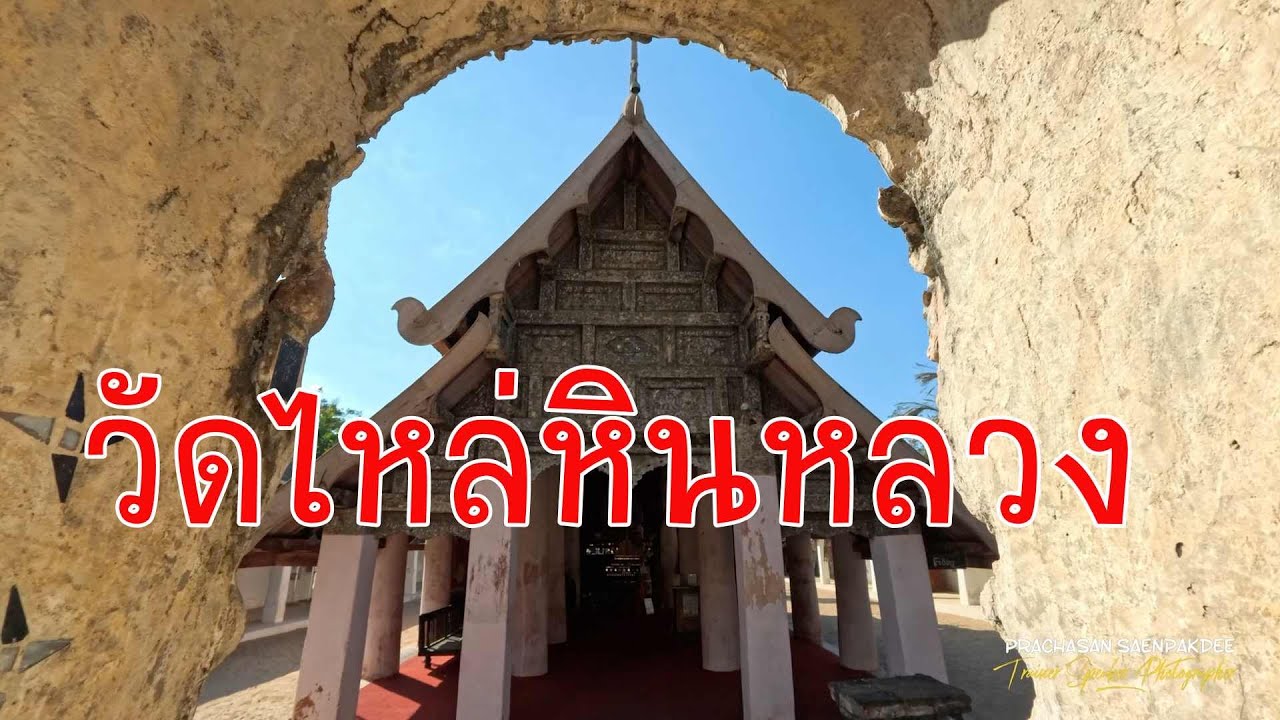
 Click to Access the Navigation Map GPS
Wat Selarattanapapphataram (Wat Lai Hin Luang) Map
Recommend

 Art, Culture and Heritage
 Historical Sites and Monuments(2)
 Landmarks and Memorials(5)
 Art, Craft Centres, Tradition(10)
 Museums(4)
 Historic Homes and Cities(1)
Temple(86)
Historic Homes and Cities(1)
Temple(86)
 Other Sacred Sites(9)
 Research and Development
 Royal Project(2)
 Suburban Living
 Village, Community(3)
 Local Market(2)
 Nature and Wildlife
 National Parks and Marine Reserves(6)
 Mountain (Doi)(4)
 Dam, Reservoir, Lake(11)
 Waterfalls(15)
 Hot Springs(1)
 Caves(12)
 Flower Field(1)
 River, Canal(1)
 Bays and Beaches(1)
 Other natural attractions(4)
 Entertainment and Agricultural
 Animal camps and shows(1)
 Farms, Parks and Ecotourism(2)
 Outdoor and Adventure Activities(2)
 Shopping
 Shopping and Night Market(2)
 Spas and Wellness
 Spas and Wellness(1)
 Travel Articles, Recipes
 Travel Review, Food Review(1)


