
lovethailand home >North Travel Attractions >Lampang Travel Attractions >Mueang Lampang >Wiang Nuea > Fon Phi Mod-Phi Meng Tradition
TL;DR: Fon Phi Mod-Phi Meng Tradition, open Held According to Individual Clan and Community Schedules, hours Usually Conducted From Morning Until Evening.
Fon Phi Mod-Phi Meng Tradition
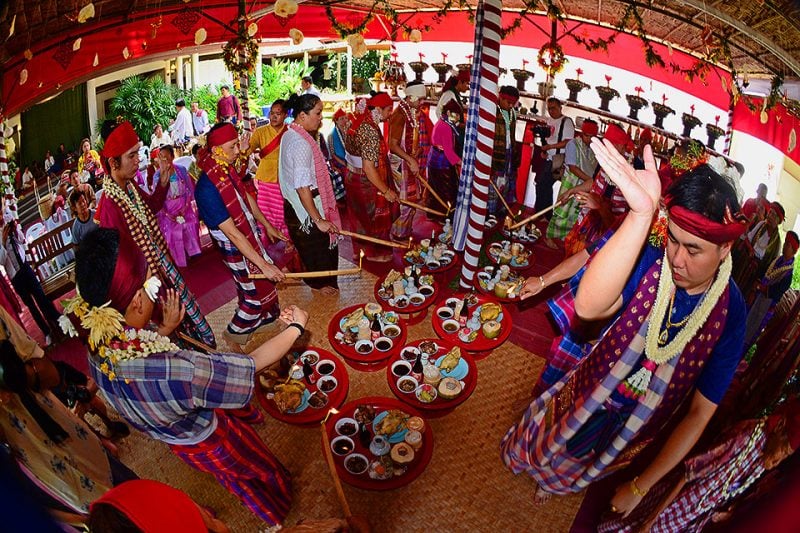
Open Days: Held According to Individual Clan and Community Schedules
Opening Hours: Usually Conducted From Morning Until Evening
Fon Phi Mod-Phi Meng Tradition is one of the most important ancestral spirit ceremonies of Lanna culture in northern Thailand. The ritual has been preserved for generations in provinces such as Lampang, Chiang Mai, and Lamphun, especially in communities that continue maintaining strong traditional cultural identity. This ceremony combines spirit worship, ritual dancing, trance possession, music, and family gatherings into a unique spiritual practice that reflects the relationship between descendants and their ancestral spirits.
Although modern society has changed dramatically, the Fon Phi Mod-Phi Meng tradition continues to survive in several northern Thai communities. The ritual is not regarded as entertainment or theatrical performance but as a sacred ceremony connected deeply to ancestral beliefs and family lineage. Participants believe ancestral spirits continue protecting descendants, maintaining family harmony, and watching over the prosperity of the clan.
The terms “Phi Mod” and “Phi Meng” refer to different categories of ancestral spirits connected to ethnic and social origins within ancient Lanna society. “Phi Mod” is often associated with Tai Yai or Shan-related lineages, while “Phi Meng” is linked to groups influenced by Mon culture and former ruling or military classes. The word “Meng” in northern Thai language refers historically to Mon people, demonstrating how the tradition preserves traces of cultural interaction between several ethnic groups throughout northern Thailand.
The exact origin of the ceremony cannot be historically confirmed, but many scholars believe it developed from indigenous spirit beliefs that existed before Buddhism spread into the Lanna Kingdom. Rather than disappearing after Buddhism became dominant, ancestral spirit worship gradually blended with Buddhist practices and continued existing alongside temple-based religious traditions.
One of the most distinctive features of the ceremony is the construction of the ritual pavilion known as the “Pham.” This sacred ceremonial structure serves as the space where ancestral spirits are invited to participate in the ritual. The pavilion is traditionally built using natural materials such as bamboo, palm leaves, dried grasses, and banana leaves, reflecting the close relationship between Lanna communities and the natural environment.
Before the ceremony begins, family members work together preparing ritual offerings including boiled pork, boiled chicken, flowers, incense, candles, rice, fruits, desserts, liquor, and ceremonial clothing for spirit mediums. These offerings are considered symbolic gifts presented to ancestral spirits and serve as a spiritual connection between the living and the deceased.
The ritual is generally divided into two important stages known as “Wan Khao” and “Wan Ngan.” The first stage involves informing relatives, inviting clan members, preparing ritual spaces, and organizing ceremonial equipment. The second stage is the main ceremony itself, featuring spirit invocation, trance possession, dancing, music, and communal gatherings.
Traditionally, families avoid holding ceremonies on the same day because ancestral spirits from one family are believed capable of visiting ceremonies hosted by related clans. This belief demonstrates the interconnected spiritual relationships between families and highlights the broader social networks within Lanna communities.
The most sacred part of the ceremony is the spirit invocation ritual. A white ceremonial cloth is often suspended within the ritual pavilion to symbolize the connection between the human world and the spiritual realm. During Phi Mod ceremonies, spirit possession usually occurs relatively quickly after prayers are completed. Phi Meng ceremonies are often more elaborate, requiring the spirit medium to perform ritual movements involving the ceremonial cloth before the spirit enters the body.
The most important ceremonial figure is the “Ma Khee,” or spirit medium, who acts as the physical vessel through which ancestral spirits communicate. Spirit mediums are usually women, and the role is often inherited within the family lineage. Communities believe ancestral spirits themselves select suitable mediums, meaning replacements cannot simply be chosen by family decision alone.
After spirit possession begins, the medium may select ceremonial clothing, swords, scarves, jewelry, or traditional costumes believed to reflect the identity and personality of the ancestral spirit. Each spirit possesses unique behavioral characteristics and dancing styles. Some spirits are believed to dance gracefully and calmly, while others behave energetically or aggressively depending on their historical identity.
Music plays a central role in the Fon Phi Mod-Phi Meng ceremony. Originally, simple northern Thai folk instruments accompanied the ritual, but over time larger “Piphat” ensembles became incorporated into performances. These ceremonial ensembles contain influences from Mon, Burmese, Thai, Lao, Khmer, Javanese, and Lanna musical traditions, producing a highly distinctive ritual sound.
According to local belief, incorrect musical performance can prevent spirits from entering the medium or participating in ritual dancing. Musicians therefore require specialized knowledge regarding ceremonial rhythms, melodies, and ritual sequences. In many communities, these musical traditions are preserved through oral transmission from generation to generation.
During the ceremony, participants often shout rhythmic encouragements while spirit mediums dance according to the music. Some mediums perform sword dances, while others move slowly and gracefully. The atmosphere becomes simultaneously sacred, emotional, and celebratory as family members participate together in honoring ancestral spirits.
At midday, ceremonies commonly pause for communal meals and food offerings presented to the spirits. Sharing food together is considered an important social component of the ritual because it strengthens family relationships and community unity. Younger generations learn ceremonial responsibilities and cultural traditions through direct participation alongside elders.
The final stage of the ceremony is known as the spirit farewell ritual. During this stage, the music gradually slows, and spirit mediums move toward the spirit shrine while performing lament-like poetic chanting and ritual dancing using flowers, candles, incense, and ceremonial swords. When the spirit leaves the body, the medium often collapses briefly, signaling the completion of the ceremony.
Despite rapid modernization, the Fon Phi Mod-Phi Meng tradition continues to survive through the efforts of families, local communities, and cultural organizations. Many communities encourage young people to participate in rituals, learn ceremonial music, and help organize events so the tradition can continue into future generations.
Today, the ceremony has also become part of cultural tourism in northern Thailand. Both Thai and international visitors are fascinated by the ritual because it reflects authentic Lanna spiritual beliefs and traditional community life. However, most communities still emphasize that the ceremony remains primarily a sacred ancestral ritual rather than a tourist performance.
Getting There requires advance coordination with local communities or provincial cultural offices because each clan organizes ceremonies according to its own schedule. Traditional ceremonies can still be observed in several communities throughout Lampang, Chiang Mai, and Lamphun Provinces where Lanna cultural heritage remains strong.
The Fon Phi Mod-Phi Meng tradition therefore represents much more than a spiritual ceremony. It preserves ancestral memory, traditional music, family relationships, and the cultural identity of northern Thai communities. Through continued practice, the ritual remains one of the most important living cultural heritages of the Lanna world.
| Tradition Name | Fon Phi Mod-Phi Meng Tradition |
| Category | Lanna Ancestral Spirit Worship Ceremony |
| Region | Northern Thailand |
| Main Provinces | Lampang, Chiang Mai, and Lamphun |
| Ceremony Period | From the northern lunar fifth month until the beginning of the rainy season |
| Main Characteristics | Spirit dancing, trance possession, ritual music, and ancestral worship |
| Main Spirit Types | Phi Mod, Phi Meng, and Phi Mod Son Meng |
| Main Ritual Components | Spirit Mediums, Ritual Attendants, Ritual Pavilion, and Piphat Music Ensemble |
| Music Used | Lanna Piphat music influenced by Mon, Burmese, Thai, Lao, Khmer, and Javanese traditions |
| Cultural Importance | Represents ancestral respect, family unity, and preservation of Lanna cultural identity |
| Tradition Caretakers | Clan leaders, Lanna communities, and northern provincial cultural offices |
| Main Ritual Rules | Music and ritual procedures must strictly follow inherited traditional patterns |
| Travel Information | Visitors should contact local communities or provincial cultural offices in advance for ceremony schedules |
| Nearby Tourist Attractions | 1. Kad Kong Ta Lampang, About 2 km 2. Wat Phra That Lampang Luang, About 18 km 3. Wat Sri Rong Mueang, About 3 km 4. Ratsadaphisek Bridge, About 2 km 5. Dhanabadee Ceramic Museum, About 5 km |
| Nearby Restaurants | 1. Krua Nuea Hom Lampang, About 3 km, Tel. 054-019899 2. Baan Phraya Suren by Madame Musur, About 2 km, Tel. 054-314899 3. Wiang Lakon Restaurant, About 2 km, Tel. 054-222111 4. Long Jim New York Pizza, About 2 km, Tel. 095-4465959 5. Tik Jaew Hon Lampang, About 3 km, Tel. 054-223799 |
| Nearby Accommodations | 1. Lampang River Lodge, About 8 km, Tel. 054-209999 2. The Coconut Hotel, About 4 km, Tel. 054-821999 3. Regent Lodge Lampang, About 2 km, Tel. 054-323111 4. Hop Inn Lampang City Center, About 3 km, Tel. 052-081777 5. Wiang Thong Hotel Lampang, About 2 km, Tel. 054-218561 |
Frequently Asked Questions (FAQ)
Q: What is the Fon Phi Mod-Phi Meng tradition?
A: It is a Lanna ancestral spirit worship ceremony involving dancing, trance possession, music, and ritual offerings.
Q: What is the difference between Phi Mod and Phi Meng?
A: Phi Mod is associated with Tai Yai-related lineages, while Phi Meng reflects Mon cultural influence and former leadership groups.
Q: When is the ceremony usually held?
A: Ceremonies are generally organized between February and the beginning of the rainy season.
Q: Who is the “Ma Khee” in the ceremony?
A: The “Ma Khee” is the spirit medium who becomes possessed by ancestral spirits during the ritual.
Q: Why is music important in the ritual?
A: Ritual music is believed necessary for successful spirit possession and proper ceremonial performance.
Q: Can tourists observe the ceremony?
A: Yes. Visitors may respectfully observe ceremonies while following local community customs.
Q: Is the tradition still practiced today?
A: Yes. The tradition remains active in several northern Thai communities preserving Lanna culture.
 Category: ●Art, Culture and Heritage
 Group: ●Art, Craft Centres, Tradition
Last Update : 3 MonthAgo
 Last Update : 3 MonthAgo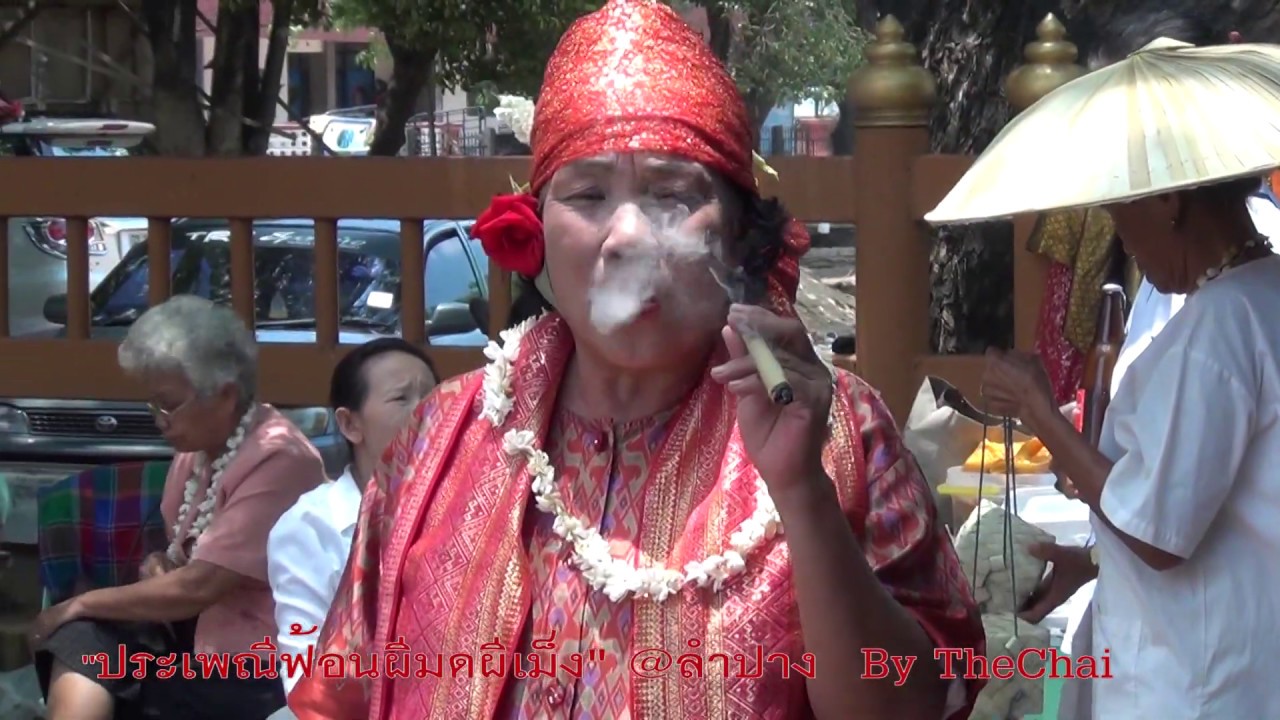

 Historical Sites and Monuments(2)
 Landmarks and Memorials(5)
Art, Craft Centres, Tradition(10)
Landmarks and Memorials(5)
Art, Craft Centres, Tradition(10)
 Museums(4)
 Historic Homes and Cities(1)
 Places of Worship
 Temple(86)
 Other Sacred Sites(9)
 Research and Development
 Royal Project(2)
 Suburban Living
 Village, Community(3)
 Local Market(2)
 Nature and Wildlife
 National Parks and Marine Reserves(5)
 Mountain (Doi)(4)
 Dam, Reservoir, Lake(11)
 Waterfalls(15)
 Hot Springs(1)
 Caves(12)
 Flower Field(1)
 River, Canal(1)
 Bays and Beaches(1)
 Other natural attractions(4)
 Entertainment and Agricultural
 Animal camps and shows(1)
 Farms, Parks and Ecotourism(2)
 Outdoor and Adventure Activities(2)
 Shopping
 Shopping and Night Market(2)
 Spas and Wellness
 Spas and Wellness(1)


