
lovethailand home >North Travel Attractions >Lampang Travel Attractions >Thoen >Na Pong > Tan Kuay Salak Tradition
TL;DR: Tan Kuay Salak Tradition, open Held Once a Year on the Full Moon Day of the 12th Northern Lunar Month, hours Approximately 07.30 AM – Afternoon.
Tan Kuay Salak Tradition
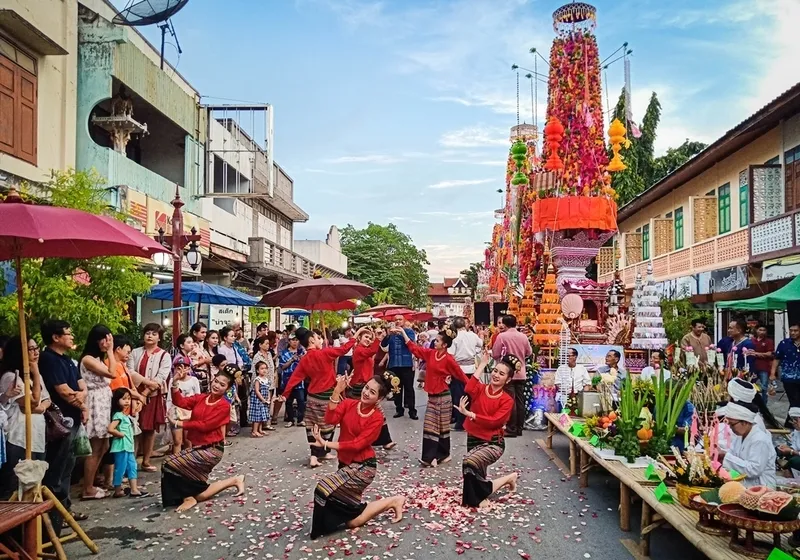
Open Days: Held Once a Year on the Full Moon Day of the 12th Northern Lunar Month
Opening Hours: Approximately 07.30 AM – Afternoon
Tan Kuay Salak Tradition of Ban San Pa Ji in Thoen District, Lampang Province, is one of the most meaningful and long-preserved Lanna Buddhist traditions in northern Thailand. Passed down through many generations, the ceremony reflects gratitude, compassion, generosity, religious faith, and the unity of local communities. More than simply a merit-making event, the tradition serves as an important cultural expression connecting religion, ancestral remembrance, local craftsmanship, and social harmony.
Ban San Pa Ji remains a community that carefully preserves traditional Lanna lifestyle and customs. Every year on the full moon day of the 12th northern lunar month, villagers gather together at Wat San Pa Kha to organize the Tan Kuay Salak ceremony. The atmosphere throughout the village becomes lively and colorful as families prepare offerings, dress in traditional northern Thai clothing, and participate in ceremonies together.
According to local belief, this particular full moon day is when celestial beings release wandering spirits and hungry ghosts to receive merit from the human world. Villagers therefore organize the Kuay Salak offering ceremony to dedicate merit not only to deceased relatives and ancestors but also to animals that once lived alongside humans, including elephants, horses, buffaloes, cows, dogs, pigs, and animals once used for food.
This belief reflects the compassionate worldview of Lanna communities, which values all living beings rather than only humans. Dedicating merit to animals symbolizes gratitude toward creatures that supported agricultural life and human survival throughout history.
The heart of the ceremony is the “Kuay Salak,” a traditional woven bamboo offering basket. Villagers in Ban San Pa Ji continue preserving the traditional handcrafting process using split bamboo strips known locally as “Tok.” These strips are woven carefully into basket forms using techniques passed down through generations.
The basket-making process itself represents an important community activity. Elders teach younger generations how to prepare bamboo and weave traditional baskets, while women help arrange food and ceremonial offerings. Through these activities, local wisdom and cultural knowledge continue being transferred within the community.
Inside each Kuay Salak basket are rice, fruits, dried food, vegetables, chili peppers, garlic, onions, drinking water, desserts, sticky rice bundles, and daily necessities. The baskets are tied together using bamboo strips and decorated with flowers and “Fui,” decorative bamboo fibers shaped like blossoms. Some baskets also include traditional chewing tea leaves, cigarettes, matches, and money according to the donor’s faith and intention.
Another important component is the “Sen Salak,” or lottery slip. Each Kuay Salak basket has one corresponding Sen Salak containing the names of those to whom merit is dedicated. Some families prepare multiple baskets to dedicate merit to parents, grandparents, ancestors, guardian spirits, and animals.
The wording written on Sen Salak slips is often poetic and deeply emotional. Some messages specifically dedicate merit to animals that once worked for humans or became food for people. These writings reflect the spiritual sensitivity and compassionate philosophy of Lanna culture.
On the festival morning, villagers wear elegant traditional northern Thai clothing and gather at Wat San Pa Kha from early morning onward. At approximately 07.30 AM, almsgiving ceremonies begin. Families then arrange their Kuay Salak baskets around temple halls and beneath monks’ residences, creating a beautiful display of colorful offerings throughout the temple grounds.
Afterward, all Sen Salak lottery slips are collected together inside the temple hall. The slips are mixed and divided equally according to the number of monks and novices participating in the ceremony. Additional portions are prepared for temple caretakers, schools, and monks invited from neighboring temples.
At around 09.30 AM, monks deliver Buddhist sermons explaining the spiritual benefits and significance of Tan Kuay Salak merit-making. Ceremonial blessing rituals then take place, creating a peaceful and deeply spiritual atmosphere inside the temple.
One of the most important moments of the ceremony is called “Sen Salak Ok,” when representatives from each temple receive lottery slips and distribute them to monks and novices. Donors then search throughout the temple grounds to locate the monk or novice holding their specific lottery slip.
Once donors find the correct recipient, they formally present their Kuay Salak basket. The monk or novice reads the written dedication aloud before giving blessings and leading water-pouring rituals to dedicate merit to deceased relatives and spirits. This emotional moment strongly reflects the gratitude and remembrance embedded within the tradition.
After all baskets have been distributed according to the lottery system, monks and novices gather the food offerings together for their meal before noon. The atmosphere throughout the temple remains warm and communal as villagers continue socializing and helping one another.
The Tan Kuay Salak Tradition of Ban San Pa Ji functions as much more than a religious ceremony. It serves as a social center where villagers, students, youth groups, and elders gather together, strengthen relationships, and preserve local culture. These social values are one of the reasons the tradition continues remaining vibrant today.
According to Ms. Supannee Mahla, Cultural Officer of Thoen District, the festival plays an important role in connecting homes, temples, and schools. It encourages community cooperation, creates emotional bonds among residents, and helps younger generations appreciate and preserve Lanna cultural heritage for the future.
The ceremony also helps cultivate kindness, humility, generosity, and compassion within the community. Villagers believe that collective merit-making contributes to peaceful coexistence and stronger social relationships.
Although modern society continues changing rapidly, Ban San Pa Ji still preserves the Tan Kuay Salak Tradition beautifully and actively. Visitors attending the ceremony can experience authentic Lanna rituals, traditional bamboo craftsmanship, religious devotion, and the warmth of northern Thai community life. The festival therefore remains one of the most meaningful surviving traditions of northern Thailand.
Getting There is convenient from Lampang City via Highway 1 toward Thoen District before continuing along local roads to Wat San Pa Kha. Visitors are encouraged to confirm festival dates with local cultural offices or community representatives because the ceremony follows the traditional northern lunar calendar.
The Tan Kuay Salak Tradition of Ban San Pa Ji therefore represents far more than a merit-making event. It is a living cultural heritage that beautifully combines faith, gratitude, local wisdom, compassion, and community unity into one enduring expression of Lanna identity.
| Festival Name | Tan Kuay Salak Tradition of Ban San Pa Ji |
| Category | Traditional Lanna Merit-Making Ceremony |
| Festival Location | Wat San Pa Kha, Ban San Pa Ji, Thoen District, Lampang Province |
| Festival Period | Full Moon Day of the 12th Northern Lunar Month |
| Main Highlights | Traditional bamboo Kuay Salak baskets and merit dedication ceremonies for ancestors and animals |
| Cultural Importance | Represents gratitude, compassion, and unity within Lanna communities |
| Main Activities | Almsgiving, lottery offering ceremonies, Buddhist sermons, and merit dedication rituals |
| Tradition Caretakers | Ban San Pa Ji Community, Wat San Pa Kha, and Thoen District Cultural Office |
| Main Materials | Bamboo, woven strips, flowers, and Buddhist offerings |
| Main Belief | Spirits descend to receive merit from the human world during this sacred full moon day |
| Traditional Dress | Traditional Lanna clothing |
| Travel Information | Accessible from Lampang City via Highway 1 toward Thoen District |
| Nearby Tourist Attractions | 1. Doi Chong National Park, About 18 km 2. Wat Phra That Lampang Luang, About 75 km 3. Mae Wa Waterfall, About 25 km 4. Thoen Old Market, About 6 km 5. Wat Wiang Lampang, About 7 km |
| Nearby Restaurants | 1. Krua Mueang Thoen, About 6 km, Tel. 054-291255 2. Lung Porn Larb Restaurant, About 5 km, Tel. 081-9514820 3. Pa Nuan Khao Soi Shop, About 6 km, Tel. 089-7543218 4. Baan Suan Thoen Restaurant, About 7 km, Tel. 086-4201147 5. Thoen Thai Noodle Shop, About 5 km, Tel. 081-0335598 |
| Nearby Accommodations | 1. Thoen Resort, About 6 km, Tel. 054-291455 2. Baan Suan Resort Thoen, About 7 km, Tel. 081-8823156 3. Thoen Thani Hotel, About 6 km, Tel. 054-291778 4. The Cottage Lampang Resort, About 10 km, Tel. 086-9158821 5. Baan Kiang Doi Resort, About 12 km, Tel. 089-8564423 |
Frequently Asked Questions (FAQ)
Q: What is the Tan Kuay Salak Tradition of Ban San Pa Ji?
A: It is a traditional Lanna merit-making ceremony dedicated to deceased relatives and animals through Kuay Salak basket offerings.
Q: What are Kuay Salak baskets made from?
A: They are handmade from woven bamboo strips using traditional northern Thai techniques.
Q: What is placed inside the baskets?
A: The baskets contain rice, fruits, food, desserts, vegetables, and household necessities.
Q: What is a Sen Salak lottery slip?
A: It is a written dedication slip identifying the person or spirit receiving the merit from the offering.
Q: Why is merit dedicated to animals?
A: Lanna belief teaches gratitude toward animals that once supported or nourished human life.
Q: Where is the festival held?
A: The festival takes place at Wat San Pa Kha in Ban San Pa Ji, Thoen District, Lampang Province.
Q: Why is this tradition important for the community?
A: It strengthens unity, preserves Lanna culture, and encourages compassion and generosity.
 Category: ●Art, Culture and Heritage
 Group: ●Art, Craft Centres, Tradition
Last Update : 4 MonthAgo
 Last Update : 4 MonthAgo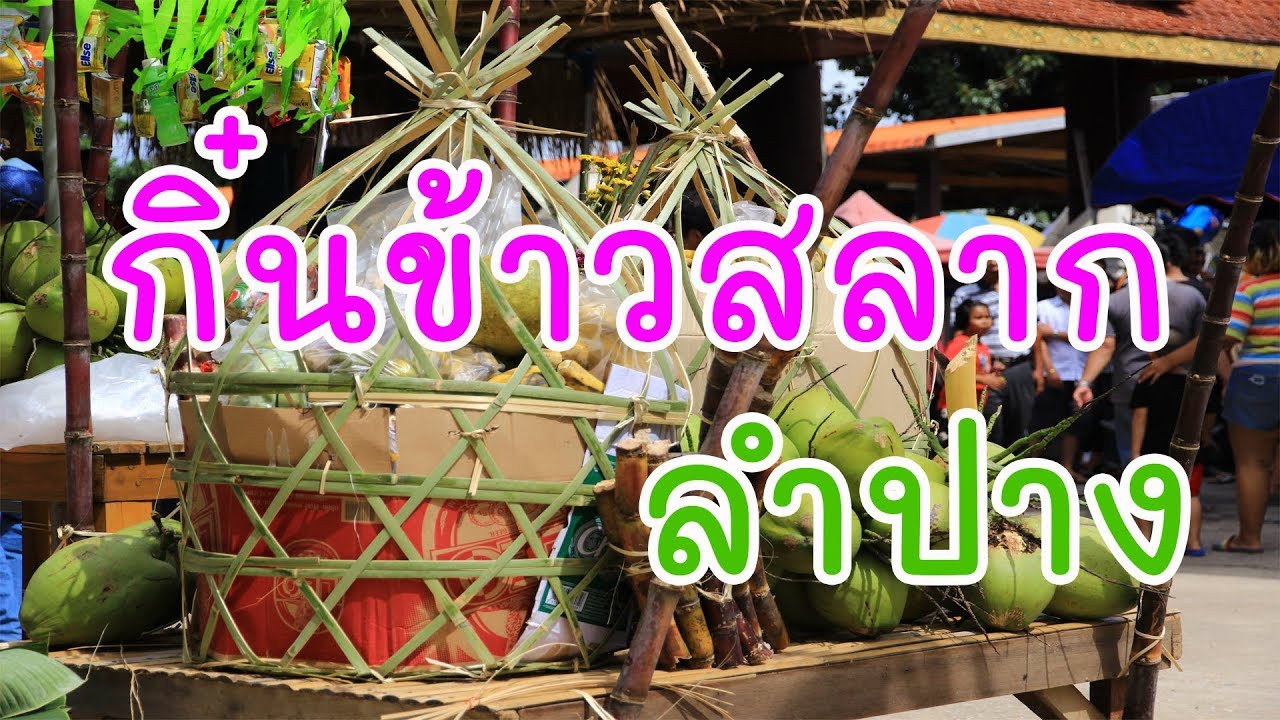
 Click to Access the Navigation Map GPS
Tan Kuay Salak Tradition Map
Recommend

 Historical Sites and Monuments(2)
 Landmarks and Memorials(5)
Art, Craft Centres, Tradition(10)
Landmarks and Memorials(5)
Art, Craft Centres, Tradition(10)
 Museums(4)
 Historic Homes and Cities(1)
 Places of Worship
 Temple(86)
 Other Sacred Sites(9)
 Research and Development
 Royal Project(2)
 Suburban Living
 Village, Community(3)
 Local Market(2)
 Nature and Wildlife
 National Parks and Marine Reserves(5)
 Mountain (Doi)(4)
 Dam, Reservoir, Lake(11)
 Waterfalls(15)
 Hot Springs(1)
 Caves(12)
 Flower Field(1)
 River, Canal(1)
 Bays and Beaches(1)
 Other natural attractions(4)
 Entertainment and Agricultural
 Animal camps and shows(1)
 Farms, Parks and Ecotourism(2)
 Outdoor and Adventure Activities(2)
 Shopping
 Shopping and Night Market(2)
 Spas and Wellness
 Spas and Wellness(1)


