
lovethailand home >North Travel Attractions >Sukhothai Travel Attractions >Si Sat Chana Lai >Nong O > Thai Wisdom Learning Center
TL;DR: Thai Wisdom Learning Center is located at 329 Moo 9, Nong O Subdistrict, Si Satchanalai District, Sukhothai Province, open Daily, hours 08.00 - 17.00.
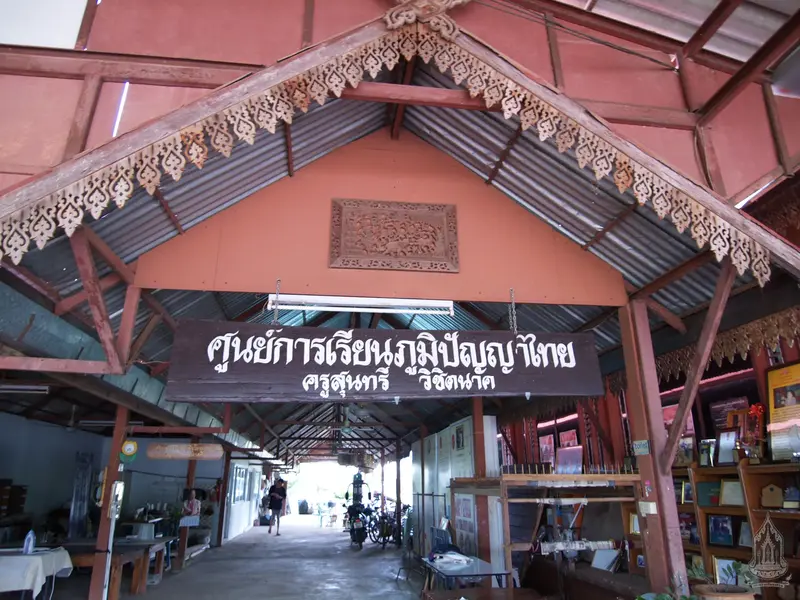
Thai Wisdom Learning Center
Open Days: Daily
Opening Hours: 08.00 - 17.00
The Thai Wisdom Learning Center (Suntree Khanadnid), also known as Suntree Thai Weaving Center, is located at 329 Moo 9, Nong O Subdistrict, Si Satchanalai District, Sukhothai Province. It is one of the most meaningful cultural learning centers for Thai Phuan handwoven textiles in Ban Hat Siao. More than a weaving shop or craft outlet, the center is a living space where local wisdom, traditional weaving, community identity, creative design, and cultural education come together. For travelers who want to understand Sukhothai beyond ancient temples, this is one of the best places to experience living heritage through the hands of real artisans.
The Thai Wisdom Learning Center (Suntree Khanadnid) is a community-based learning center dedicated to Thai Phuan handwoven textiles from Ban Hat Siao in Si Satchanalai, Sukhothai. It is known for tin chok textiles, handwoven cotton and silk, natural dyeing, loom demonstrations, weaving education, Thai Phuan cultural interpretation, and contemporary textile products. The center is suitable for travelers, students, designers, craft lovers, and international visitors who want to see how traditional Thai weaving knowledge is preserved, taught, and adapted for modern life.
The center was founded through the lifelong dedication of Khru Suntree Khanadnid, who was honored by the Office of the Education Council, Ministry of Education, as a Thai Wisdom Teacher, Class 3, in the field of industry and handicrafts in 2003. This recognition reflects her deep knowledge, technical skill, and commitment to preserving Thai weaving heritage. Her work has helped protect the textile identity of Ban Hat Siao and transform local knowledge into a structured learning experience that can be shared with people beyond the community.
Ban Hat Siao in Si Satchanalai is strongly associated with Thai Phuan culture. The Thai Phuan community has preserved distinctive traditions through language, food, rituals, dress, and handicrafts. Among these cultural expressions, tin chok textiles are especially important. A traditional tin chok sarong is not merely a piece of clothing. It is a cultural language that communicates local identity, women’s craftsmanship, social memory, and the aesthetic refinement of the Thai Phuan community.
The word “chok” refers to a supplementary weaving technique in which colored threads are picked or lifted by hand to create detailed patterns on the cloth. This technique requires concentration, memory, hand control, patience, and long experience. The patterns are not printed or embroidered after weaving. They are built into the fabric during the weaving process. For this reason, every handwoven tin chok textile is a work of skill, time, and cultural knowledge.
The Thai Wisdom Learning Center plays an important role in moving weaving knowledge from private household practice into a public learning space. The center is managed with the participation of the traditional Hat Siao handicraft group, local artisans, and community members. This collective structure is important because weaving heritage belongs not only to one individual but to the community that has carried the knowledge for generations. Through the center, visitors can see how local craft knowledge is taught, practiced, and preserved in an organized way.
Miss Raweewan Khanadnid, Khru Suntree’s daughter, also plays an important role in continuing the work as an assistant and successor in the learning process. Her involvement helps connect older knowledge with new forms of communication, product design, visitor experience, and creative tourism. This generational continuity is essential. A tradition survives not simply by being preserved in the past, but by being carried forward by people who can speak to the present.
The center has received support from the Office of the Education Council, Ministry of Education, helping strengthen its role as a structured learning center. This support has enabled the development of teaching materials, printed media, digital resources, and online communication. As a result, the knowledge of Thai Phuan weaving can reach a wider audience. The center therefore functions both as a cultural attraction and as an educational resource for students, researchers, designers, and craft communities.
Learning at the center does not begin only with finished textiles. It begins with understanding raw materials and the long process behind a single woven piece. Visitors can learn about cotton, fiber preparation, spinning, natural dyeing, setting up the warp, preparing the loom, weaving patterns, finishing textiles, and transforming fabric into usable products. Each stage reflects accumulated local wisdom. Seeing these steps helps visitors understand why handwoven textiles are valuable and why they cannot be compared with mass-produced cloth.
Natural dyeing is one of the meaningful aspects of the textile tradition. Colors from plants, bark, leaves, soil, and other natural materials often produce soft, deep, and living tones. These colors connect cloth with the surrounding environment. Learning about natural dyeing is therefore not only a technical lesson but also a lesson in the relationship between textiles, ecology, and community resources. It shows that weaving is part of a wider cultural and environmental system.
Ban Hat Siao tin chok textiles are especially admired for the intricate patterns at the lower border of the sarong. These patterns require great precision and reflect local aesthetics, symbolism, and memory. Some designs are inspired by nature, while others use geometric forms, rhythmic lines, and balanced composition. A mistake in the weaving can affect the entire design. This is why the craft requires patience, experience, and respect for the inherited pattern system.
The center does not teach technique alone. It also explains the cultural context of Thai Phuan textiles. Visitors can learn how tin chok cloth relates to women’s lives, ceremonies, merit-making, weddings, community identity, and traditional dress. This context is essential because it prevents textiles from being understood only as products. Instead, they are seen as cultural objects connected with people, memory, ritual, and place.
As a learning destination, the center creates a bridge between local artisans and the outside world. Students, university groups, designers, travelers, and craft enthusiasts can observe working looms, meet artisans, study materials, and understand the hand process behind each textile. This direct experience is different from viewing fabric in a shop. It allows visitors to see the time, discipline, and human presence embedded in every woven piece.
Economically, the center supports local artisans and the traditional handicraft group. Handwoven sarongs, shawls, scarves, bags, clothing, home textiles, and souvenirs can be developed from traditional techniques while still serving modern use. This type of product development helps keep weaving relevant. It allows traditional textiles to enter contemporary fashion, lifestyle design, and cultural tourism without losing their roots.
The success of the center comes from balancing tradition and modernity. If heritage is kept too rigidly, it may become distant from everyday life. If it changes too much, it may lose its cultural foundation. The center preserves the core elements of Thai Phuan weaving, such as hand techniques, local motifs, textile knowledge, and community values, while allowing new products and new audiences to emerge. This balance is what makes the center a strong model for living heritage preservation.
For cultural travelers, the center adds an important dimension to a trip to Si Satchanalai. Many visitors come to the district for Si Satchanalai Historical Park, ancient temples, and archaeological sites. The Thai Wisdom Learning Center reveals another side of Sukhothai: a living craft tradition still practiced in homes, workshops, and community spaces. Visiting the center turns a trip from sightseeing into cultural learning.
For international visitors, textiles are an accessible way to understand Thai culture. Every culture has fabric, clothing, and craft, but Thai Phuan textiles from Ban Hat Siao have their own distinctive techniques, meanings, and local history. Watching artisans work at the loom helps foreign travelers understand that Thai handicrafts are not merely souvenirs. They are knowledge systems passed from generation to generation and still important to community identity and income.
The center is also suitable for educational visits by schools, universities, cultural organizations, design groups, and craft researchers. It brings together the story of a master teacher, local wisdom, production processes, community organization, product development, and creative communication. Learners can see a real example of how traditional knowledge can be preserved and developed without being separated from its cultural roots.
Getting There is most convenient by private car or rental car. From Si Satchanalai District, travel toward Nong O Subdistrict and Ban Hat Siao. The center can also be combined with a visit to Si Satchanalai Historical Park, Hat Siao community, and other cultural sites nearby. Visitors coming in groups or wishing to join a learning activity should contact the center in advance so demonstrations, instructors, or hands-on activities can be arranged appropriately.
Visitors should allow at least 1-2 hours for a meaningful visit. Those who want to join a hands-on activity or study the weaving process in more depth should allow more time. Buying products directly from the center is also a way to support local artisans and help keep handweaving economically viable. Each purchase contributes to the continuation of the craft and to the livelihood of the community.
The area around the center can be connected with several important attractions in Si Satchanalai, including Hat Siao community, Wat Hat Siao, Si Satchanalai Historical Park, Wat Chang Lom, Wat Chedi Chet Thaeo, Wat Nang Phaya, and the Thuriang Kilns at Ban Ko Noi. This route allows travelers to experience ancient monuments, ceramic heritage, textile craftsmanship, and Thai Phuan community culture in one journey.
What makes the Thai Wisdom Learning Center (Suntree Khanadnid) especially valuable is that it turns the knowledge of a master teacher into knowledge for society. Khru Suntree and the local weaving group have not kept their wisdom only within the family or the village. They have created a learning space where others can observe, study, understand, and carry the knowledge forward. This is the essence of sustainable cultural preservation: knowledge survives when people learn it, use it, value it, and continue to teach it.
In conclusion, the Thai Wisdom Learning Center (Suntree Khanadnid) is much more than a place to learn Thai Phuan weaving. It is a center for preserving and sharing northern Thai culture, local history, creative craftsmanship, community education, and textile heritage. Its work keeps Ban Hat Siao tin chok textiles alive in contemporary life, inspires younger generations to value Thai craftsmanship, and offers visitors a meaningful way to experience living culture in Sukhothai Province.
| Name | Thai Wisdom Learning Center (Suntree Khanadnid) / Suntree Thai Weaving Center |
| Location | 329 Moo 9, Nong O Subdistrict, Si Satchanalai District, Sukhothai Province |
| Address | 329 Moo 9, Nong O Road, Nong O Subdistrict, Si Satchanalai District, Sukhothai 64130, Thailand |
| Highlights | Thai Phuan handwoven textiles from Ban Hat Siao, tin chok weaving, handlooms, weaving demonstrations, study visits, and contemporary textile products |
| History | Founded by Khru Suntree Khanadnid, Thai Wisdom Teacher Class 3 in industry and handicrafts, honored in 2003 for her role in preserving Thai Phuan weaving knowledge |
| Name Origin | Named after Khru Suntree Khanadnid, the founder and key teacher of Thai Phuan weaving wisdom from Ban Hat Siao |
| Distinctive Features | A learning center combining knowledge transmission, demonstrations, textile products, educational media, and the adaptation of local handwoven textiles into contemporary lifestyle items |
| Main Activities | Observing handweaving, learning about Thai Phuan tin chok textiles, seeing loom demonstrations, studying Thai Phuan culture, purchasing handwoven products, and joining creative tourism activities when available |
| Travel Information | Best reached by private car or rental car from Si Satchanalai District toward Nong O Subdistrict and Ban Hat Siao; it can be combined with Si Satchanalai Historical Park and Hat Siao community attractions |
| Current Status | Open as a learning center, study visit destination, cultural tourism site, and source of Thai Phuan handwoven textile products |
| Open Days | Daily |
| Opening Hours | 08.00 - 17.00 |
| Caretaker / Related People | Khru Suntree Khanadnid, Miss Raweewan Khanadnid, the Hat Siao traditional handicraft group, and members of the Thai Wisdom Learning Center |
| Main Contact Number | 055-671321, 089-858-8576 |
| Official Website / Official Page | Suntree Thai / Suntree Thai Weaving Center |
| Nearby Tourist Attractions | 1. Hat Siao Community, about 1 km 2. Wat Hat Siao, about 2 km 3. Ban Hat Siao Tin Chok Textile Learning Area, about 2 km 4. Si Satchanalai Historical Park, about 10 km 5. Wat Chang Lom, about 10 km 6. Wat Chedi Chet Thaeo, about 10 km 7. Thuriang Kilns at Ban Ko Noi, about 12 km |
| Nearby Restaurants | 1. Khao Perp Yai Khrueang, about 2 km 2. Ban Klang Na Restaurant Si Satchanalai, about 8 km, Tel. 081-441-6185 3. CSL Restaurant, about 4 km 4. Pa Song Restaurant, Si Satchanalai District, about 5 km 5. Local Restaurants in Hat Siao Community, about 1-2 km |
| Nearby Accommodations | 1. Chanalai Resort and Hotel, about 4 km, Tel. 055-672-555 2. Navy Sisatchanalai, about 4 km 3. Downhill Resort, about 5 km 4. Sisatchanalai Heritage Resort, about 8 km 5. Akara House Sukhothai, about 5 km 6. Nam Yom Resort, about 6 km |
Frequently Asked Questions (FAQ)
Q: Where is the Thai Wisdom Learning Center (Suntree Khanadnid) located?
A: It is located at 329 Moo 9, Nong O Subdistrict, Si Satchanalai District, Sukhothai Province. It is a learning center for Thai Phuan handwoven textiles from Ban Hat Siao.
Q: Why is this center important?
A: It preserves and teaches Thai Phuan weaving wisdom, especially tin chok textiles from Ban Hat Siao, while connecting master artisans, local weavers, and the community.
Q: Who founded the center?
A: The center was founded by Khru Suntree Khanadnid, a Thai Wisdom Teacher Class 3 in industry and handicrafts, honored in 2003.
Q: What can visitors see and learn at the center?
A: Visitors can observe handweaving, learn about Thai Phuan tin chok textiles, see loom demonstrations, study Thai Phuan culture, shop for handwoven textiles, and join creative tourism activities when available.
Q: What are the opening hours?
A: The center is open daily from 08.00 to 17.00. Groups planning a study visit should contact the center in advance.
Q: Is the center suitable for international visitors?
A: Yes. It is suitable for foreign travelers who want to understand Thai textiles, Thai Phuan craftsmanship, and the living culture of Ban Hat Siao.
Q: What nearby places can be visited together with the center?
A: Nearby places include Hat Siao Community, Wat Hat Siao, Si Satchanalai Historical Park, Wat Chang Lom, Wat Chedi Chet Thaeo, and the Thuriang Kilns at Ban Ko Noi.
 Category: ●Art, Culture and Heritage
 Group: ●Art, Craft Centres, Tradition
Last Update : 3 MonthAgo
 Last Update : 3 MonthAgo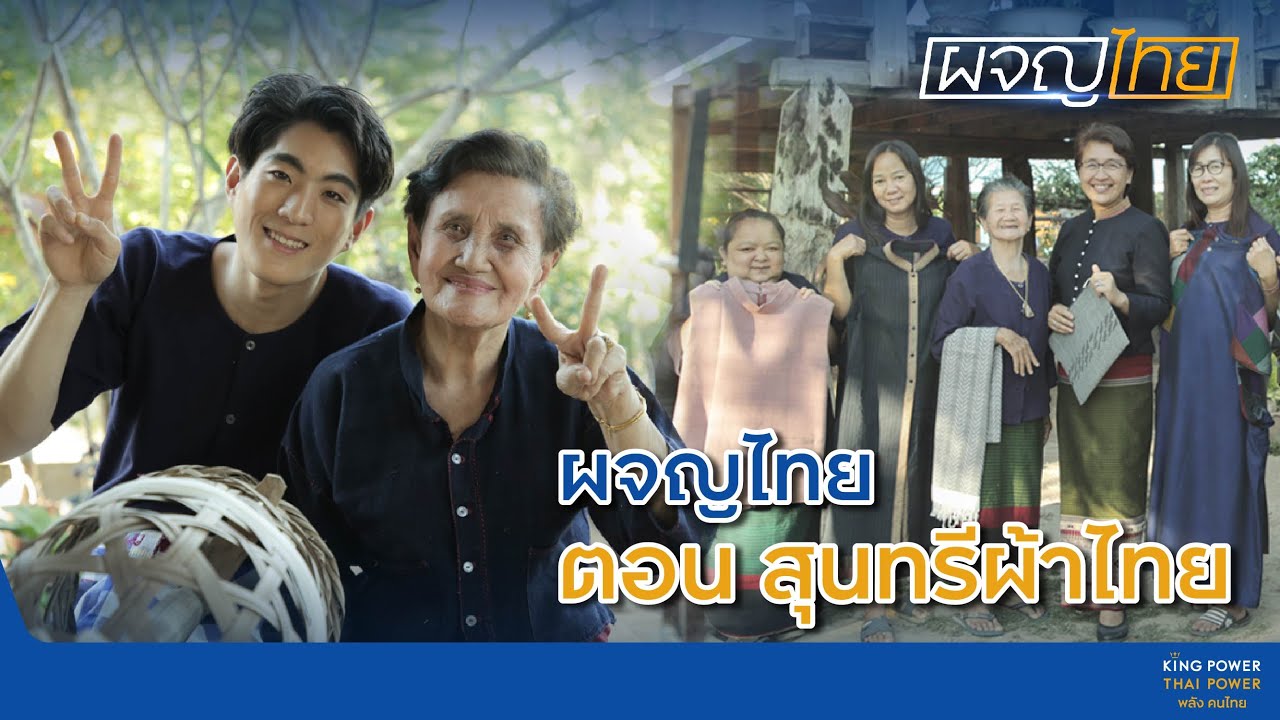
 Click to Access the Navigation Map GPS
Thai Wisdom Learning Center Map
Recommend

 Historical Sites and Monuments(4)
 Landmarks and Memorials(5)
Art, Craft Centres, Tradition(11)
Landmarks and Memorials(5)
Art, Craft Centres, Tradition(11)
 Museums(5)
 Places of Worship
 Temple(40)
 Other Sacred Sites(10)
 Suburban Living
 Village, Community(3)
 Nature and Wildlife
 National Parks and Marine Reserves(3)
 Mountain (Doi)(2)
 Dam, Reservoir, Lake(4)
 Waterfalls(8)
 Caves(4)
 River, Canal(2)
 Entertainment and Agricultural
 Farms, Parks and Ecotourism(3)


