
lovethailand home >North Travel Attractions >Phitsanulok Travel Attractions >Wang Thong >Wang Thong > Tham Phra Wang Daeng
TL;DR: Tham Phra Wang Daeng is located at Chomphu Subdistrict, Noen Maprang District, Phitsanulok Province, inside Thung Salaeng Luang National Park, open Daily, with prior contact with national park staff required before entering the, hours 08.30 – 16.30.
Tham Phra Wang Daeng
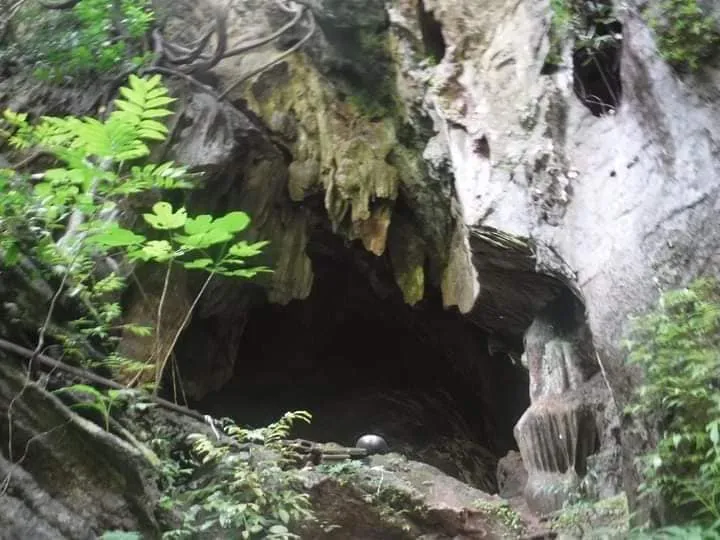
Open Days: Daily, with prior contact with national park staff required before entering the cave
Opening Hours: 08.30 – 16.30
Tham Phra Wang Daeng in Phitsanulok Province is one of Thailand’s most remarkable limestone cave systems. Located in Chomphu Subdistrict, Noen Maprang District, within Thung Salaeng Luang National Park, this cave is known for its exceptional length, complex underground passages, large chambers, limestone formations, cave stream, and rare cave-dwelling fish. Different sources report its length at around 12.5-13.789 km, making it widely recognized as one of the longest caves in Thailand and one of the most important cave destinations for nature study, cave ecology, and conservation-based travel.
Tham Phra Wang Daeng is not a casual walk-in cave for ordinary sightseeing. It is a long, dark, humid, and complex cave system that should only be visited with proper guidance from Thung Salaeng Luang National Park staff or the responsible ranger unit. Inside the cave, there are multiple passages, wet surfaces, underground water, slippery rocks, and areas where inexperienced visitors can easily lose direction. For this reason, travelers should never enter the cave independently. Prior contact with park officers is essential for safety, route guidance, and conservation control.
The first impression of Tham Phra Wang Daeng comes from the scale of its underground chambers. As visitors move into the cave, the temperature becomes cooler, the air becomes more humid, and sound begins to echo from the limestone walls. The cave contains many types of speleothems, including stalactites, stalagmites, curtain-like formations, column-shaped formations, layered deposits, and rock surfaces shaped by mineral-rich water over a very long period of time. Some formations resemble pillars, flowers, folded fabric, or natural sculptures, giving the cave a powerful sense of geological time.
The name Phra Wang Daeng carries both cultural and natural meaning. “Phra” suggests a connection with Buddhist imagery, sacred space, or a place of spiritual quietness, while “Wang Daeng” is associated with reddish mineral stains and colored rock surfaces inside the cave. When light falls on these formations, shades of red, brown, orange, grey, and cream appear on the limestone walls. These natural colors make the cave visually distinctive and help explain why the name has become strongly connected with the character of the cave.
One of the most important features of Tham Phra Wang Daeng is the small stream that flows through the cave. This underground water system supports a fragile cave ecosystem and provides habitat for rare aquatic species. Among the most notable is the Phra Wang Daeng cave loach, a highly specialized fish adapted to dark cave conditions. Like many cave-adapted species, its eyes are reduced or no longer functional, while other senses become more important for survival. Its pale body color, thick lips, arched back, and specialized features reflect long-term adaptation to an underground environment with little or no light.
The Phra Wang Daeng cave loach is scientifically important because it demonstrates how life can evolve in isolation. In a dark cave where vision is not useful, eyes may become reduced over generations, while sensitivity to water movement, smell, and touch may become more important. This makes the cave an important natural laboratory for studying evolution, adaptation, and endemic biodiversity. For travelers, seeing or learning about such species helps transform the visit from simple cave exploration into a deeper encounter with rare underground life.
Another rare fish associated with the cave is the cave-dwelling mahseer or blind cave fish locally described as pla tham phluang. This fish differs from typical river fish because it lives in a low-light or dark environment. It has small or covered eyes, a pale body, thick lips, barbels, and body features suited to finding food in underground water. The presence of these cave fishes means the stream inside Tham Phra Wang Daeng is not just a scenic feature; it is a sensitive habitat that must be protected from pollution, noise, chemicals, trash, and unnecessary human disturbance.
The cave ecosystem includes more than fish. Bats, cave insects, small aquatic organisms, soil-dwelling species, and microorganisms all form part of the underground food web. In a cave with no sunlight, organic matter is limited. Bat guano, materials carried in by water, and small particles from outside the cave become important sources of energy for the ecosystem. Because the system is so delicate, even small changes caused by careless tourism can have serious effects. Responsible behavior is therefore essential.
Geologically, Tham Phra Wang Daeng is highly valuable. It is a limestone cave formed by the long-term action of water dissolving carbonate rock. Over time, this process created tunnels, chambers, rock ledges, underground passages, and mineral formations. Stalactites and stalagmites grow extremely slowly, often requiring decades or centuries to form visible structures. Touching, breaking, or damaging them destroys natural features that cannot be restored within a human lifetime. Visitors should therefore treat every formation as an irreplaceable part of the cave’s history.
A proper visit should begin by contacting Thung Salaeng Luang National Park or the ranger unit responsible for the cave. Travelers should inform staff about group size, intended visiting time, and the physical condition of participants. The cave is not suitable for visitors who are unprepared, afraid of darkness or confined spaces, or have serious health issues such as respiratory or heart conditions. Staff guidance helps ensure that visitors follow safe routes and understand the importance of the cave’s natural resources.
Essential equipment includes a strong headlamp or flashlight, spare batteries, shoes with excellent grip, clothing suitable for damp and muddy conditions, a waterproof bag for important items, drinking water, light energy food, and a basic first-aid kit. A headlamp is especially useful because it keeps both hands free when walking on uneven rocks or supporting the body in slippery areas. Footwear should be secure and non-slip because sections of the cave floor may be wet, muddy, or uneven.
Visitors should not write on cave walls, touch or break formations, leave trash, use soap or chemicals in the stream, catch fish, disturb bats, shout loudly, or leave the route recommended by officers. A cave is a closed environment that recovers very slowly from disturbance. Compared with outdoor landscapes, even small human impacts can last a long time underground. The best rule is to enter, observe, learn, and leave no trace.
Seasonal planning is important. During the rainy season, entering a cave with an underground stream can be dangerous because water levels may rise, floors become more slippery, and flash flooding may occur in some areas. Travelers should avoid entering during unsafe weather and should always follow official advice. The safer period is generally during drier conditions, but even then, visitors should confirm access with park staff before traveling.
The surrounding area of Tham Phra Wang Daeng is part of Noen Maprang District, known for limestone mountains, rural scenery, Ban Mung village, bat-viewing areas, rice fields, and dramatic karst landscapes. The district offers a different atmosphere from the high mountain forests of other provinces. Limestone cliffs rise above agricultural land and local communities, creating a landscape that is both peaceful and visually striking. A trip to the cave can therefore be combined with Ban Mung, the Ban Mung bat viewpoint, local cafés, and small village-based tourism experiences.
Photography inside the cave requires special care. Light is limited, the ground may be slippery, and moisture can affect equipment. Cameras should be secured with straps or protective bags. Flash photography should be used carefully because bats and cave animals may be sensitive to light. The best subjects are the large chambers, mineral formations, rock textures, stream passages, and the atmosphere of the cave itself. Visitors should avoid approaching rare fish or disturbing aquatic habitats for photographs.
For general travelers, Tham Phra Wang Daeng offers a very different experience from waterfalls, temples, or viewpoints. Entering the cave means entering a hidden underground world of darkness, silence, humidity, flowing water, and geological scale. Seeing huge chambers and ancient formations helps visitors understand the slow power of nature. This is not a destination for rushed sightseeing; it rewards patience, preparation, and respect.
The cave also has strong research value. Biologists, geologists, ecologists, and cave specialists can study cave-adapted fish, underground water systems, limestone formation processes, and the relationship between the cave and the surrounding karst landscape. The discovery of endemic cave fish makes the cave especially important beyond tourism. It is a living natural archive that should be protected carefully for science, education, and conservation.
Traveling from Phitsanulok City to Tham Phra Wang Daeng is most convenient by private car. Visitors drive toward Noen Maprang District, passing rural scenery, farmland, and limestone hills before reaching Chomphu Subdistrict and the national park area connected with the cave. The distance from Phitsanulok City is roughly 70-90 km depending on the chosen route. Travelers should contact park staff before departure to confirm access conditions, route status, and safety requirements for the day.
Public transport is possible but less convenient. Travelers can go from Phitsanulok City to Noen Maprang District and then arrange local transport to the cave area. However, because the cave is not located in a dense public transport zone, a private vehicle, rented car, or hired local vehicle is more practical. This also allows travelers to combine the cave with Ban Mung, the bat viewpoint, limestone mountain viewpoints, and local cafés.
Nearby attractions include Ban Mung Bat Viewpoint, Ban Mung village, limestone mountain scenery, local temples, and other rural attractions in Noen Maprang. A good itinerary is to arrange the cave visit only after confirming safety with park officers, then visit Ban Mung or the bat viewpoint in the late afternoon. Staying overnight in a local homestay allows visitors to experience the peaceful countryside atmosphere of Noen Maprang more fully.
Restaurants around Noen Maprang and Ban Mung include local Thai restaurants, cafés, homestay dining spaces, and small countryside eateries. Many offer simple local meals, made-to-order dishes, noodles, coffee, and cold drinks. Some places do not publish reliable phone numbers online, so visitors should check opening days before traveling, especially on weekdays or outside peak travel periods.
Accommodation near Tham Phra Wang Daeng includes Ban Mung homestays, small resorts, limestone mountain-view lodges, and guesthouses in Noen Maprang. Travelers who want a local experience should stay around Ban Mung or near the bat-viewing area, where the mountain scenery is most distinctive. Those who need easier onward travel may stay closer to Noen Maprang town or return to Phitsanulok City.
What makes Tham Phra Wang Daeng especially meaningful is the responsibility required to visit it. A long and complex cave is not a place for careless adventure. Every step passes through a fragile natural system: slow-growing formations, an underground stream, rare cave fish, bat habitats, and darkness that supports specialized life. Visiting carefully is not only about personal safety but also about protecting a rare underground ecosystem.
Overall, Tham Phra Wang Daeng in Phitsanulok is a major natural site for travelers interested in caves, ecology, geology, and conservation-based adventure. It offers vast underground chambers, beautiful limestone formations, a cave stream, and rare species such as the Phra Wang Daeng cave loach and cave-dwelling fish. With proper preparation, advance contact with park officers, suitable equipment, and respect for conservation rules, a visit to Tham Phra Wang Daeng can become one of the most memorable and educational nature experiences in lower northern Thailand.
| Name | Tham Phra Wang Daeng |
| Location | Chomphu Subdistrict, Noen Maprang District, Phitsanulok Province, inside Thung Salaeng Luang National Park |
| Address | Thung Salaeng Luang National Park area, Chomphu Subdistrict, Noen Maprang District, Phitsanulok 65190, Thailand |
| Highlights | Large limestone cave system about 12.5-13.789 km long, with vast chambers, speleothems, an underground stream, the Phra Wang Daeng cave loach, and cave-dwelling fish |
| History | An important limestone cave system in Thung Salaeng Luang National Park, explored and studied for its cave system, underground ecosystem, and endemic cave fish from the late 20th to early 21st century |
| Name Origin | The name is associated with sacred or Buddhist elements inside the cave and reddish mineral stains on the cave walls |
| Distinctive Features | A long and complex cave system with large chambers, various stalactites and stalagmites, an underground stream, and a fragile cave ecosystem |
| Travel Information | Travel from Phitsanulok City toward Noen Maprang District, then continue to Chomphu Subdistrict and the responsible national park ranger area. Visitors must contact park staff before entering the cave |
| Current Status | A natural site within Thung Salaeng Luang National Park. Entry requires contact with park staff and compliance with safety and conservation rules |
| Open Days | Daily, with prior contact with national park staff required before entering the cave |
| Opening Hours | 08.30 – 16.30 |
| Fees | Reference national park fee for Thung Salaeng Luang National Park: Adult 40 Baht, Child 20 Baht |
| Facilities | Ranger guidance subject to site conditions, national park coordination point, basic parking area, and safety briefing before cave entry |
| Main Areas / Zones | Cave entrance, large chambers, speleothem areas, underground stream, cave fish habitat, and guided exploration routes |
| Caretaker | Thung Salaeng Luang National Park, Department of National Parks, Wildlife and Plant Conservation / responsible ranger unit for Tham Phra Wang Daeng area |
| Main Contact Number | 088-7564940 |
| Official Website / Official Page | Thung Salaeng Luang National Park |
| Nearby Tourist Attractions | 1. Ban Mung Bat Viewpoint, about 15 km 2. Ban Mung Village, about 15 km 3. Ban Mung Limestone Mountain Area, about 15 km 4. Wat Ban Mung, about 16 km 5. Thung Salaeng Luang National Park, about 0 km 6. Kaeng Sopha Waterfall, about 55 km |
| Nearby Restaurants | 1. Krua Im Plae Lae Khao, Ban Mung, about 15 km, Tel. 088-5061670 2. The Mountain Deer View Lodge & Hashery, Ban Mung, about 15 km 3. See Mountain, Ban Mung, about 16 km 4. Na Mung Cafe, Ban Mung, about 16 km 5. Ban Mung Steakhouse, about 16 km 6. Ban Mung Camp Restaurant, about 16 km |
| Nearby Accommodations | 1. Wantana Homestay Ban Mung Noen Maprang, about 15 km 2. Nutcha Na Mung Homestay, about 15 km, Tel. 081-2053554 3. The Mountain Deer View Lodge & Hashery, Ban Mung, about 15 km 4. Ing Pha Garden View Resort, about 16 km 5. Ban Mung Homestay Network, about 15 km, Tel. 095-6202760, 090-6965810, 094-6410309 6. Noen Thong House, about 25 km, Tel. 087-9423434 |
Frequently Asked Questions (FAQ)
Q: Where is Tham Phra Wang Daeng located?
A: Tham Phra Wang Daeng is located in Chomphu Subdistrict, Noen Maprang District, Phitsanulok Province, inside Thung Salaeng Luang National Park.
Q: How long is Tham Phra Wang Daeng?
A: The cave is reported to be about 12.5-13.789 km long, making it one of the longest caves in Thailand.
Q: Can visitors enter Tham Phra Wang Daeng without a guide?
A: No. Visitors should not enter without park staff or an authorized guide because the cave is long, dark, complex, slippery, and easy to get lost in.
Q: What rare species are found in Tham Phra Wang Daeng?
A: The cave is known for rare cave fish, including the Phra Wang Daeng cave loach and cave-dwelling fish adapted to dark underground water systems.
Q: What should visitors prepare before entering the cave?
A: Visitors should prepare a flashlight or headlamp, spare batteries, non-slip shoes, suitable clothing, waterproof protection for belongings, drinking water, and follow park staff instructions strictly.
Q: When is the best time to visit Tham Phra Wang Daeng?
A: The safer period is generally during dry conditions, but visitors must confirm access with park staff before traveling. The rainy season should be avoided unless staff confirm it is safe.
Q: Who is Tham Phra Wang Daeng suitable for?
A: It is suitable for travelers interested in caves, ecology, geology, conservation, and responsible adventure, especially those prepared to follow strict safety rules.
Q: What nearby attractions can be visited with Tham Phra Wang Daeng?
A: Nearby attractions include Ban Mung Bat Viewpoint, Ban Mung Village, Ban Mung limestone mountain scenery, Wat Ban Mung, and other Noen Maprang countryside attractions.
 Category: ●Nature and Wildlife
 Group: ●Caves
Last Update : 4 MonthAgo
 Last Update : 4 MonthAgo
 Click to Access the Navigation Map GPS
Tham Phra Wang Daeng Map
Recommend

 Art, Culture and Heritage
 Historical Sites and Monuments(1)
 Landmarks and Memorials(2)
 Art, Craft Centres, Tradition(3)
 Museums(3)
 Educational Places
 Educational Gardens, Farm(1)
 Places of Worship
 Temple(29)
 Mosque(1)
 Other Sacred Sites(3)
 Research and Development
 Royal Project(1)
 Suburban Living
 Village, Community(1)
 National Parks and Marine Reserves(7)
 Mountain (Doi)(4)
 Dam, Reservoir, Lake(5)
 Waterfalls(19)
Caves(3)
Waterfalls(19)
Caves(3)
 River, Canal(9)
 Other natural attractions(1)
 Entertainment and Agricultural
 Farms, Parks and Ecotourism(2)
 Outdoor and Adventure Activities(1)


